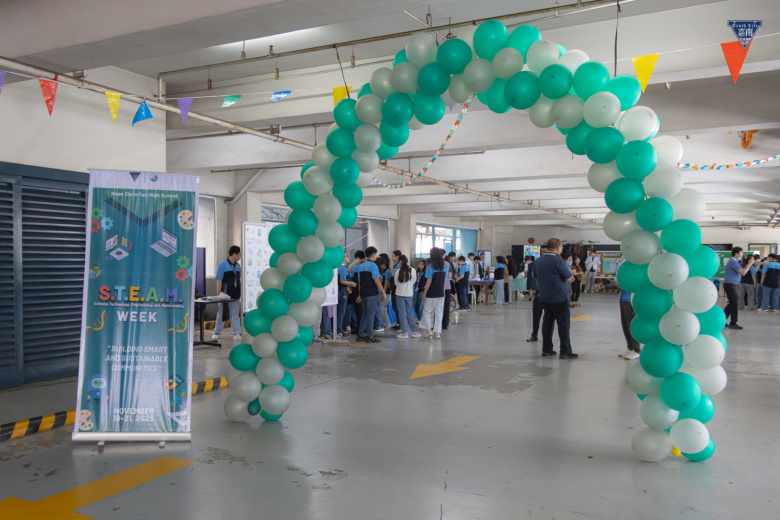
Building Smart and Sustainable Communities through STEAM
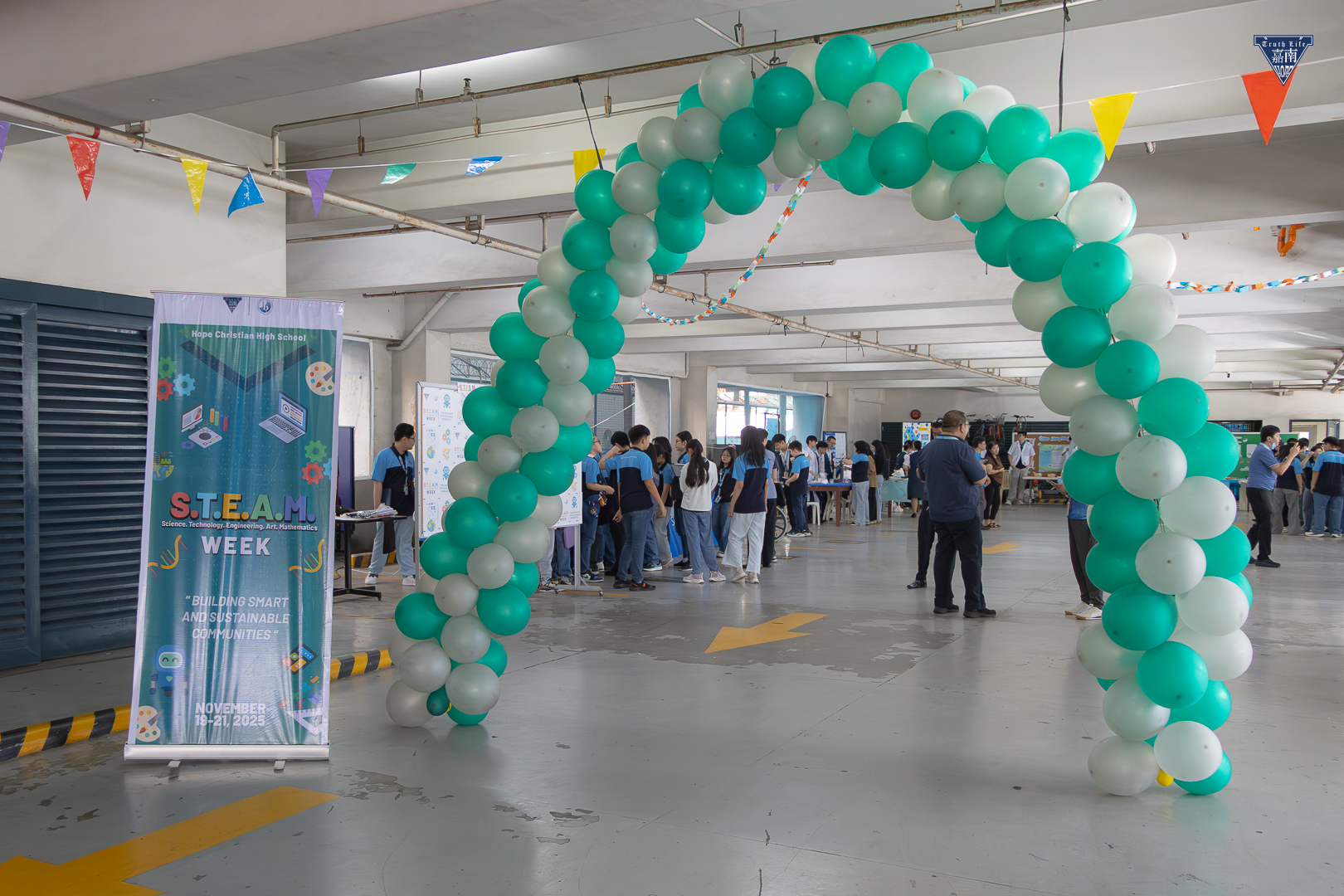
“Necessity is the mother of invention,” a famous proverb says. In response to the need and vision to build smart and sustainable communities, Science, Technology, Engineering, Arts, and Mathematics (STEAM) disciplines collaborated to host a week-long presentation of novel inventions and innovations.
Curious Minds, Clever Finds: Preschool STEAM Activities
It can be said that curiosity is the father of discovery. Curiosity compels us to question the unknown and prompts our explorations. Hence, discovering ways to build smart and sustainable communities can start with the same curiosity that acknowledges attaining it is possible. Nurturing this natural curiosity is the highlight of the STEAM Week activities of the Preschool Department.
Our preschoolers engaged in a variety of hands-on experiences that enriched their inquiry, creativity, and exploration skills. Through the Light and Shadow Play, they found out how light passes through transparent tiles and forms dancing shadows. In Block Builders, they experimented with unit blocks to create structures, like towers. Through the Sink and Float activity, the Junior Kinder and Kinder students discovered how an object’s weight and material affect buoyancy. They tested which objects sank and floated in water. The Junior Kinder students also expressed their creativity. They created their own colorful stickers by mixing glue and natural plant dyes. Once dried, the peel-off stickers adorned the windows like stained glass. By testing which objects are magnetic and non-magnetic, Kinder students learned about the properties of magnets. Through the Push-Button Play, Nursery students discovered that tools like buttons are technologies that support daily tasks. Through this activity, they also observed the cause-and-effect relationship involved in button pressing.
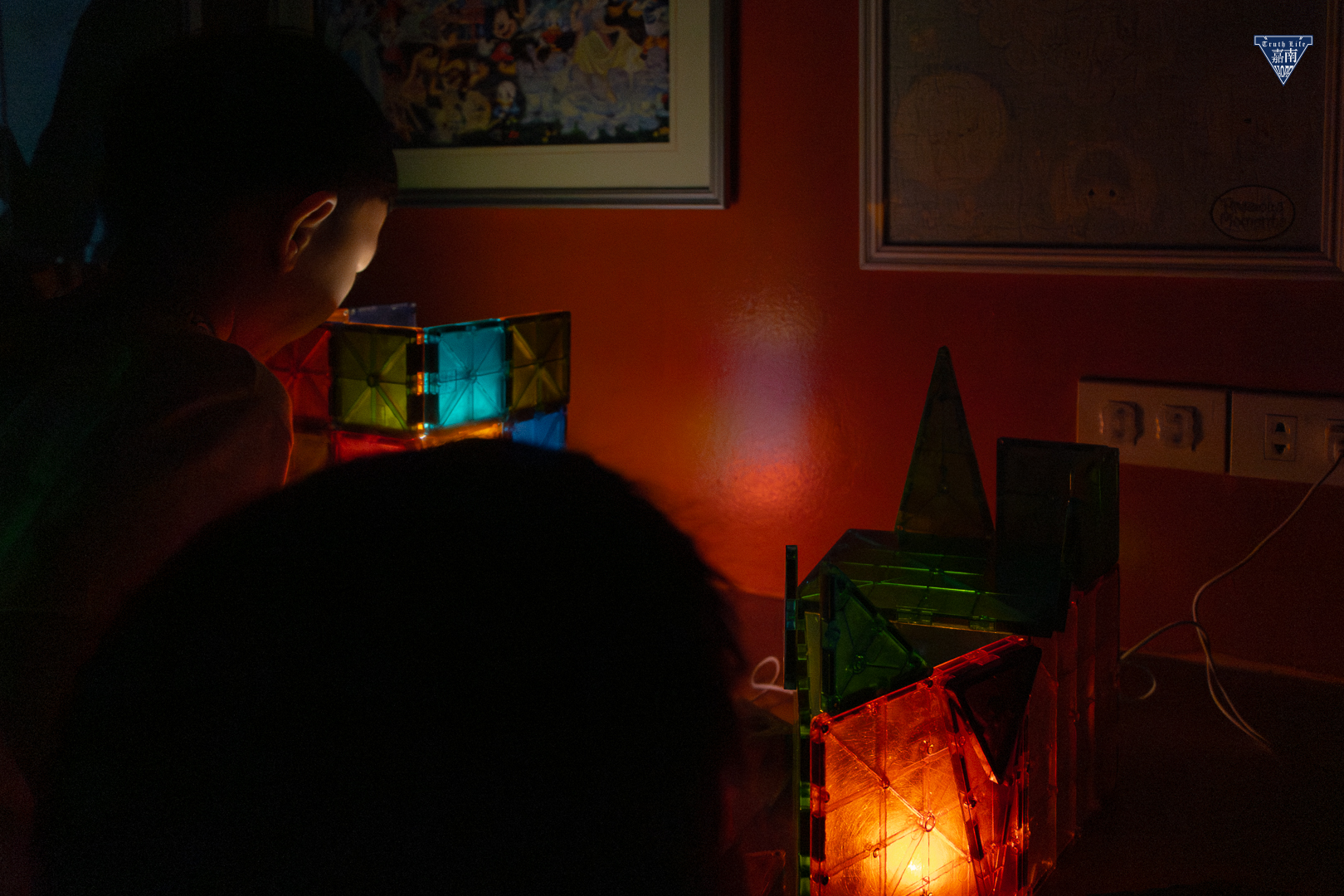
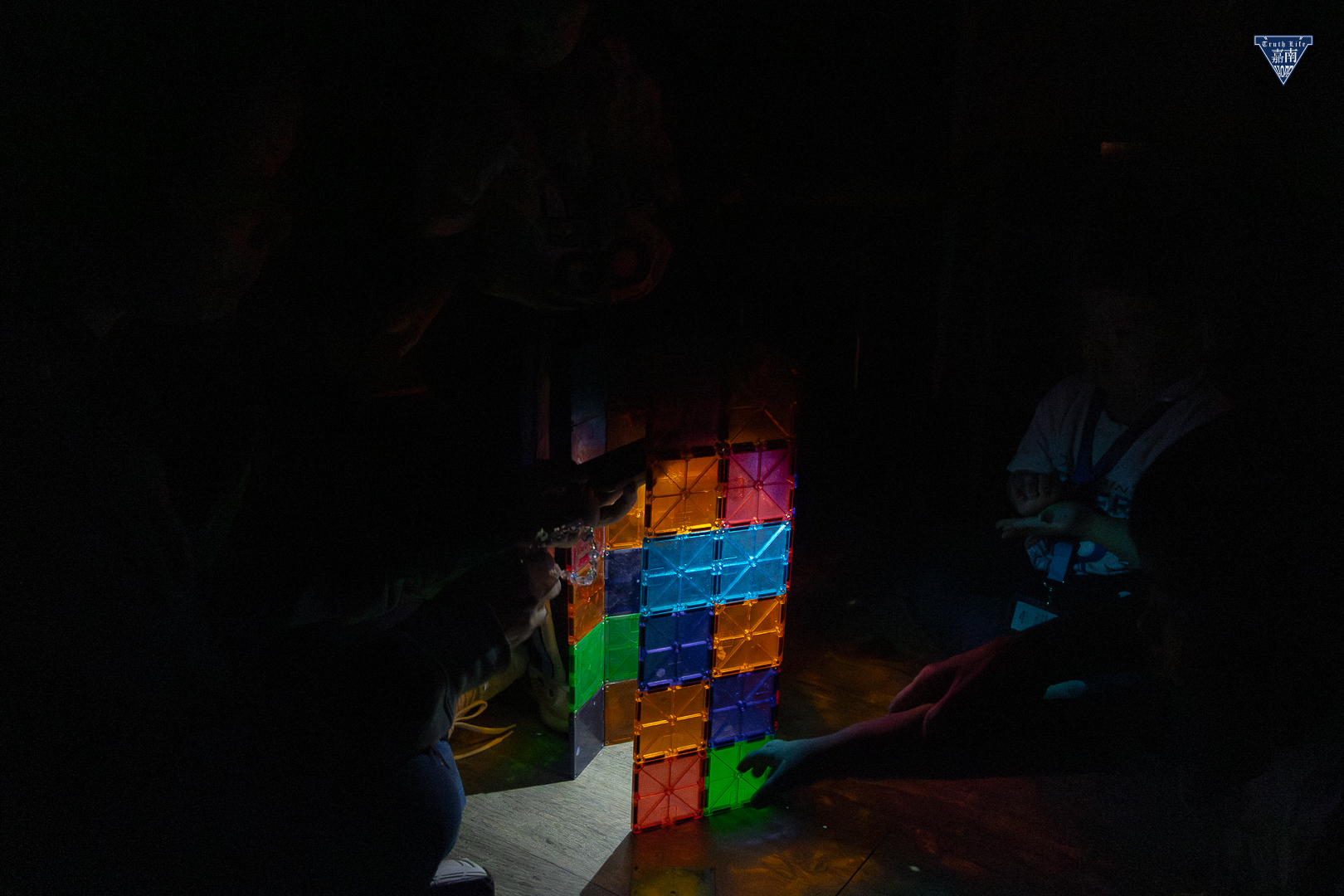
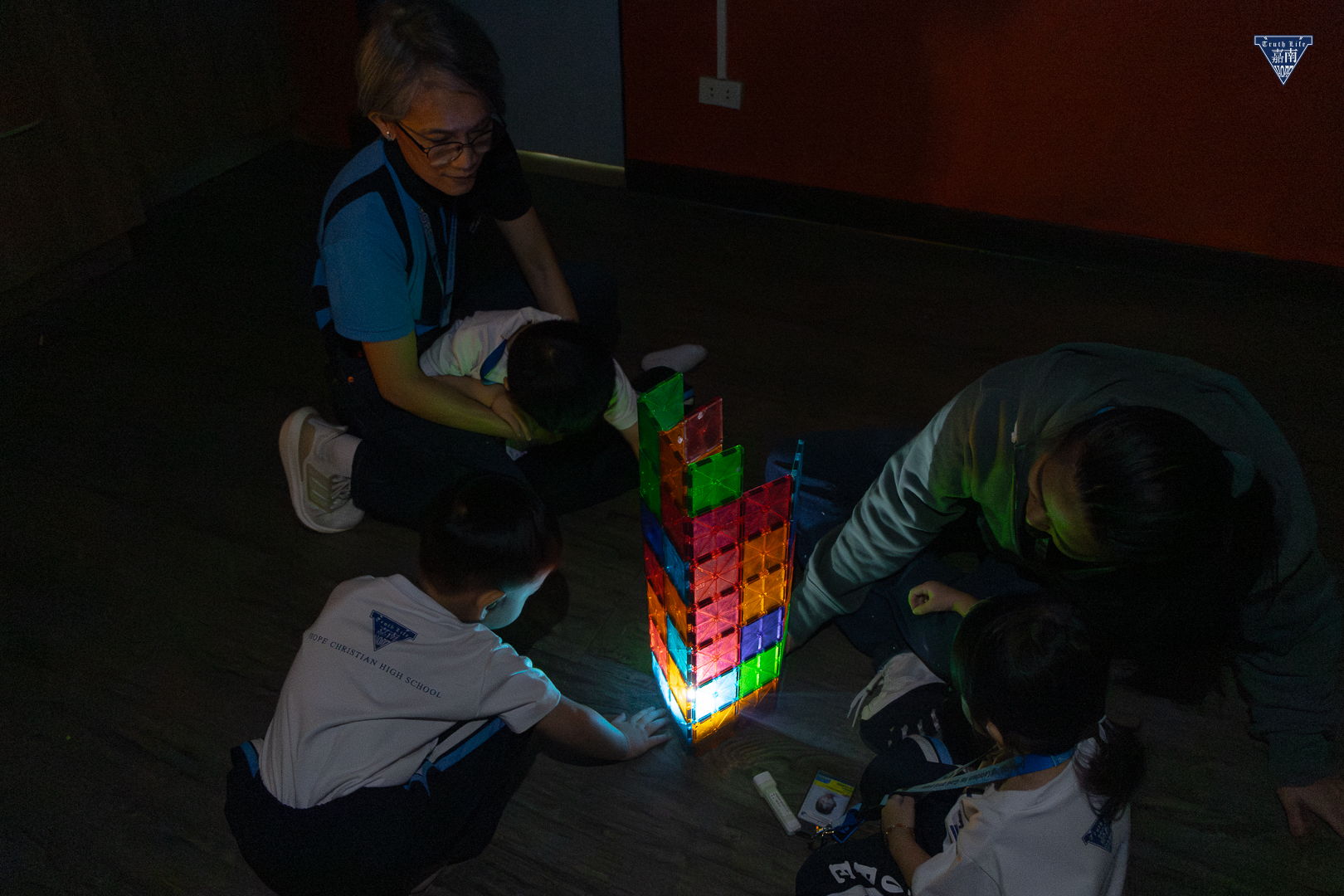
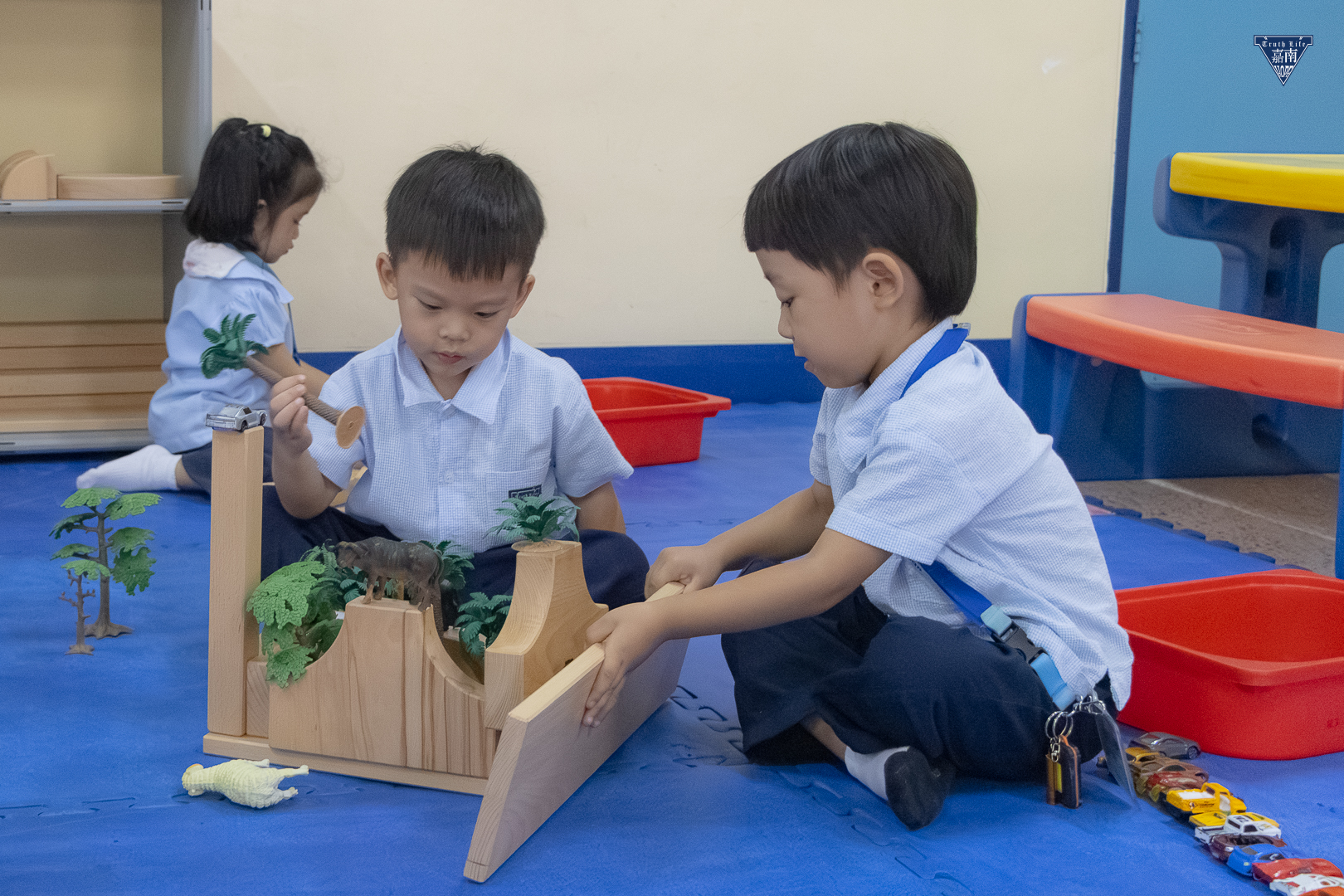
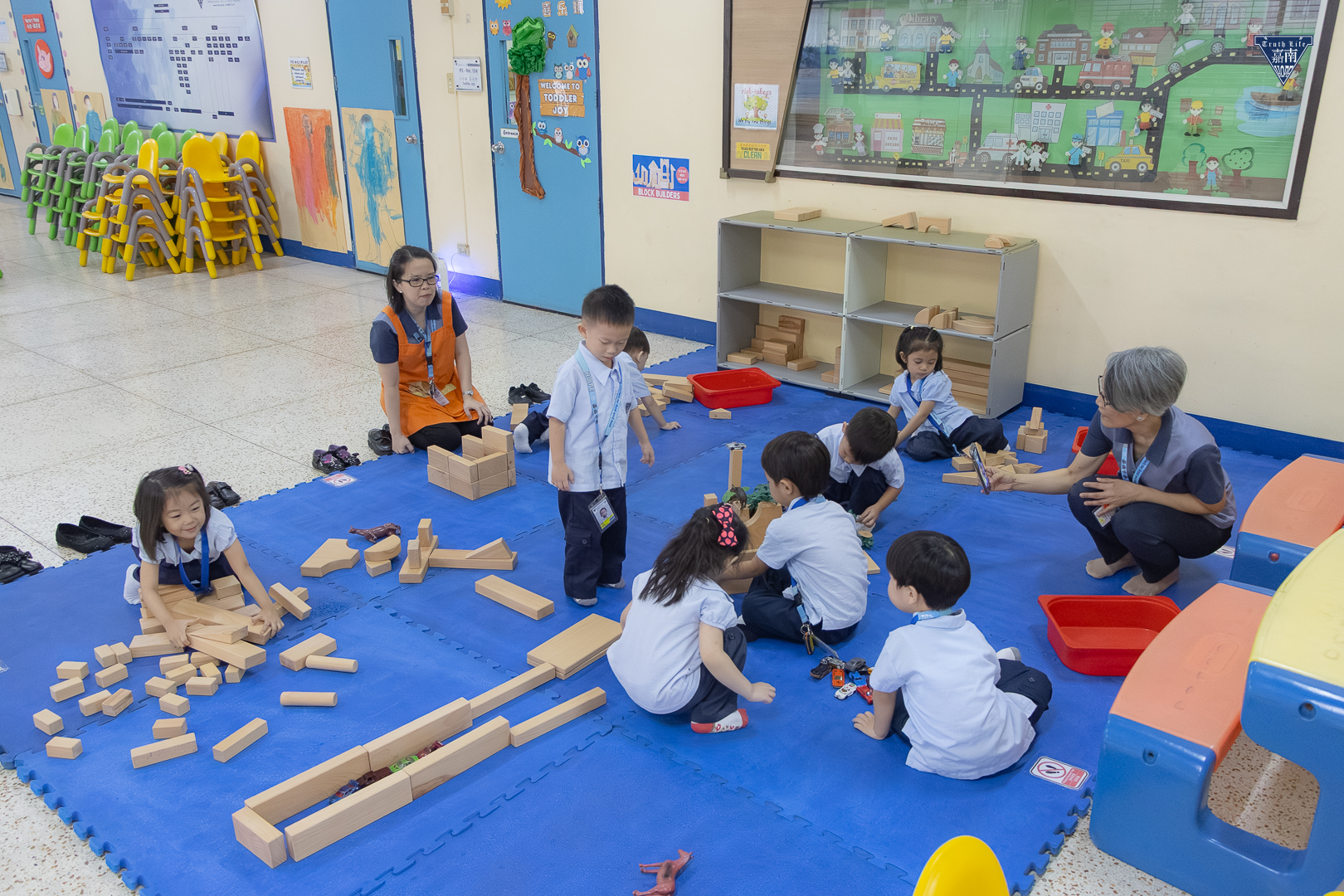
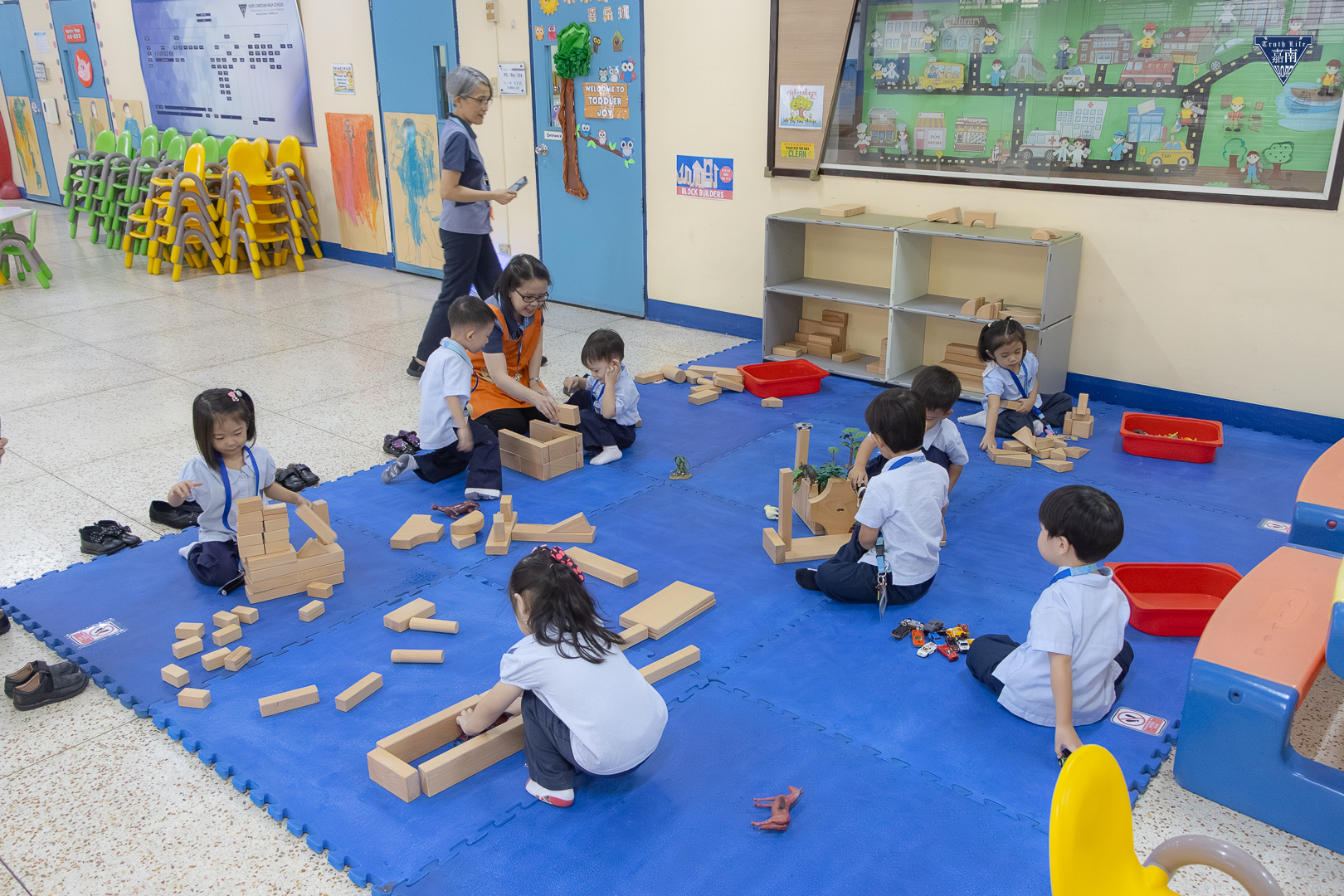
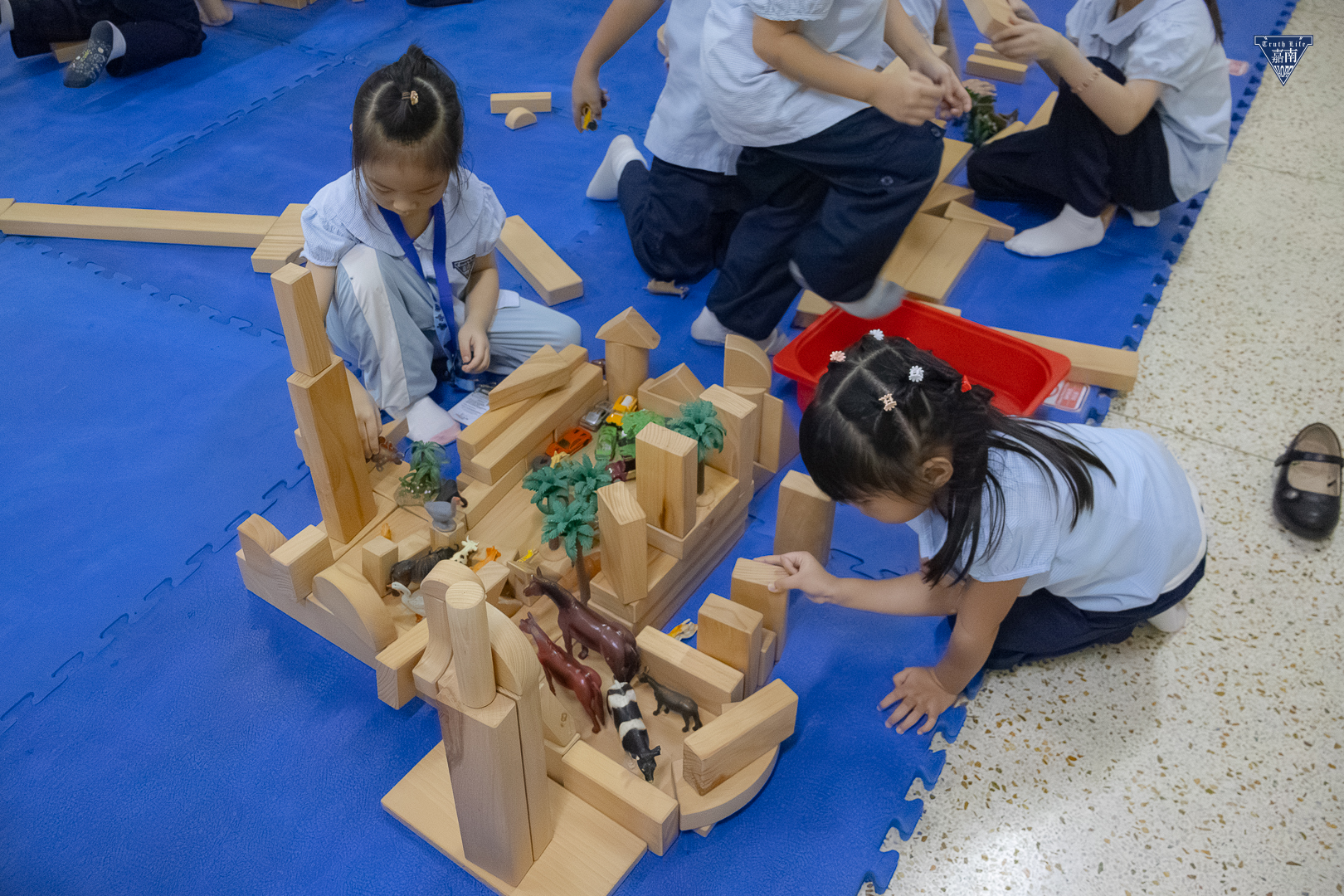
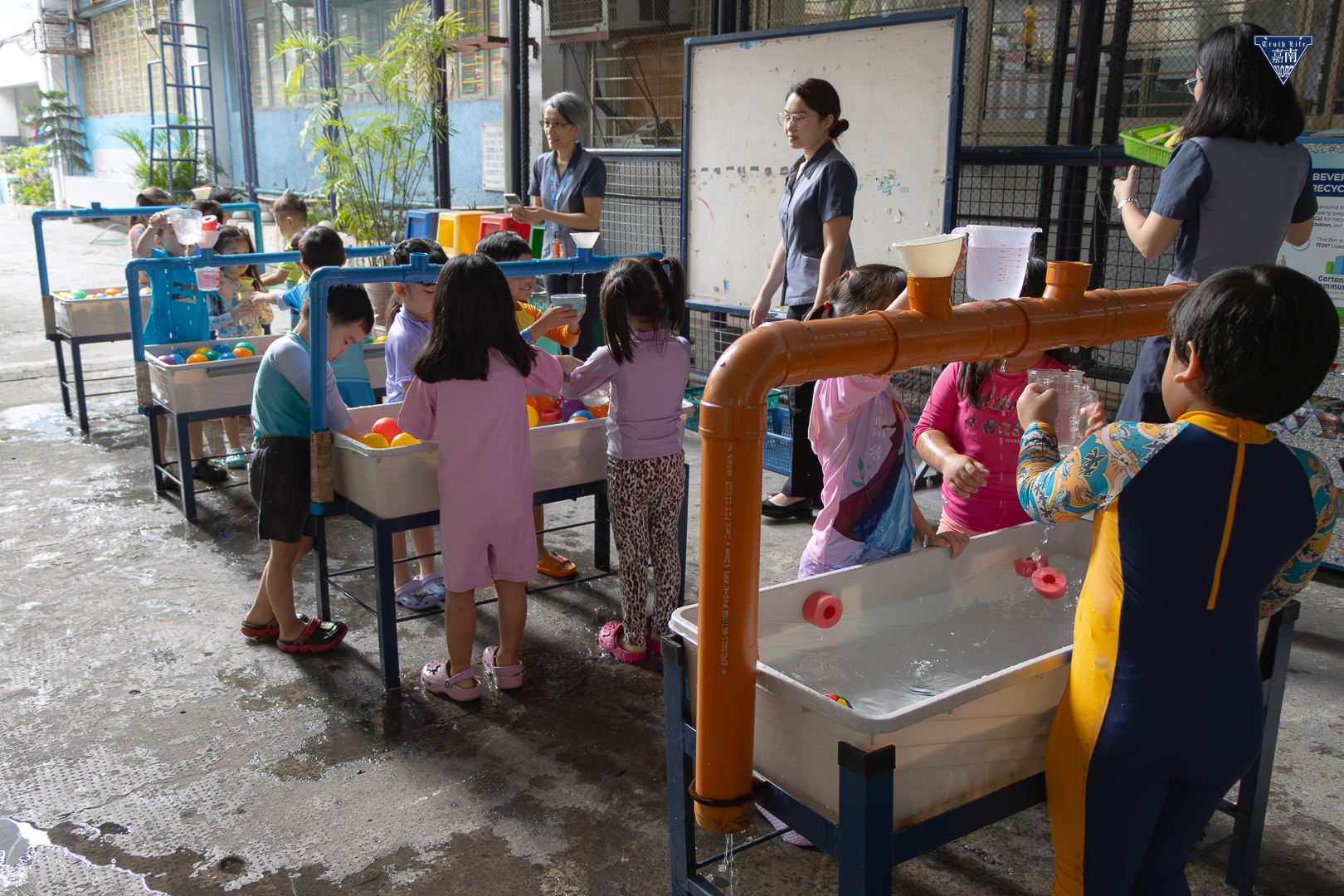
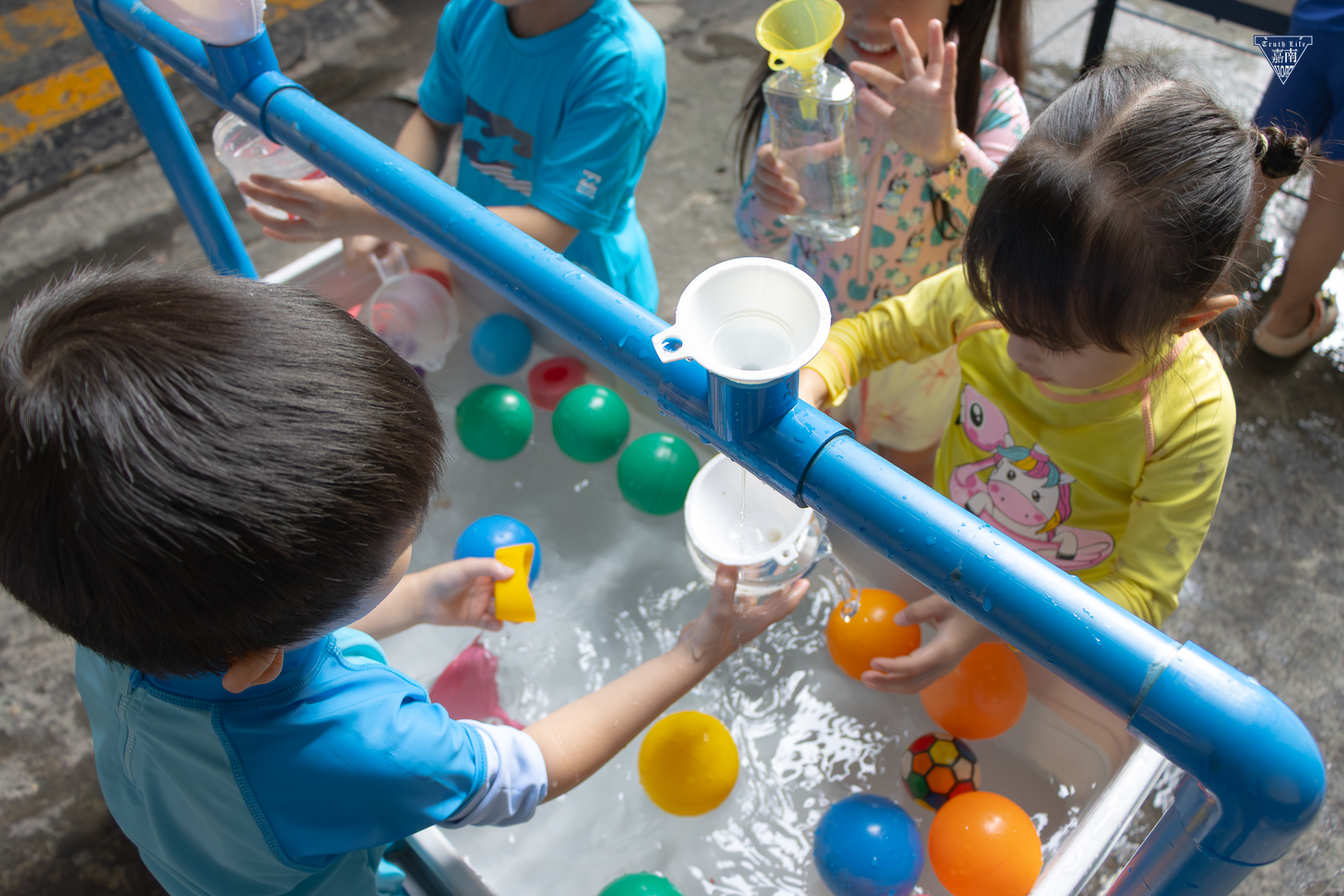
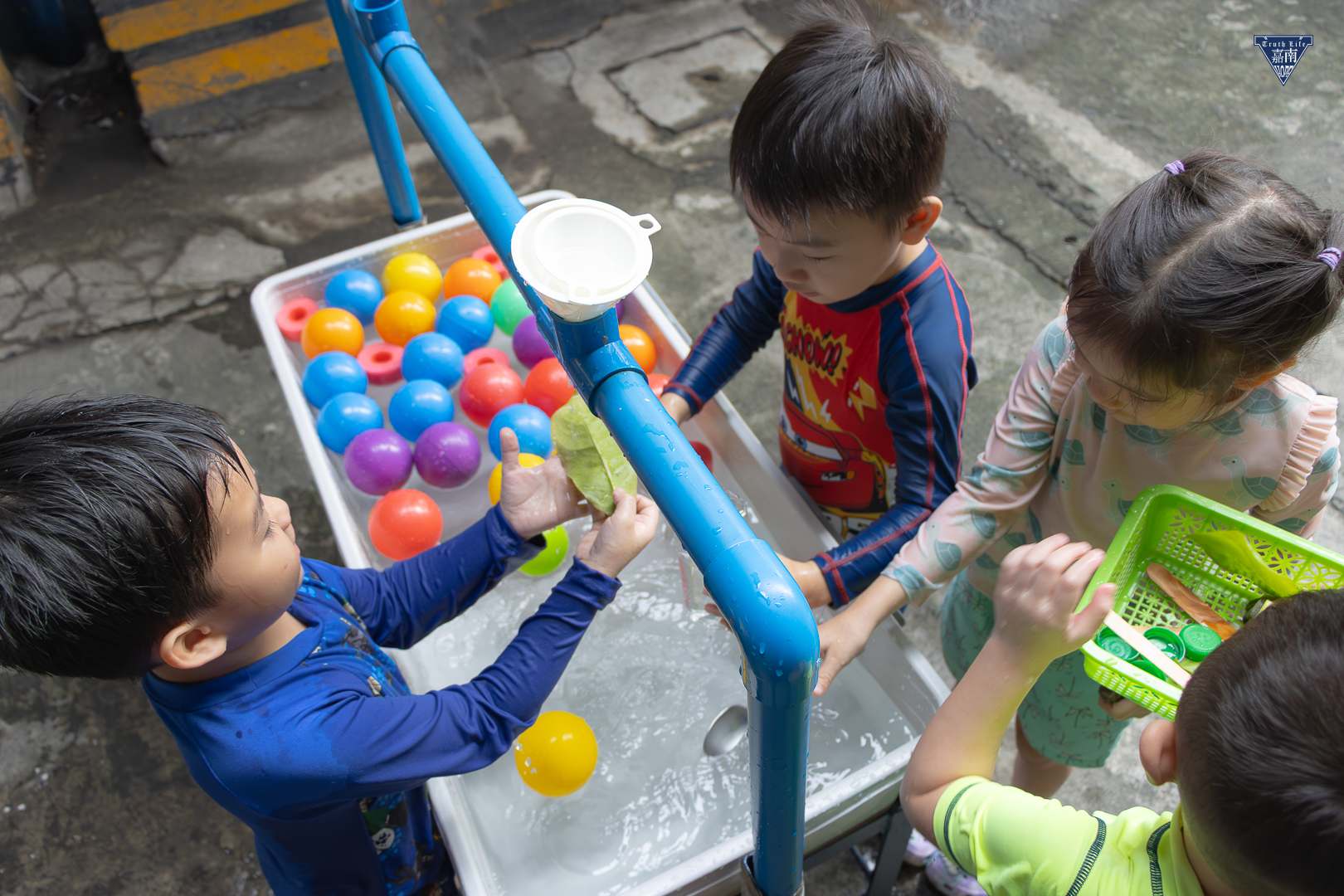
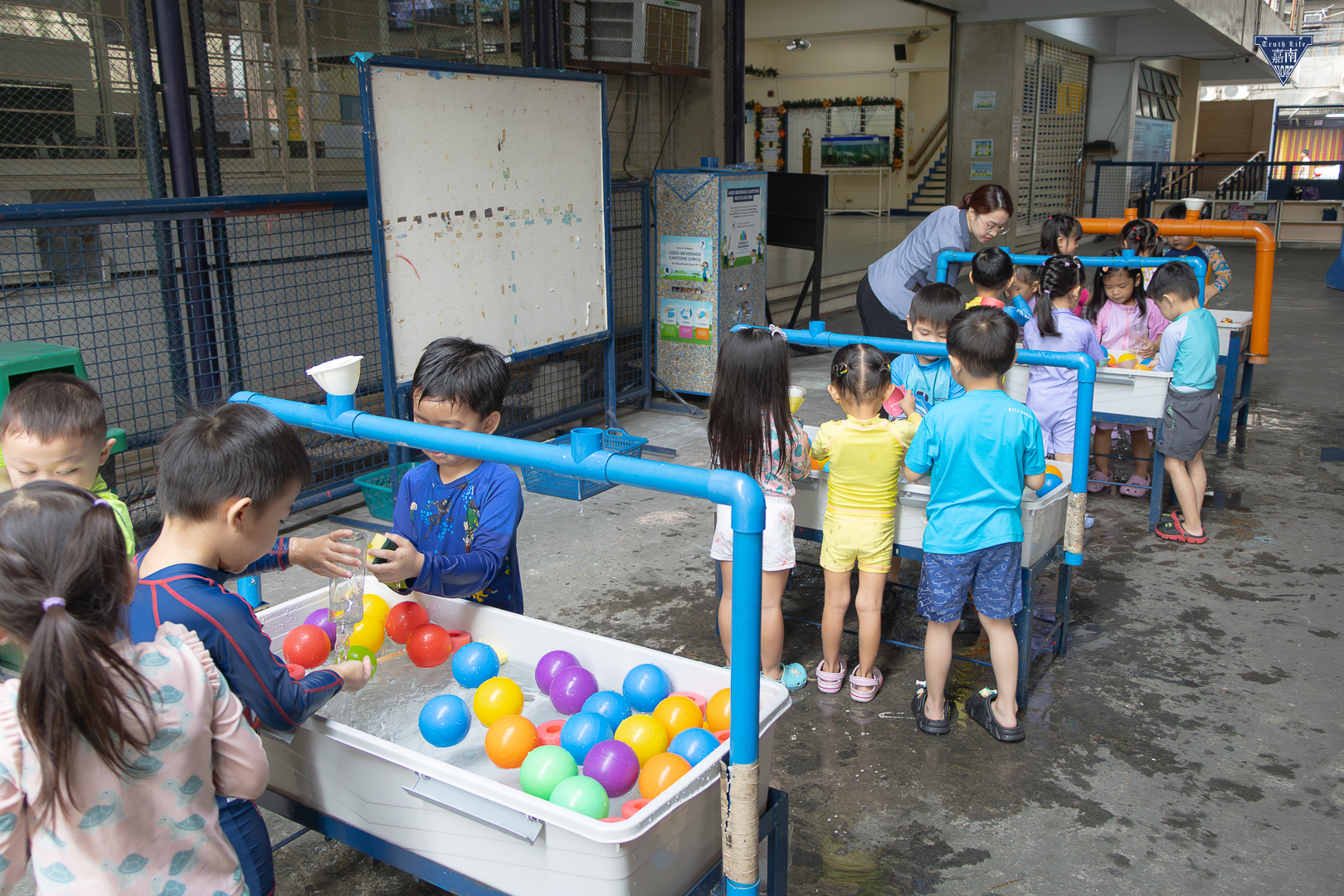
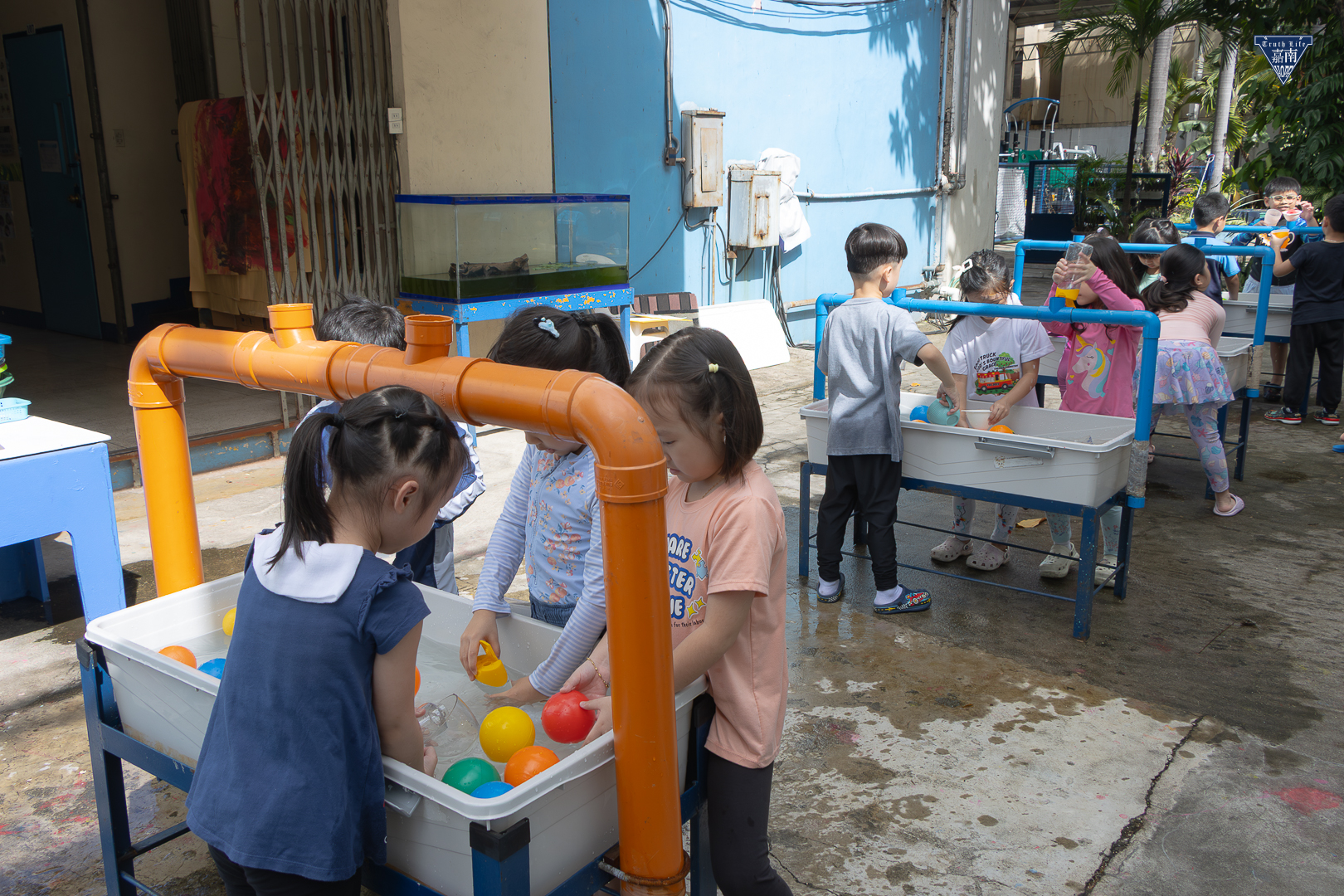
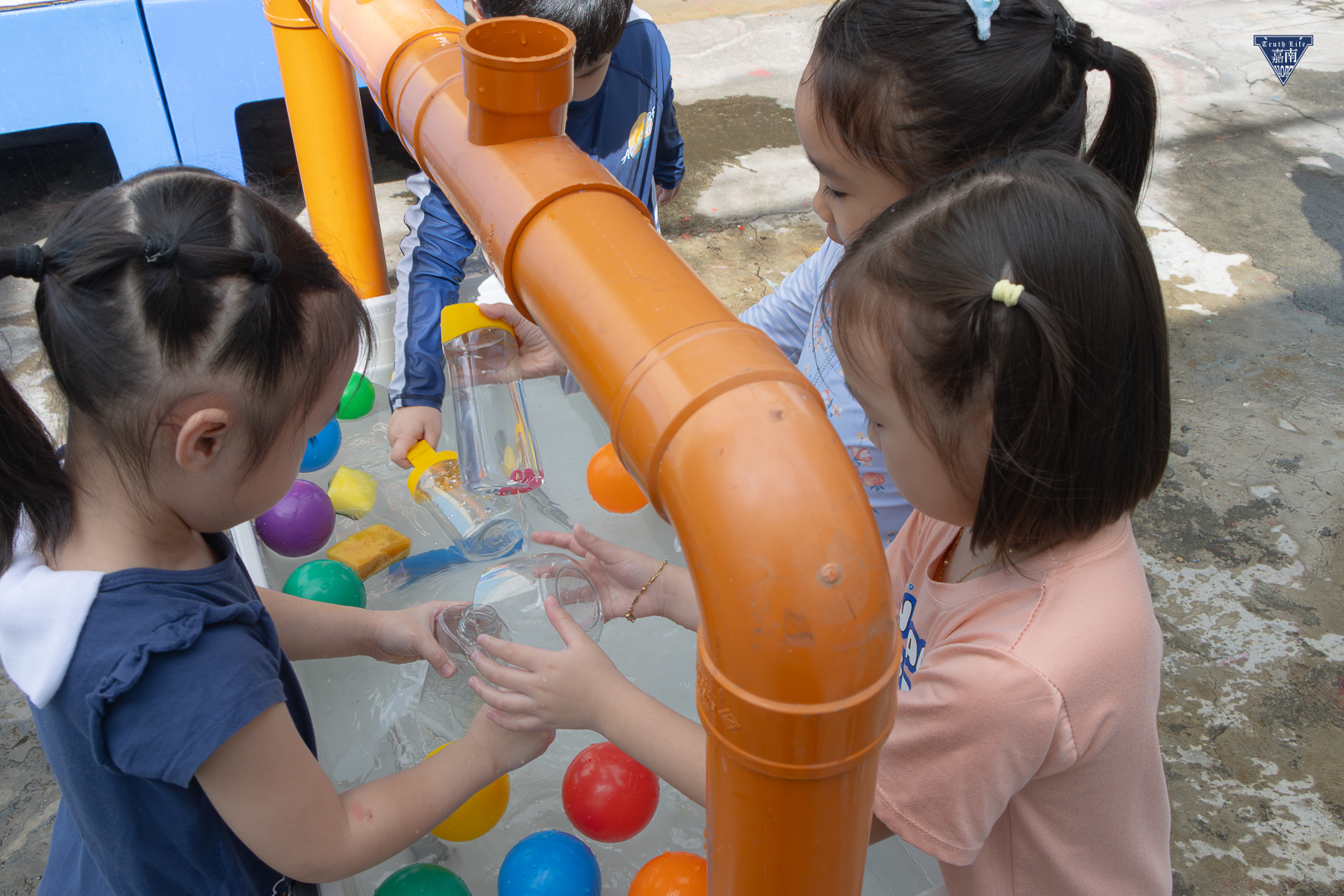
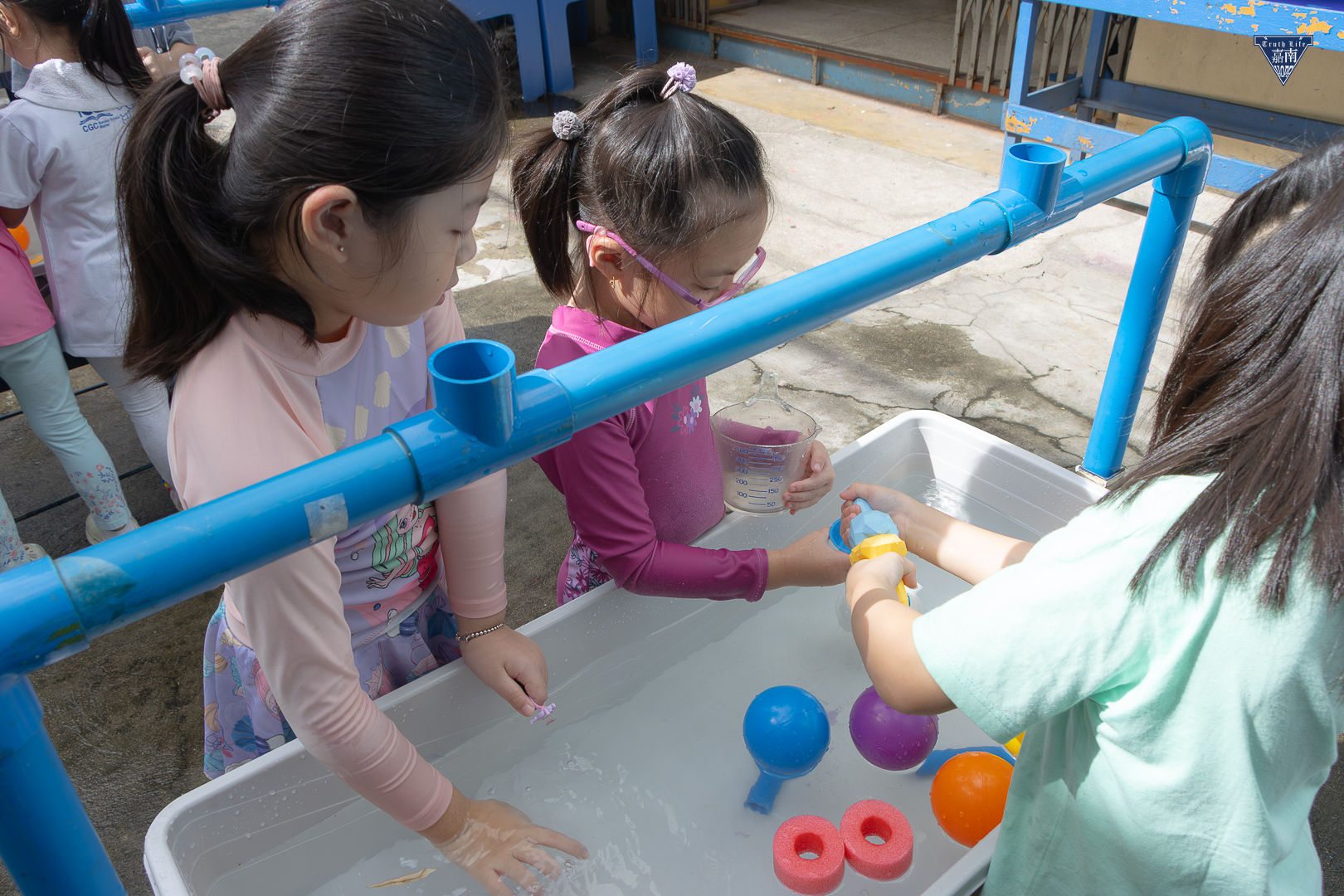
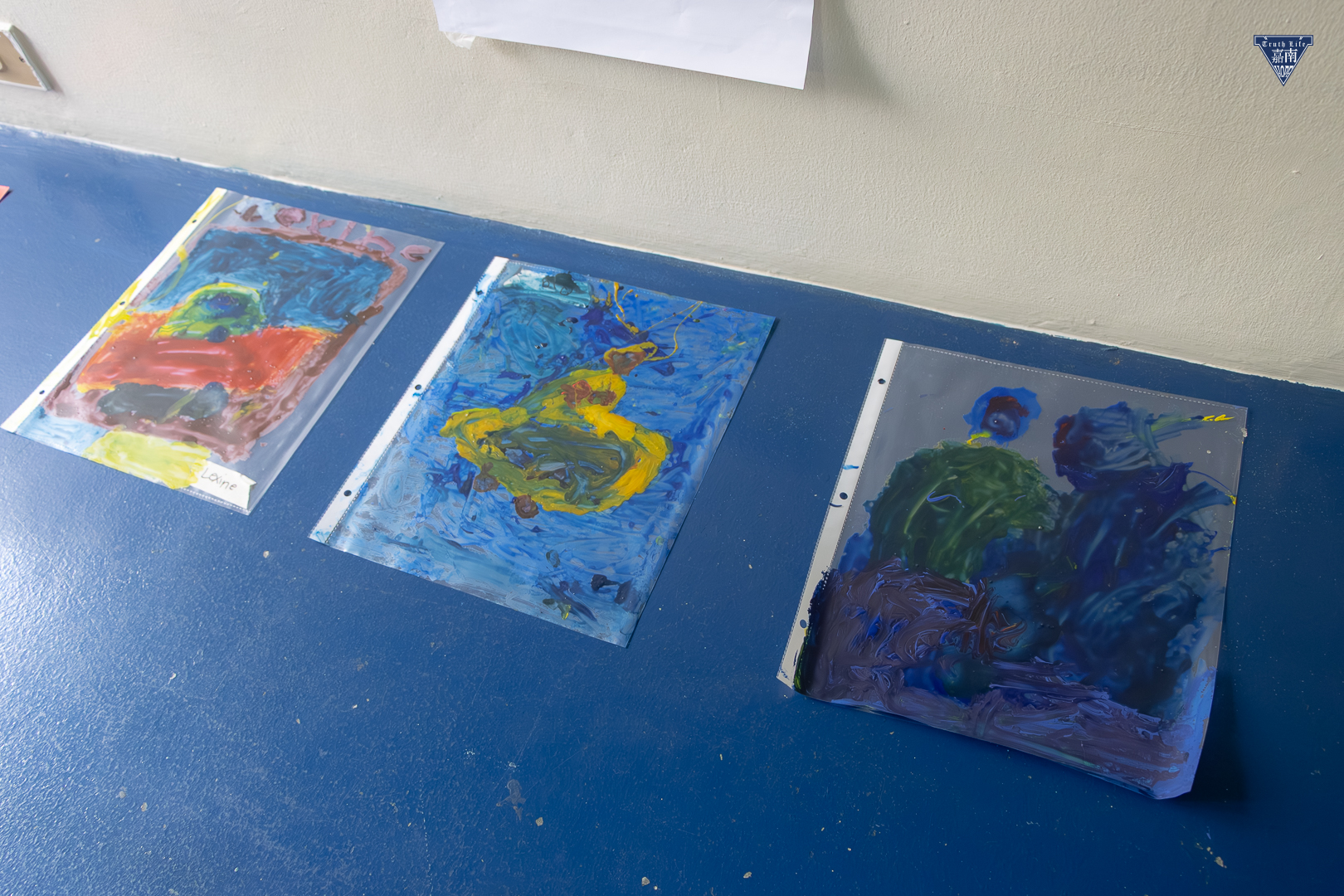
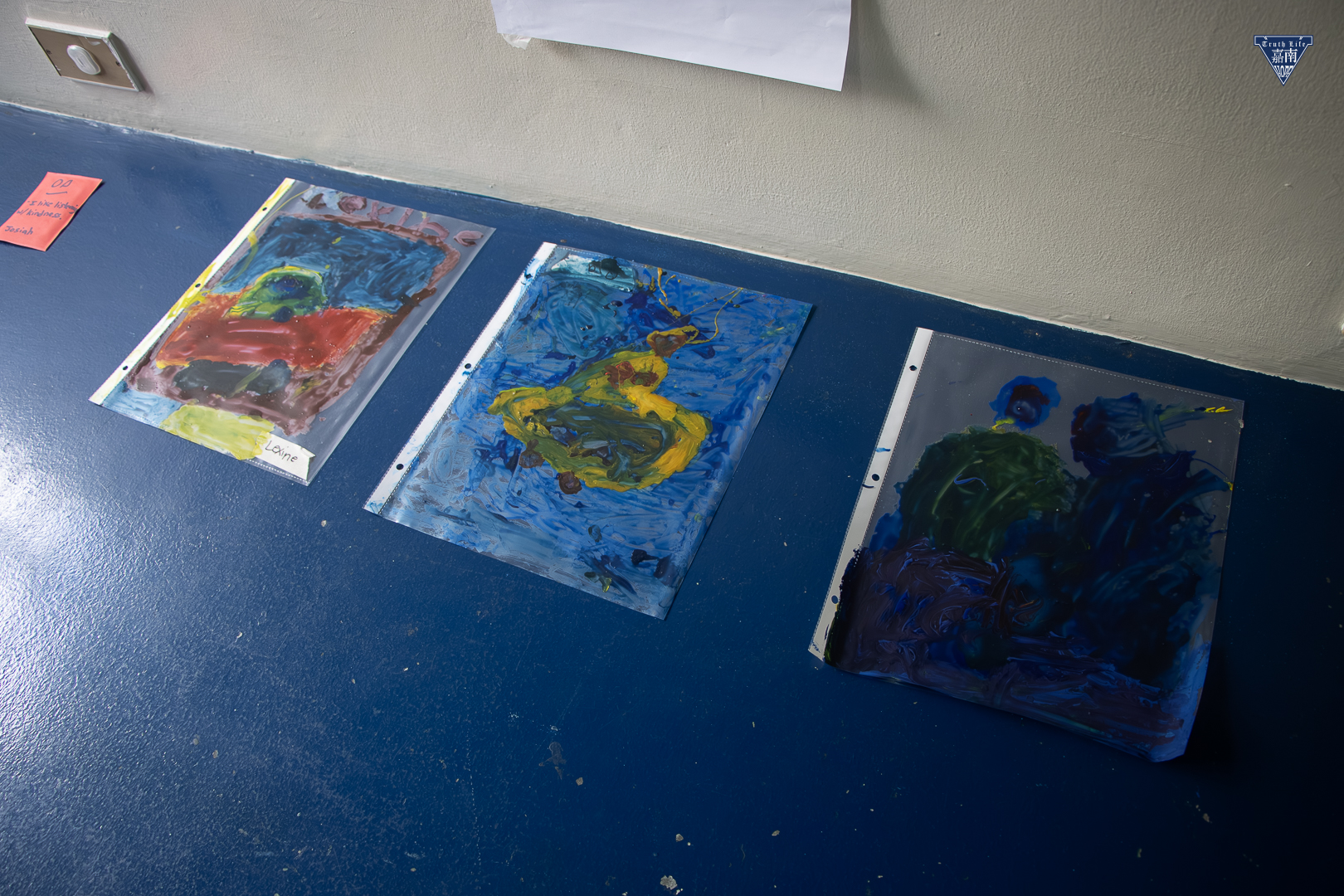
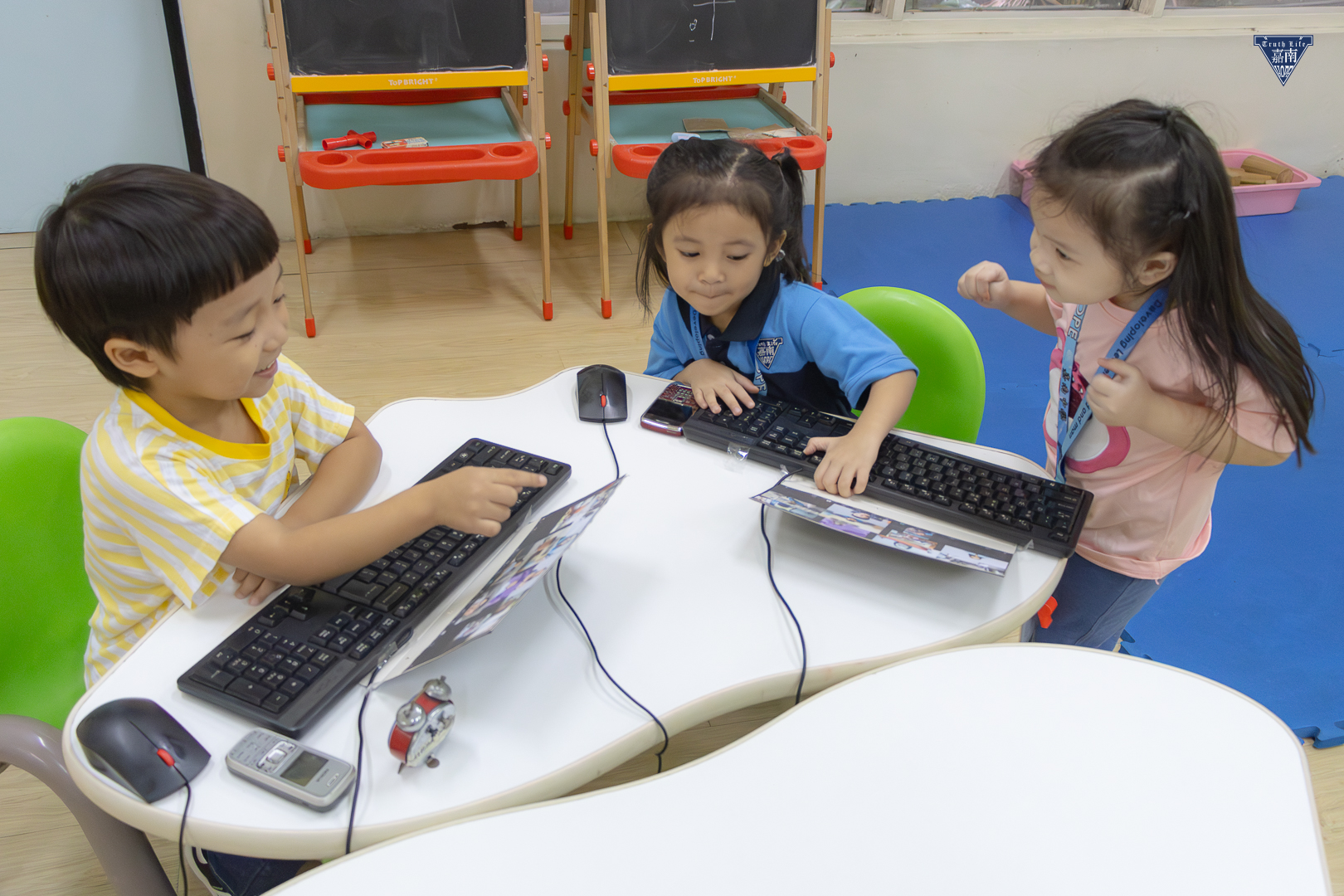
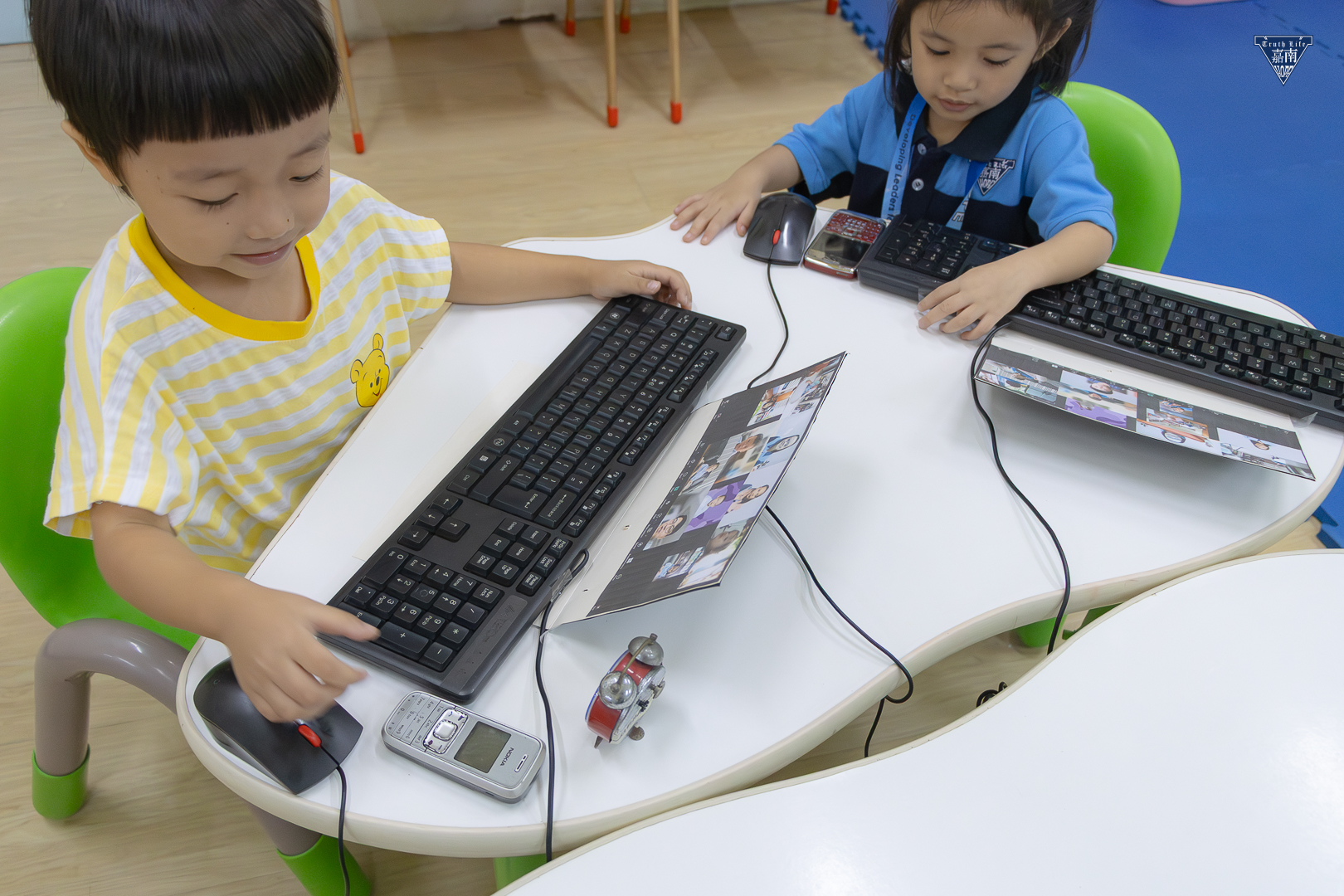
Preschool STEAM Week Activities
From Waste to Wonder: Elementary STEAM Activities
Challenge accepted!
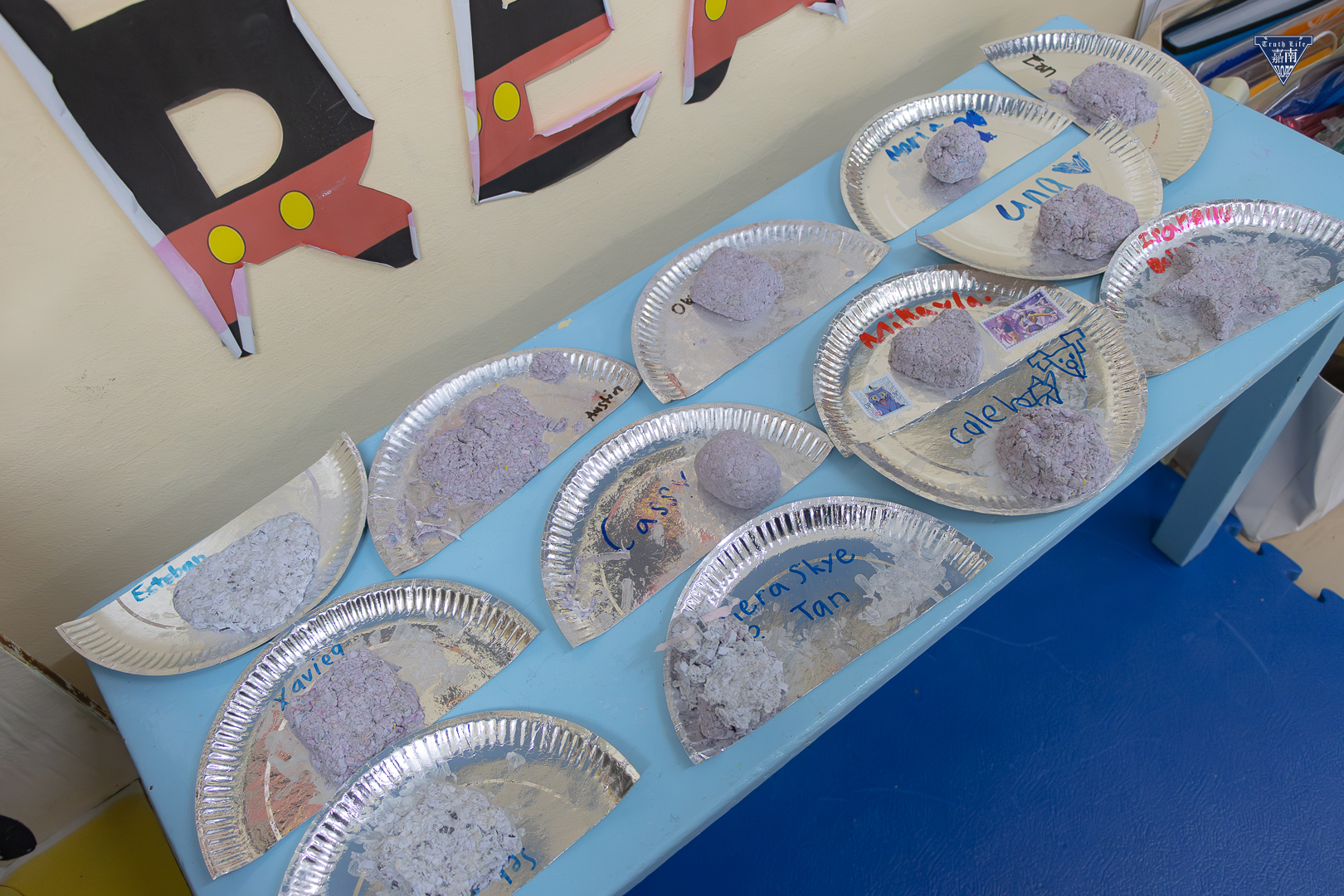
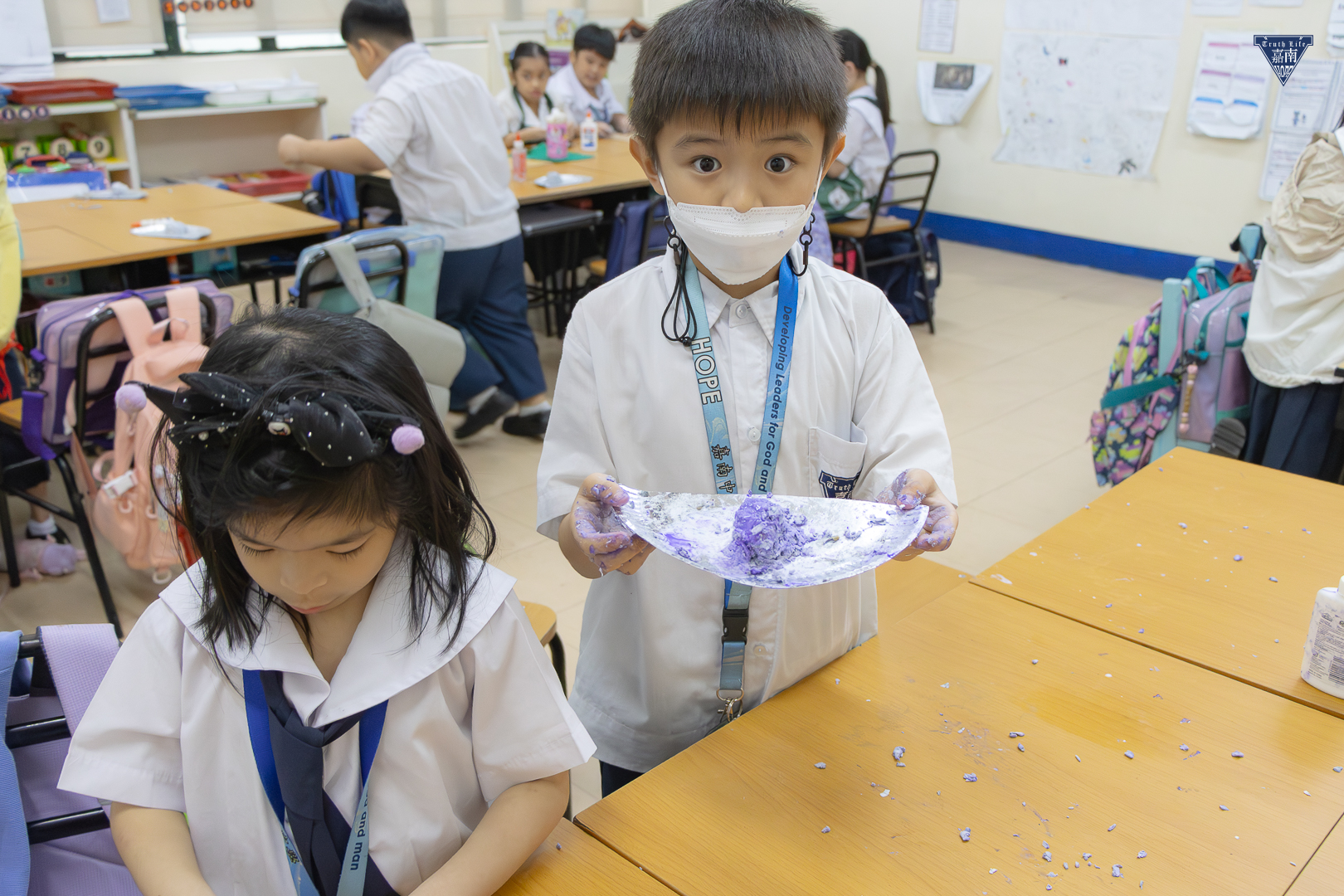
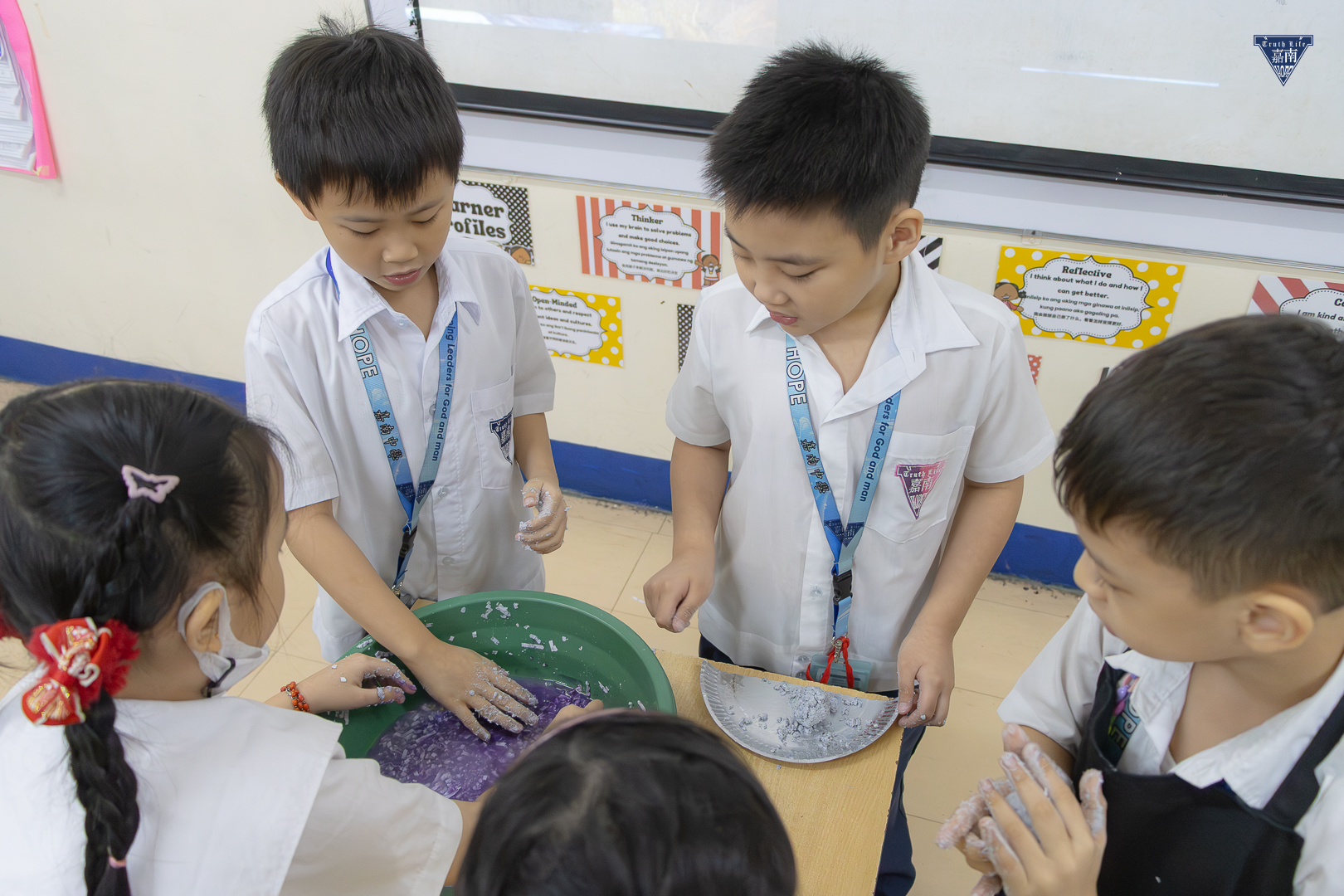
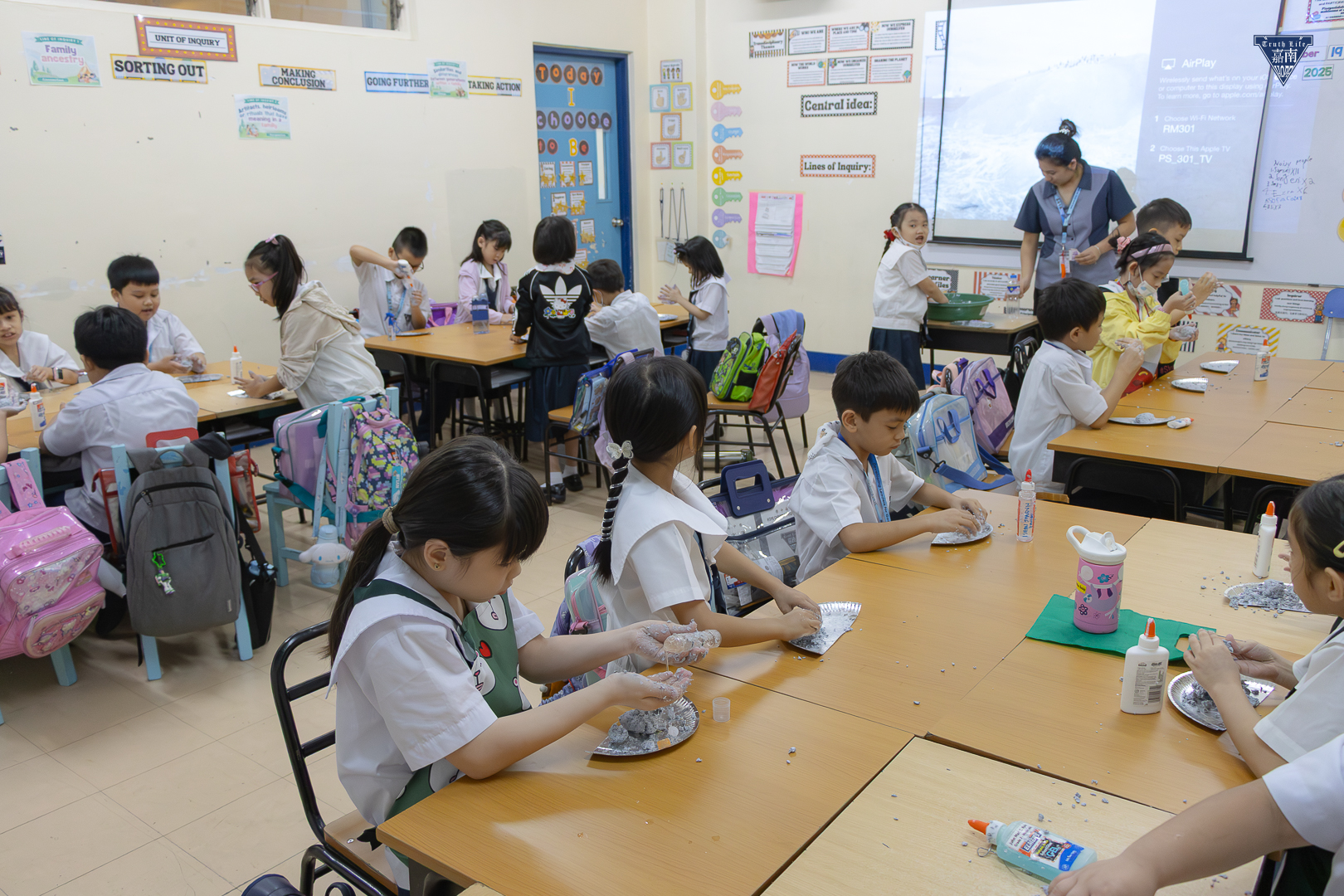
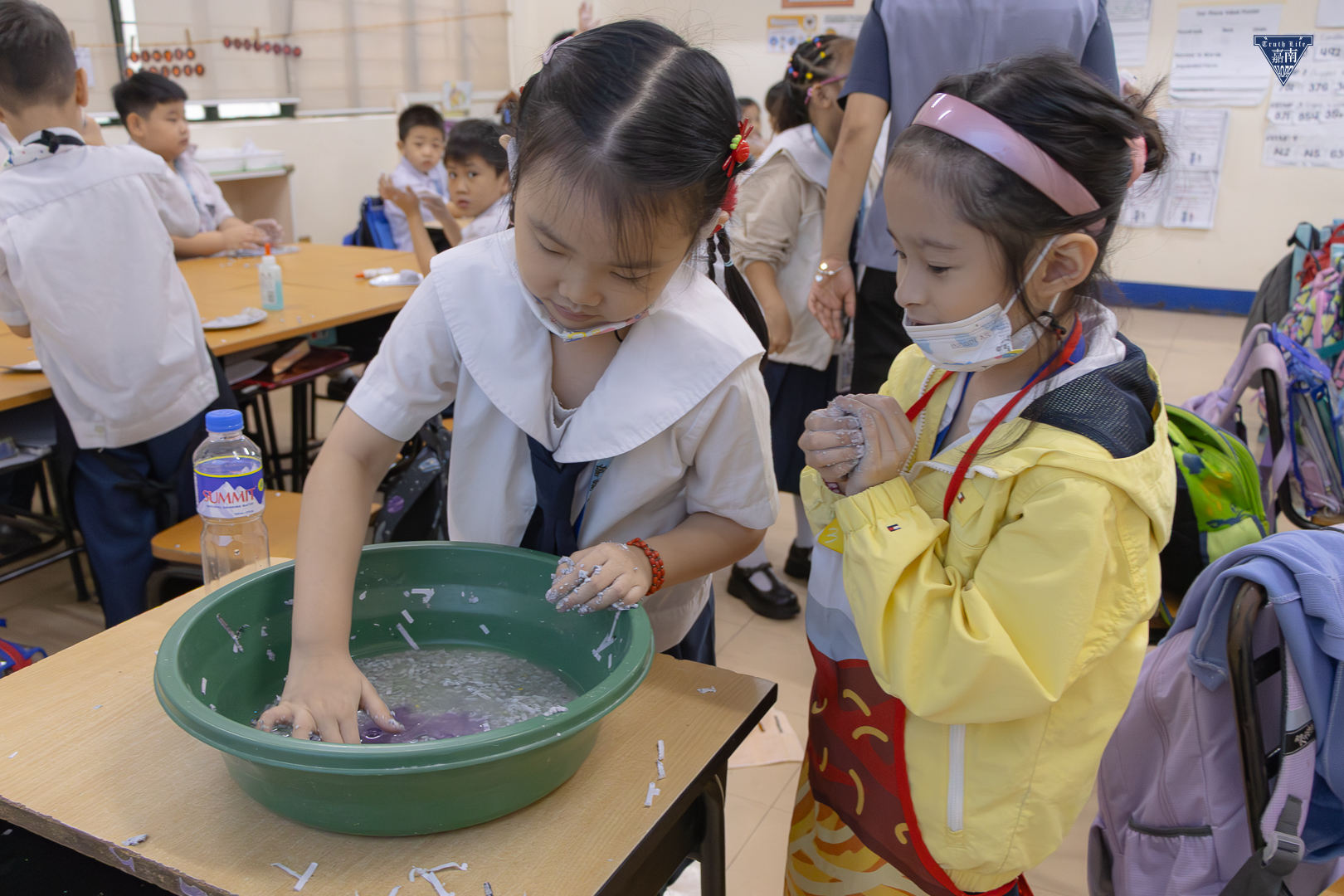
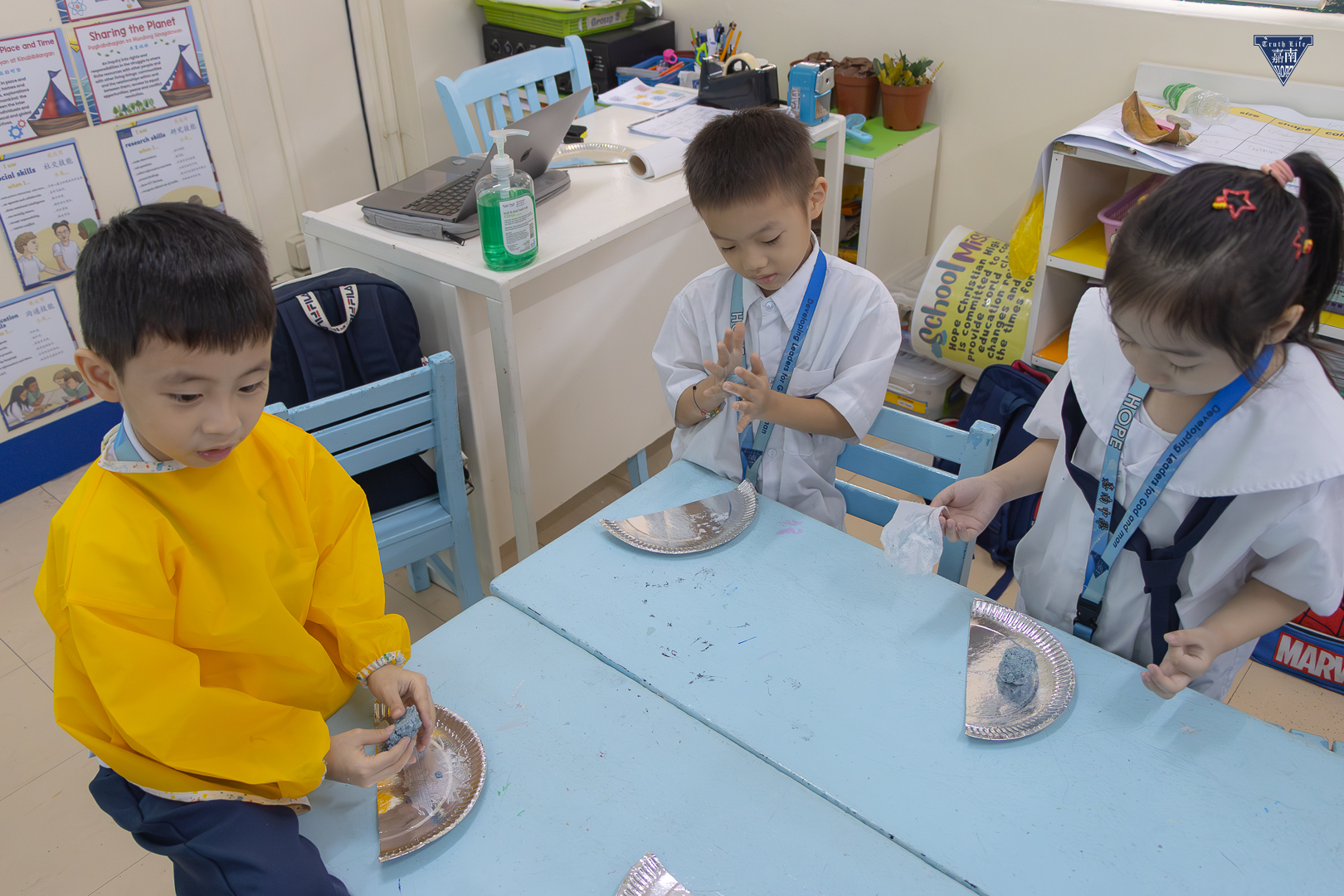
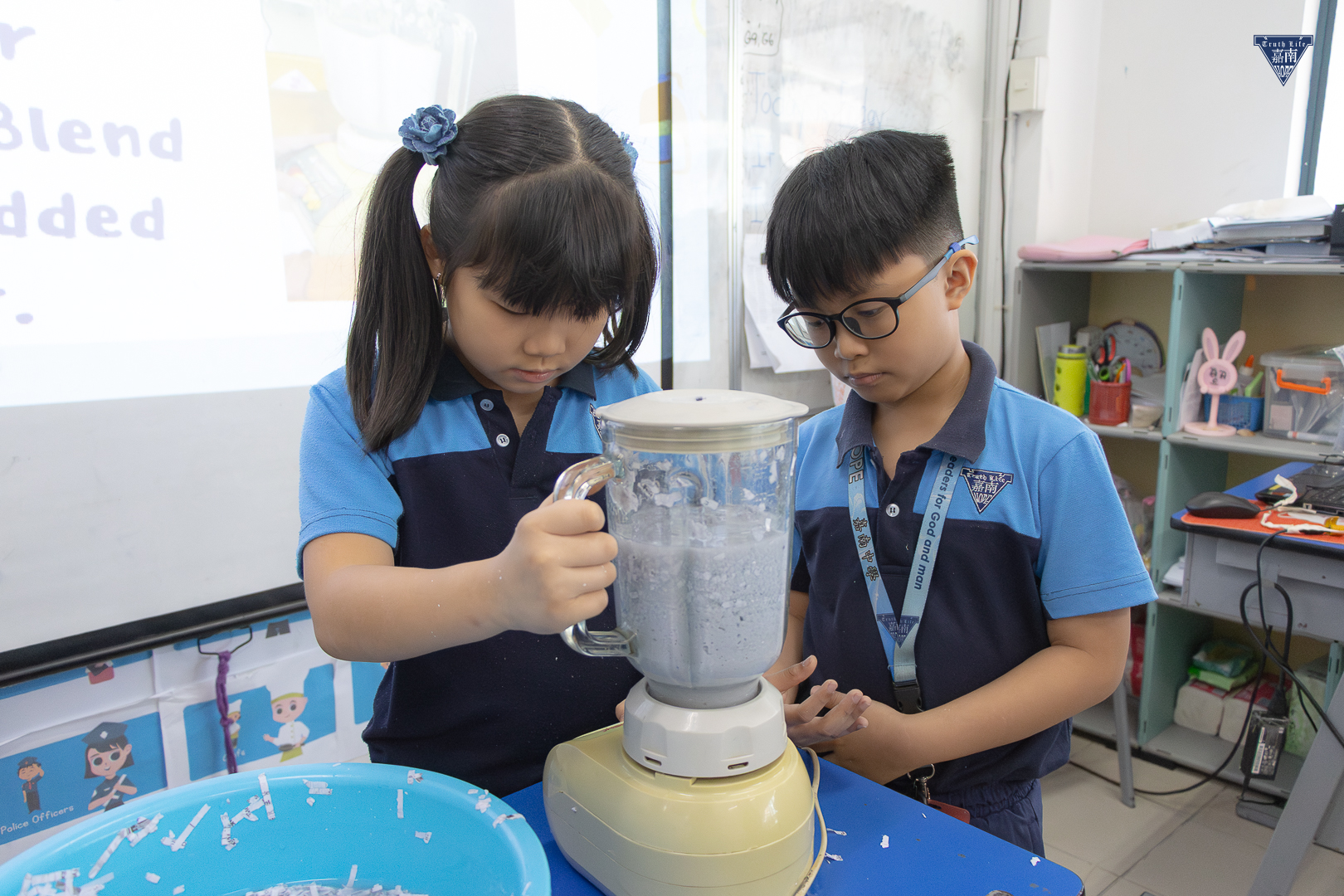
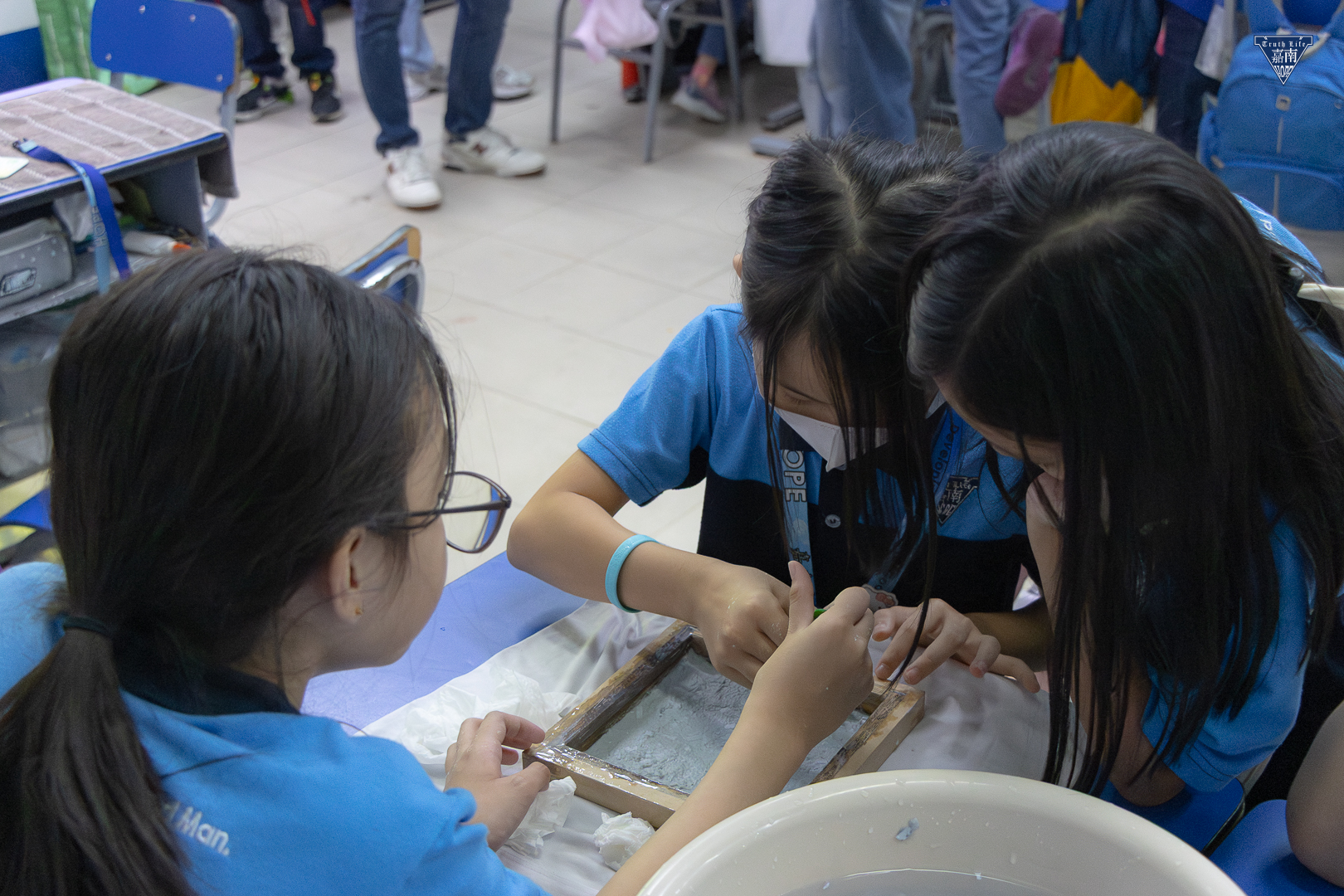
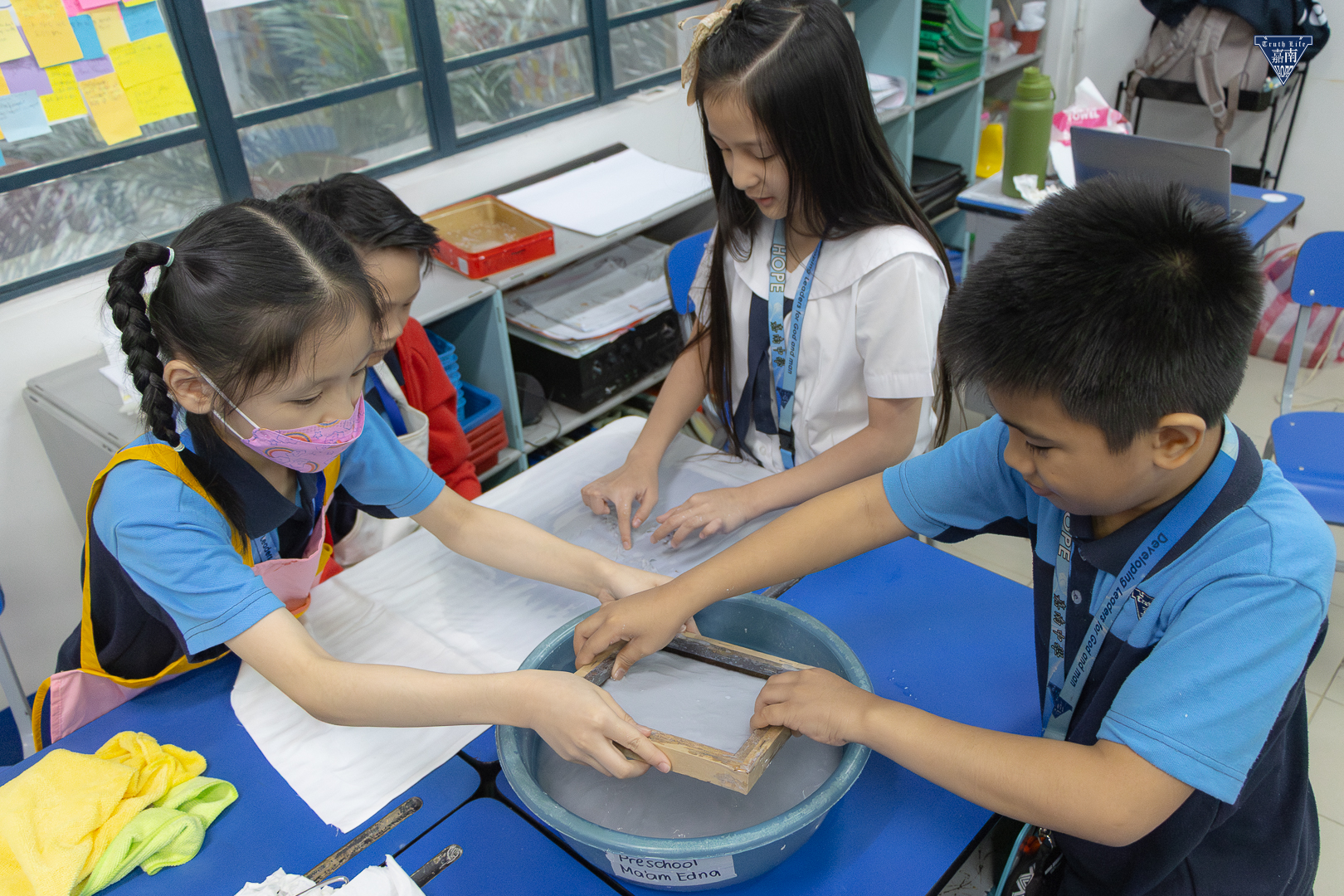
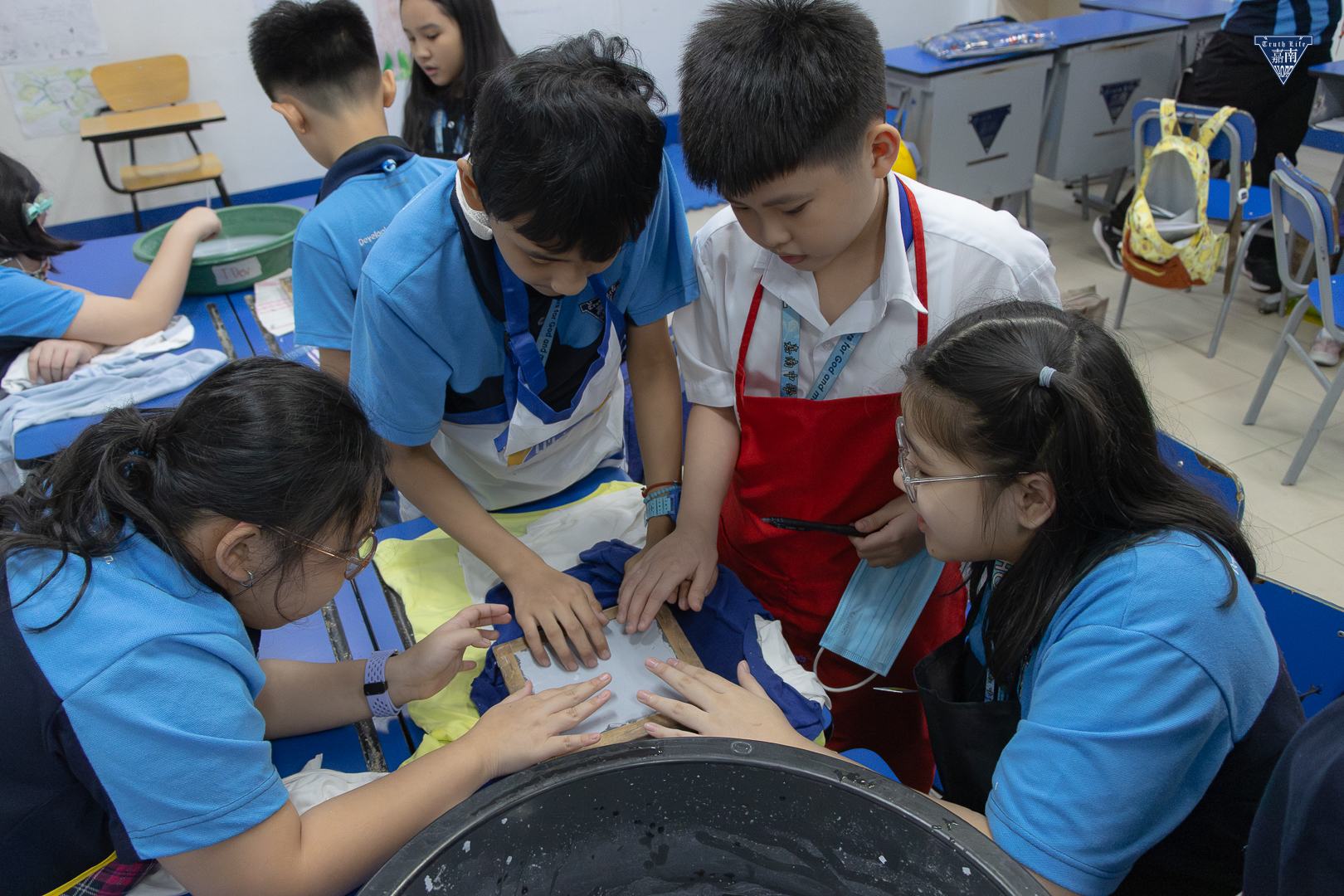
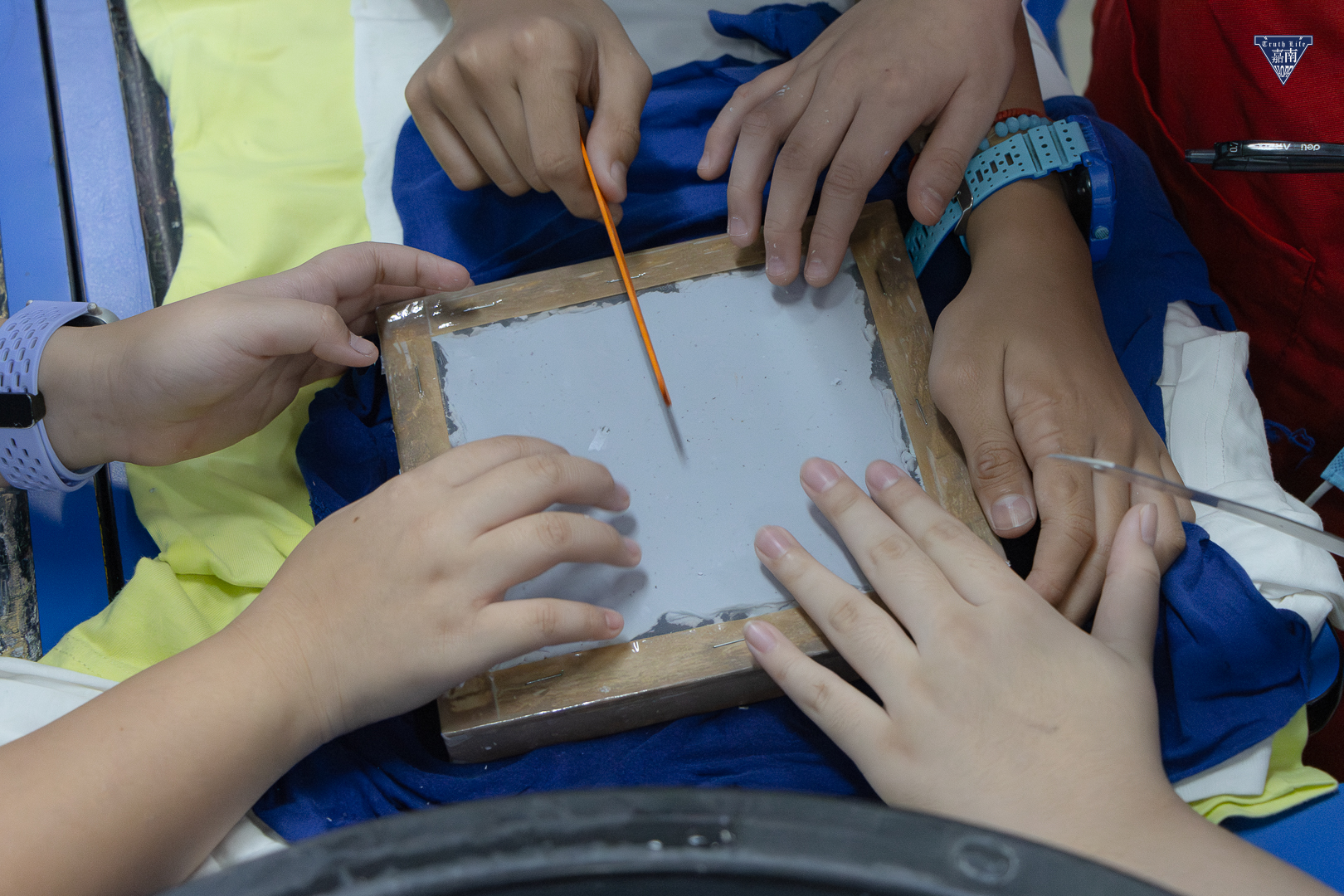
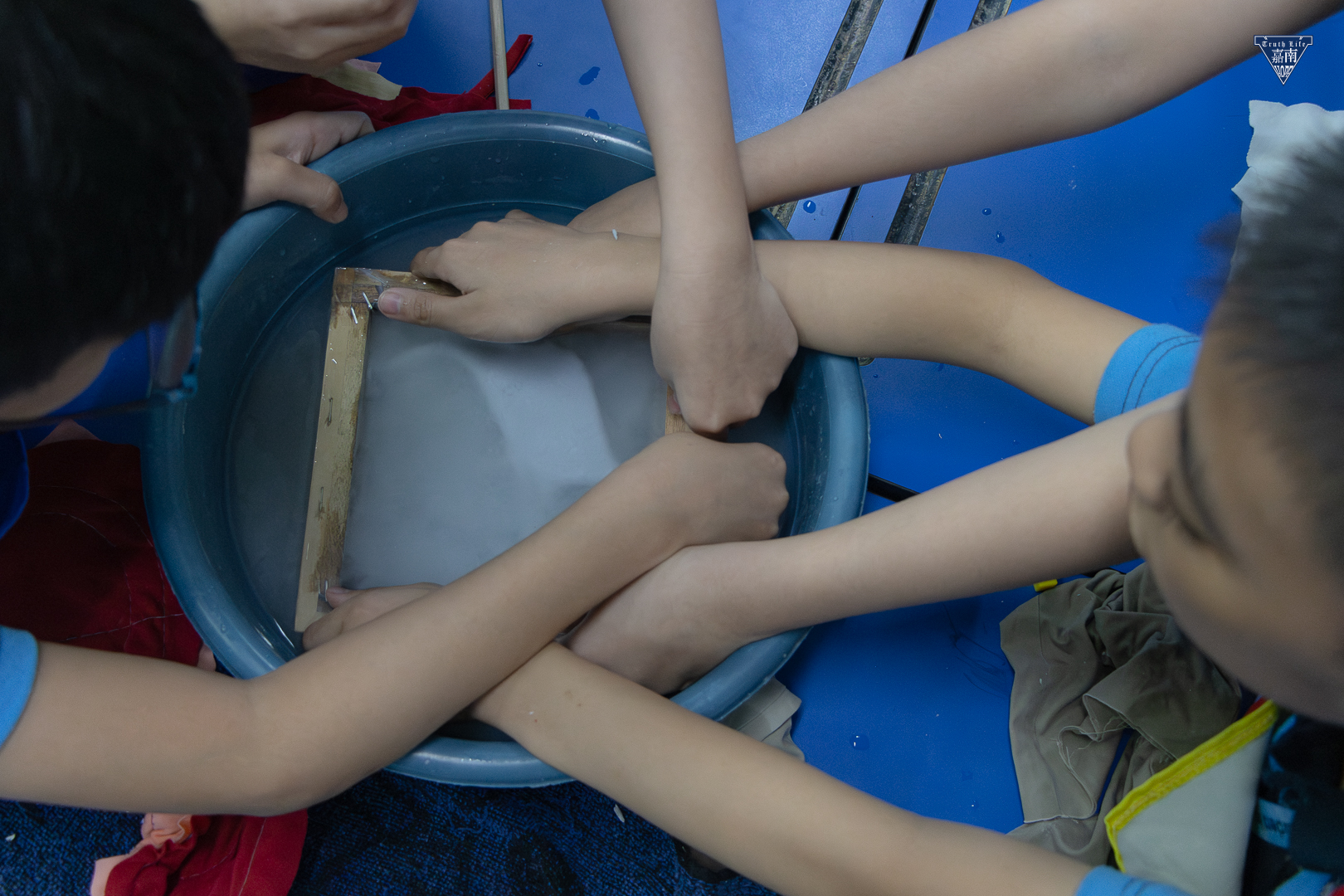
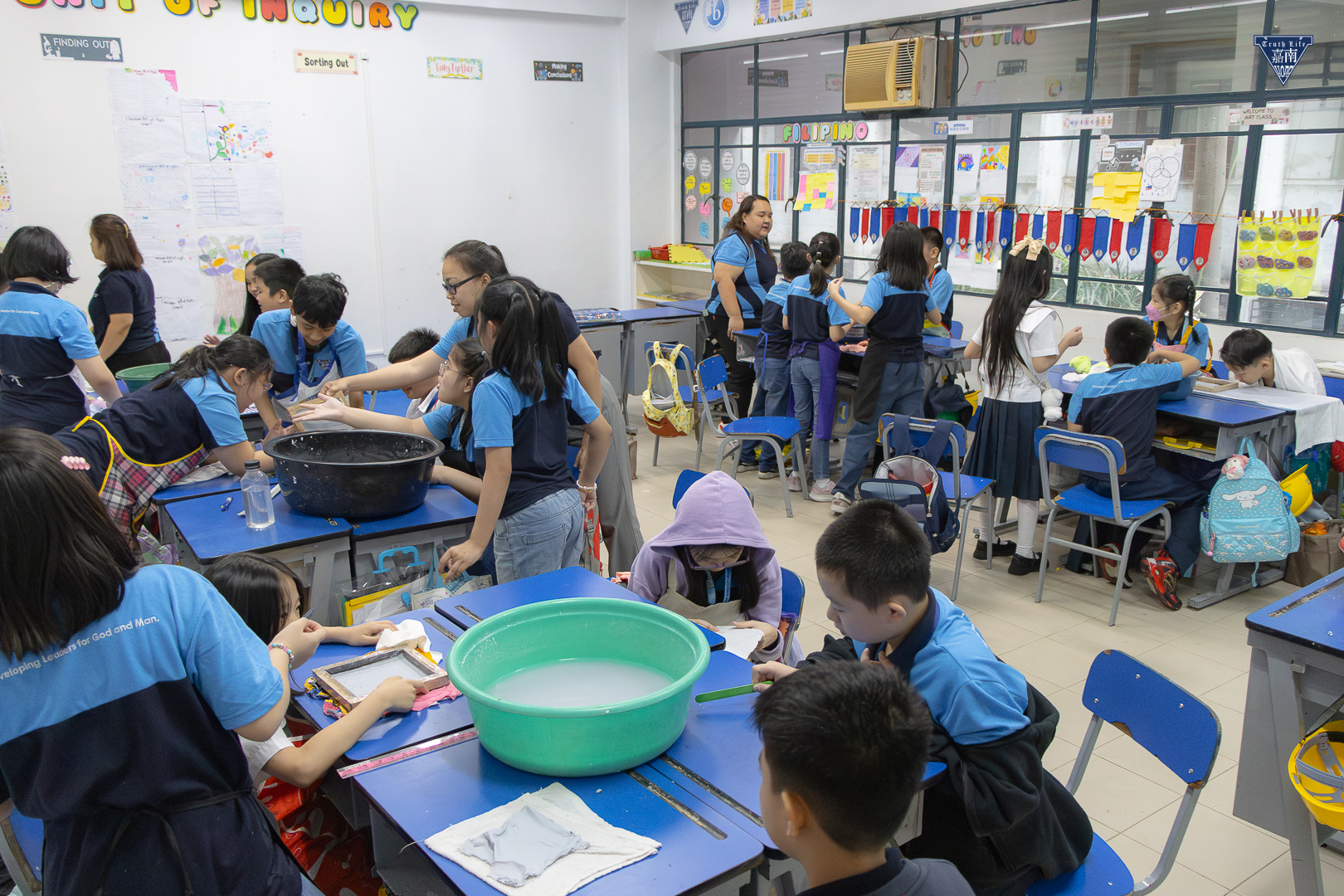
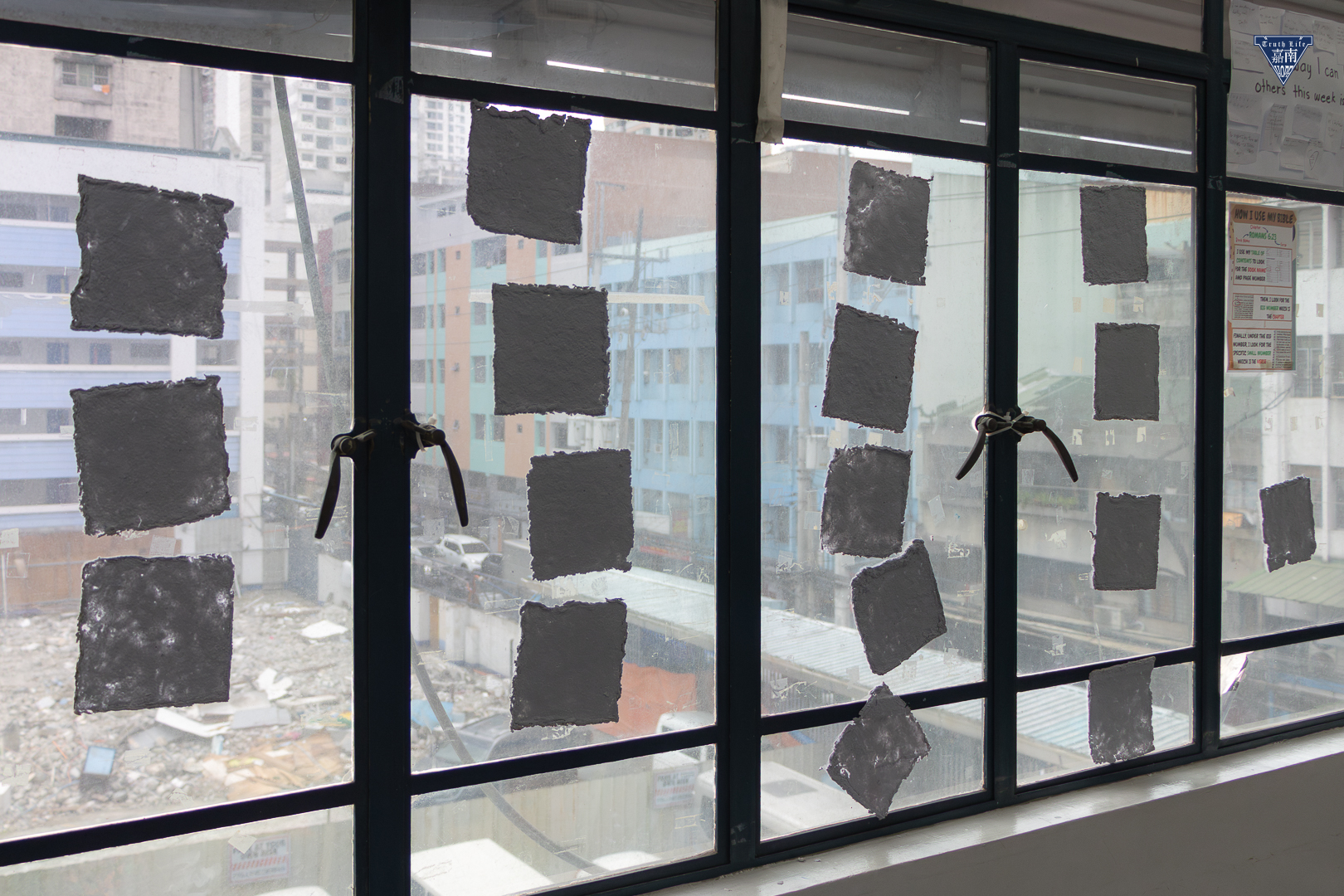
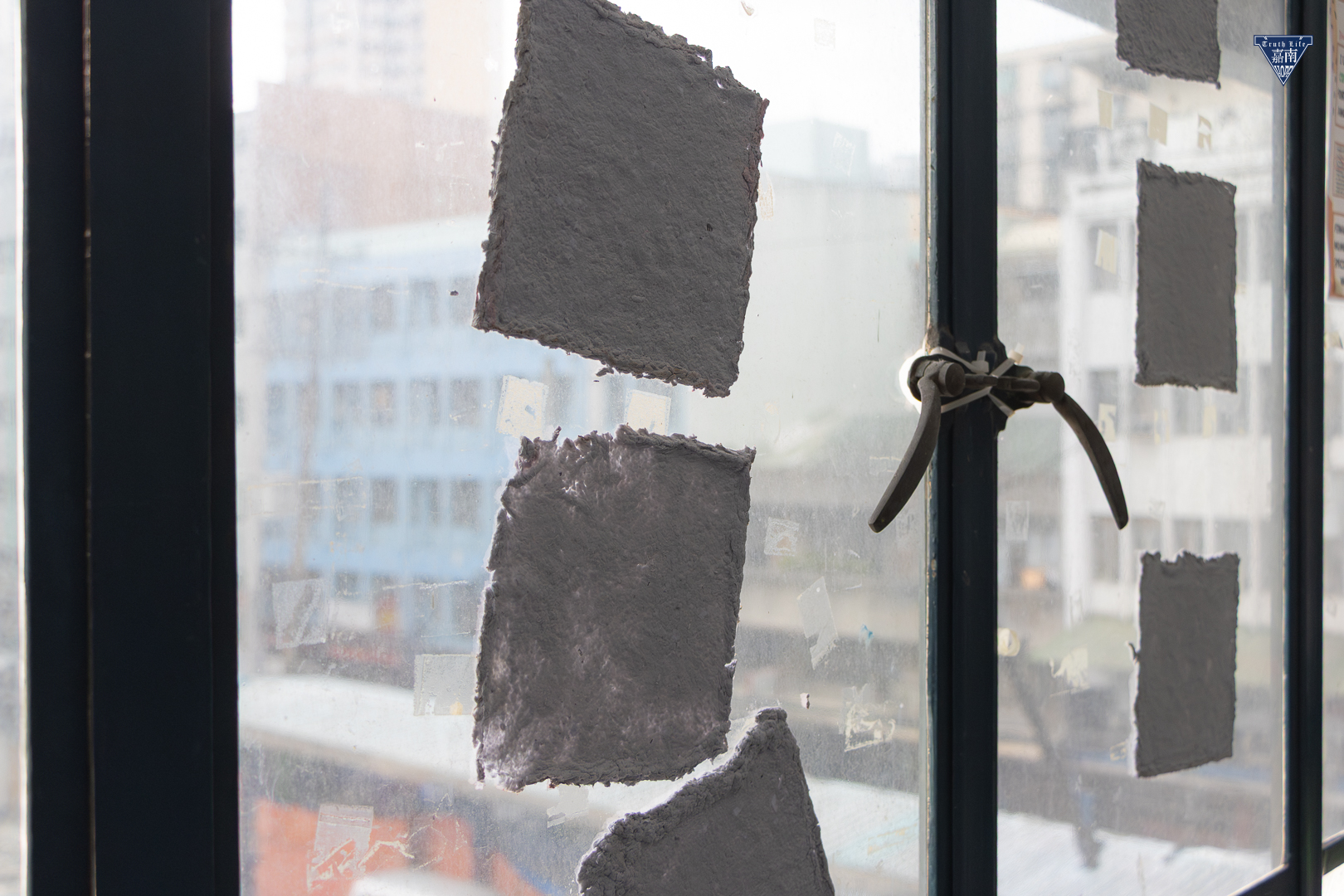
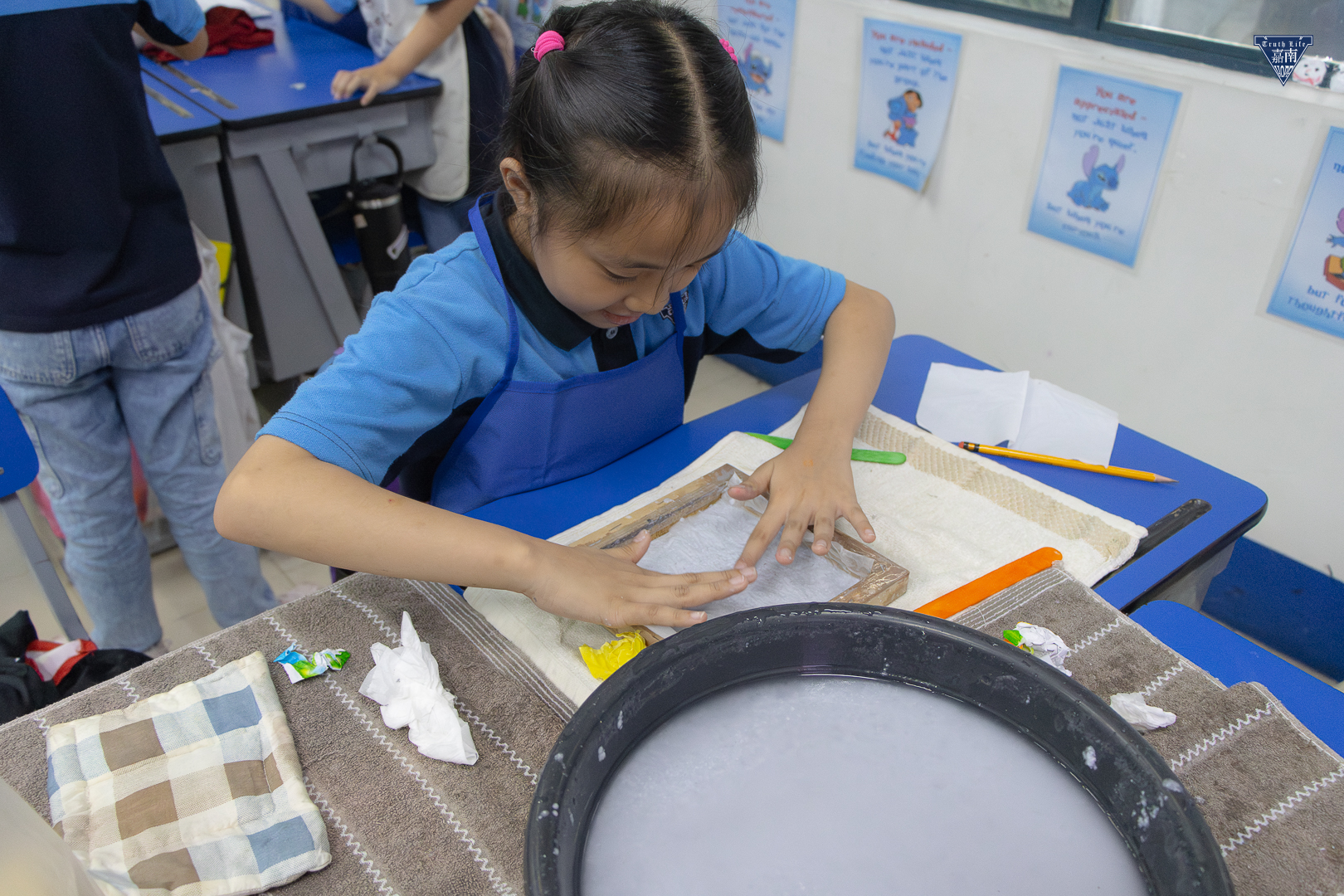
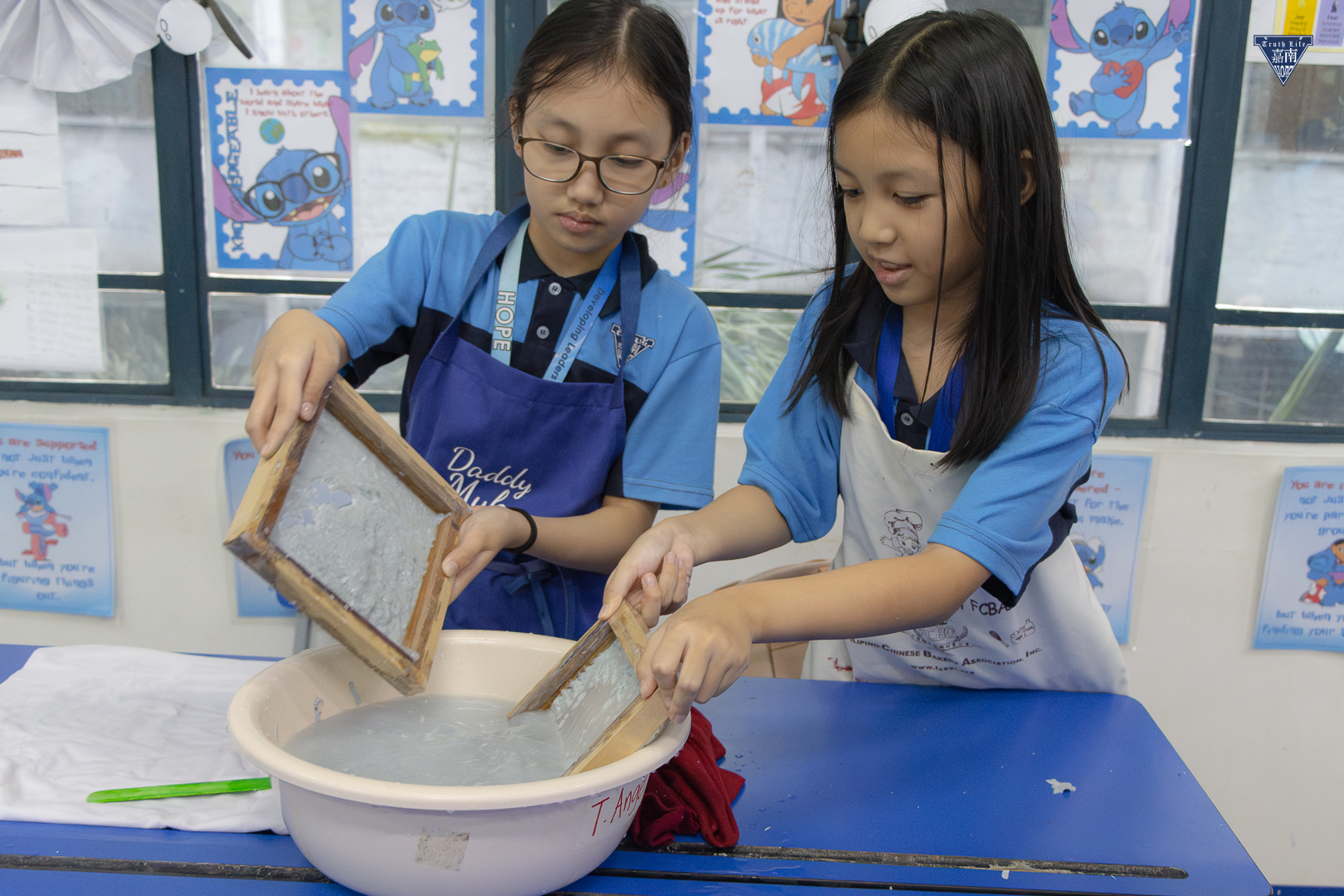
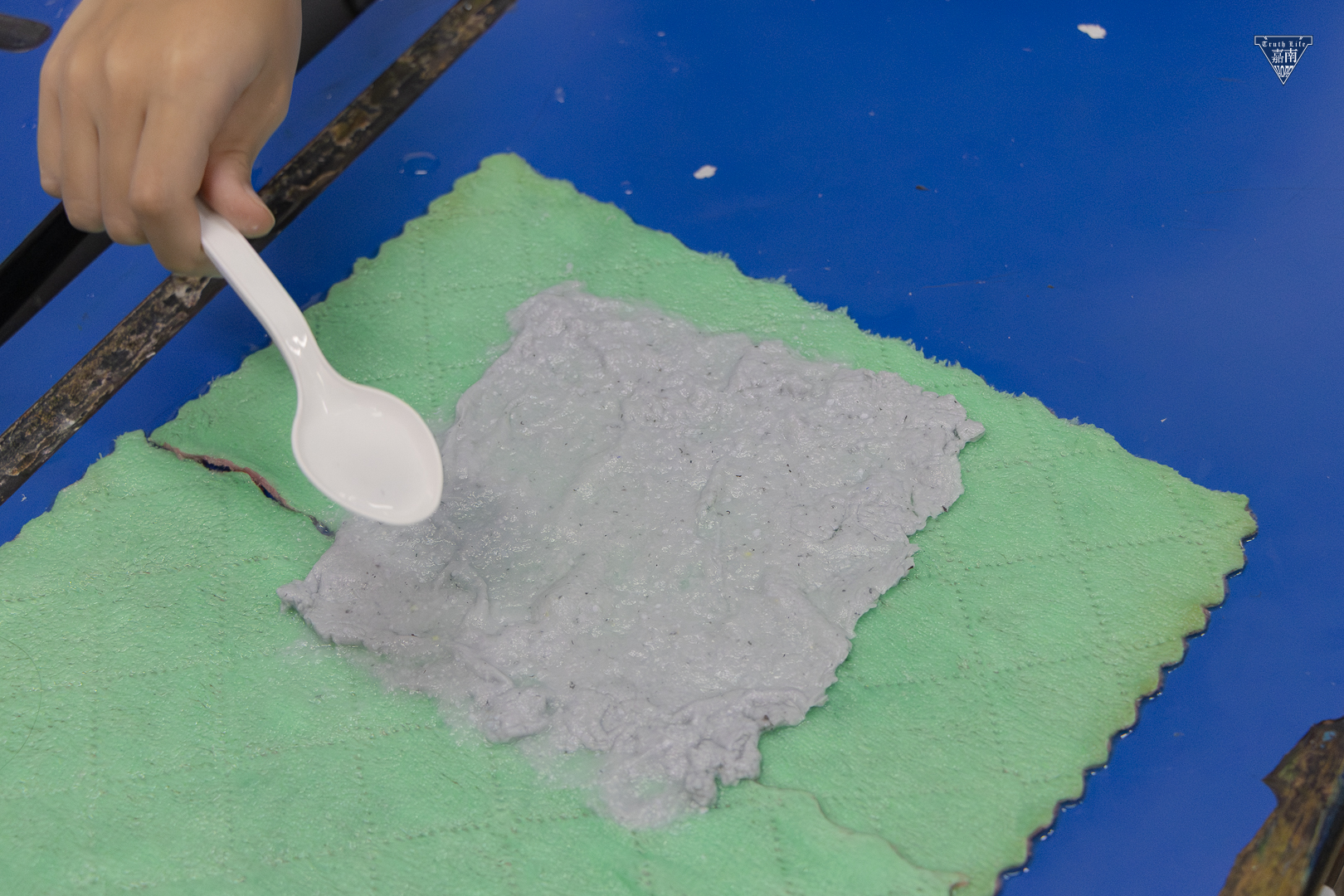
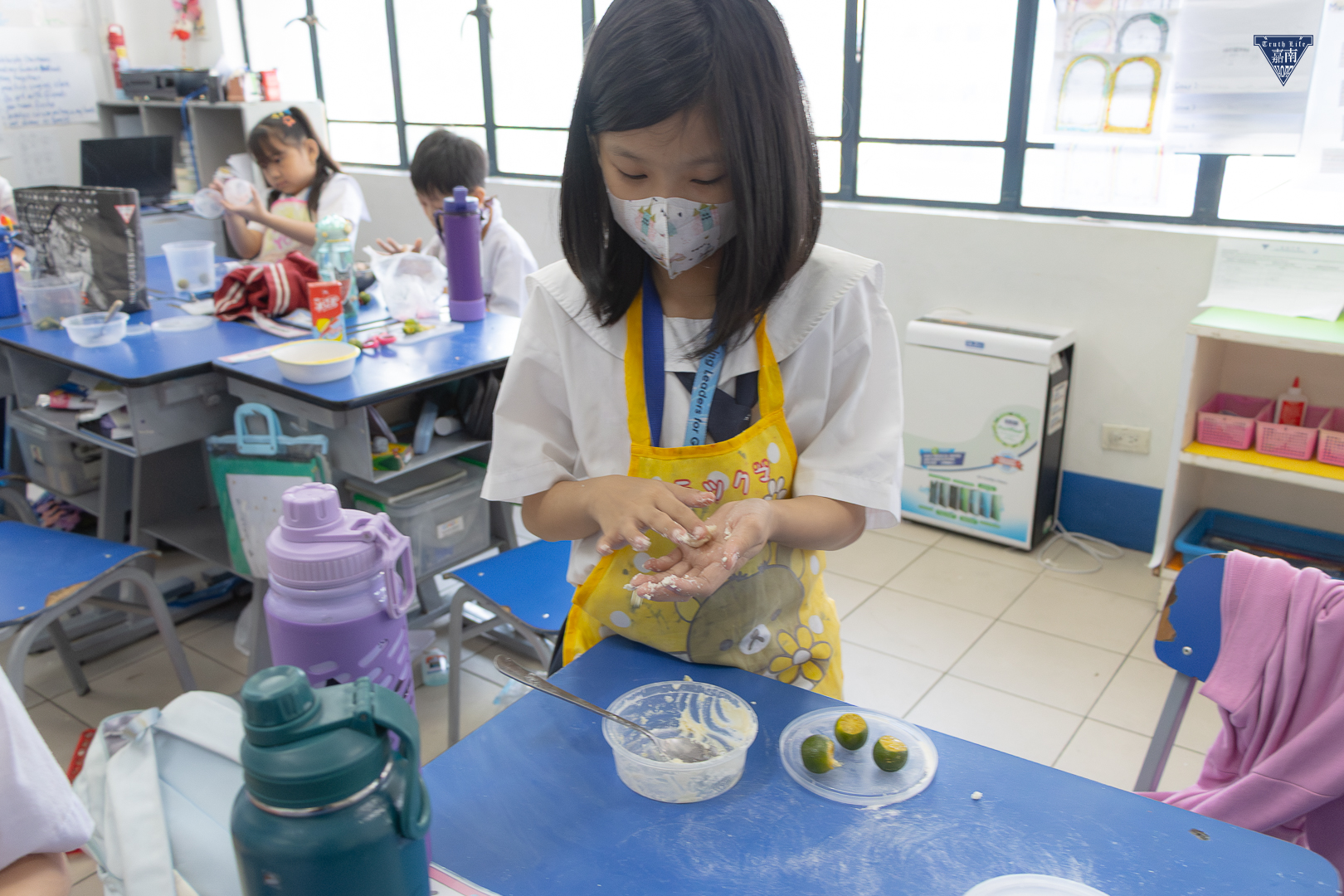
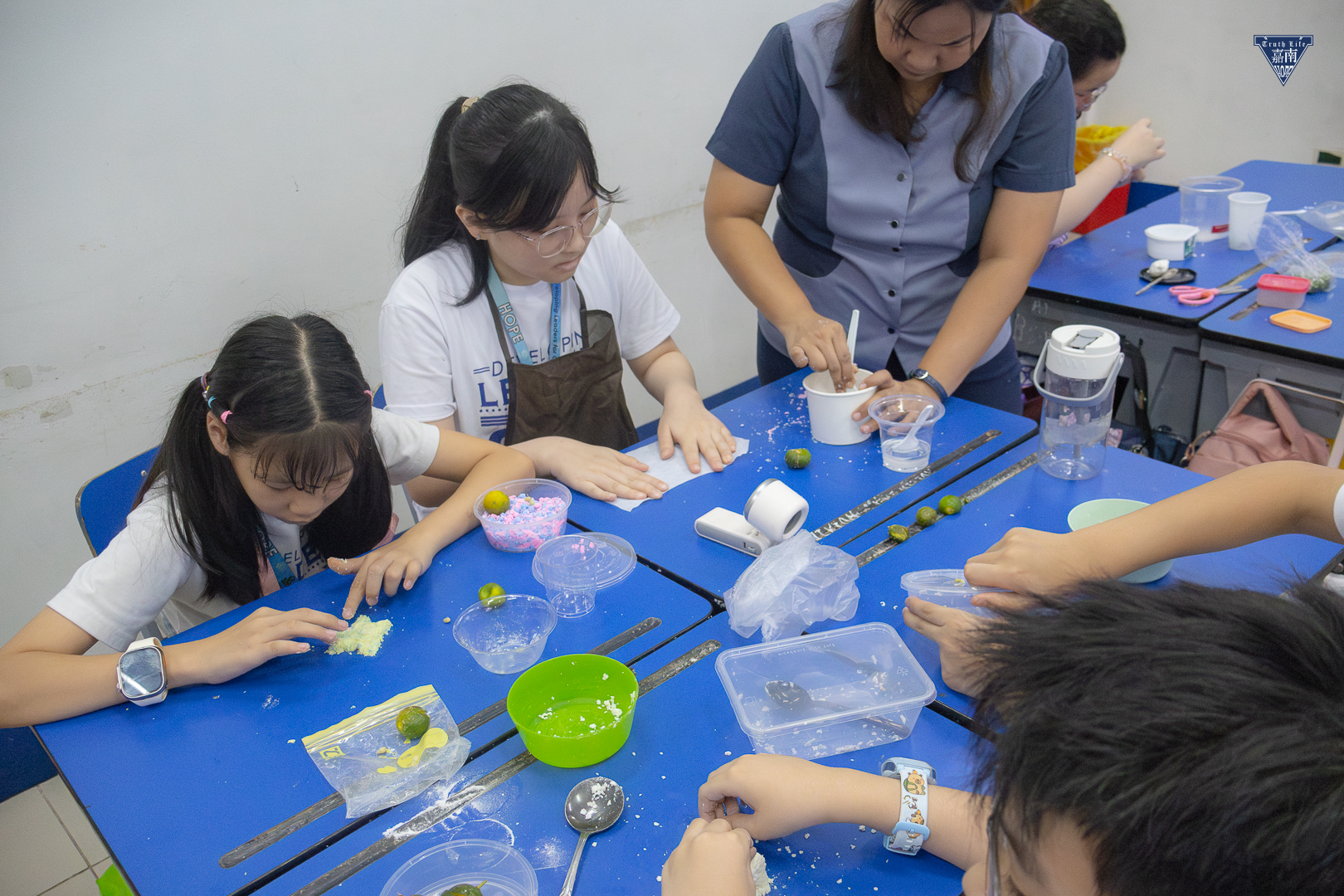
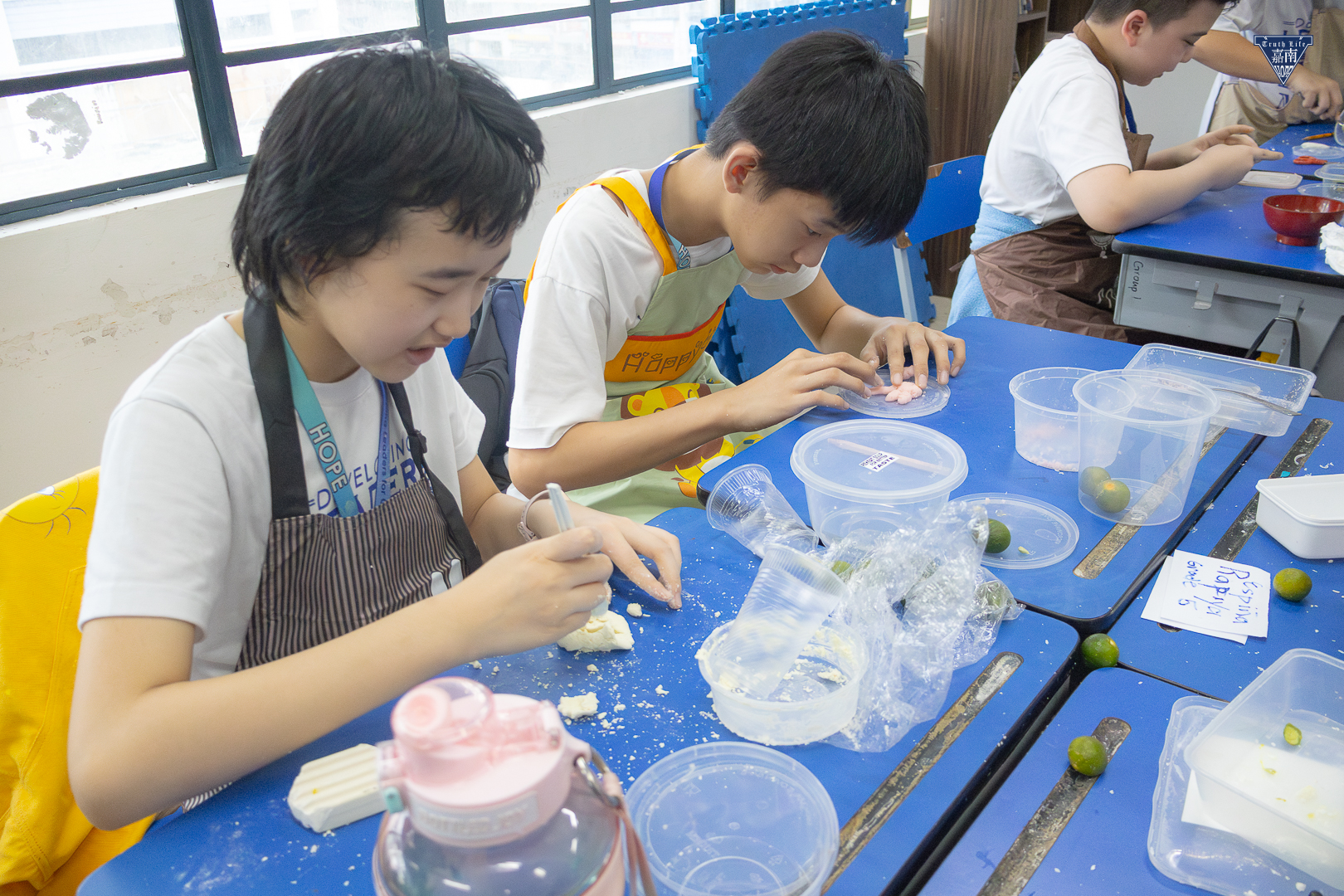
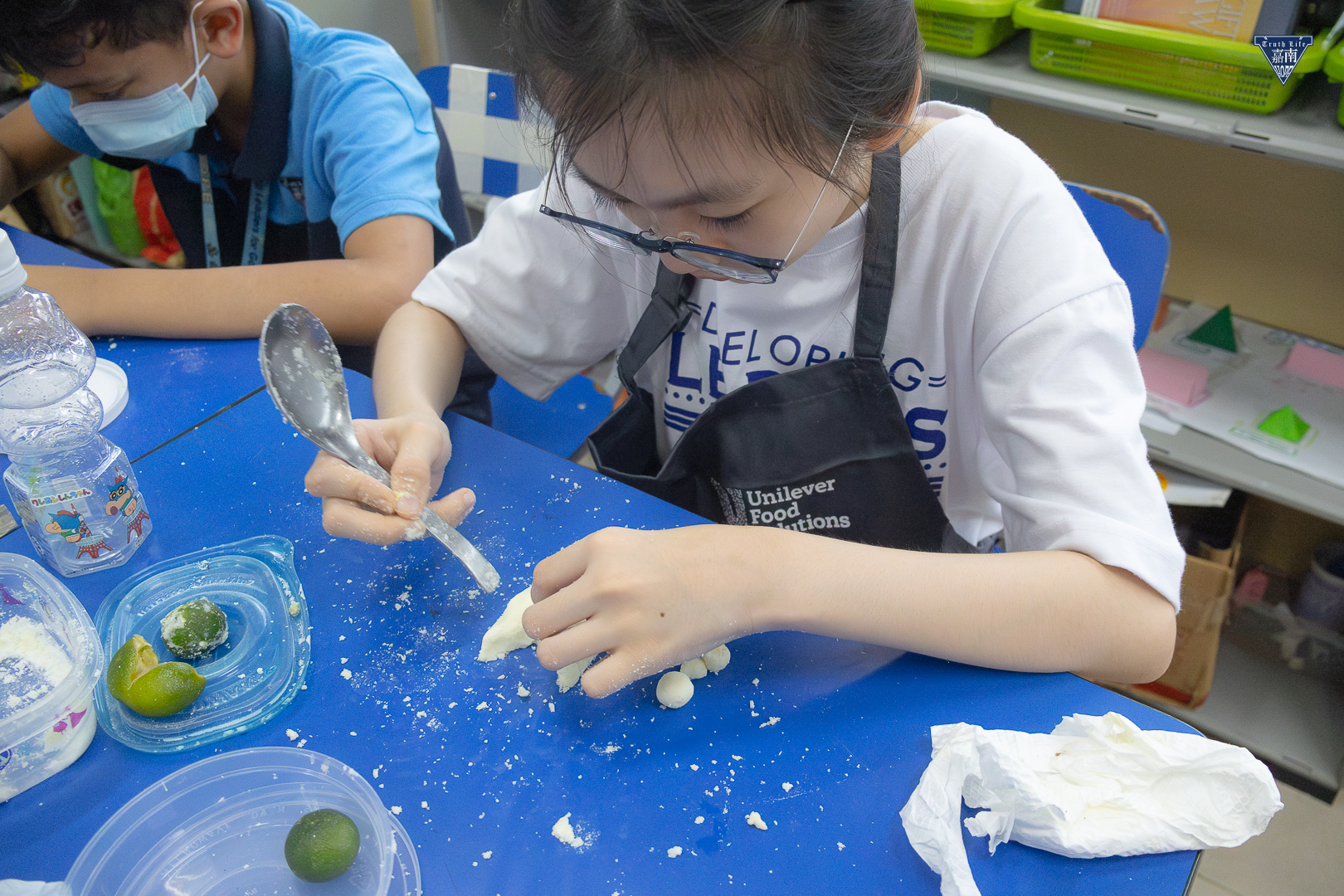
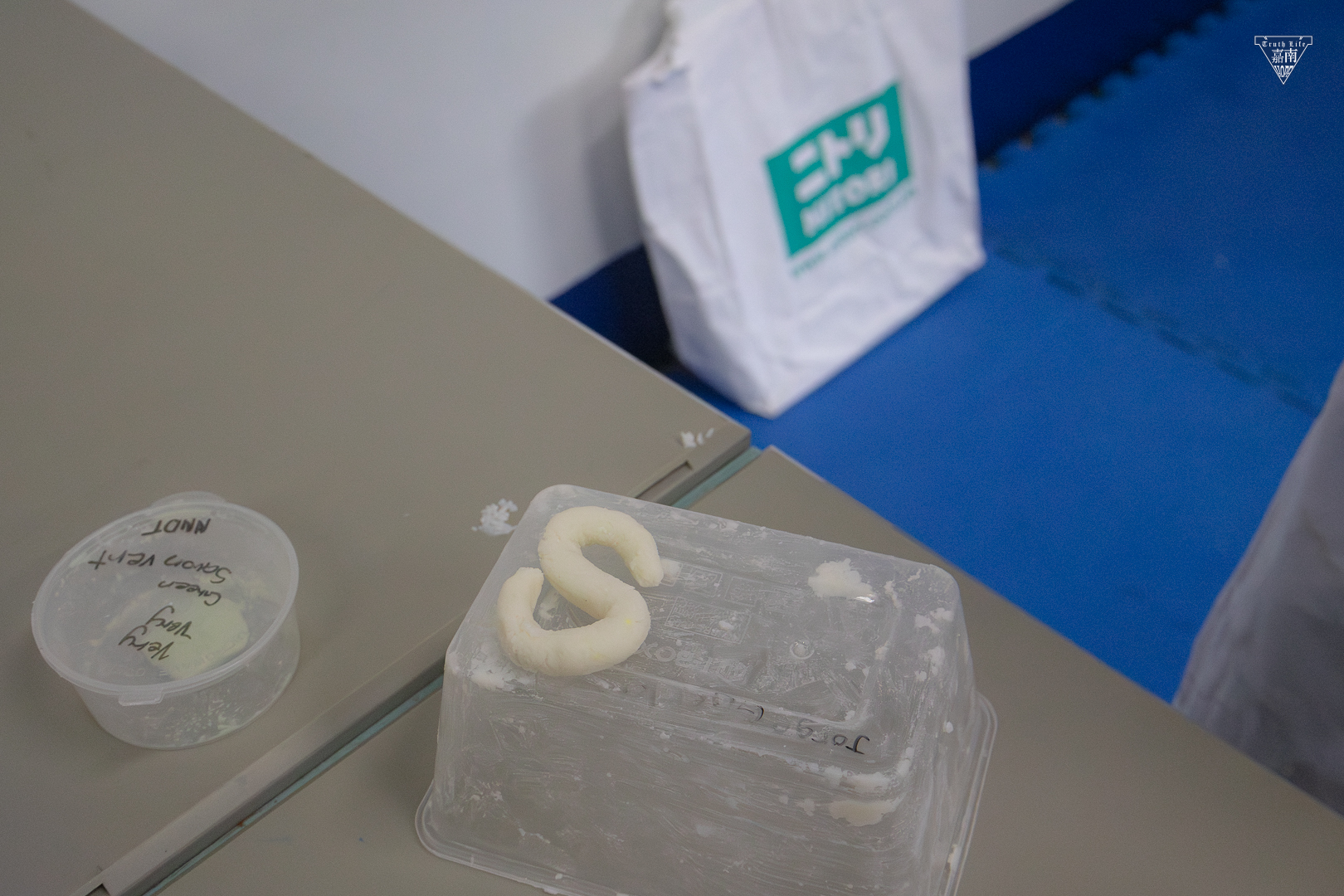
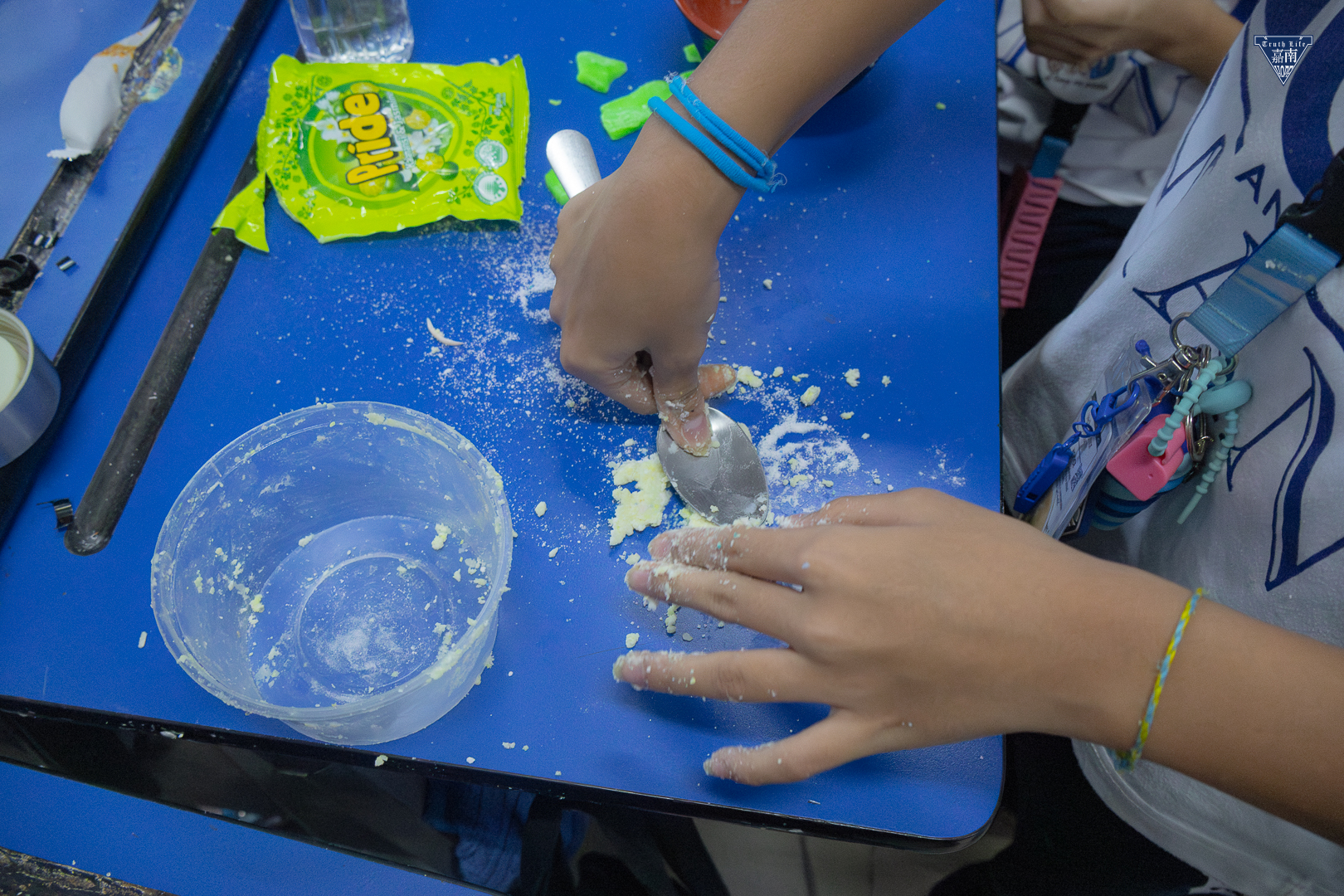
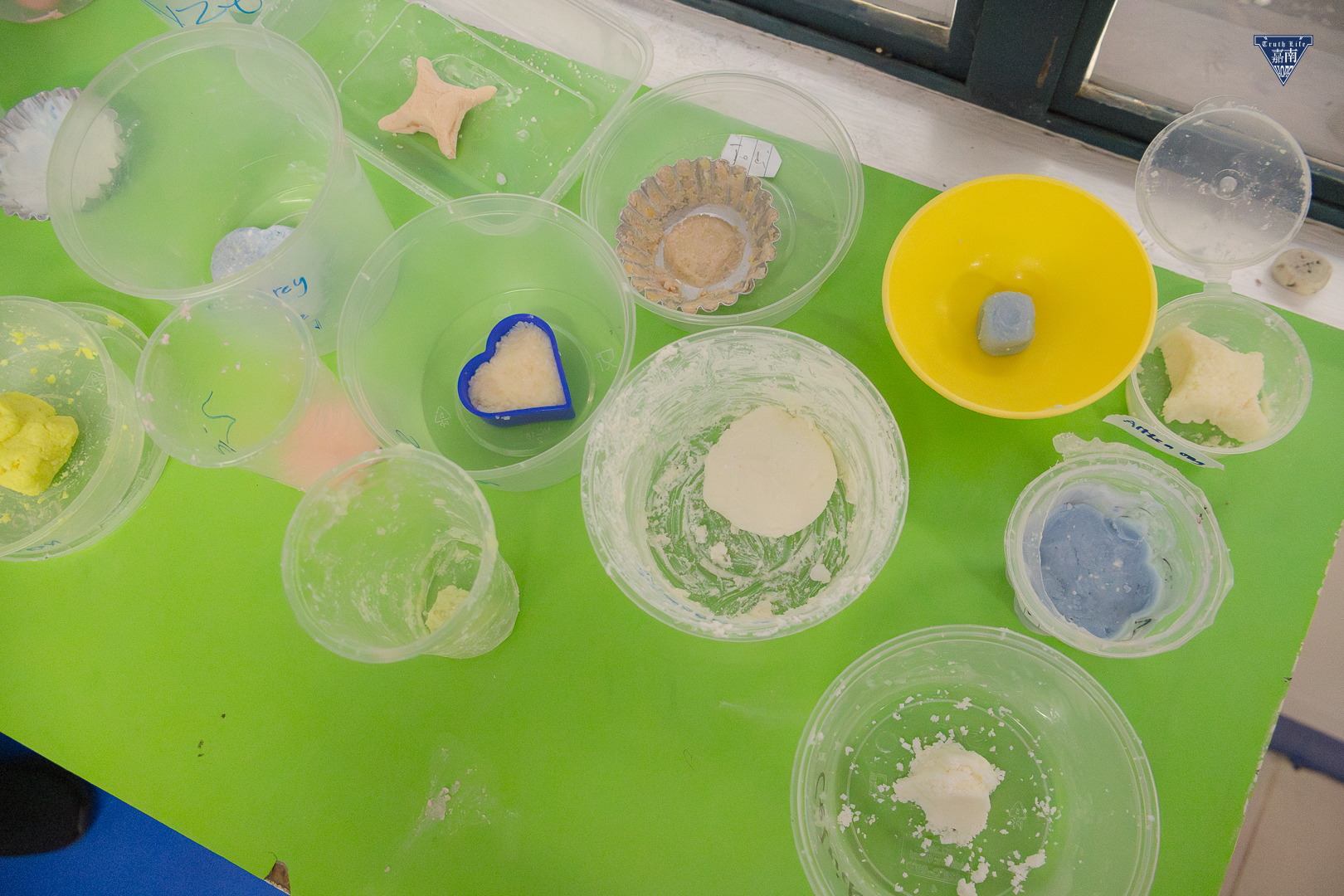
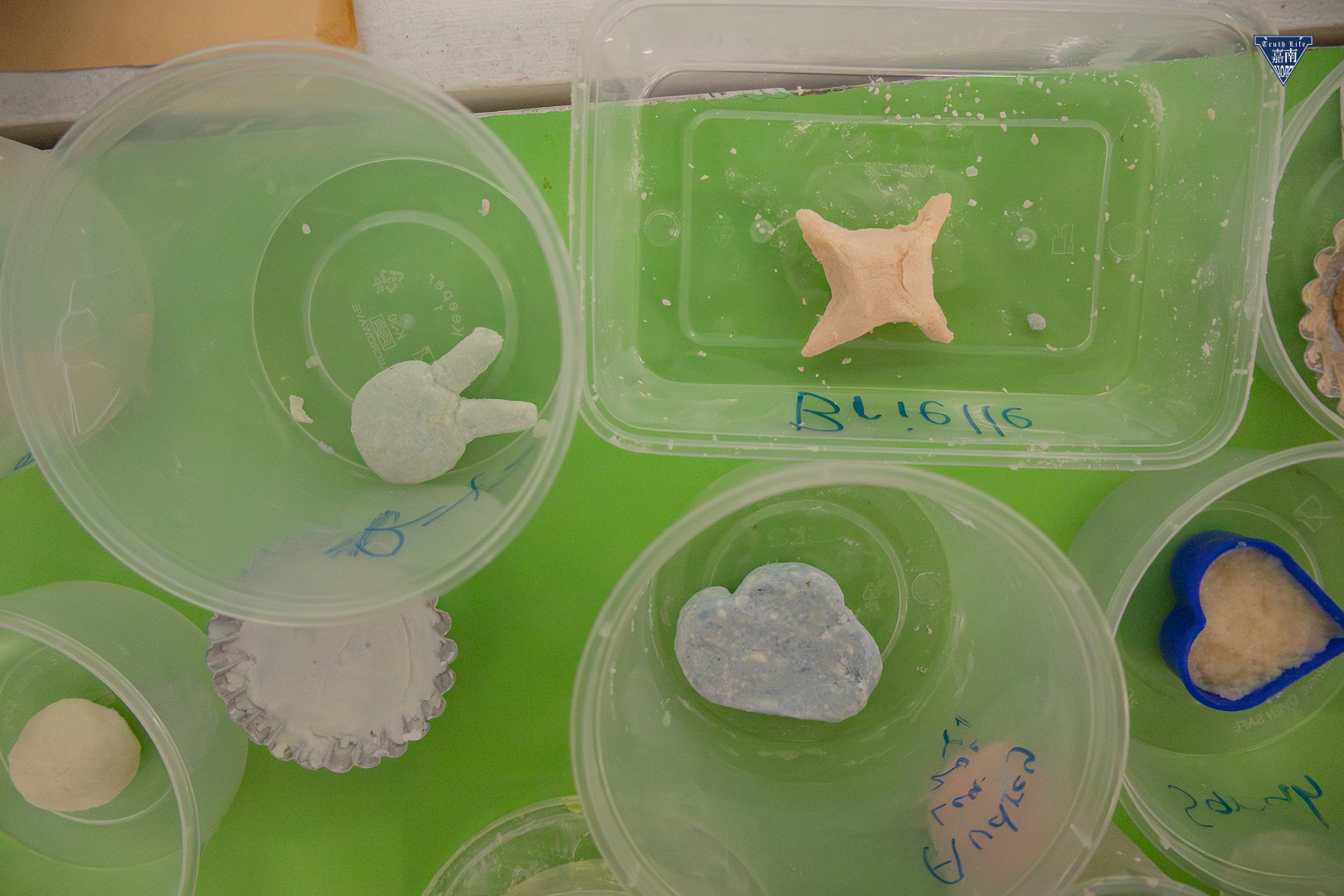
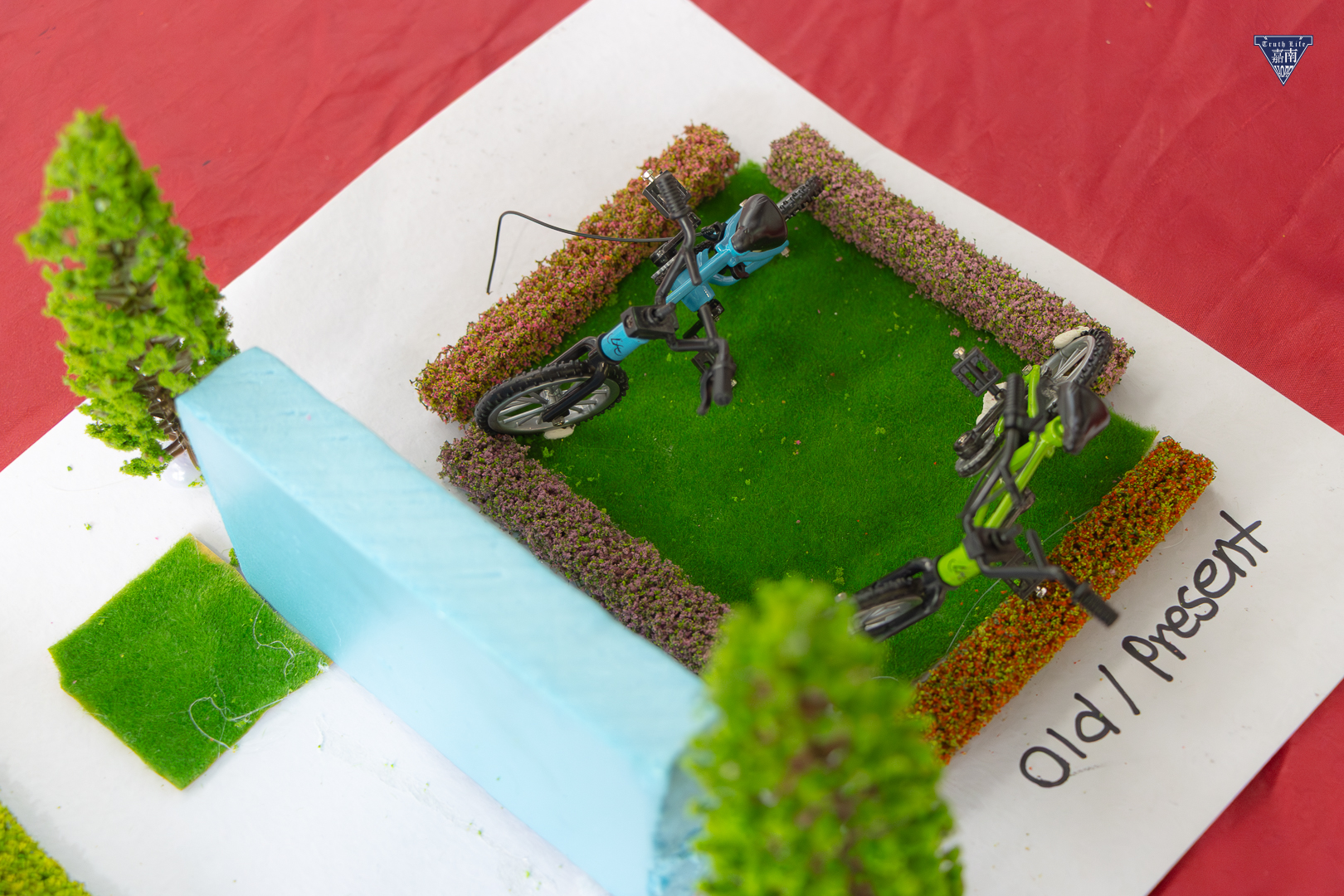
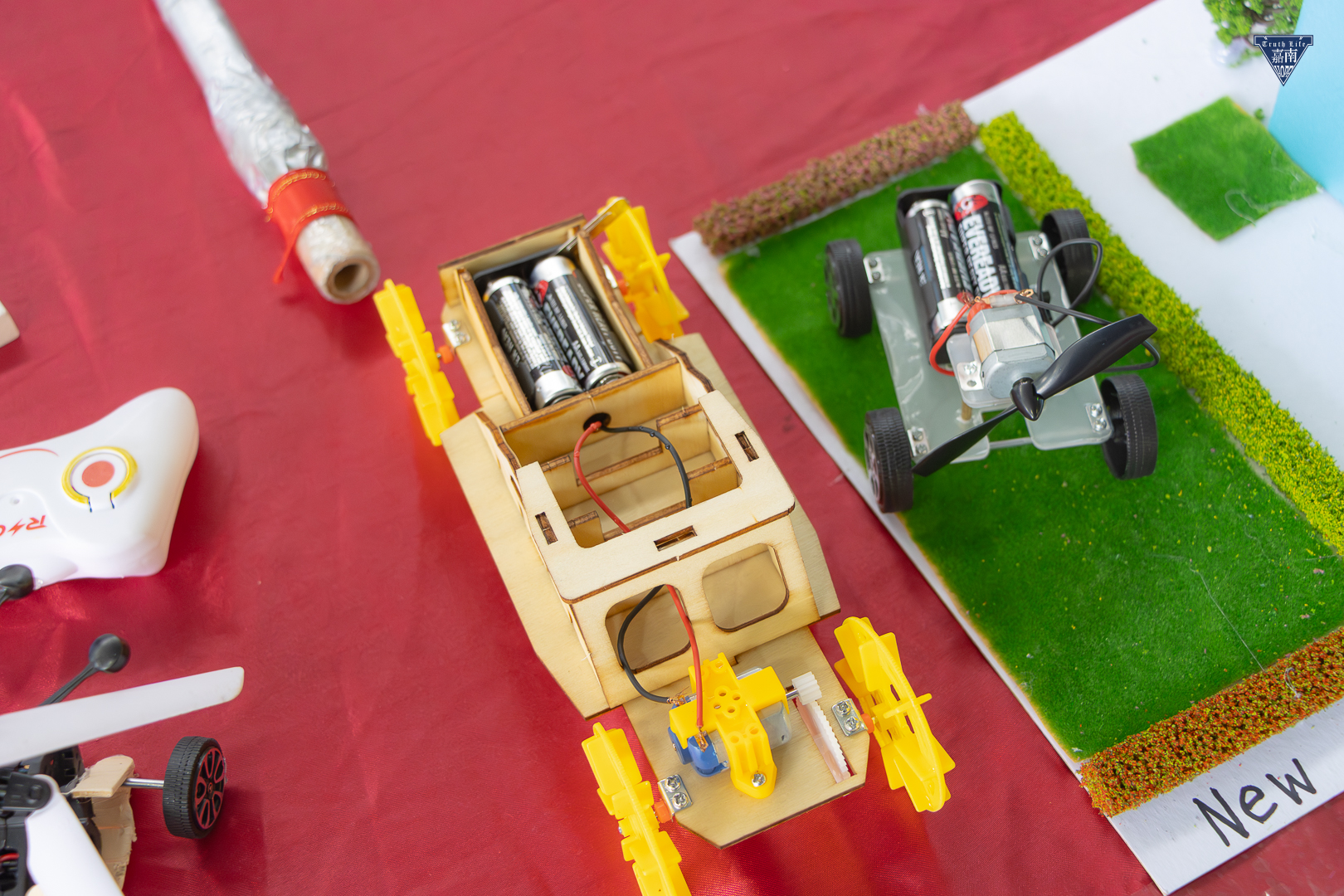
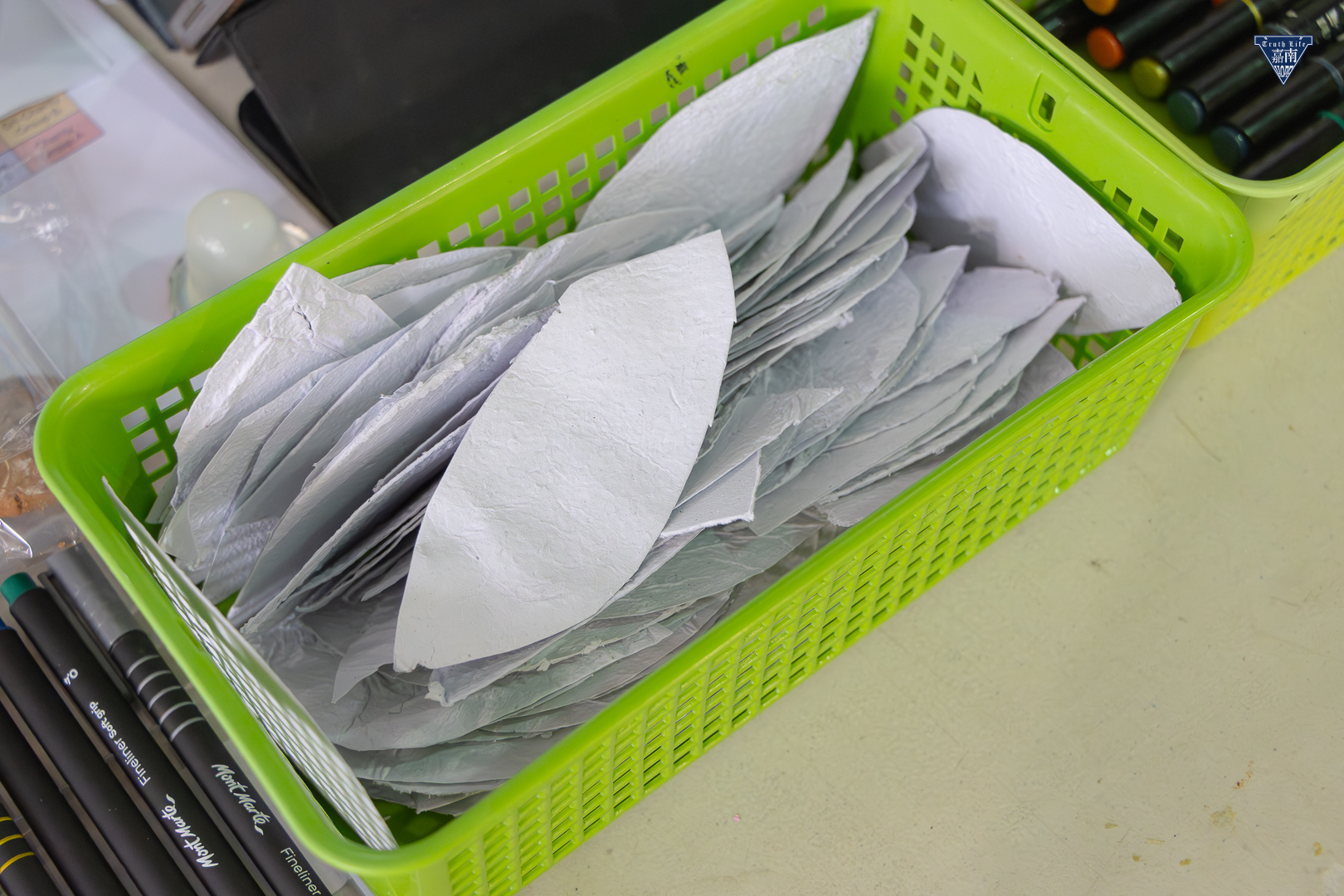
This is the mantra of the elementary students as they heed the challenge to transform waste into sustainable creations, truly embodying the 3Rs: Reduce, Reuse, Recycle. The Lower Primary students are not alchemists, but they practically turned paper into clay. Recycled paper was blended with flour and glue and molded into eco-friendly clay. The students formed the upcycled clay into various shapes, animals, letters and numbers. Meanwhile, the Upper Primary students invested their time in two do-it-yourself (DIY) crafts. They made new sheets of paper out of scrap paper by soaking it in a binding mixture and straining it to dry. By mixing leftover soap with drops of calamansi and tablespoons of oil, the students made sustainable soaps that they will also use for washing their hands. Apart from discovering practical ways to reduce waste, the elementary students also learned that using natural and reused materials can promote sustainability.
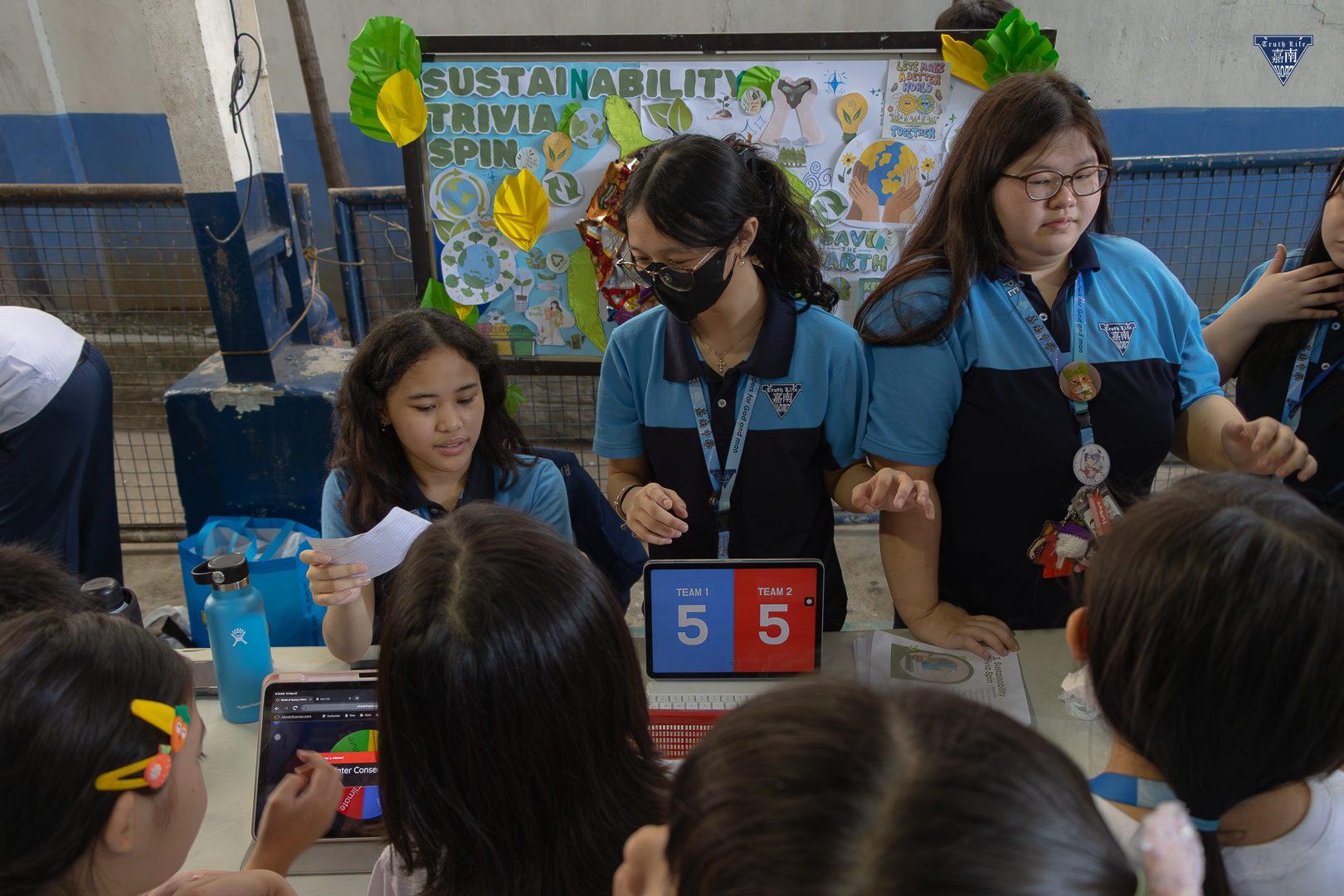
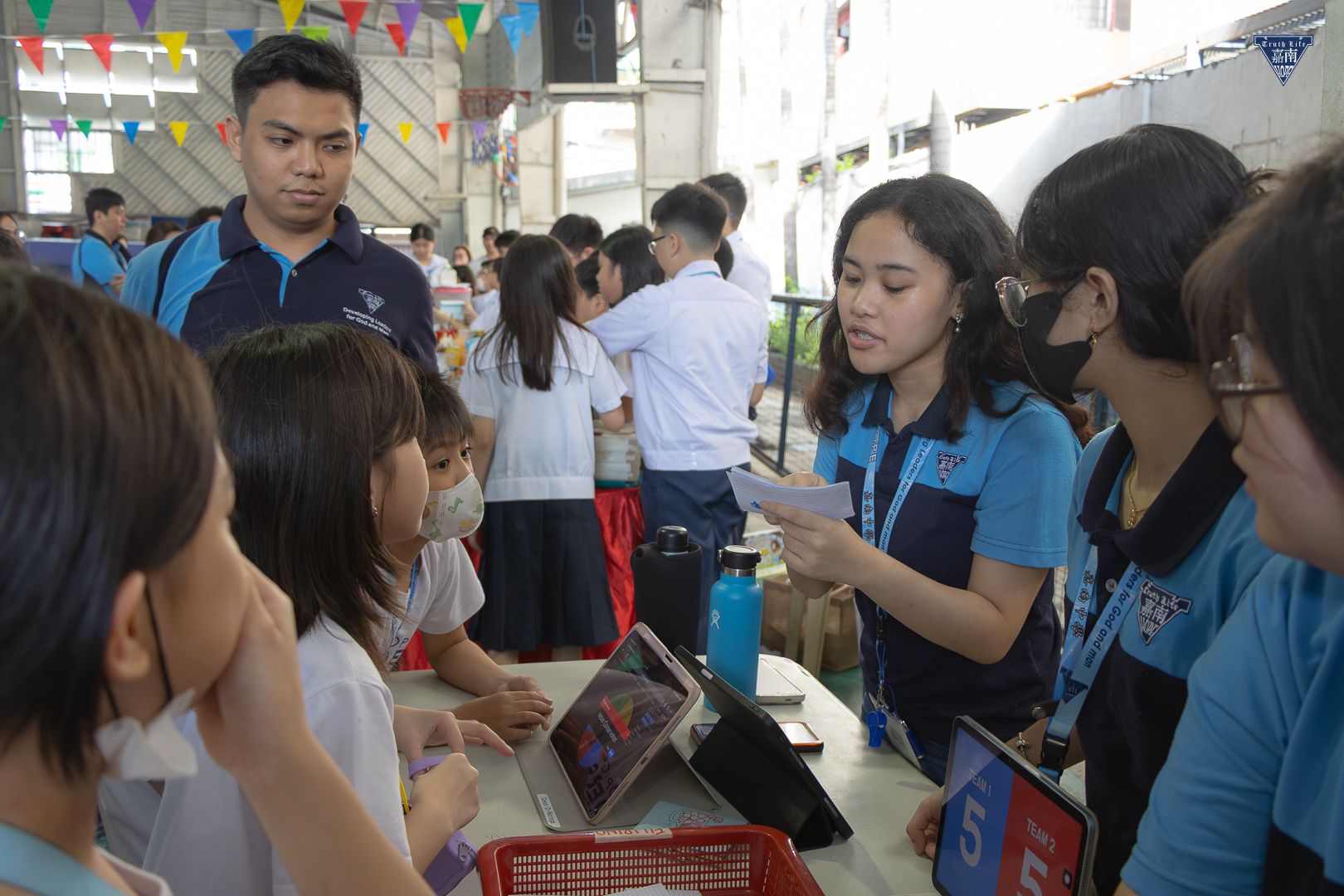
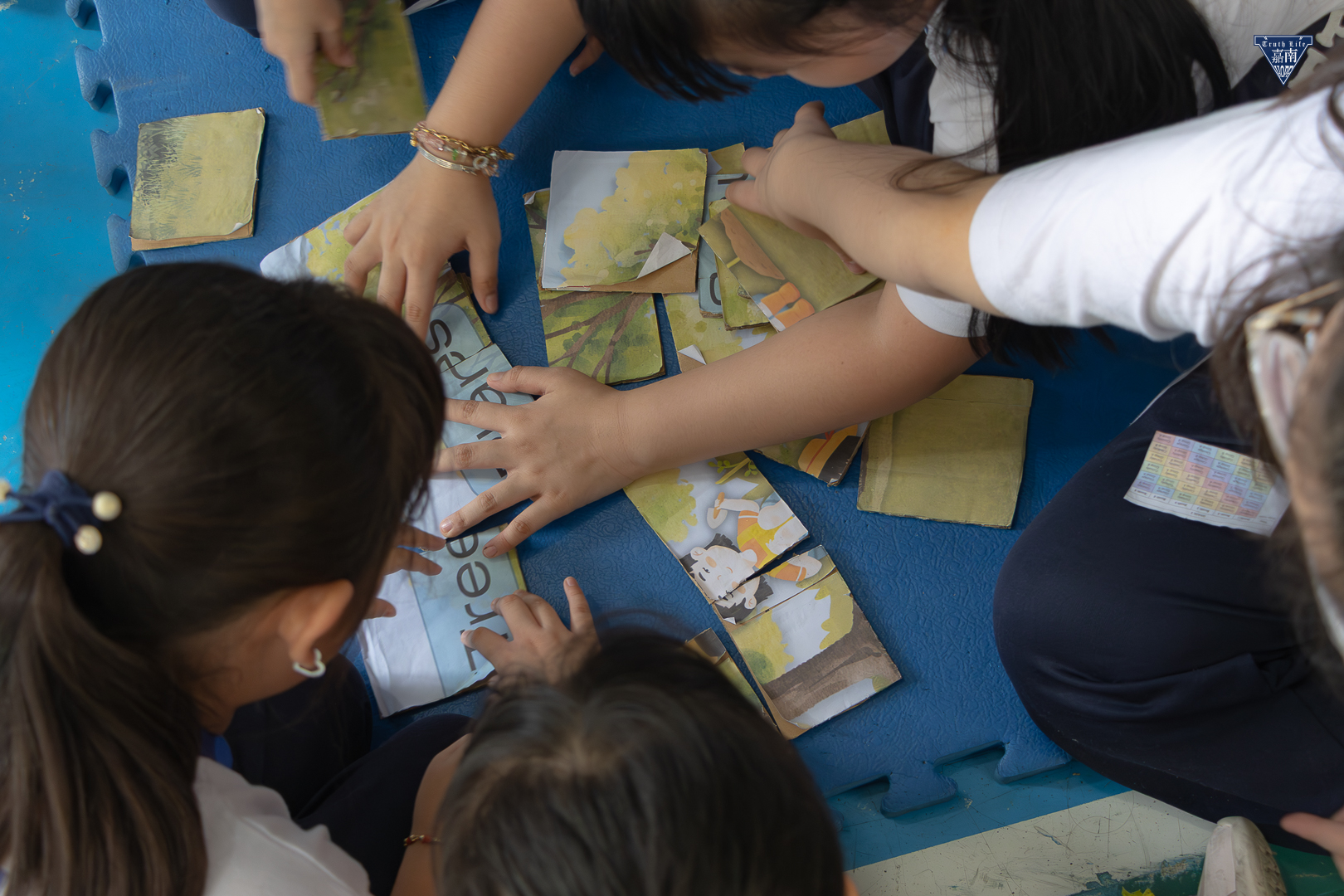
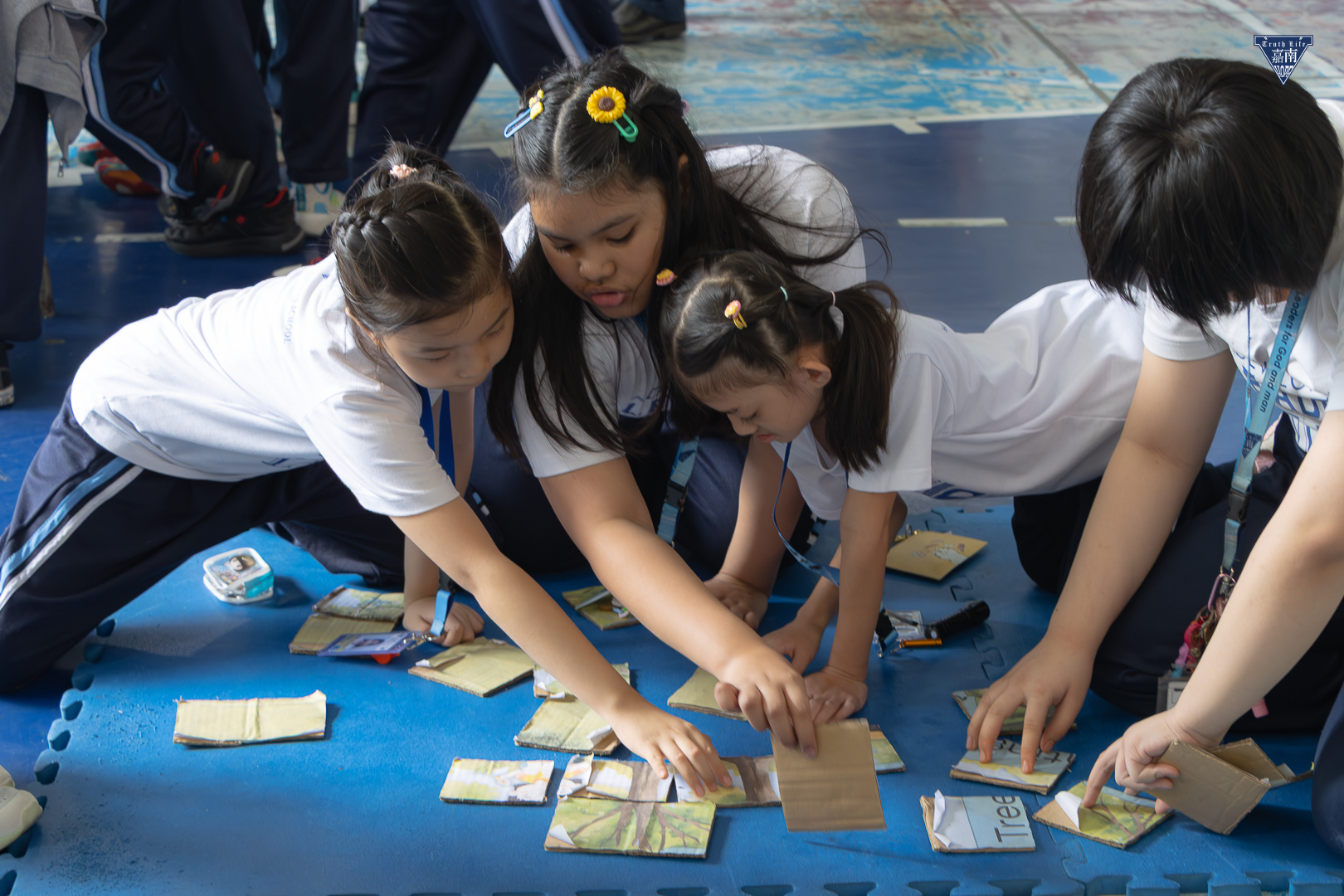
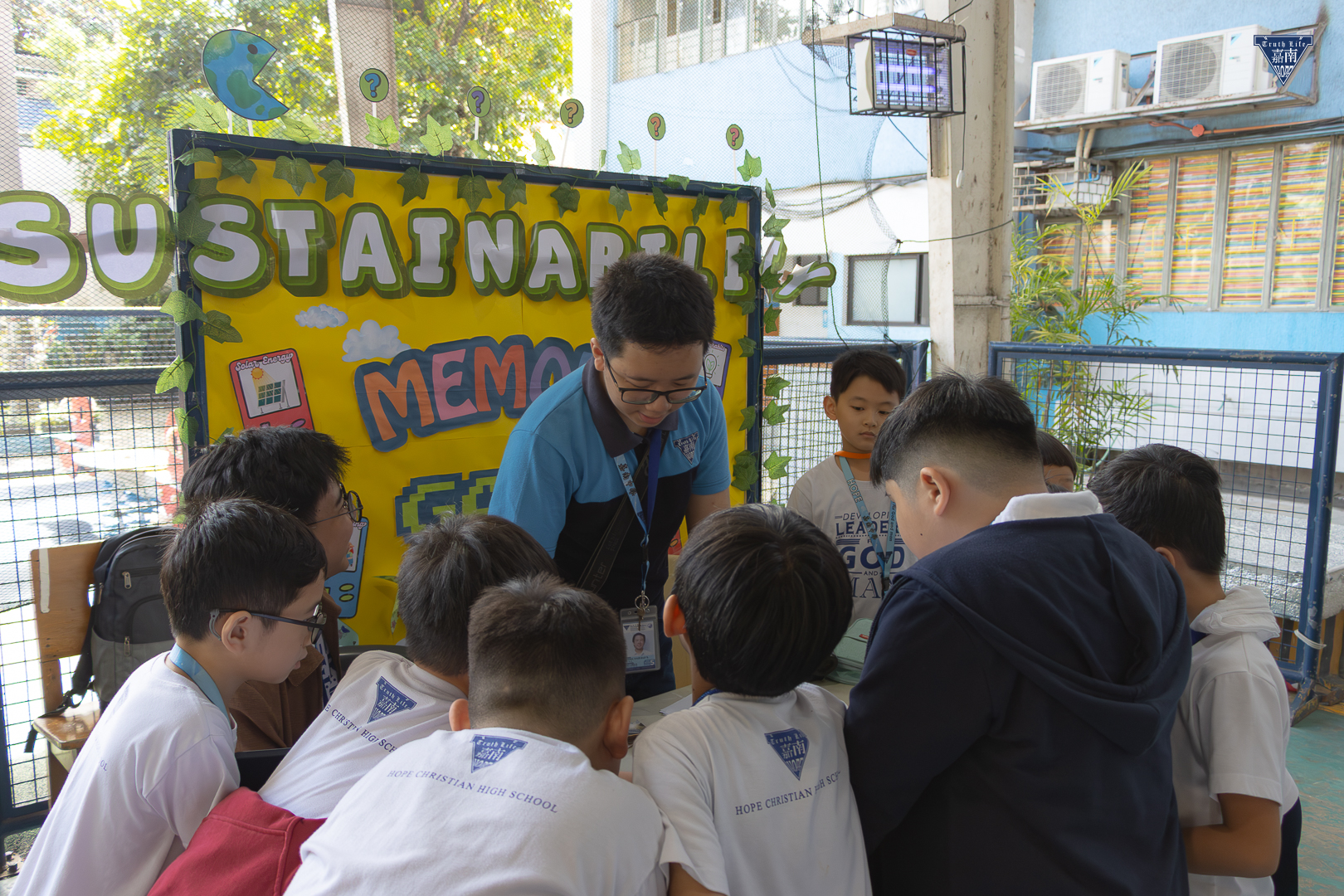
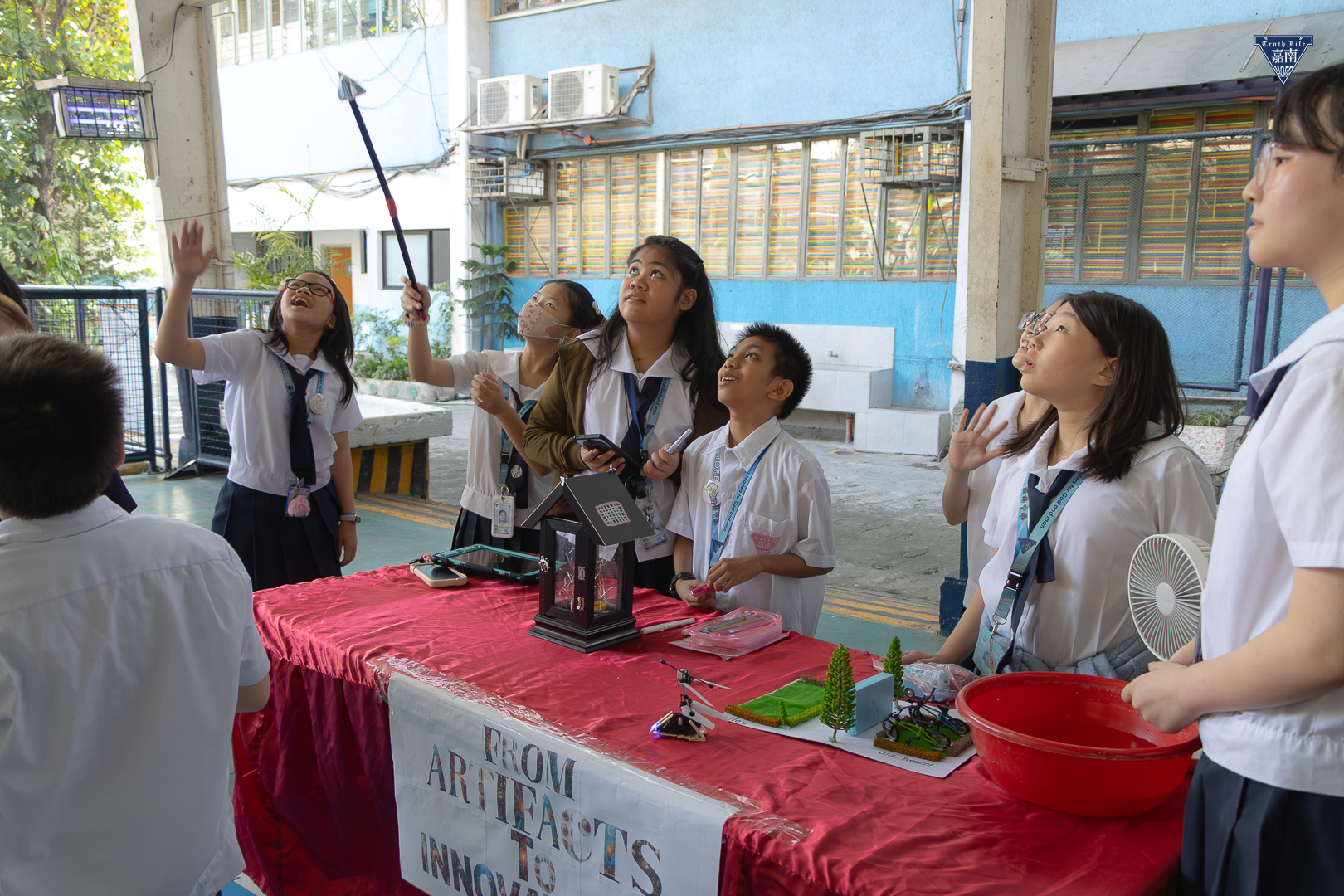
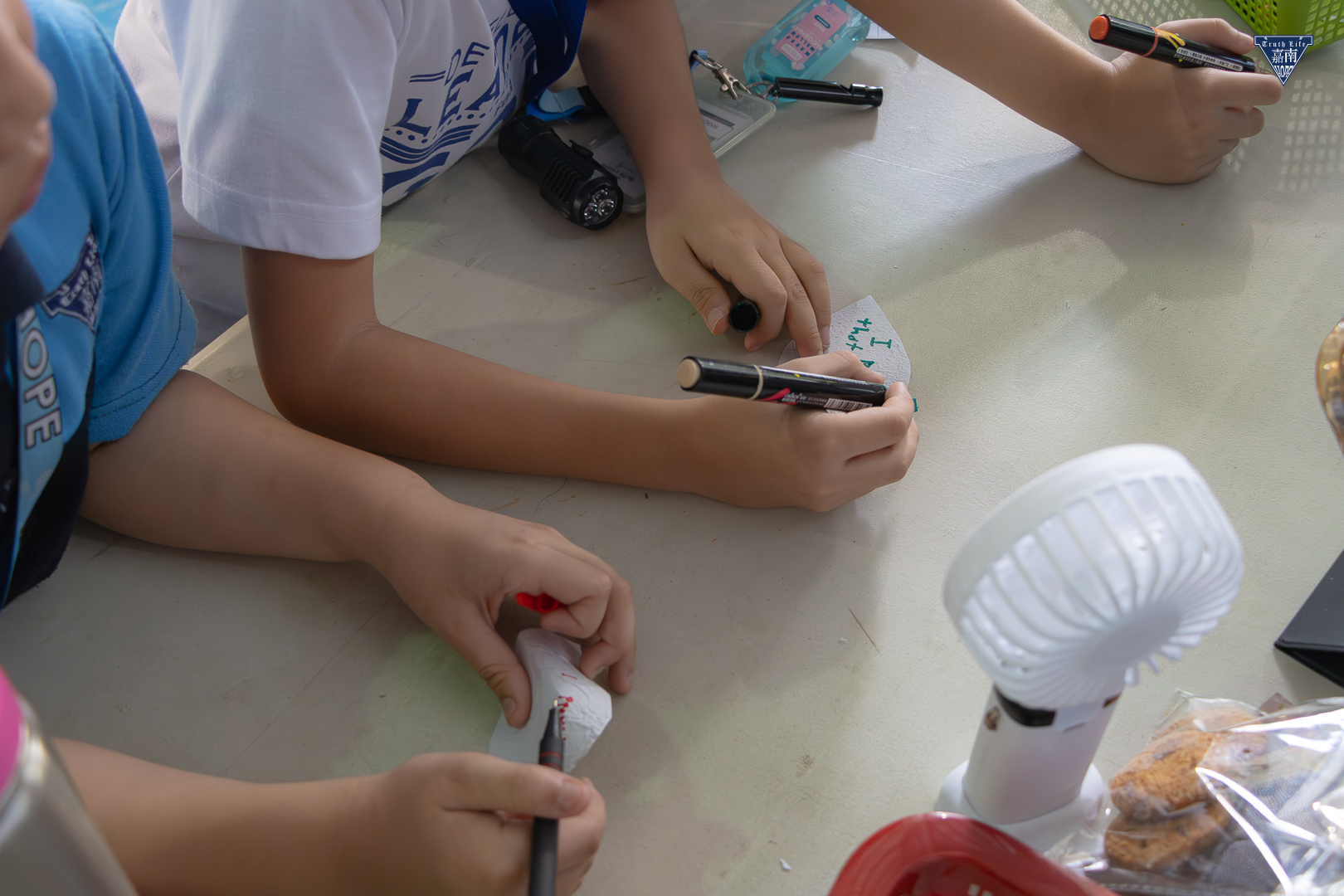
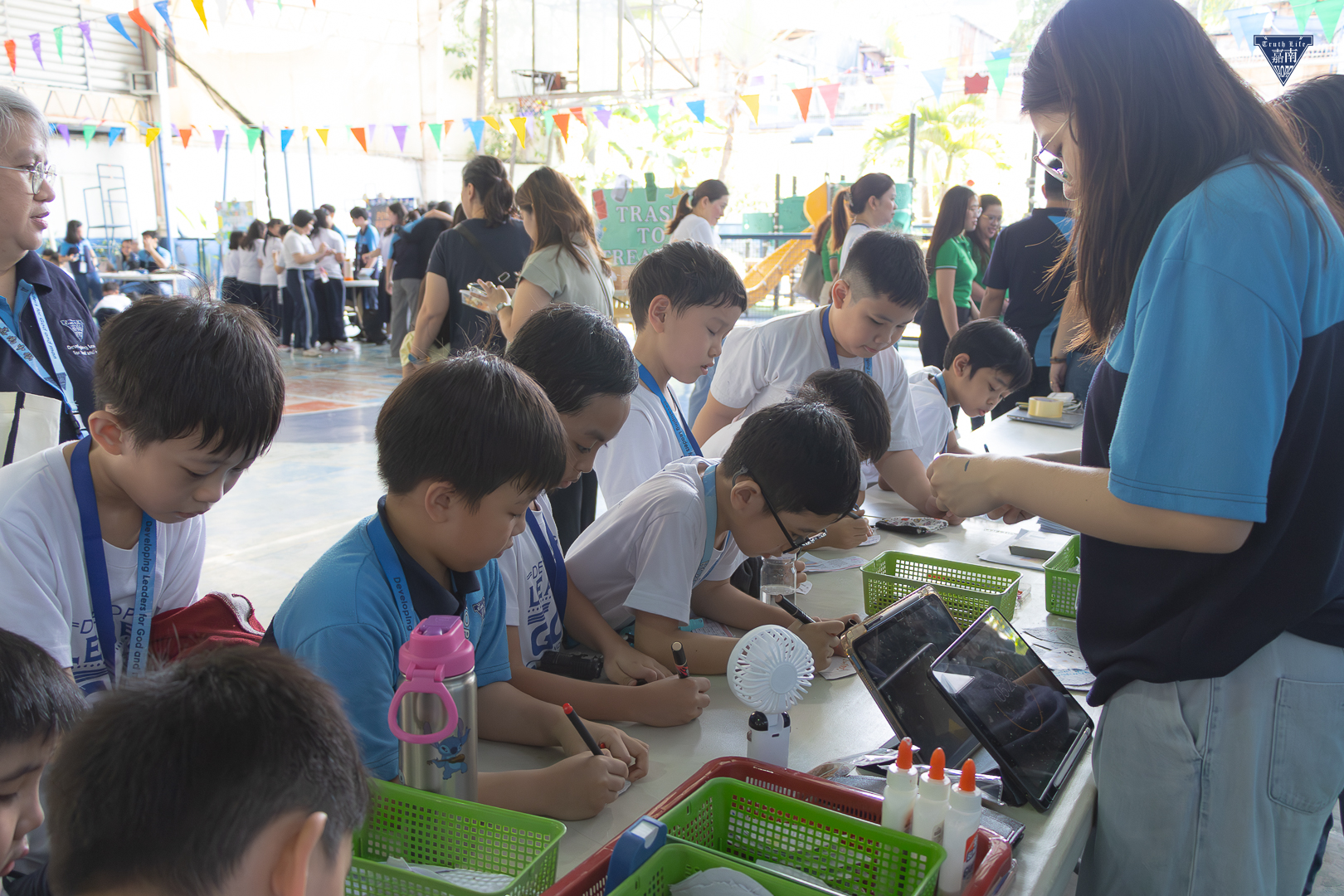
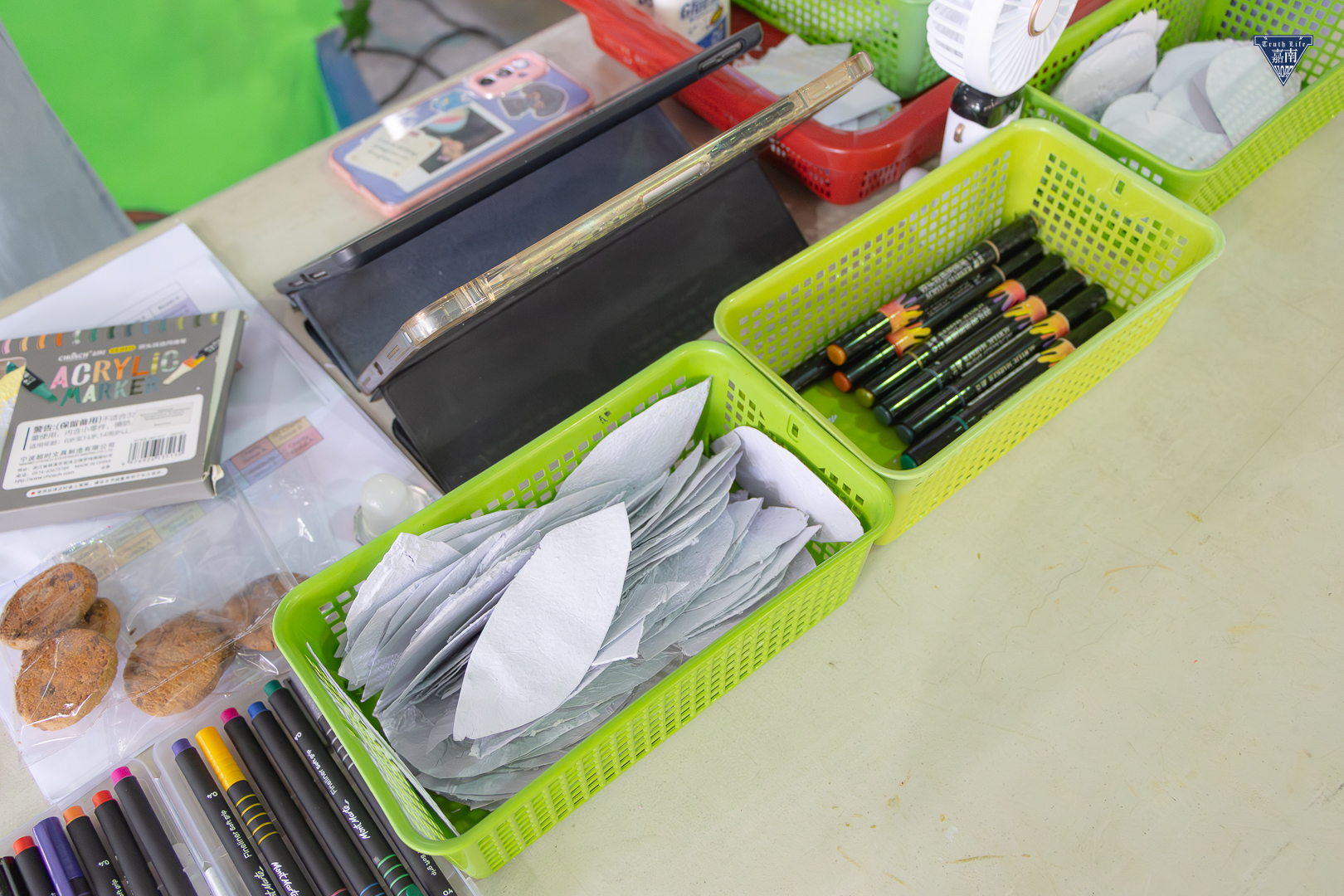
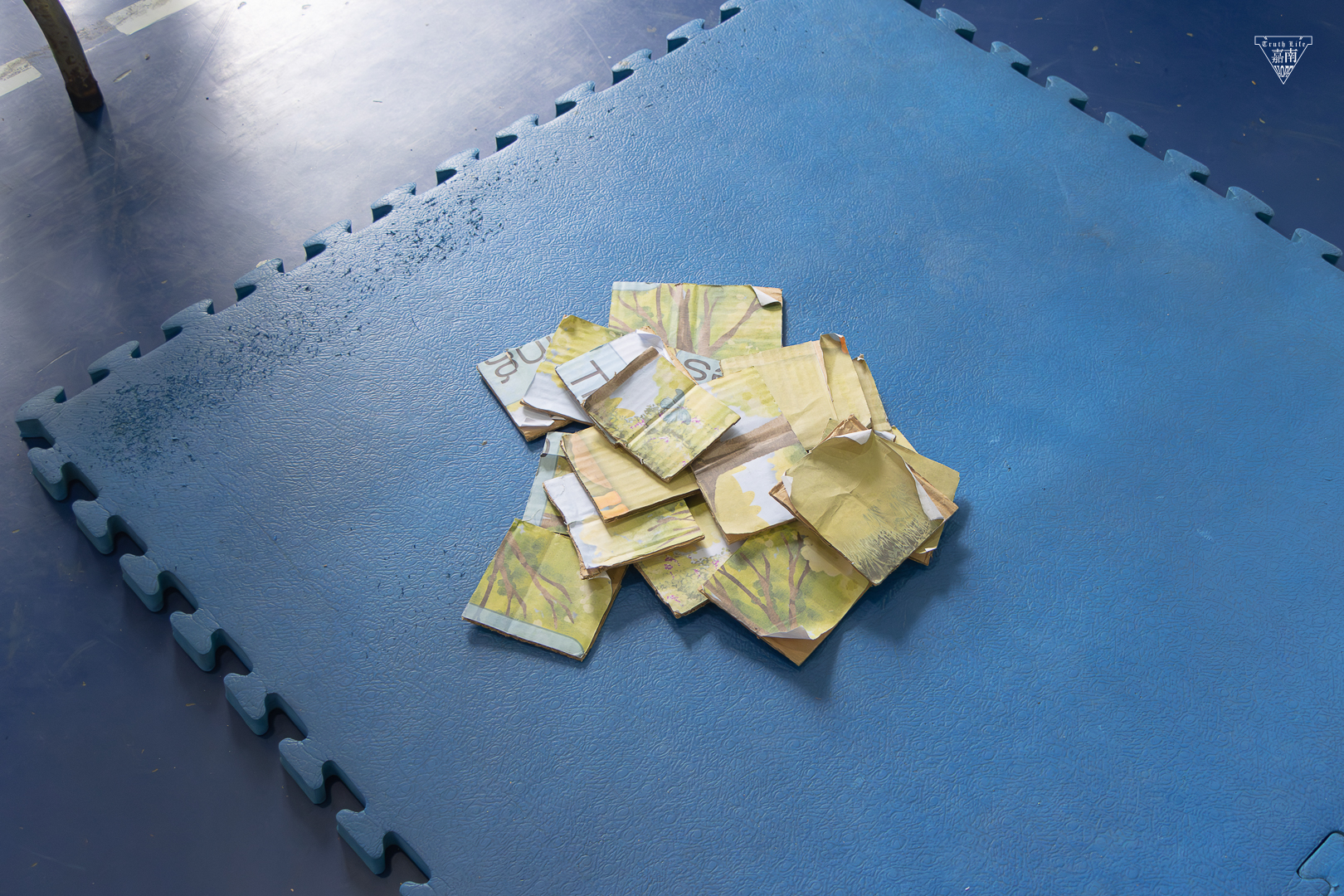
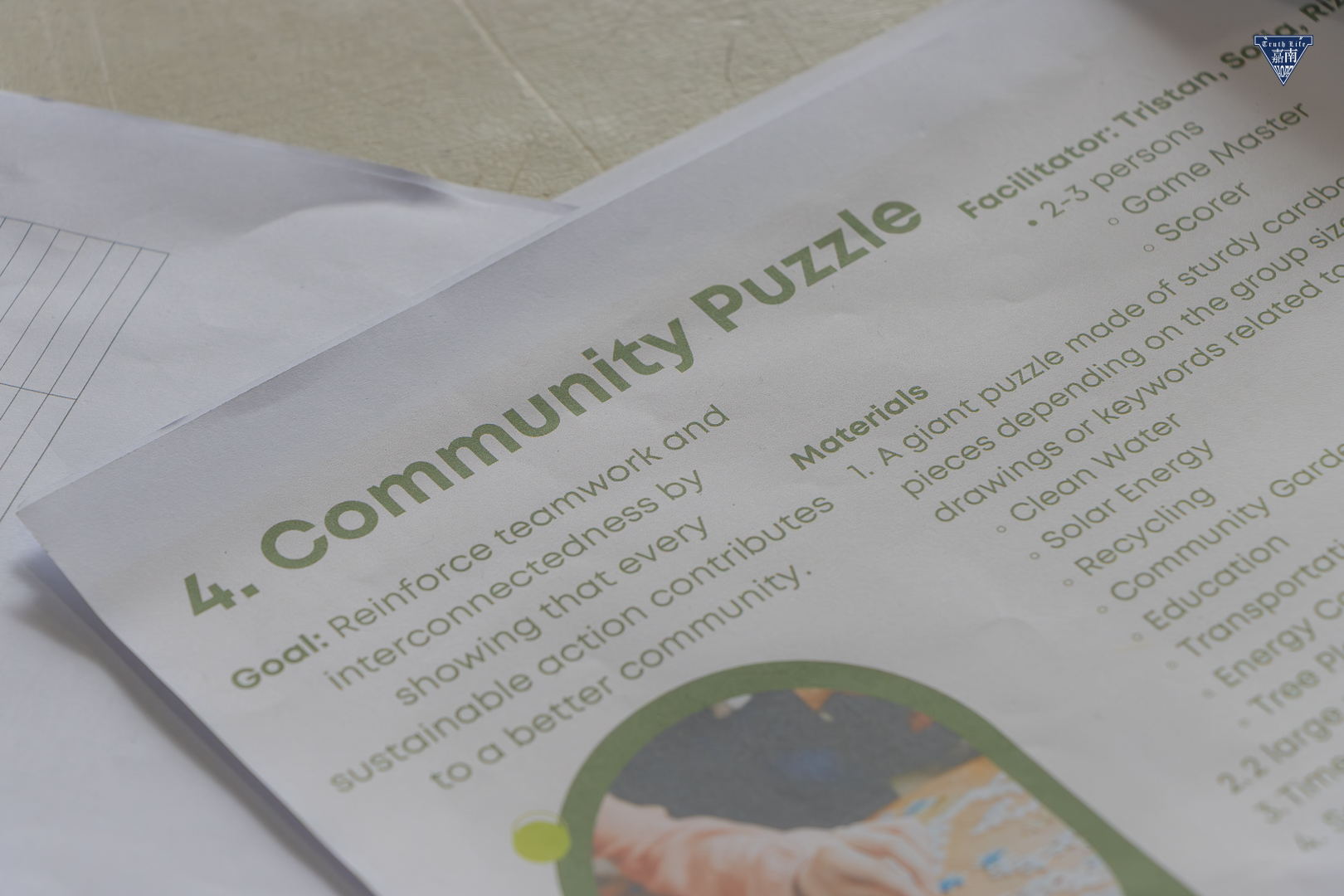
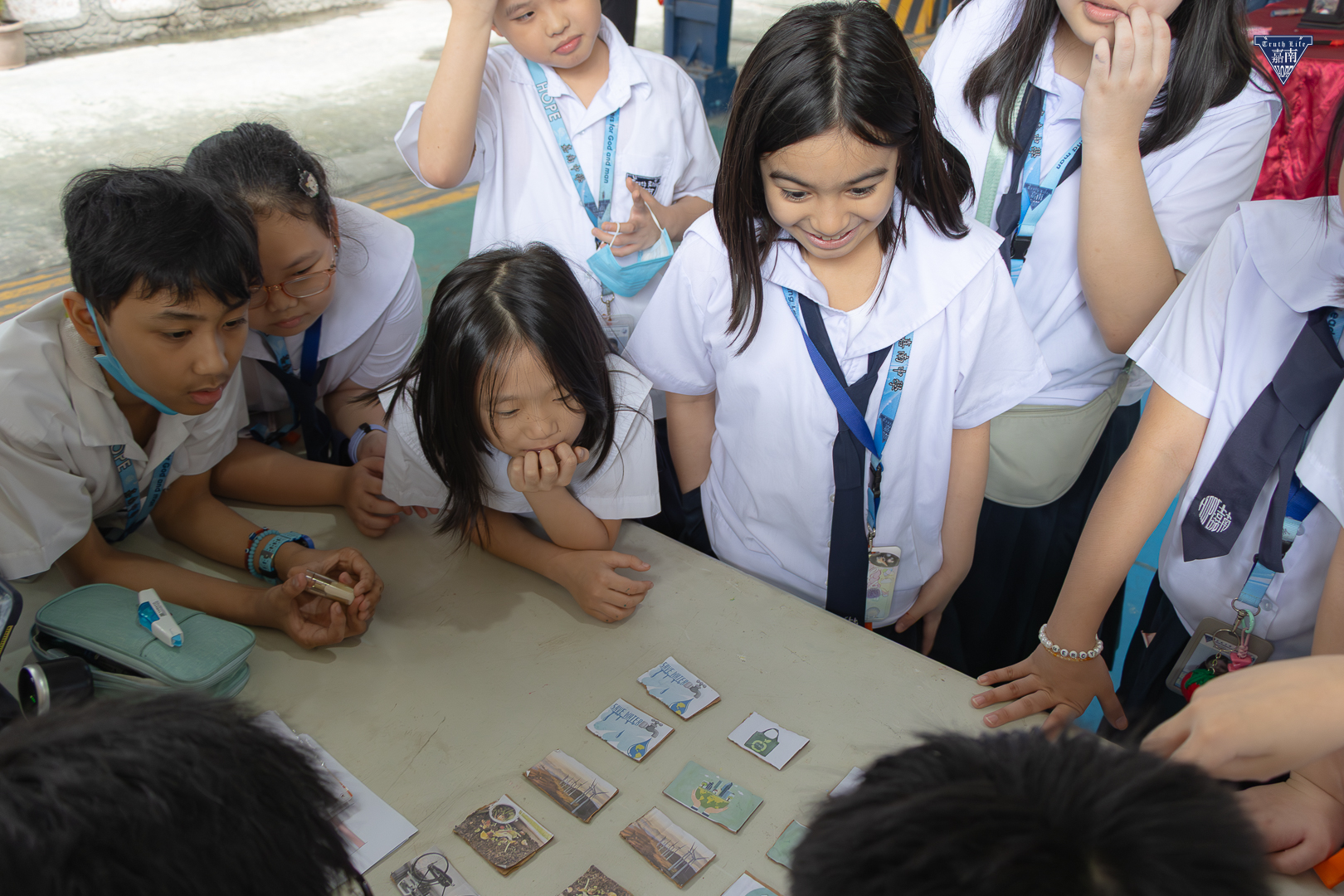
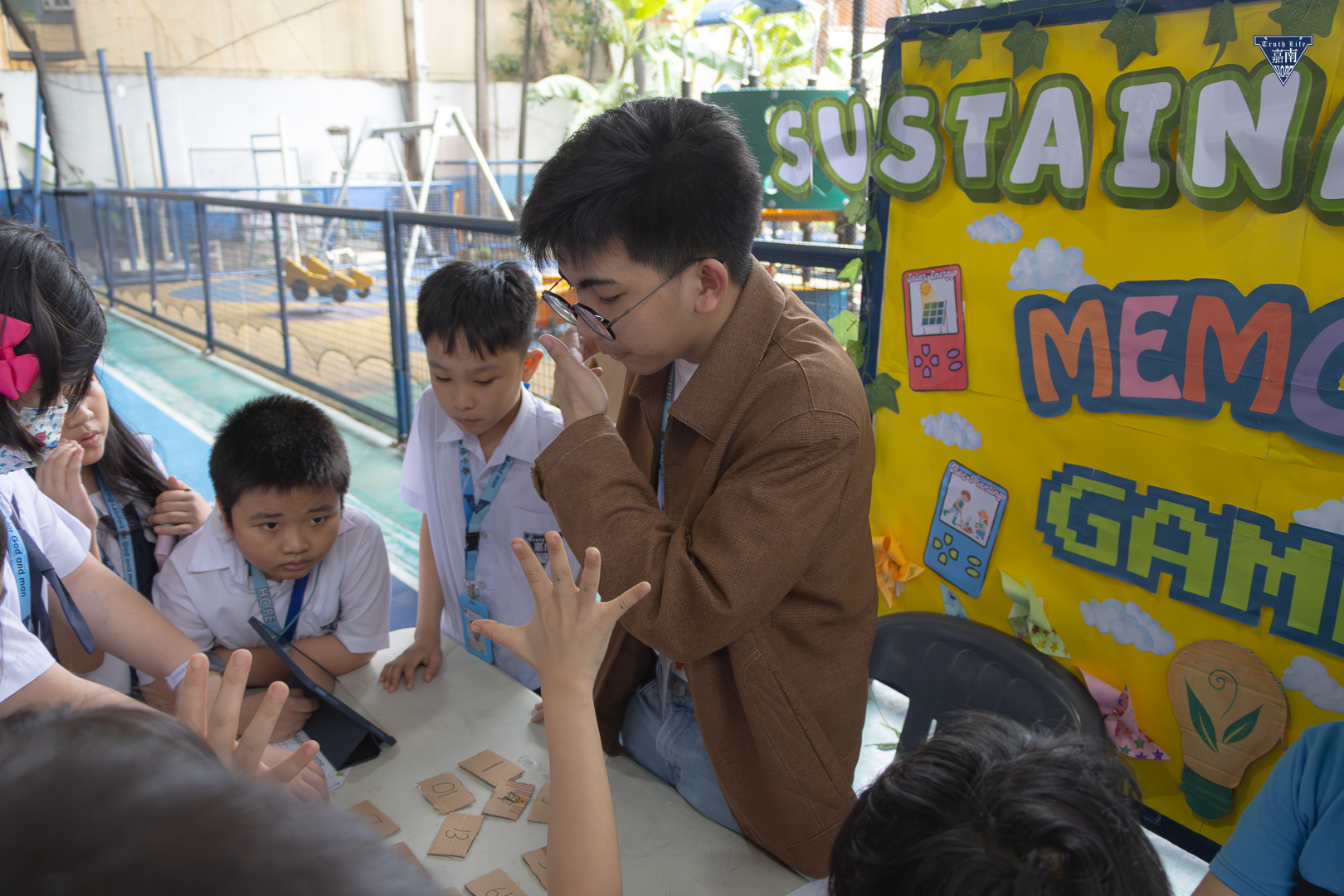
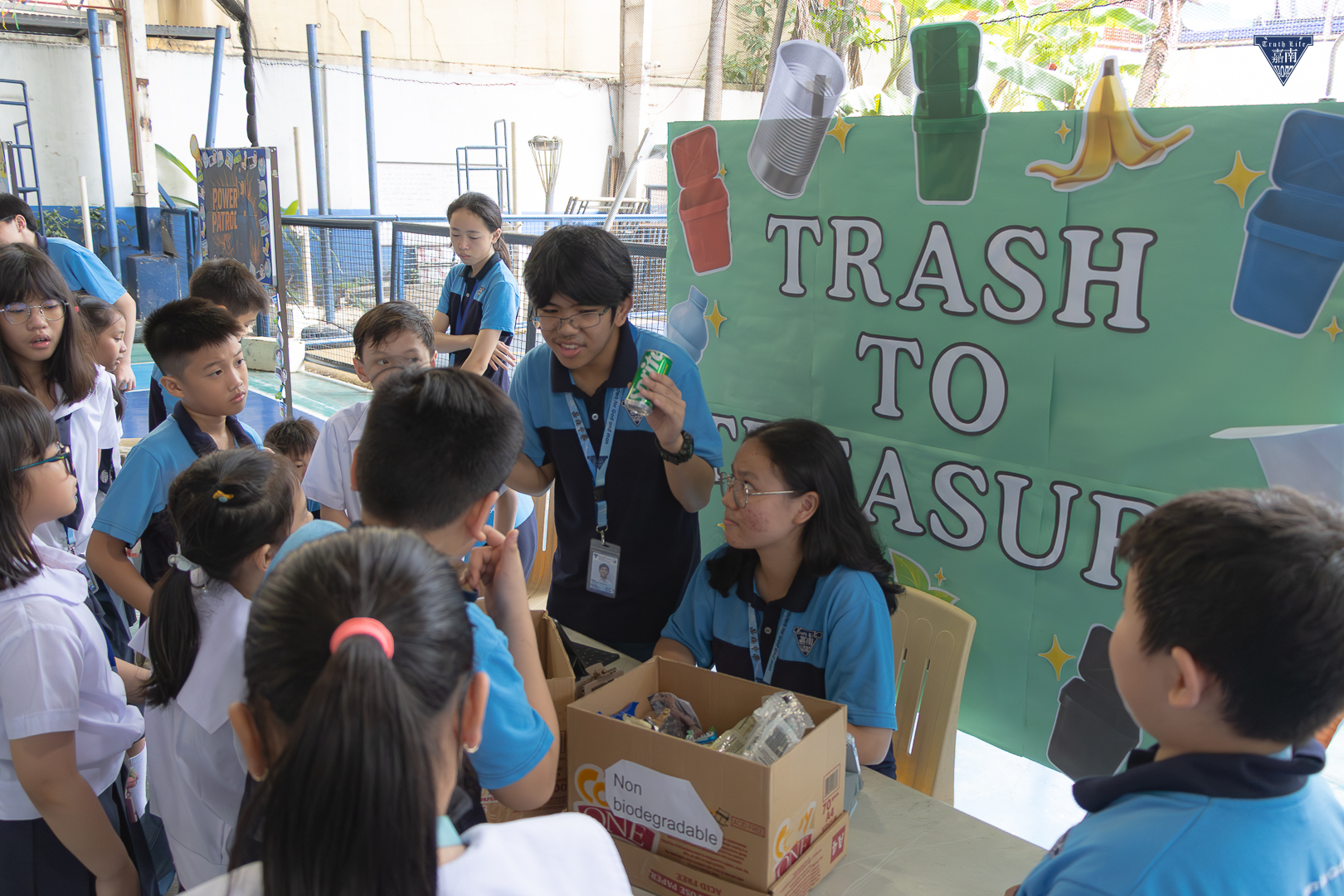
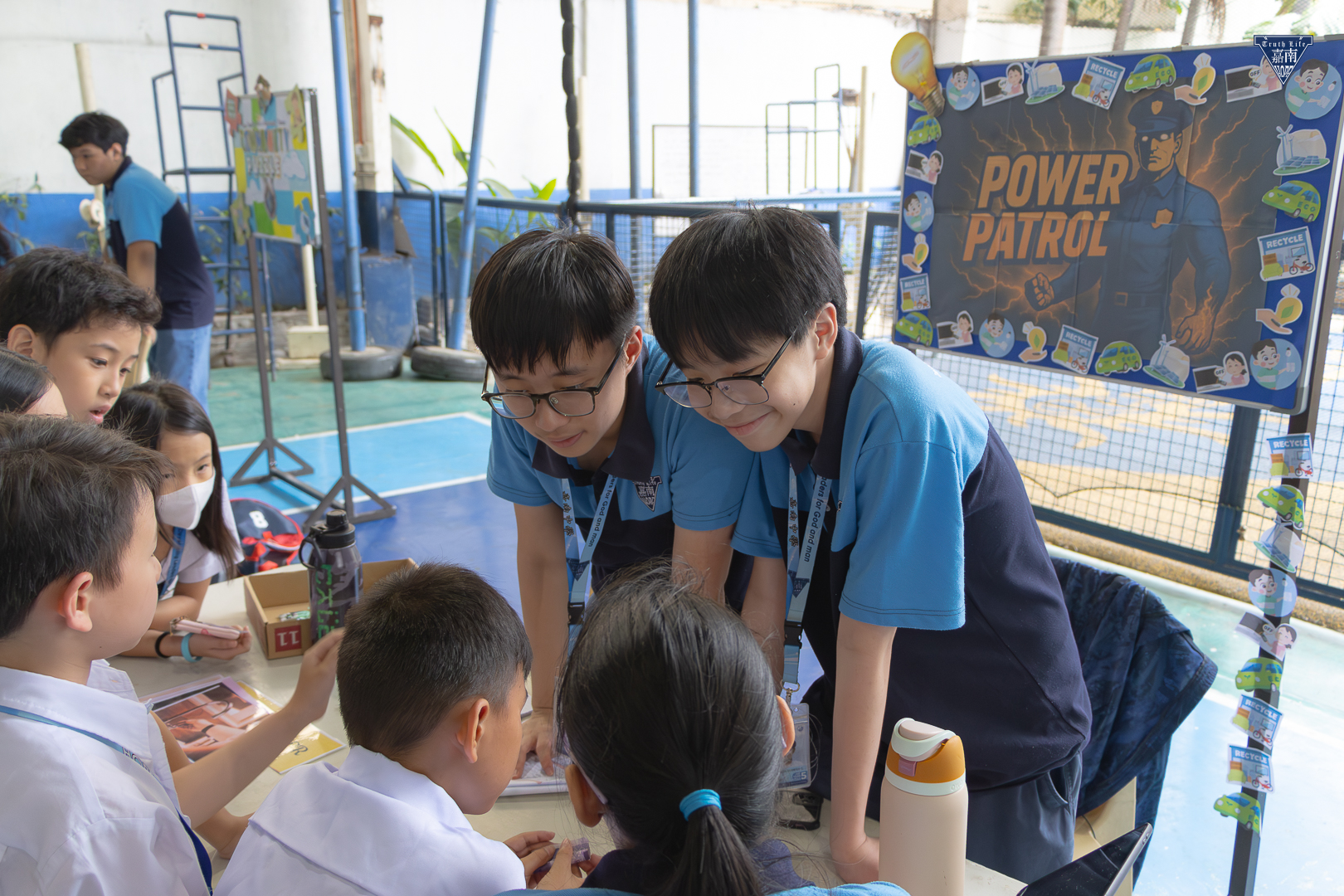
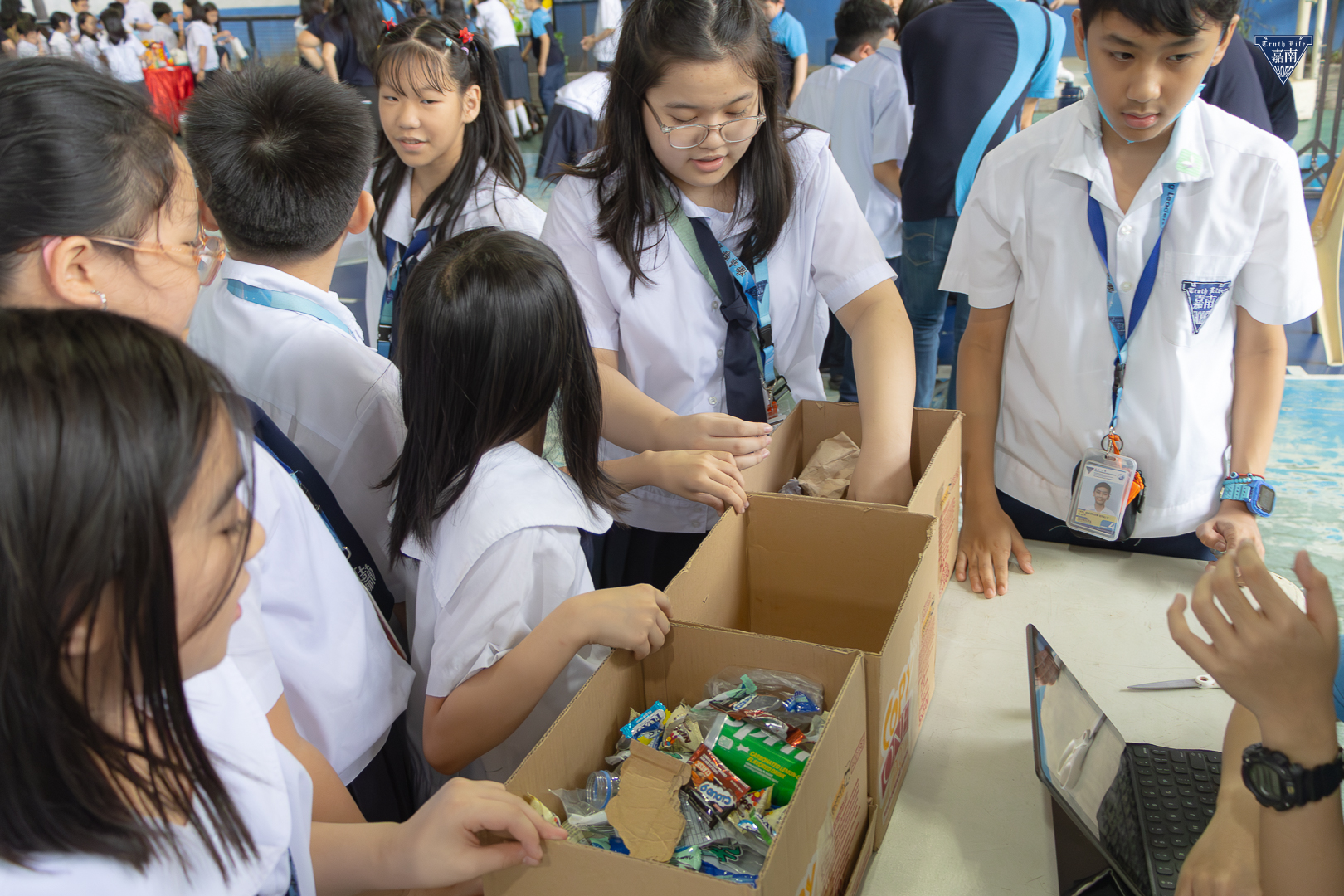
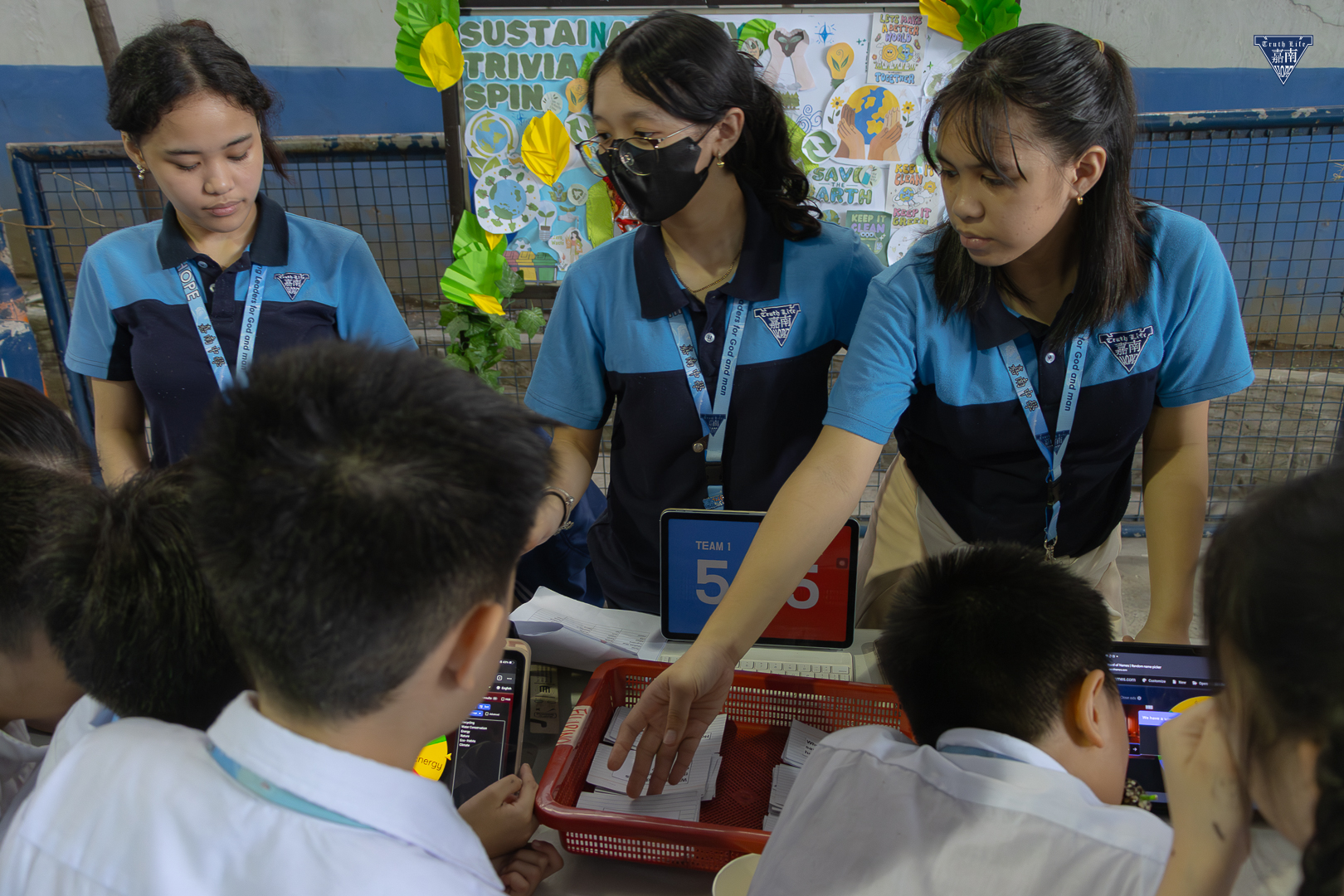
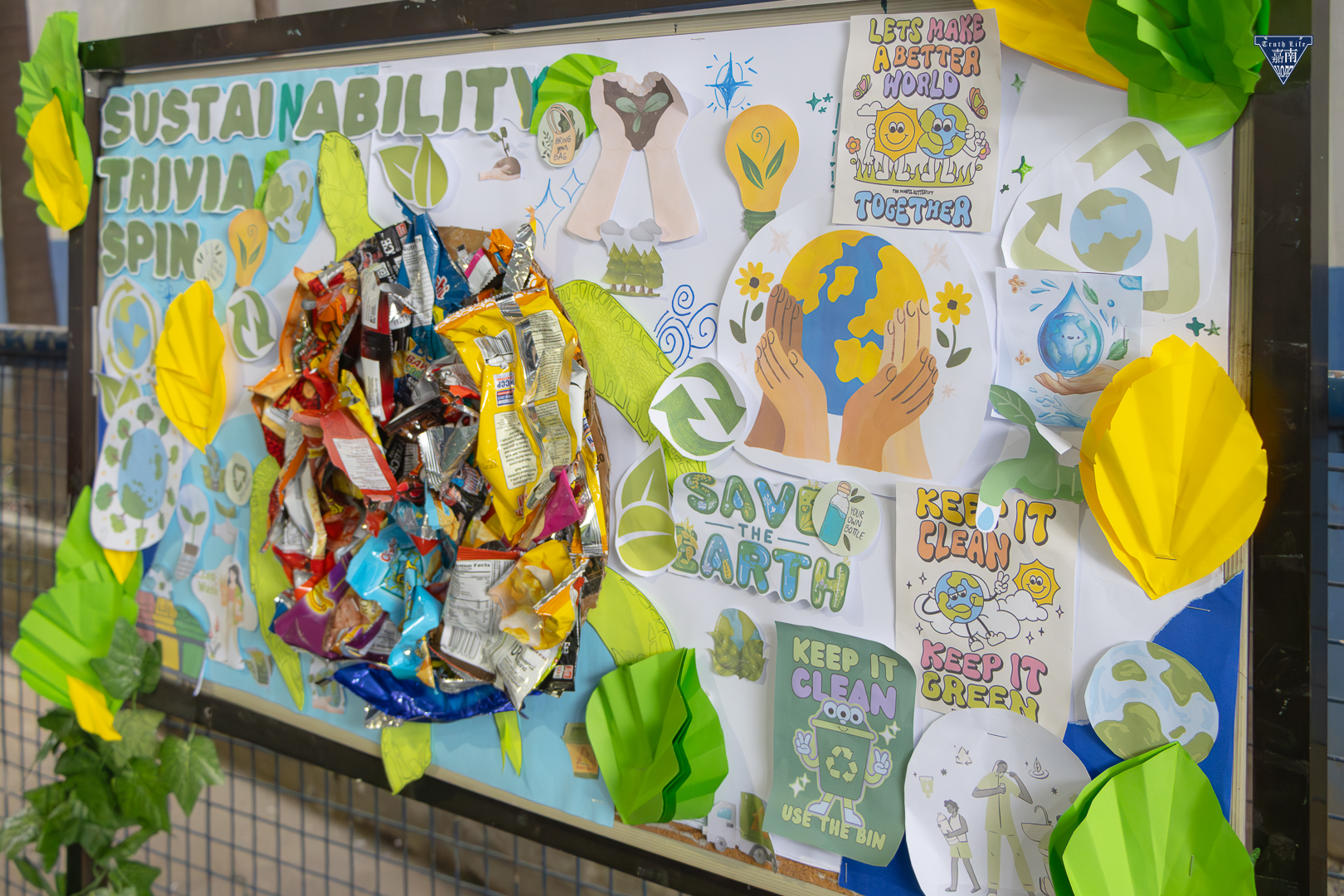
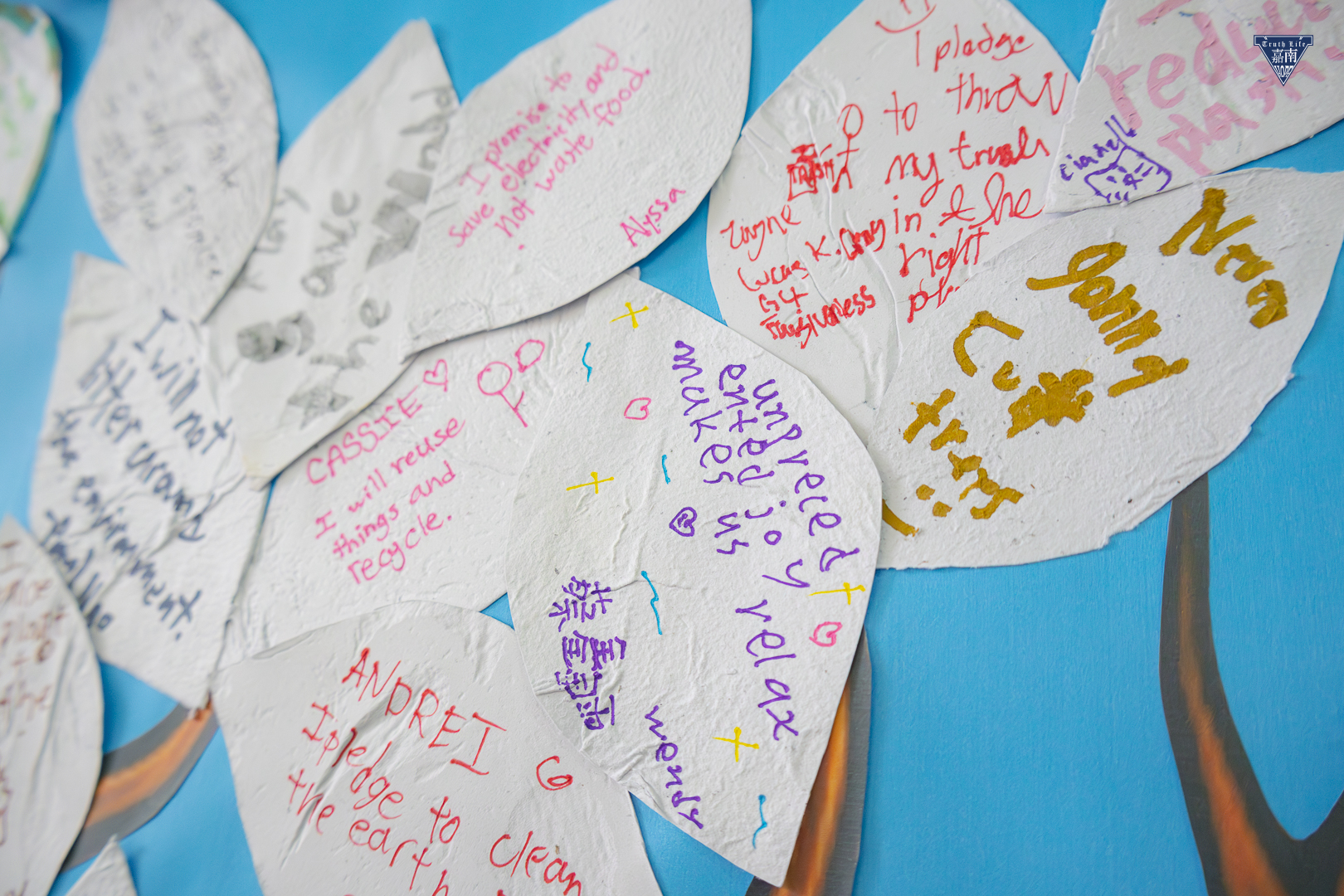
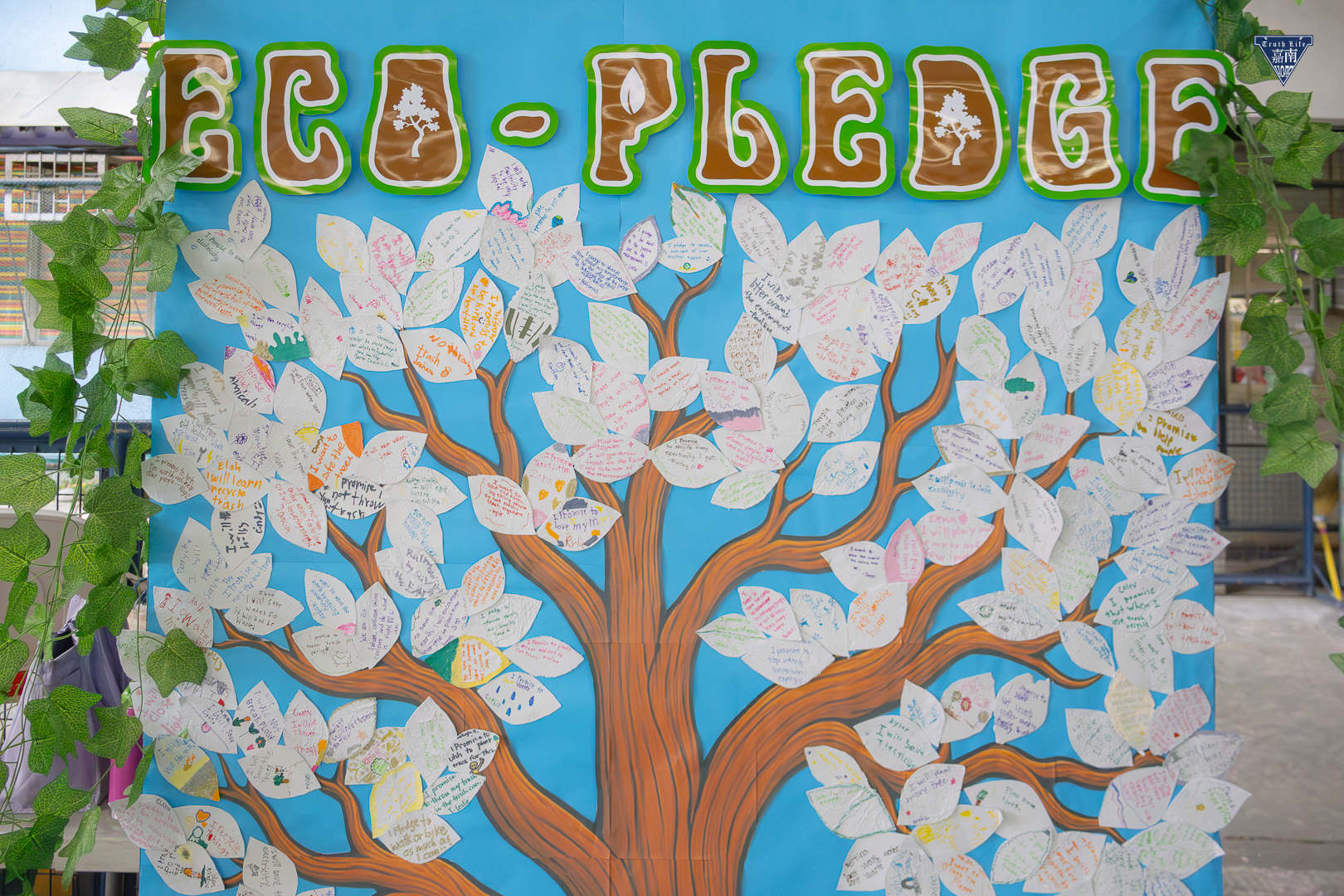
Elementary students also engaged in interactive STEAM booths. Seven booth stations immersed students in waste sorting, energy conservation, and sustainable habits. The Sustainability Trivia Spin enhanced the students’ knowledge about sustainability. The students spun the digital wheel and answered questions related to recycling, energy, climate, nature, water conservation, and eco-habits. In the Community Puzzle, the students showed their teamwork as they solved the picture puzzle. The picture depicted a girl on a swing with trees in her background. The phrase “Planting Trees” was also shown in the picture. In the Power Patrol station, the students identified energy-saving and energy-wasting actions. These actions were illustrated in pictures that the students needed to sort into their respective labels. In Trash to Treasure, they also practiced sorting, but this time, they sorted literal trash like bottles, cardboard, paper, and candy wrappers into biodegradable and non-biodegradable bins. Through the Sustainability Memory Game, meanwhile, their understanding of sustainability concepts was reinforced. Teams collaborated in identifying and matching cards that show symbols and situations related to sustainability. Using the upcycled paper made by Upper Primary students, along with colorful markers, visitors of the Eco-Pledge Tree booth wrote their commitments to sustainability. They then posted their commitments on the Eco-Pledge Tree. A simple photo booth was also set up to document the students’ participation in the STEAM Week booth.
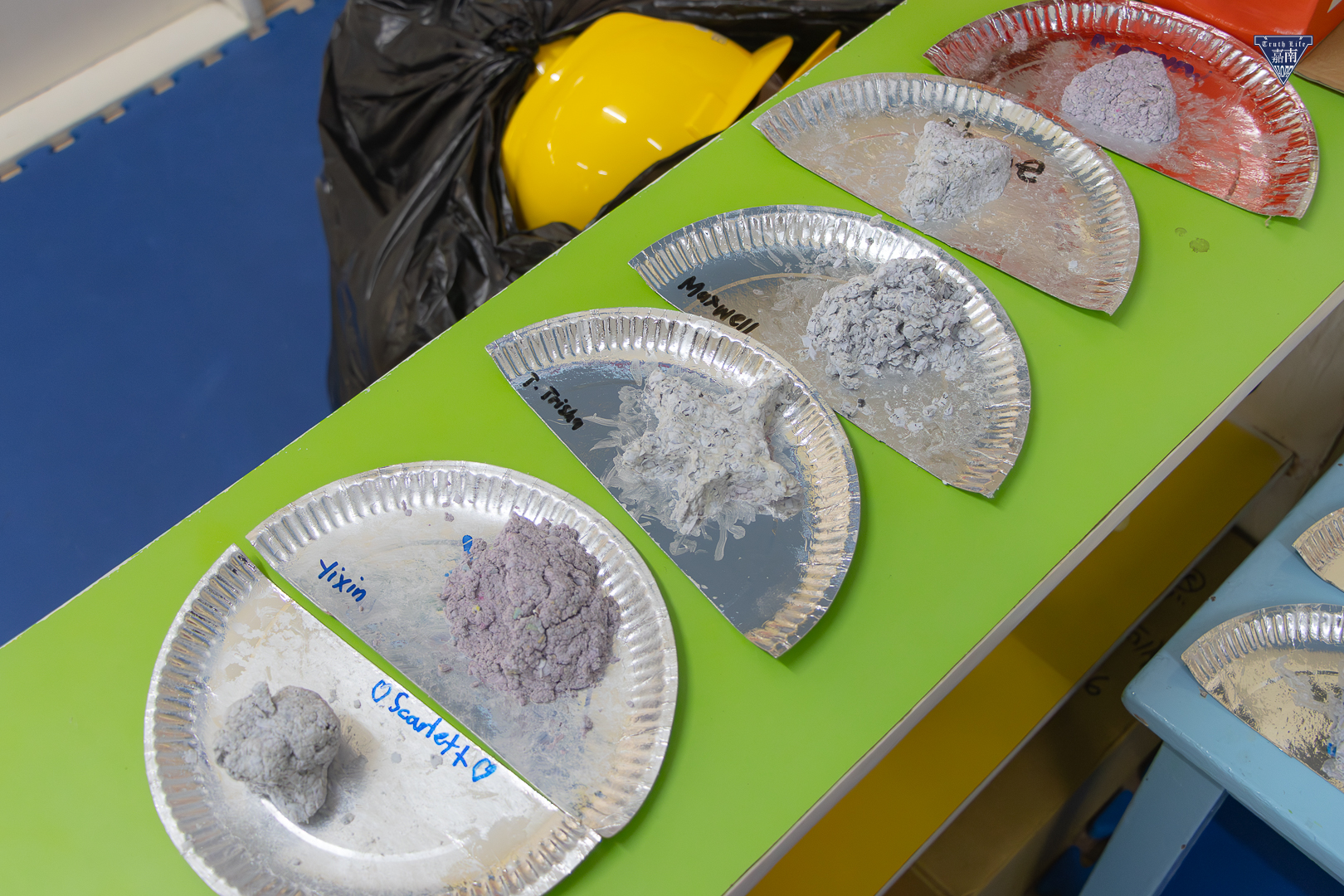
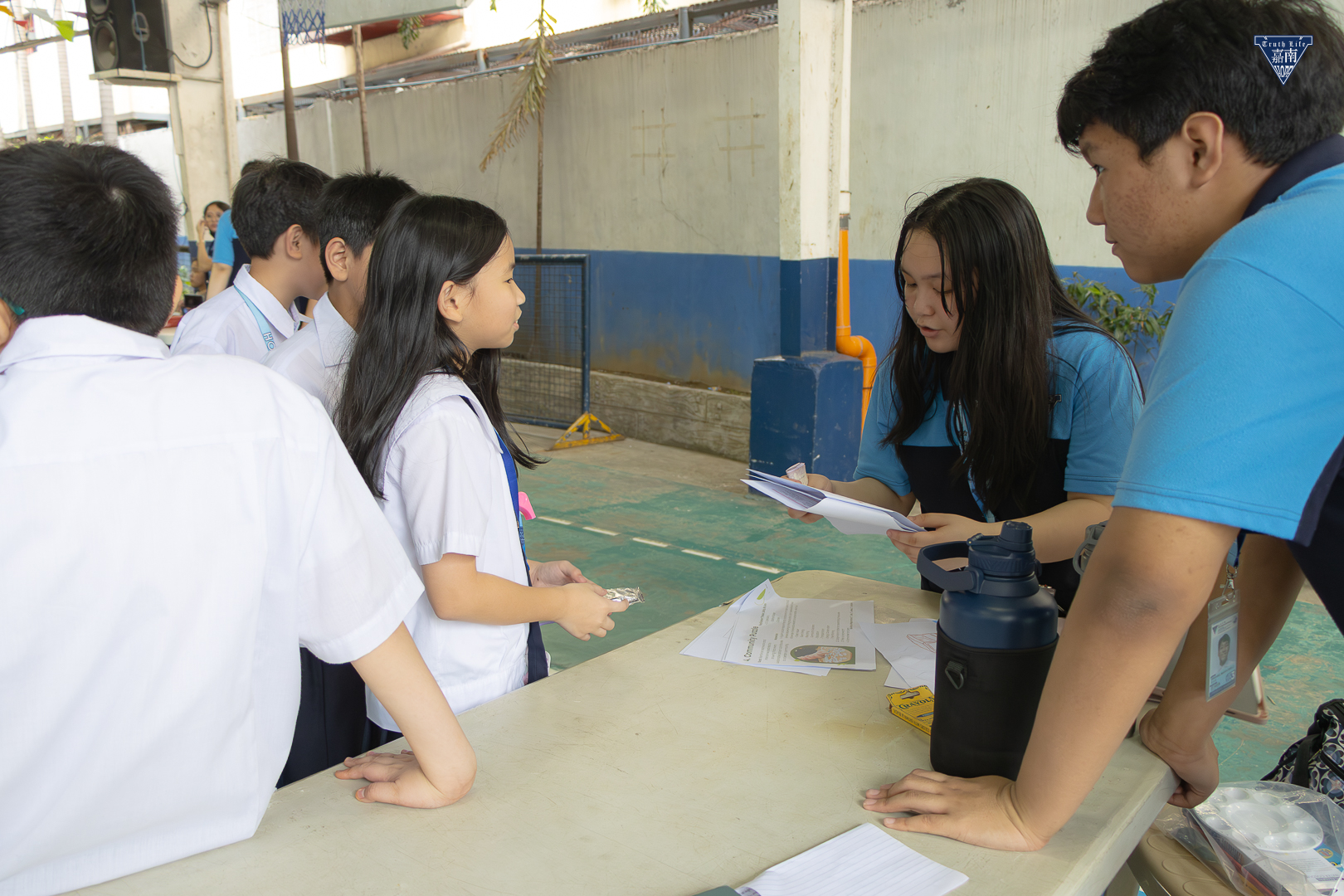
Elementary STEAM Week Activities
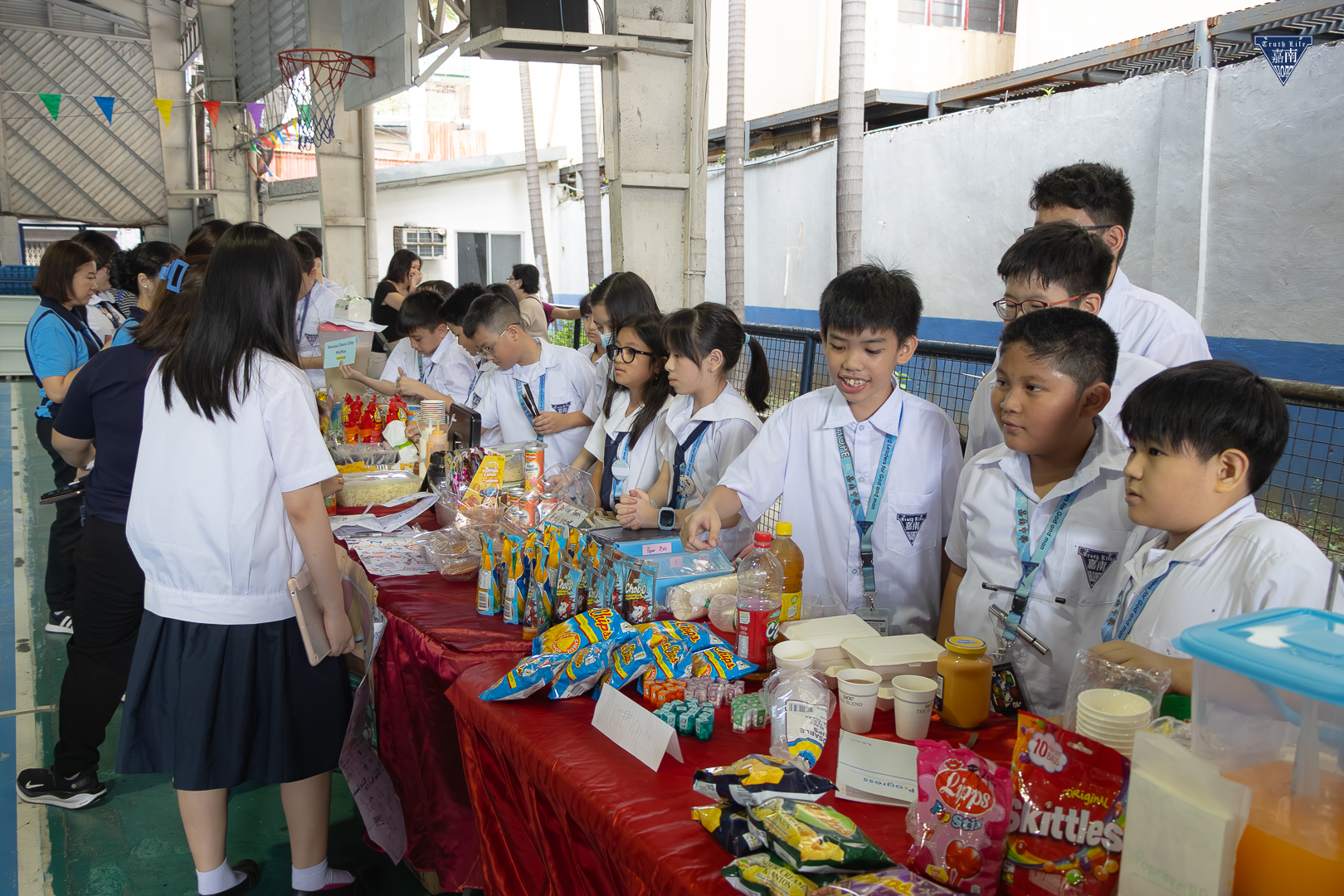
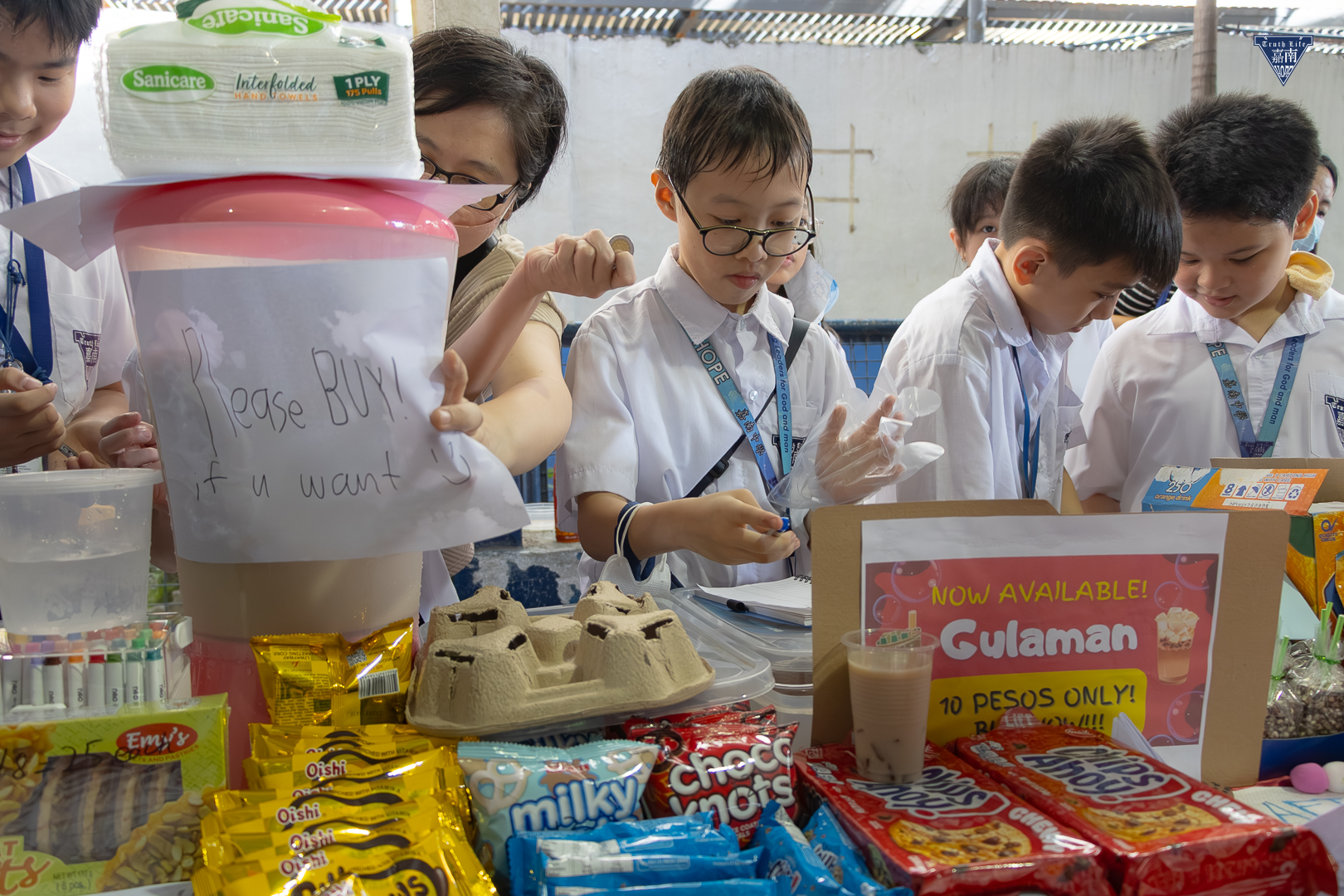
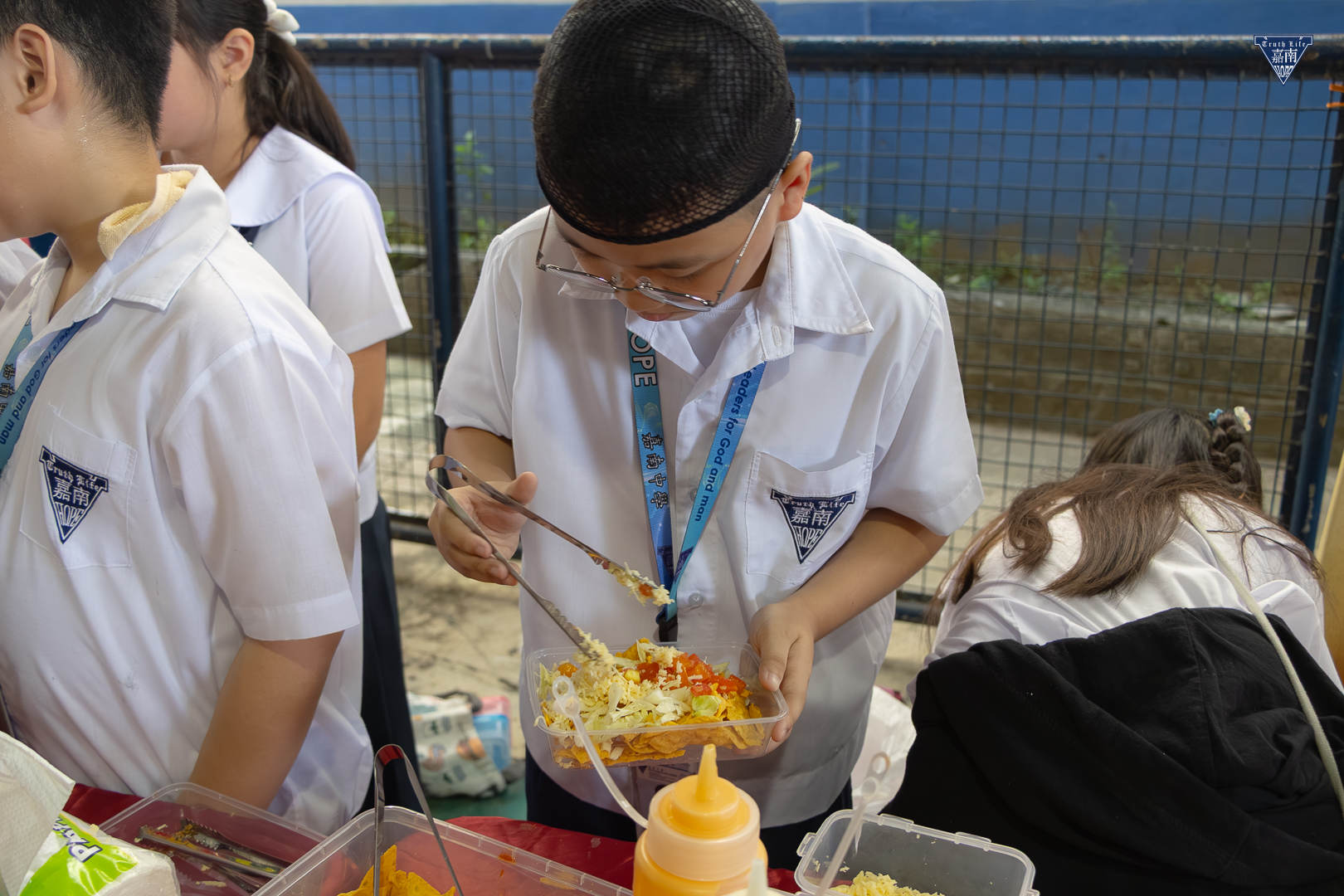
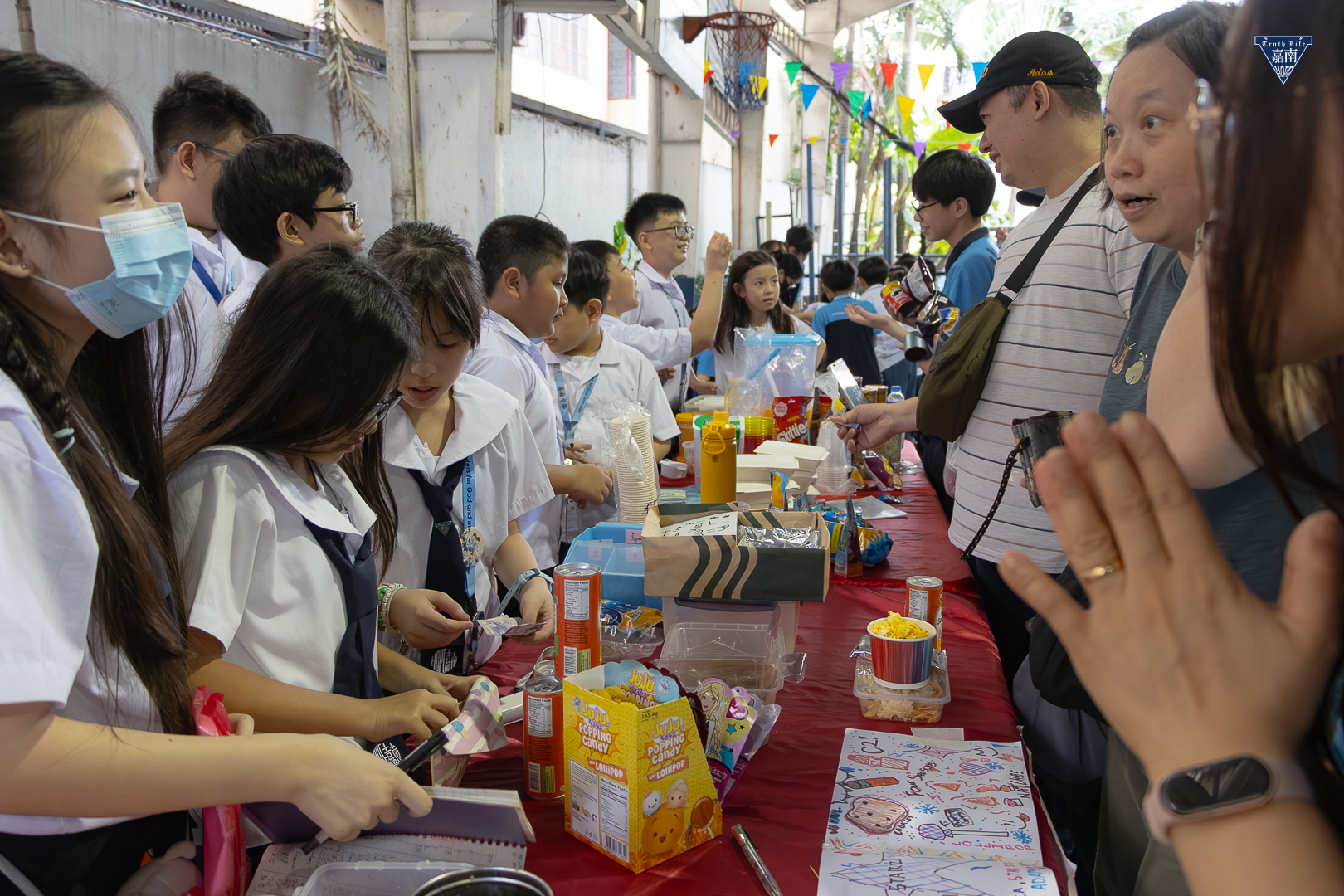
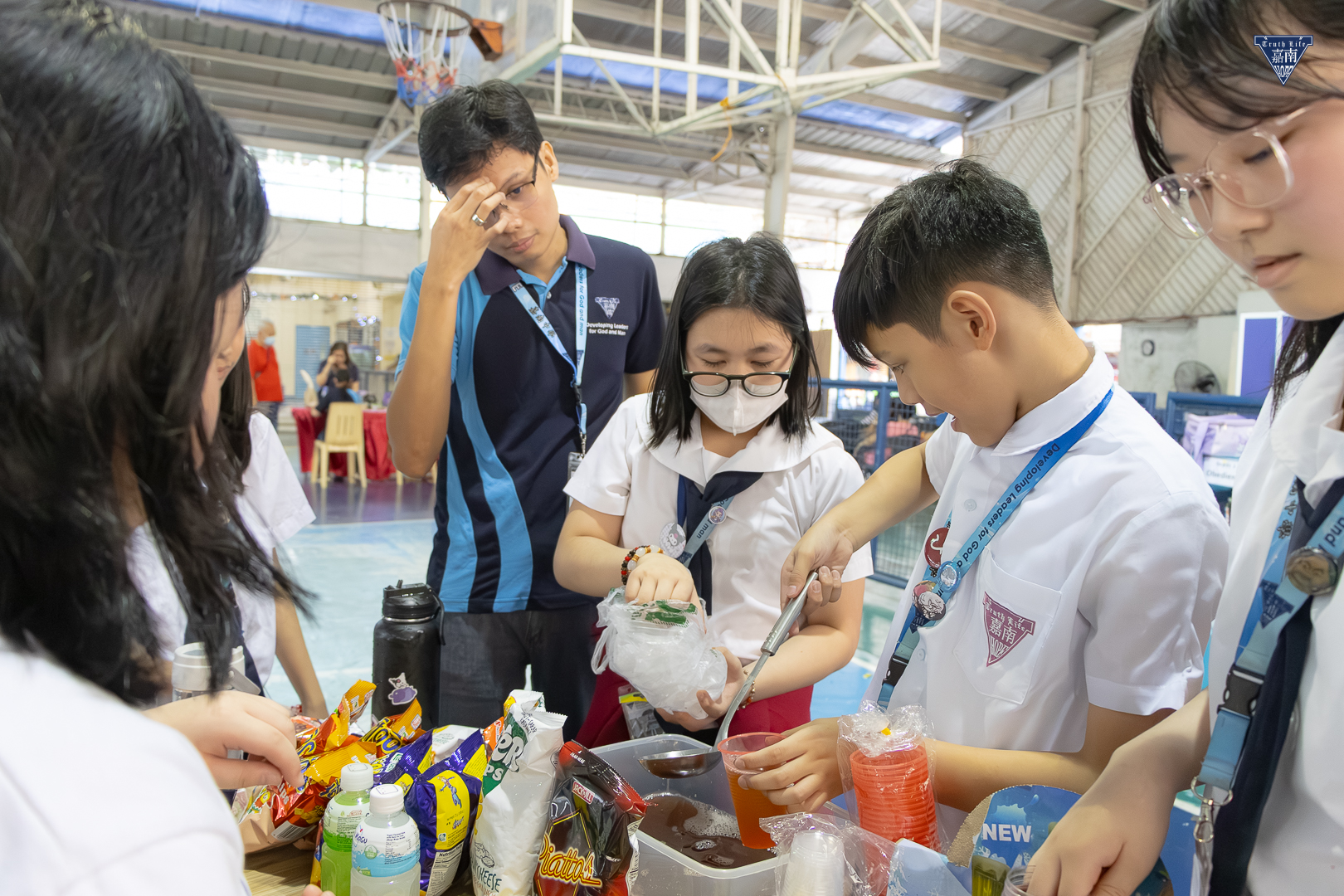
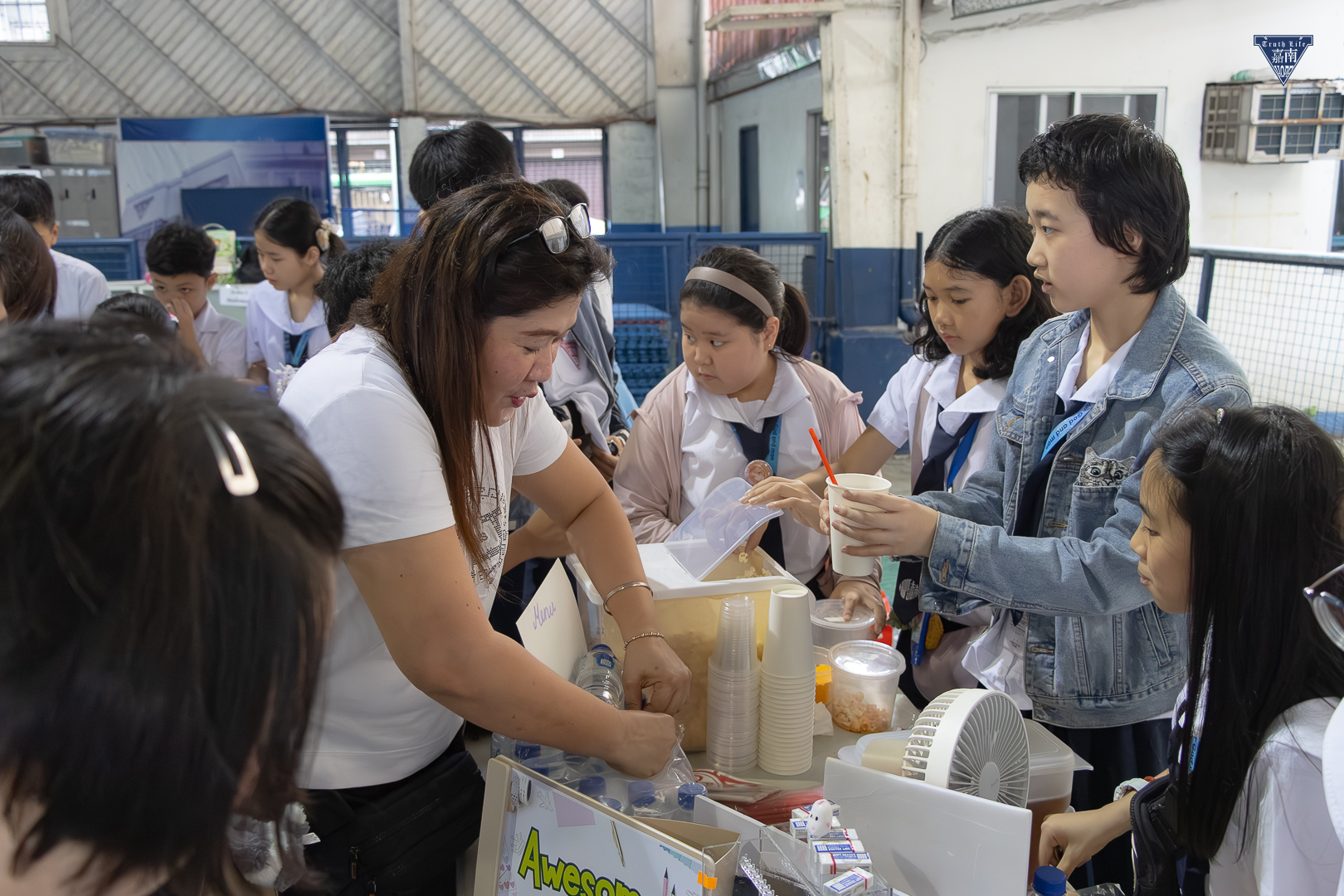
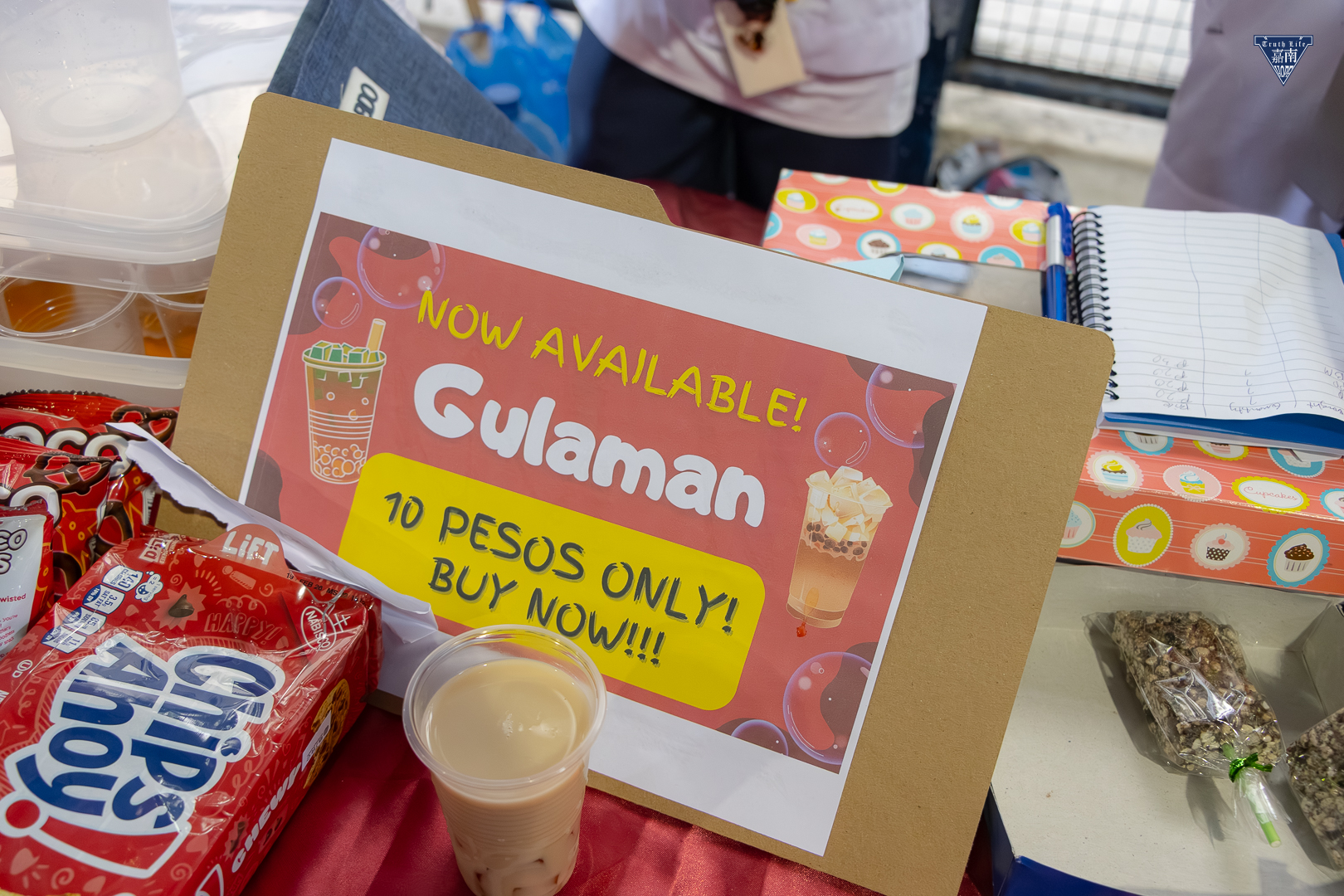
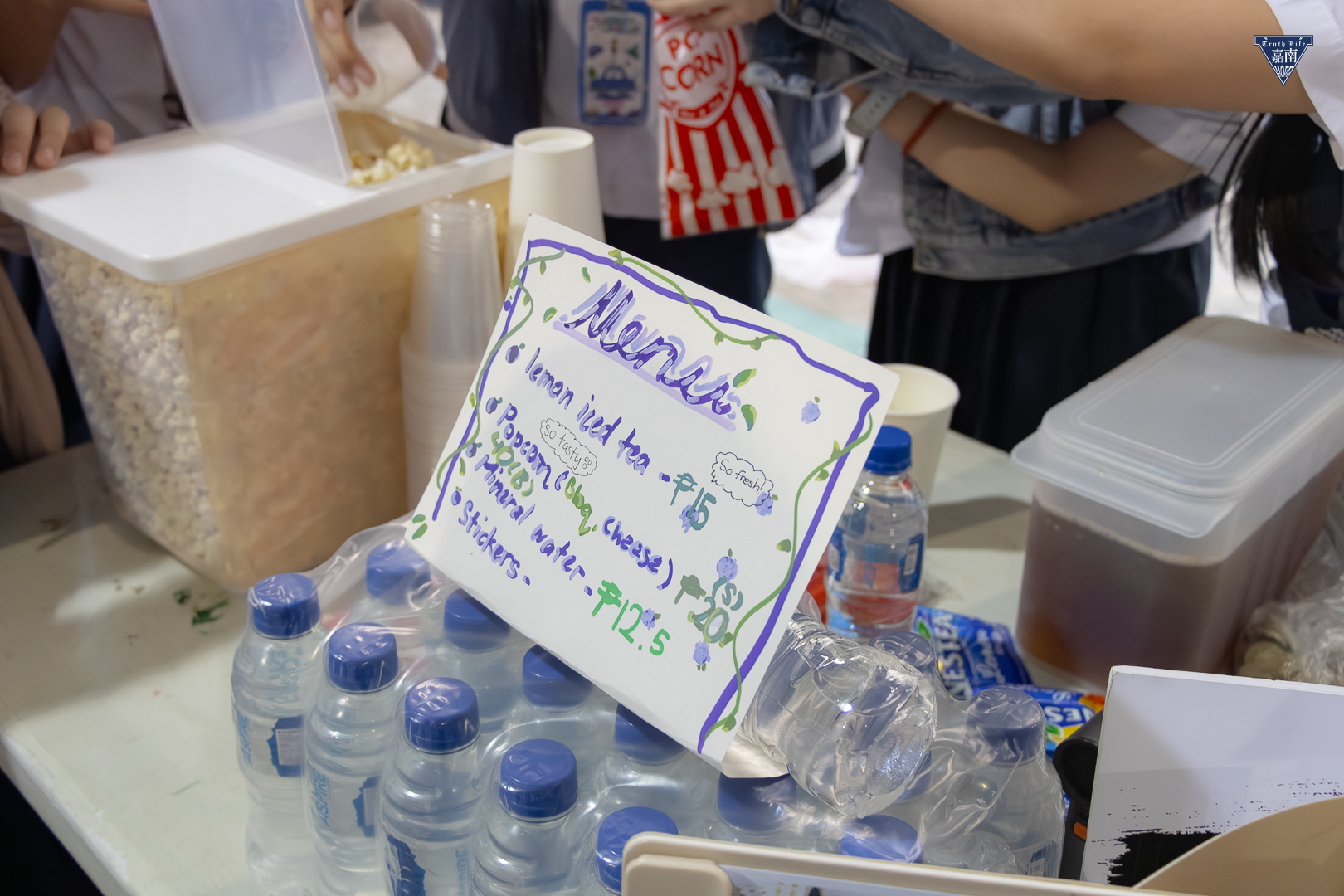
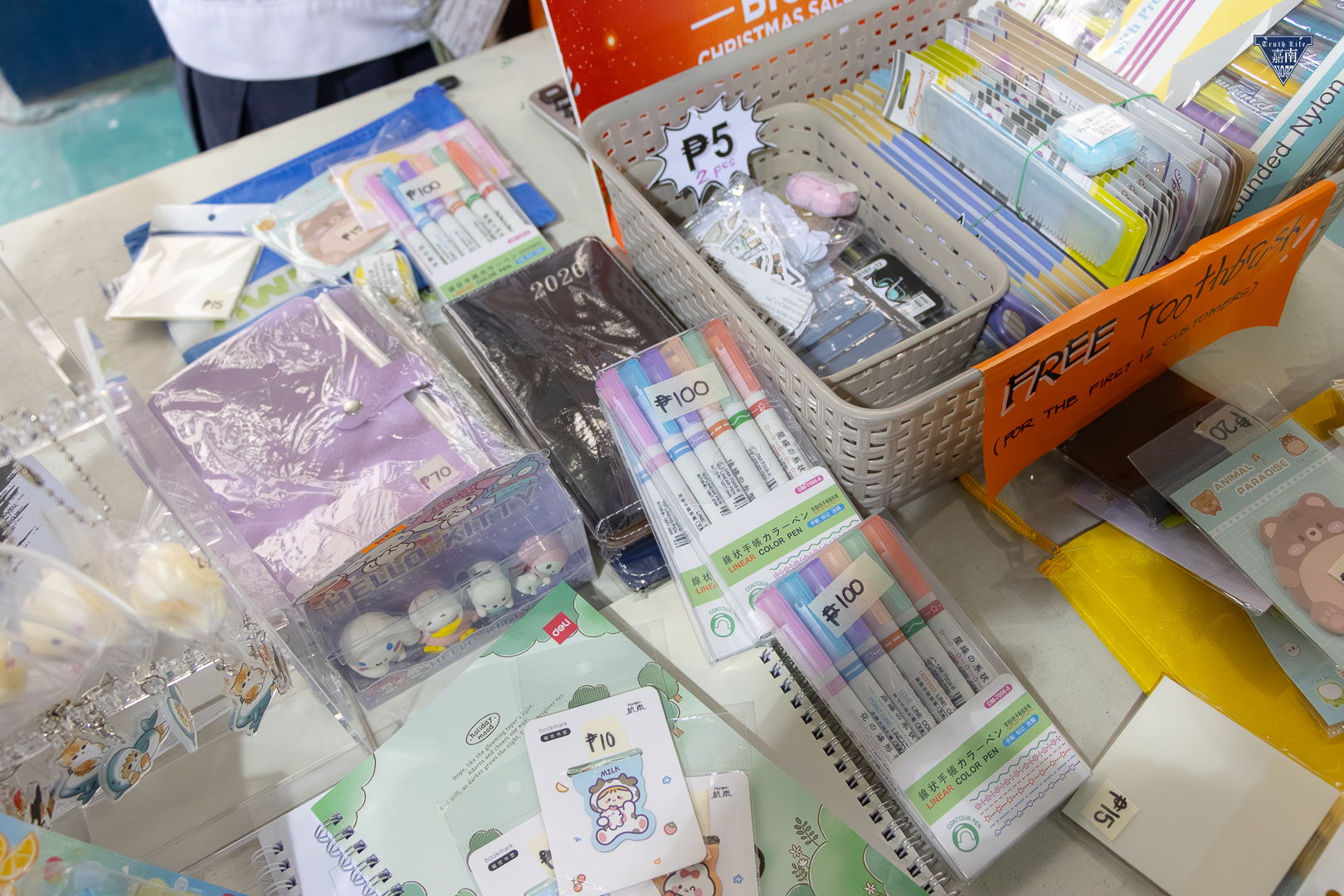
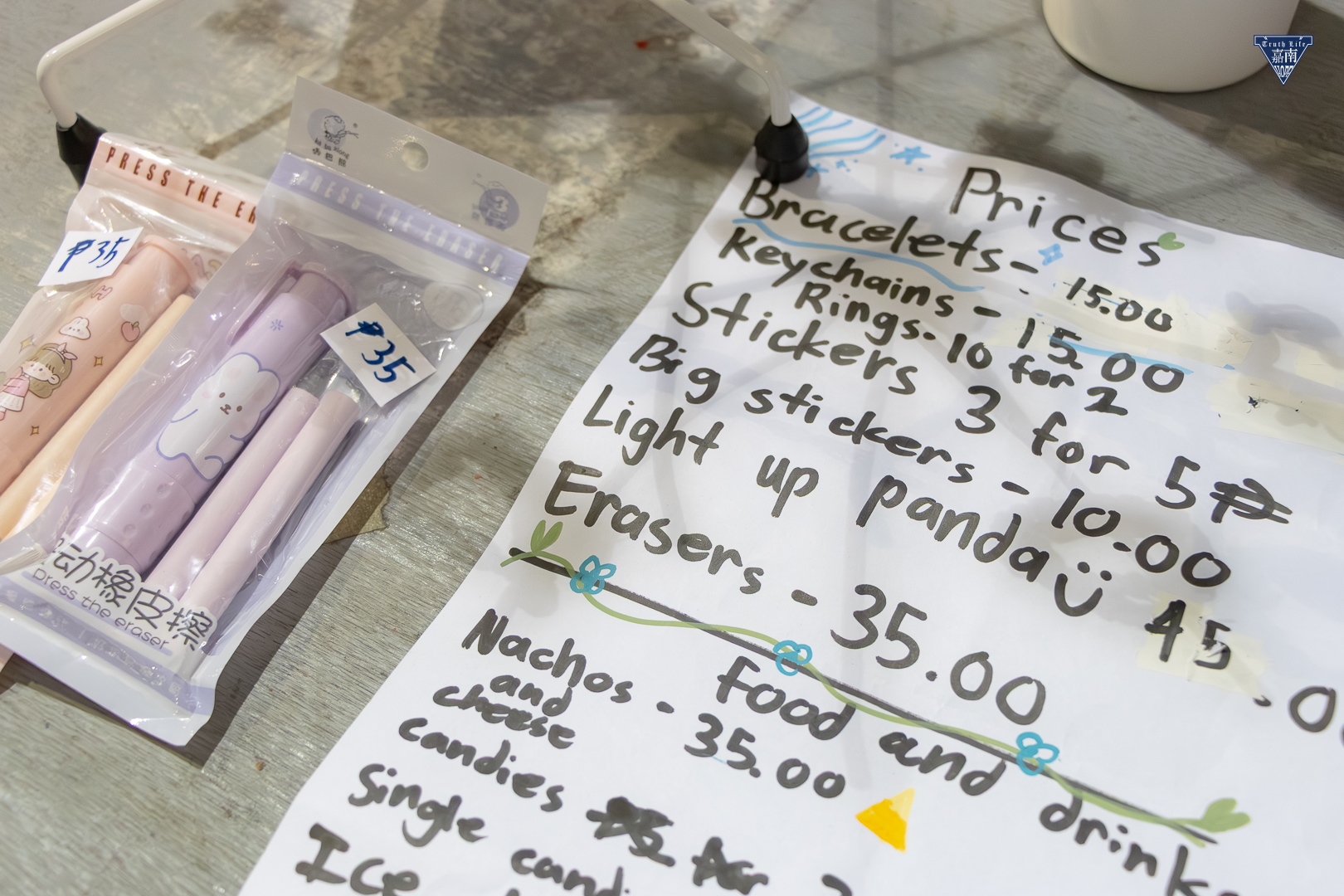
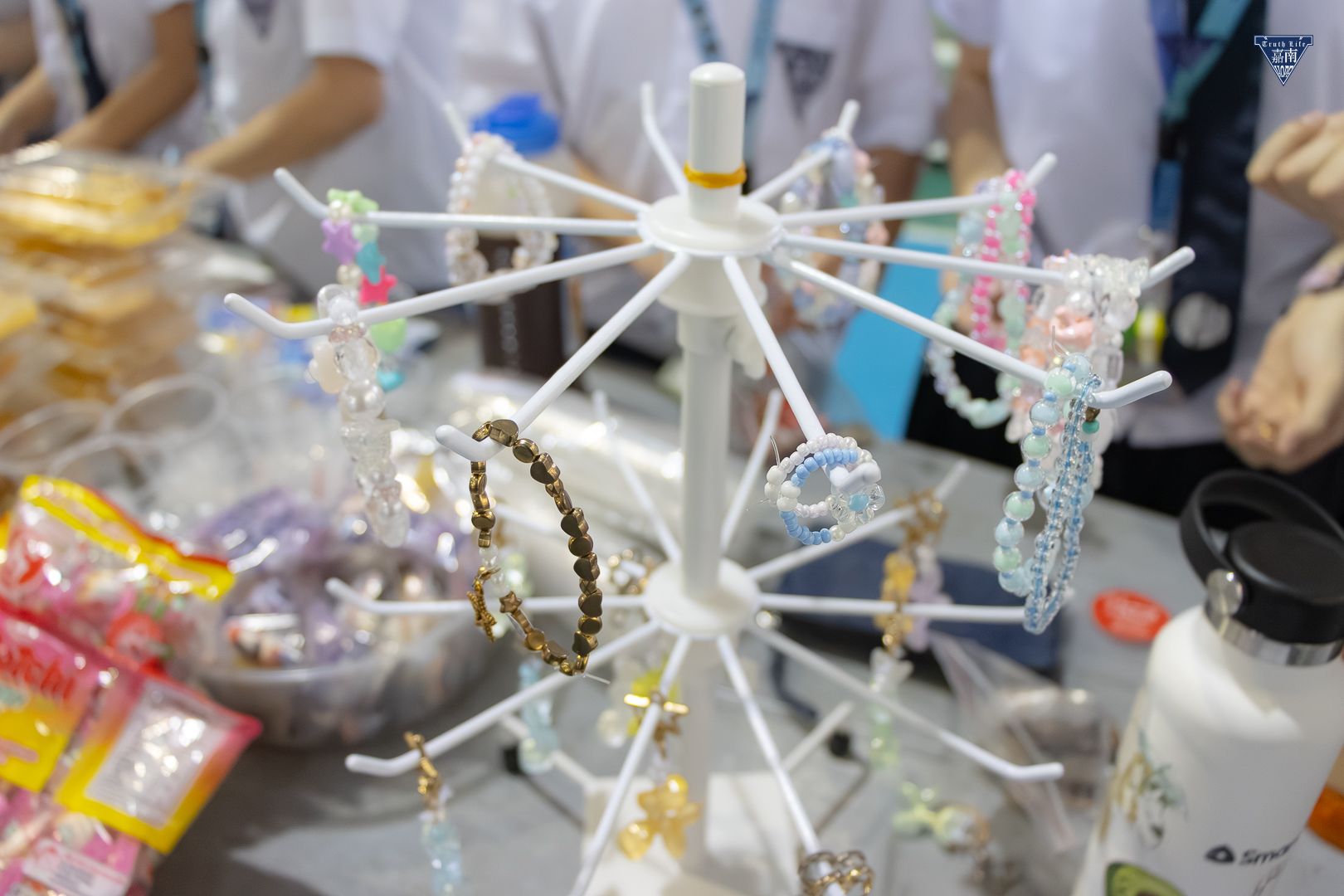
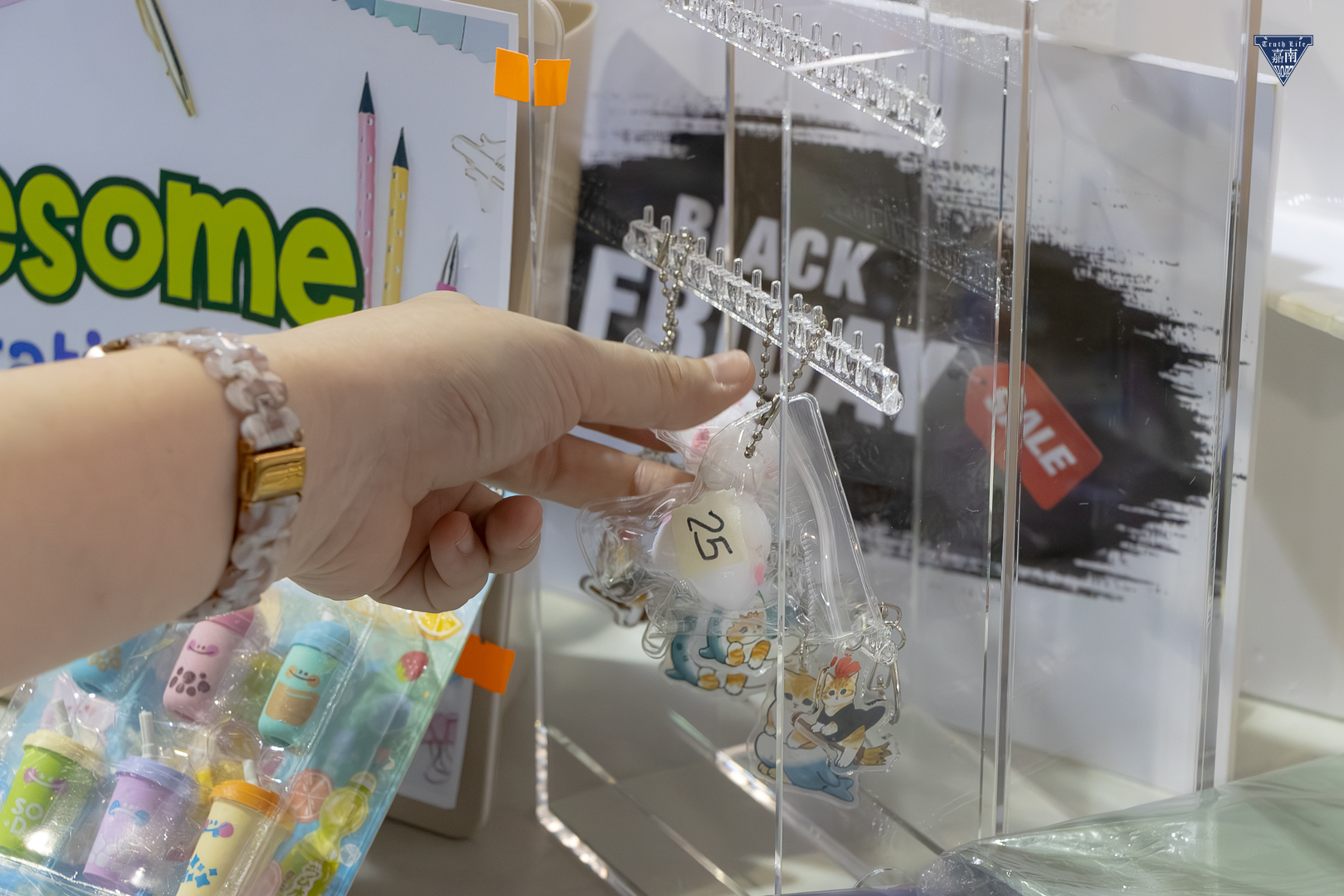
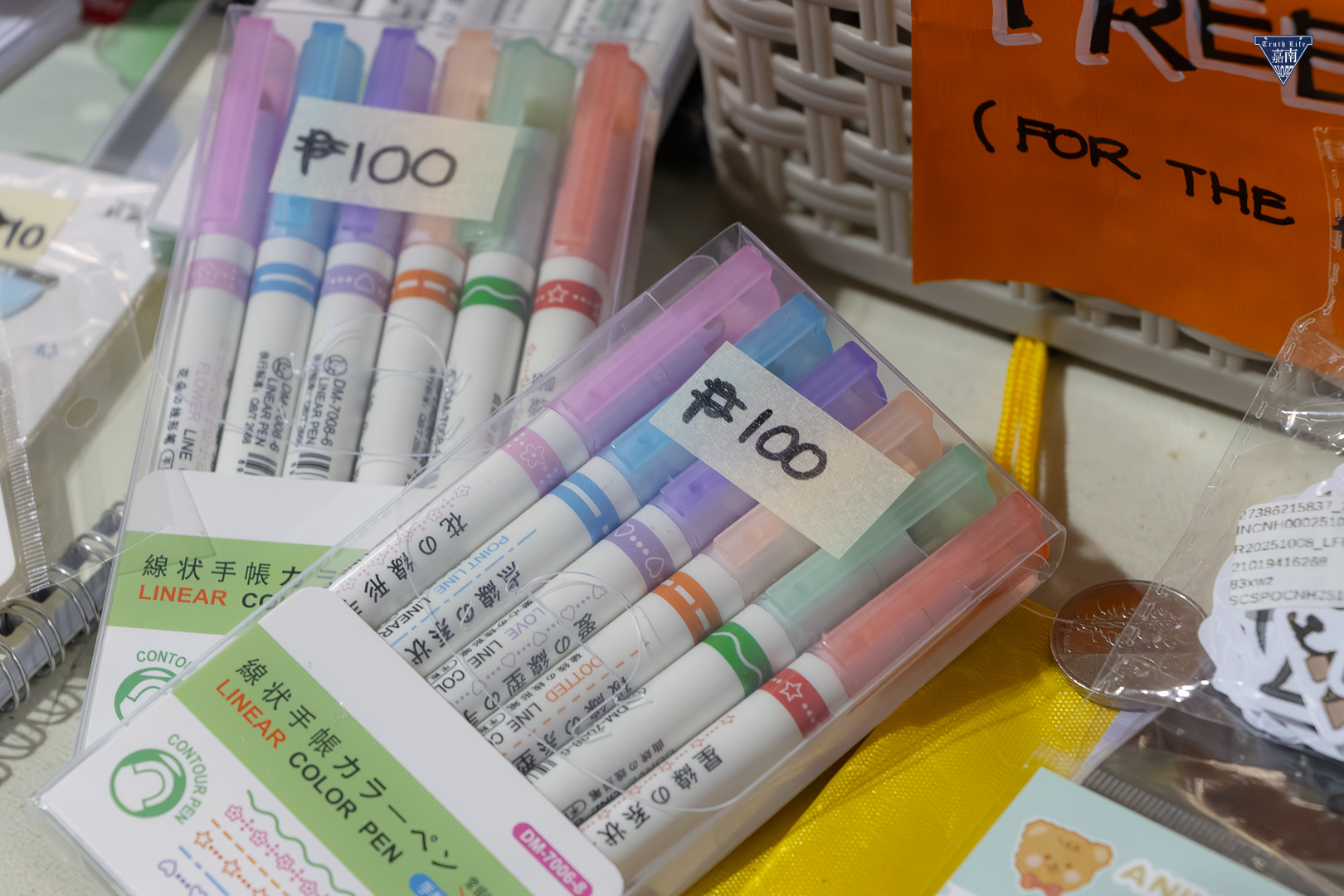
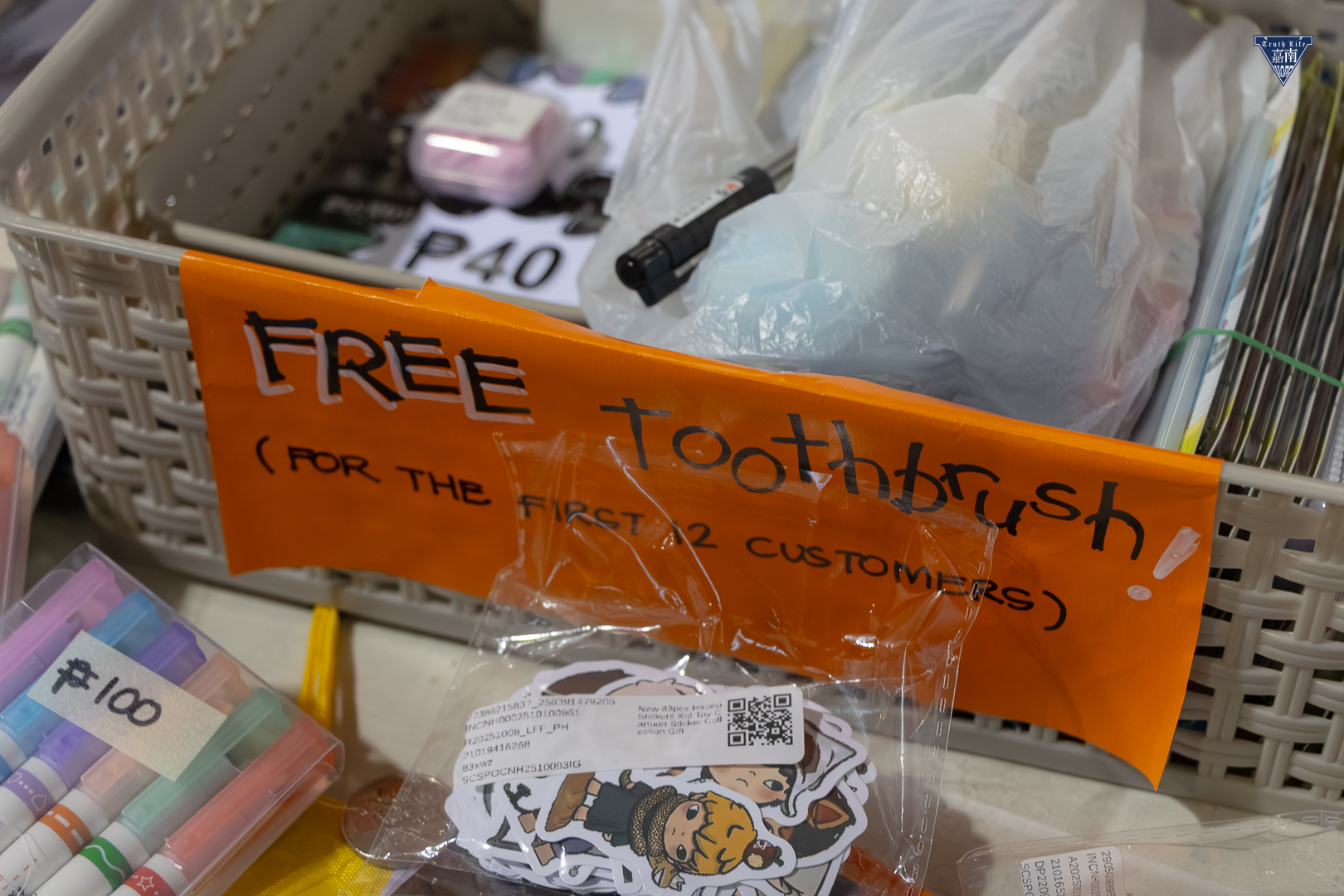
Besides the booths, Grade 5 students also set up stalls for their entrepreneurship activity. The students sold snacks and interesting crafts. In connection with their numeracy lessons, they prepared the overall budget for their stores. The students kept the profits they gained from their sales. They were also encouraged to donate to the White Gift Drive.


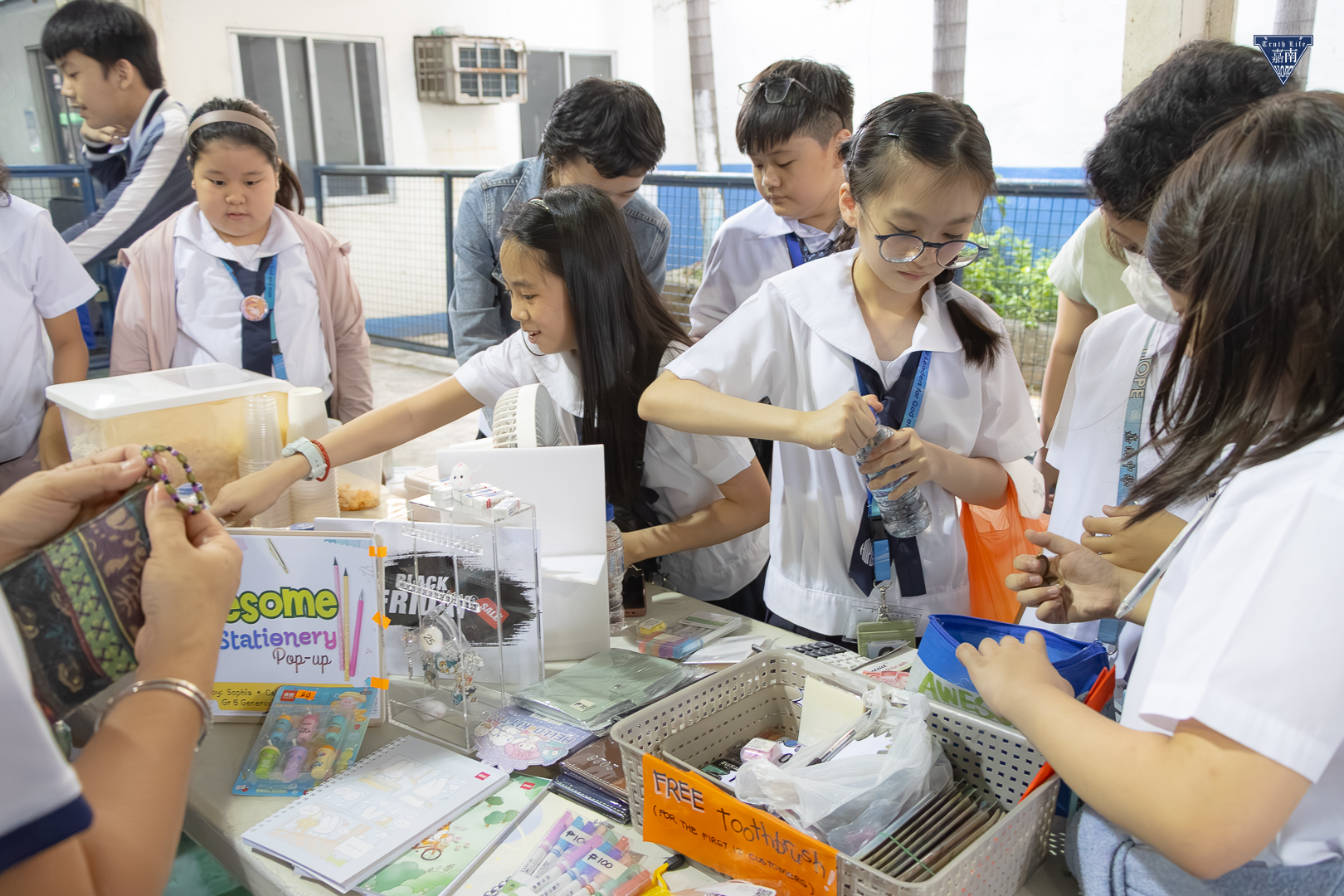
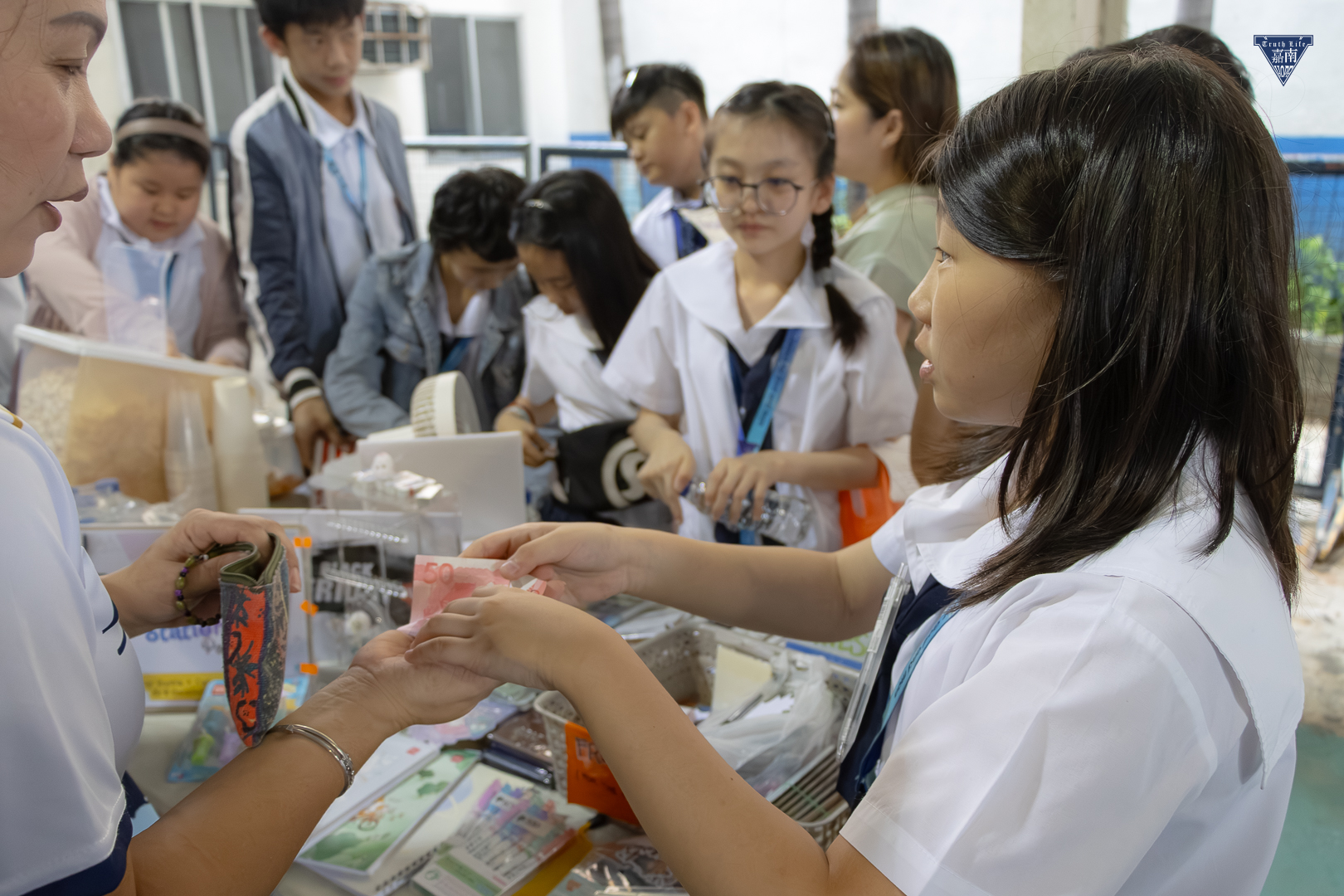
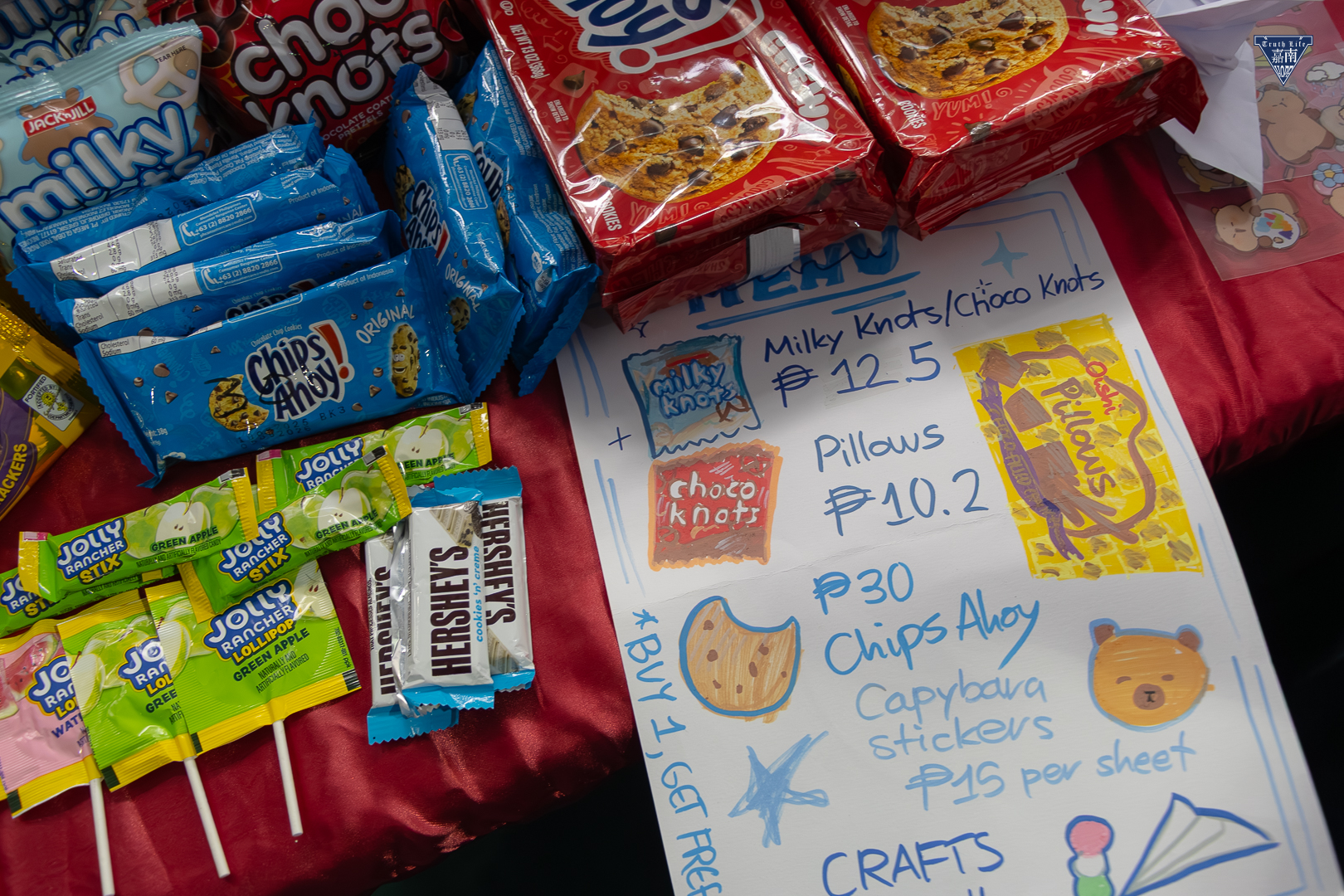
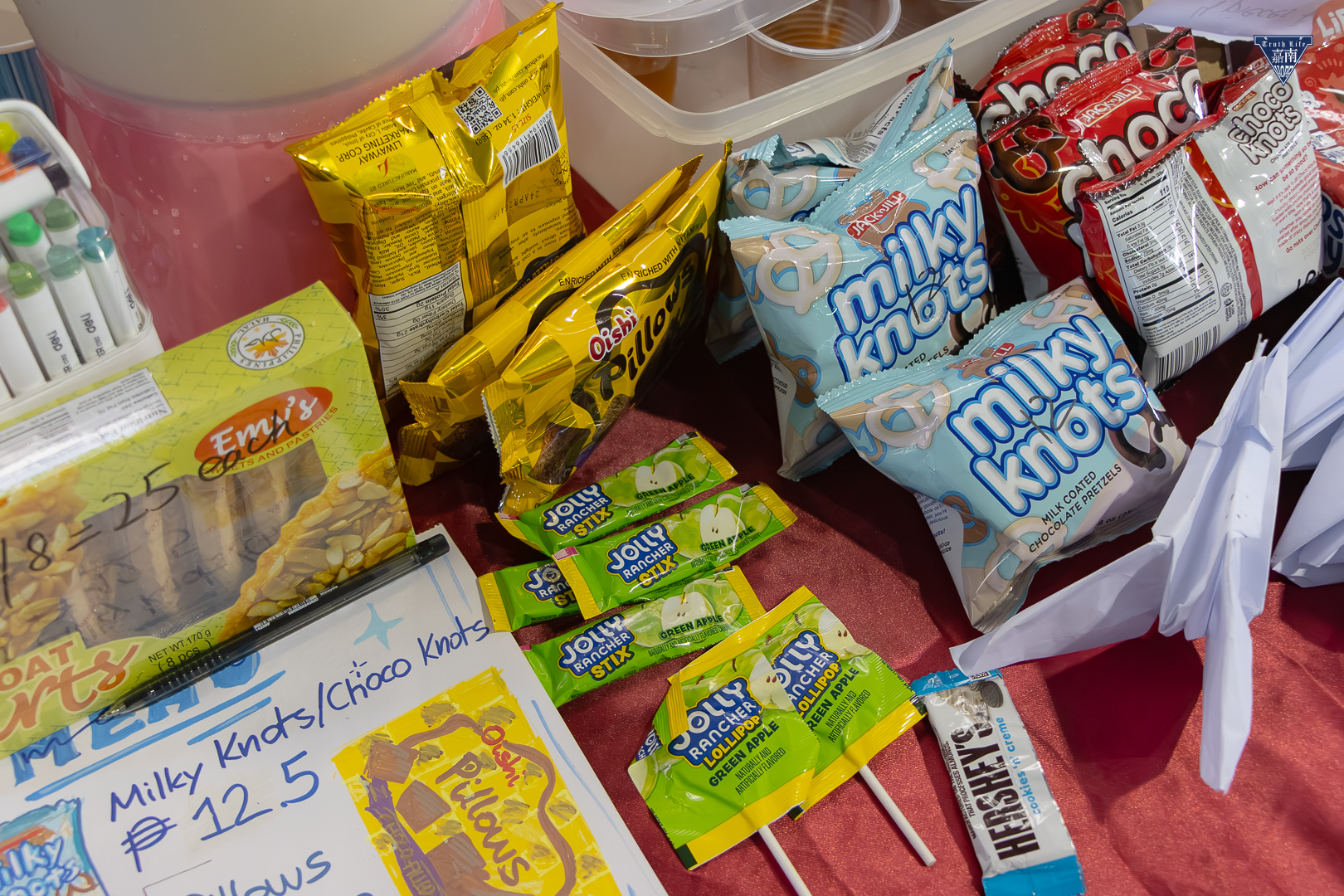
PYP Market Day
Systems, Solutions Showcase: MYP STEAM Activities
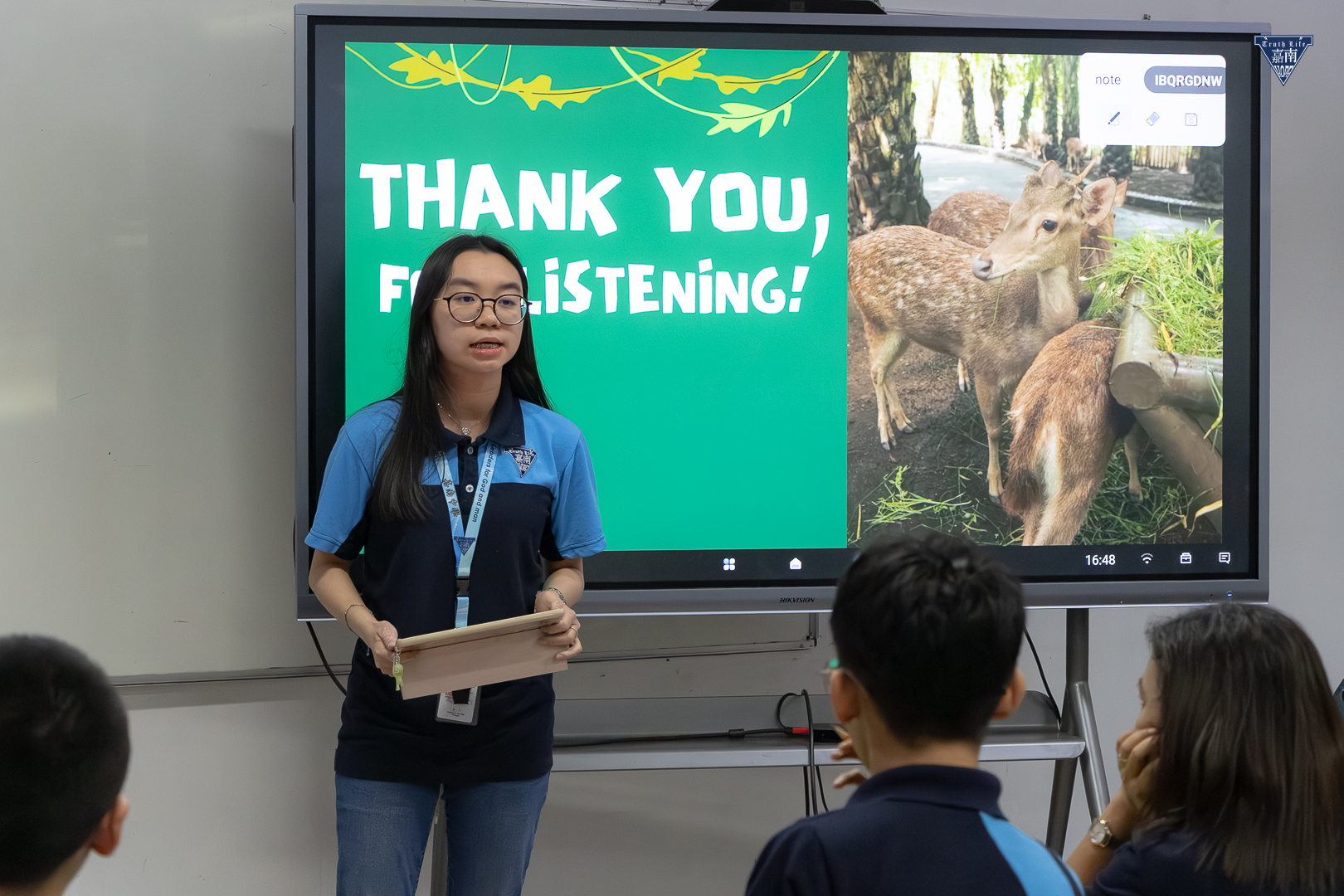
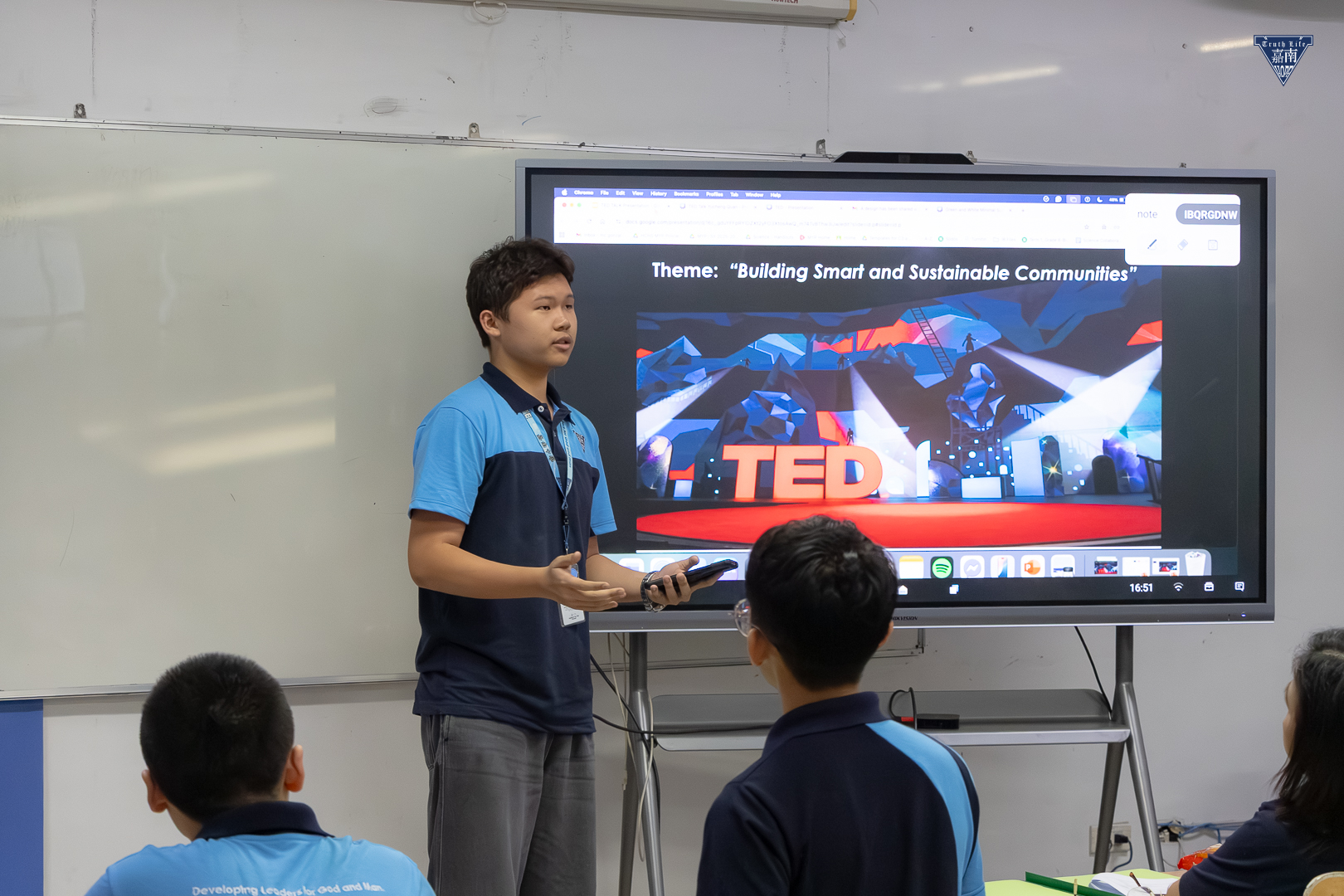
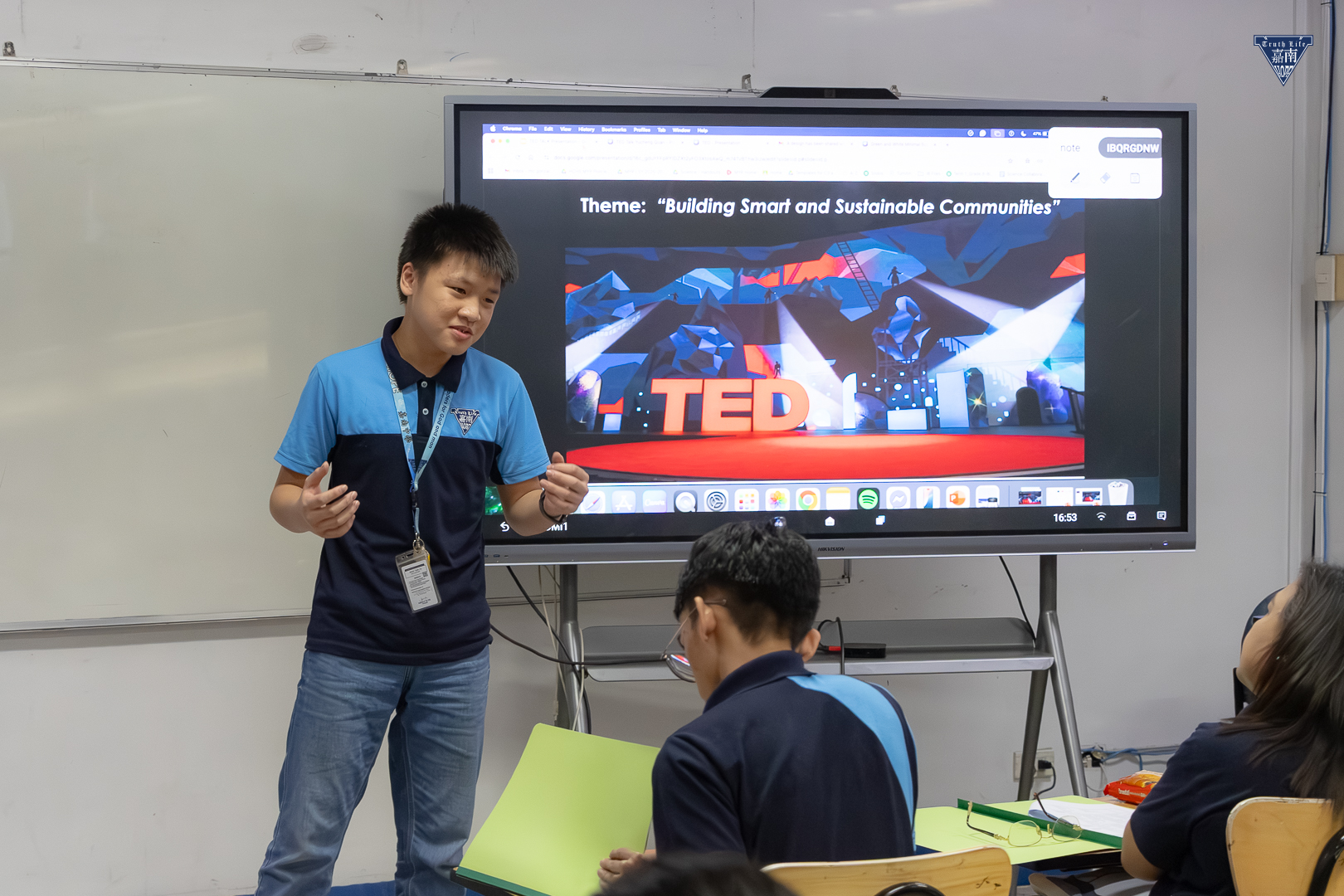
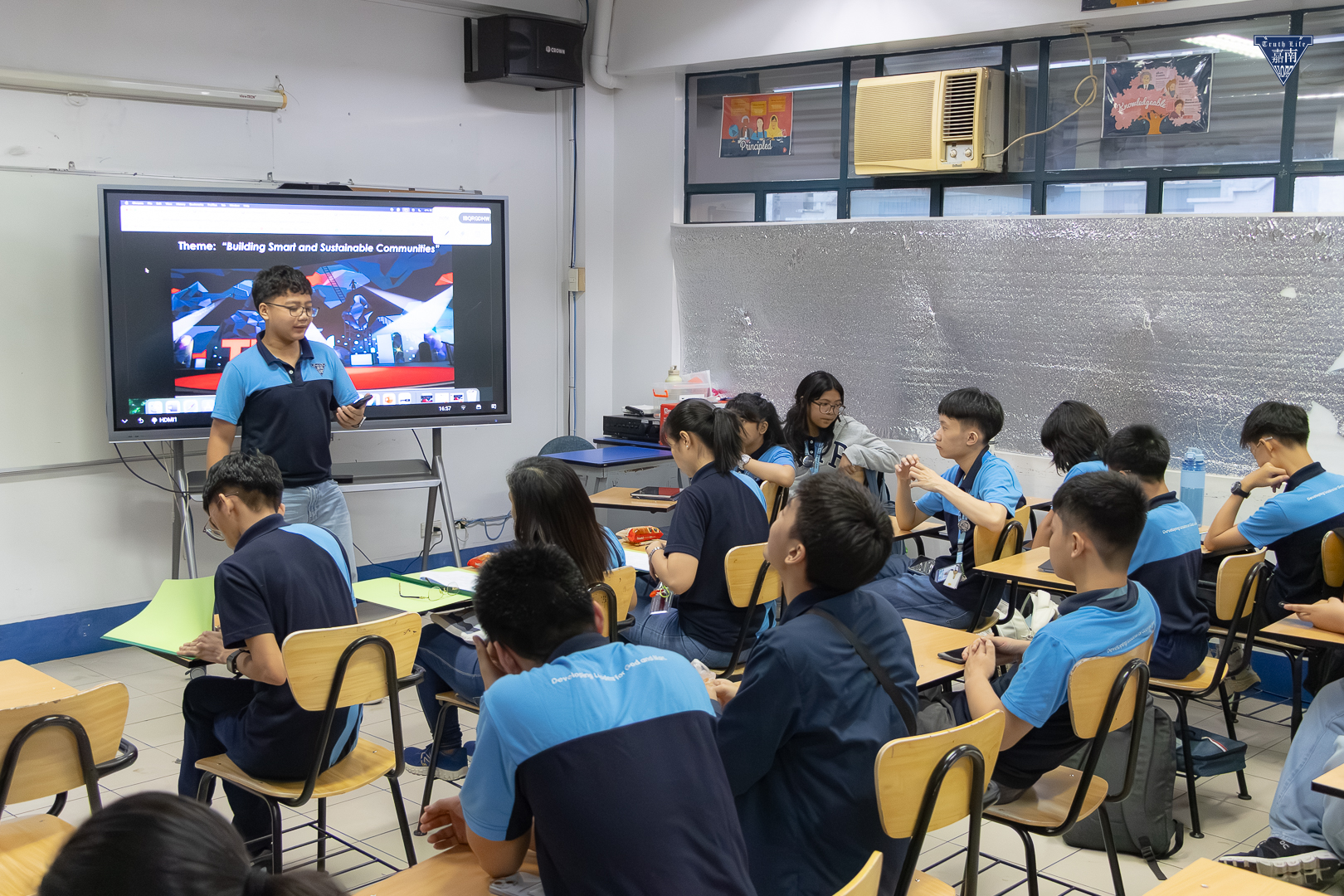
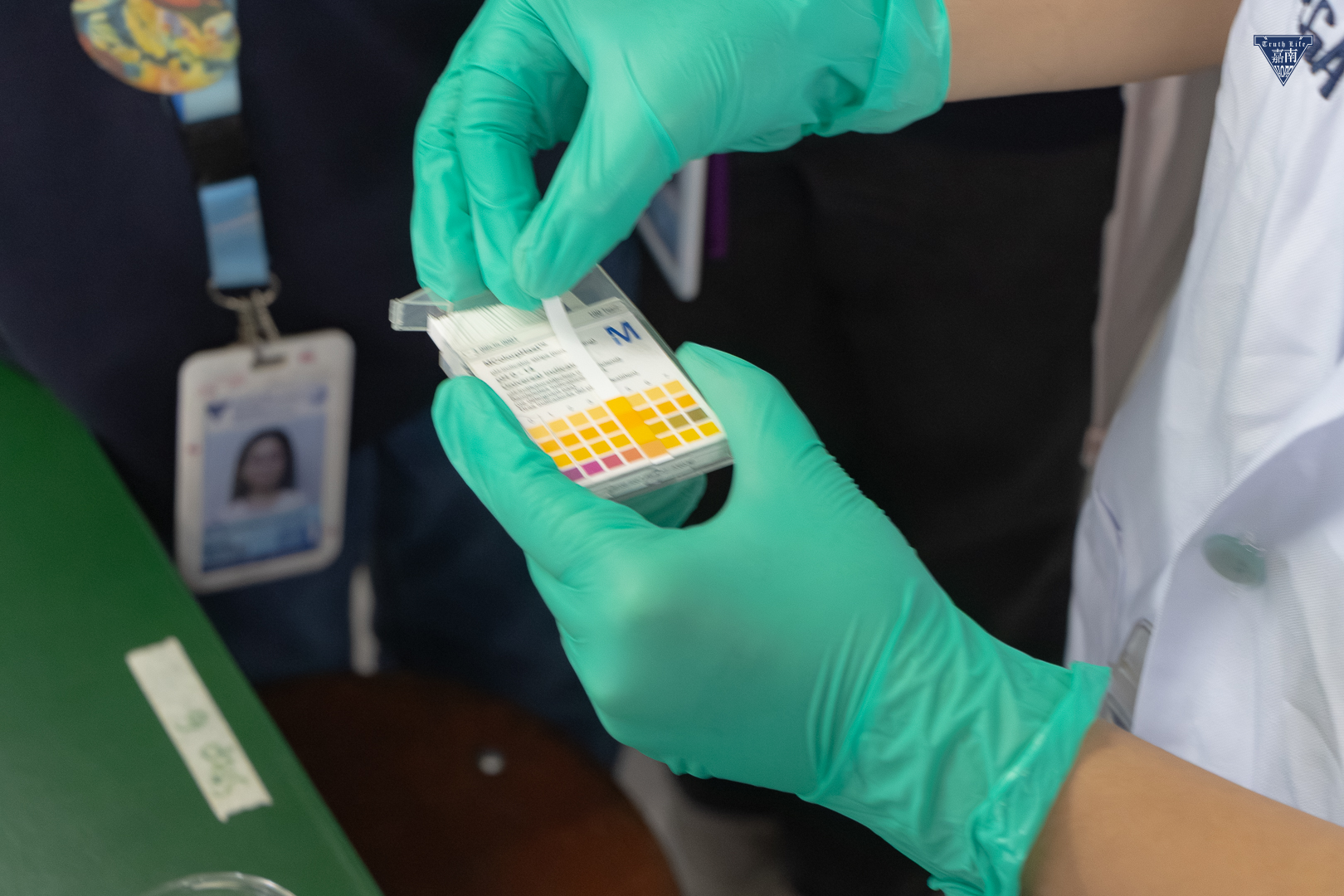
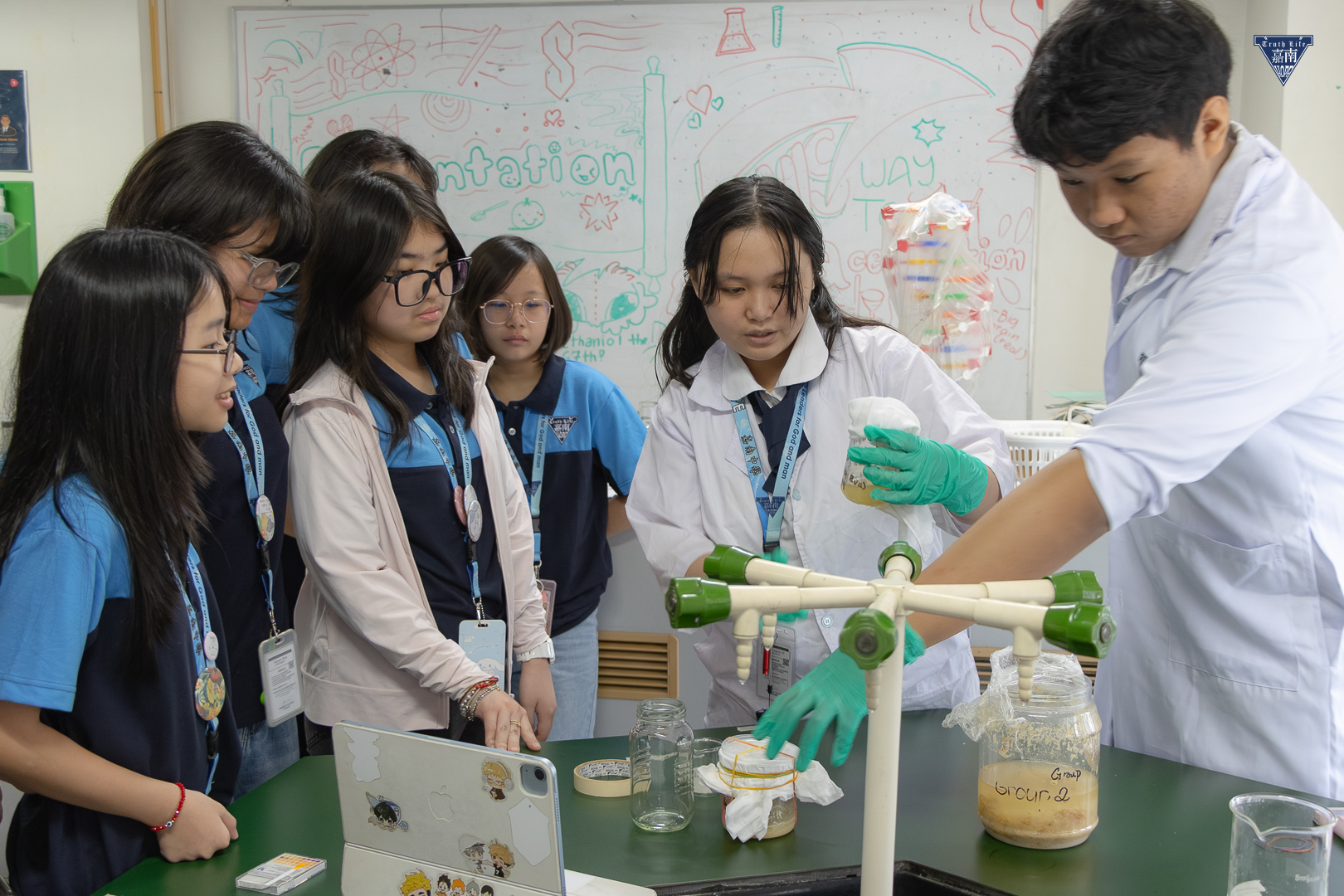
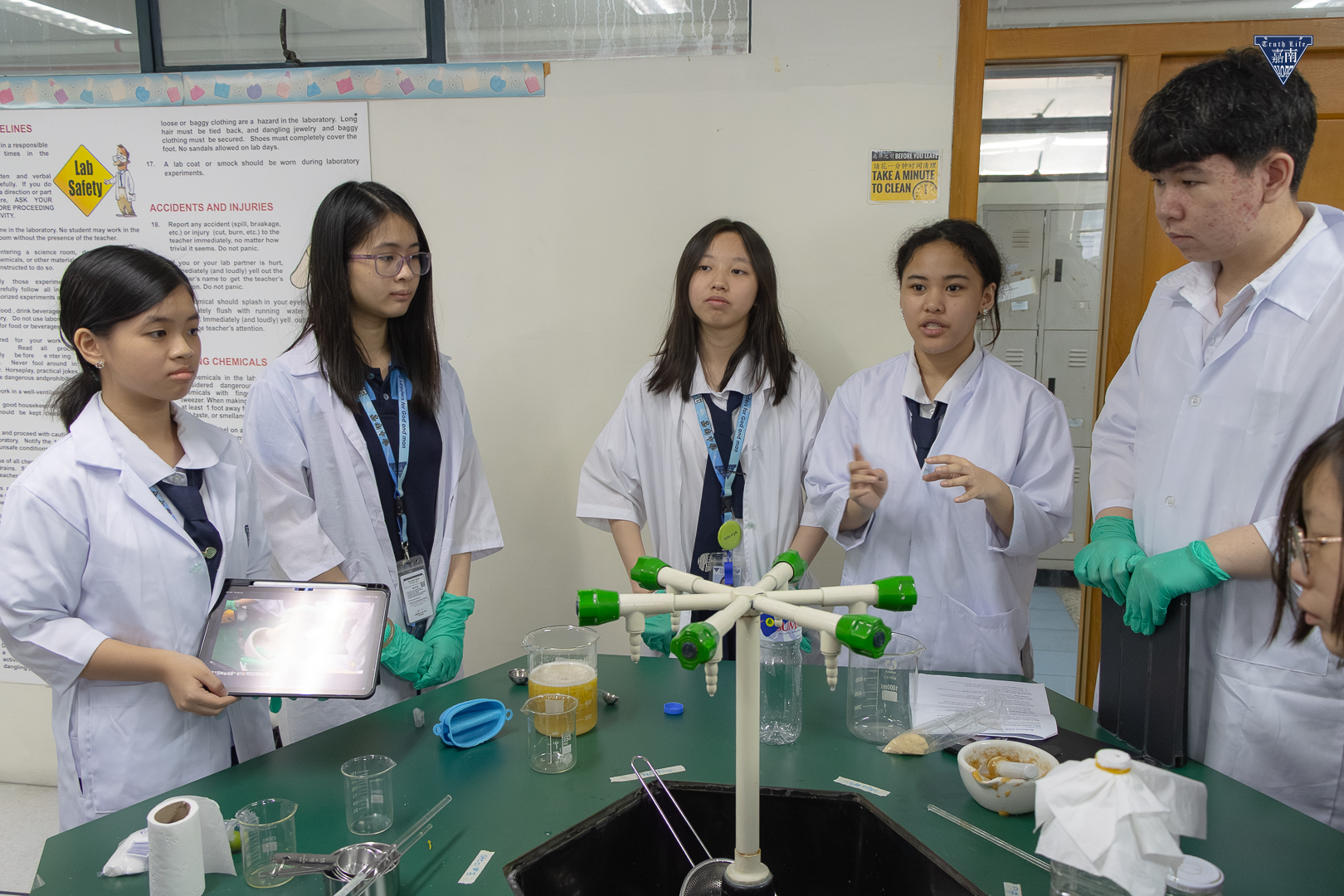
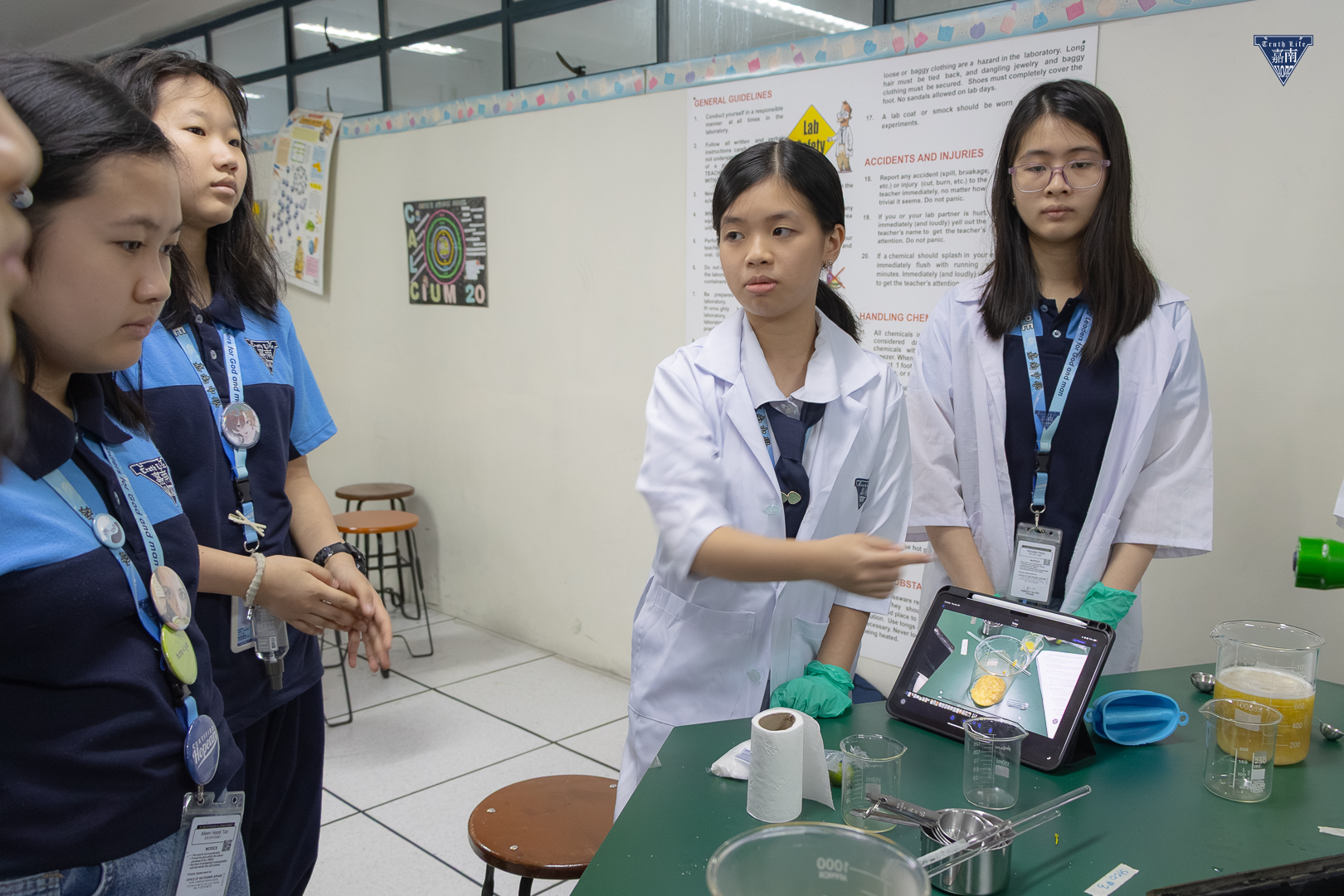
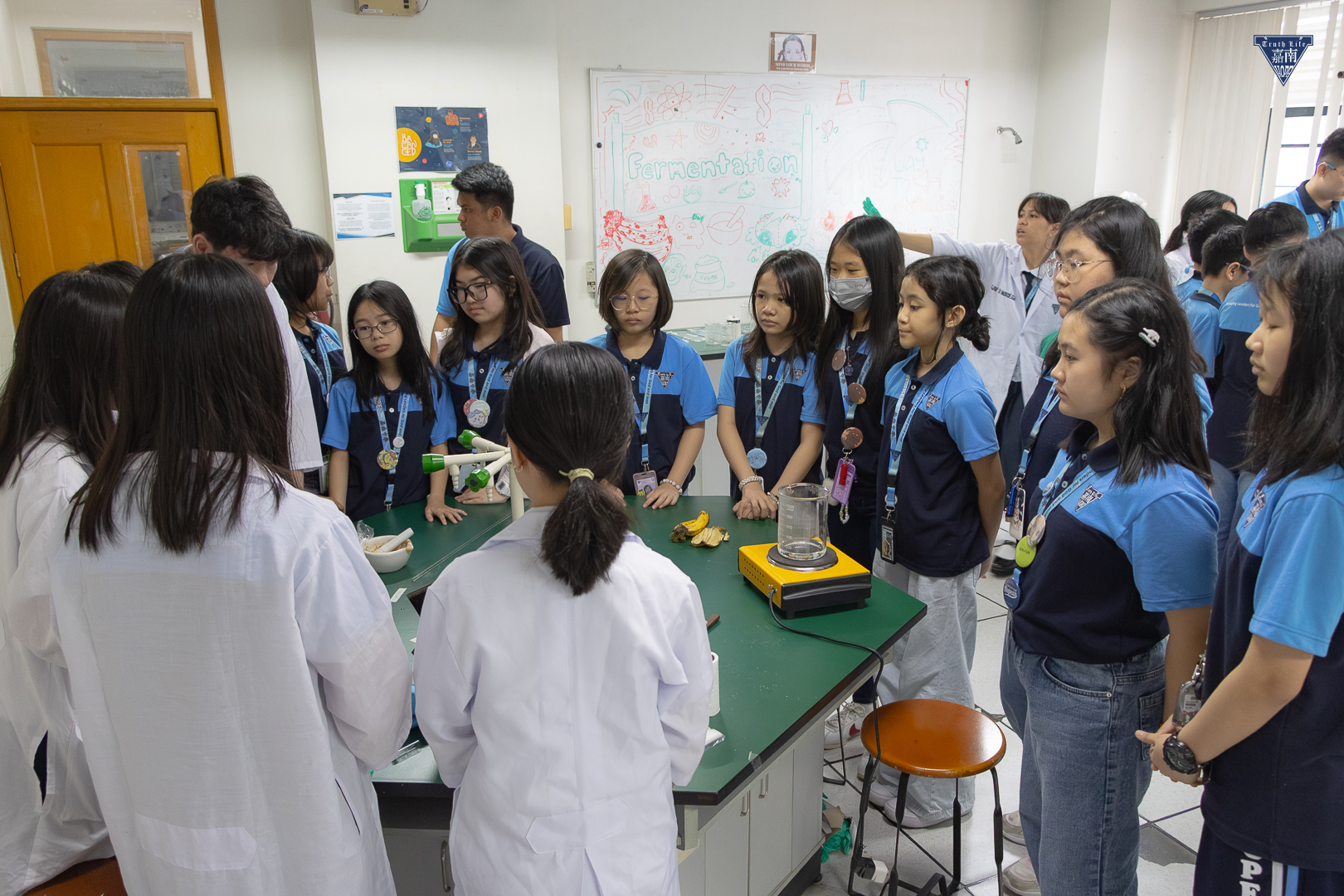
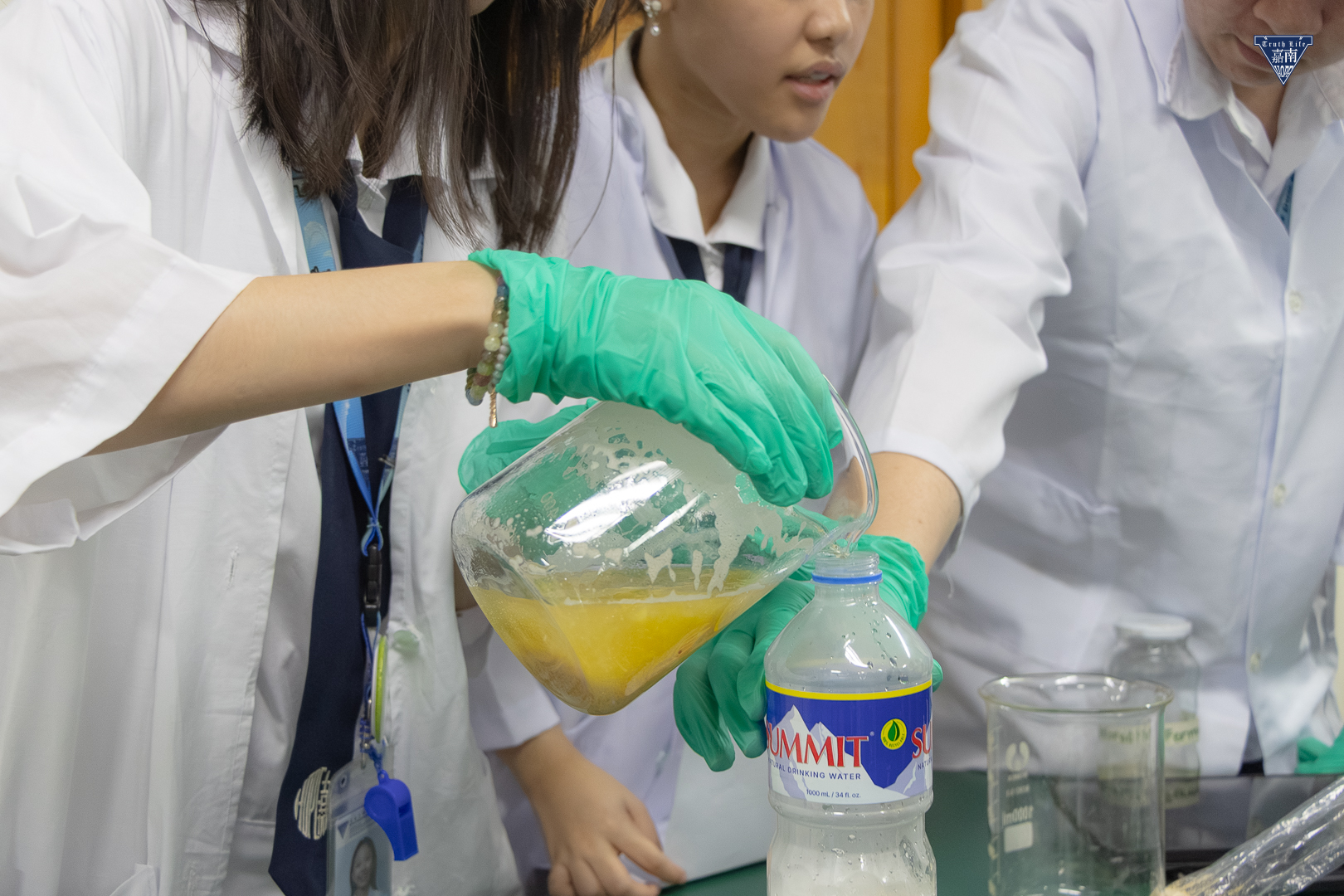
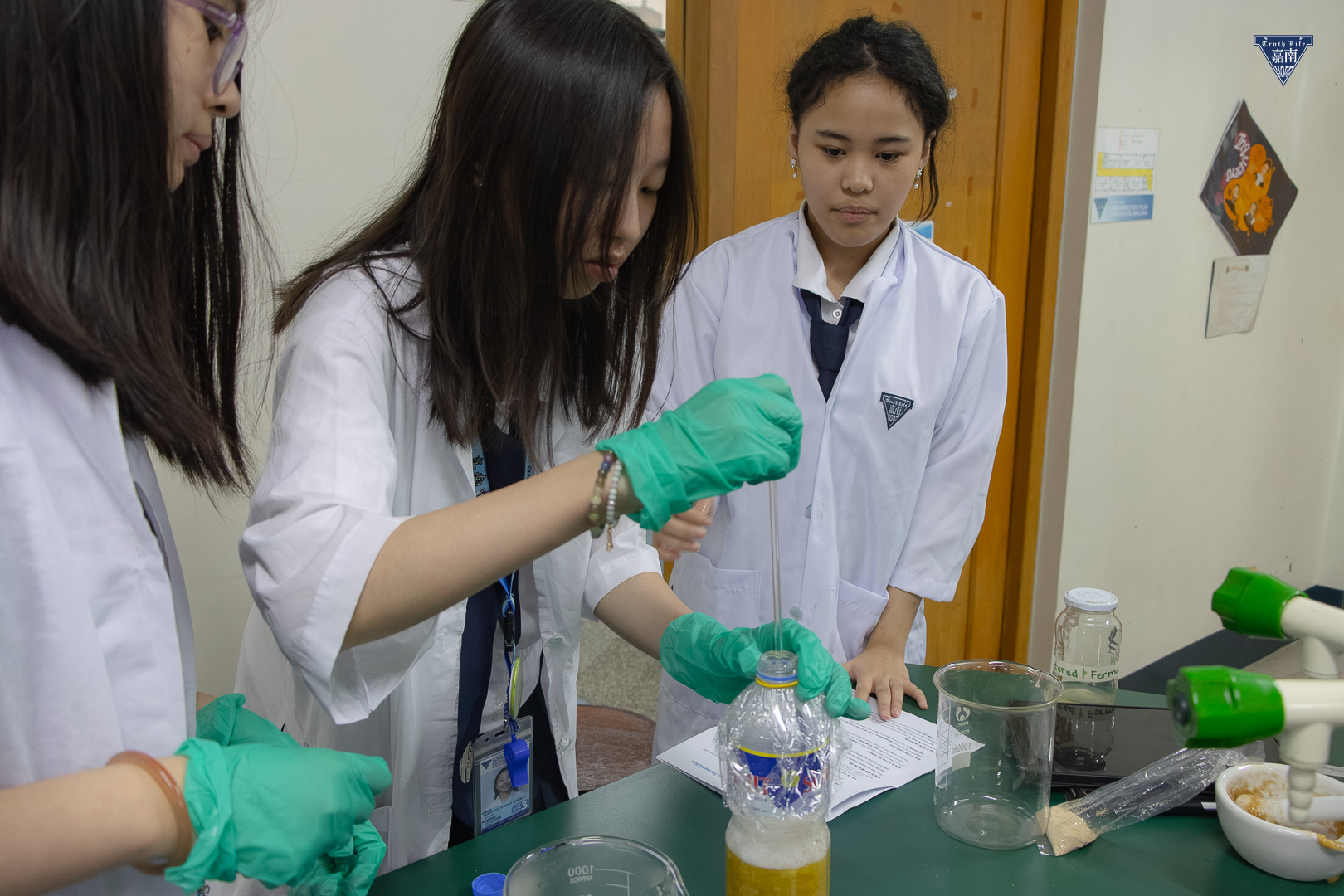
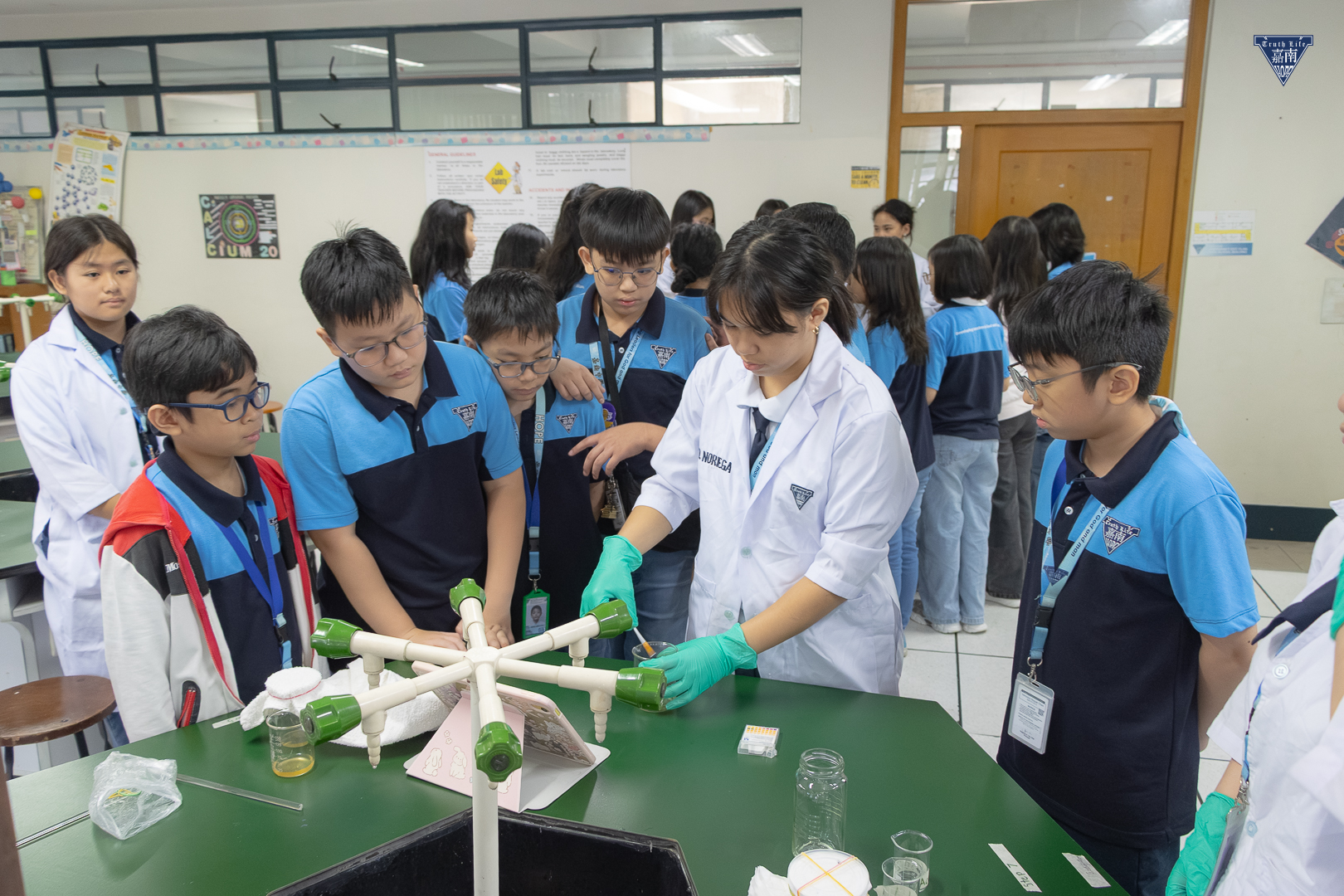
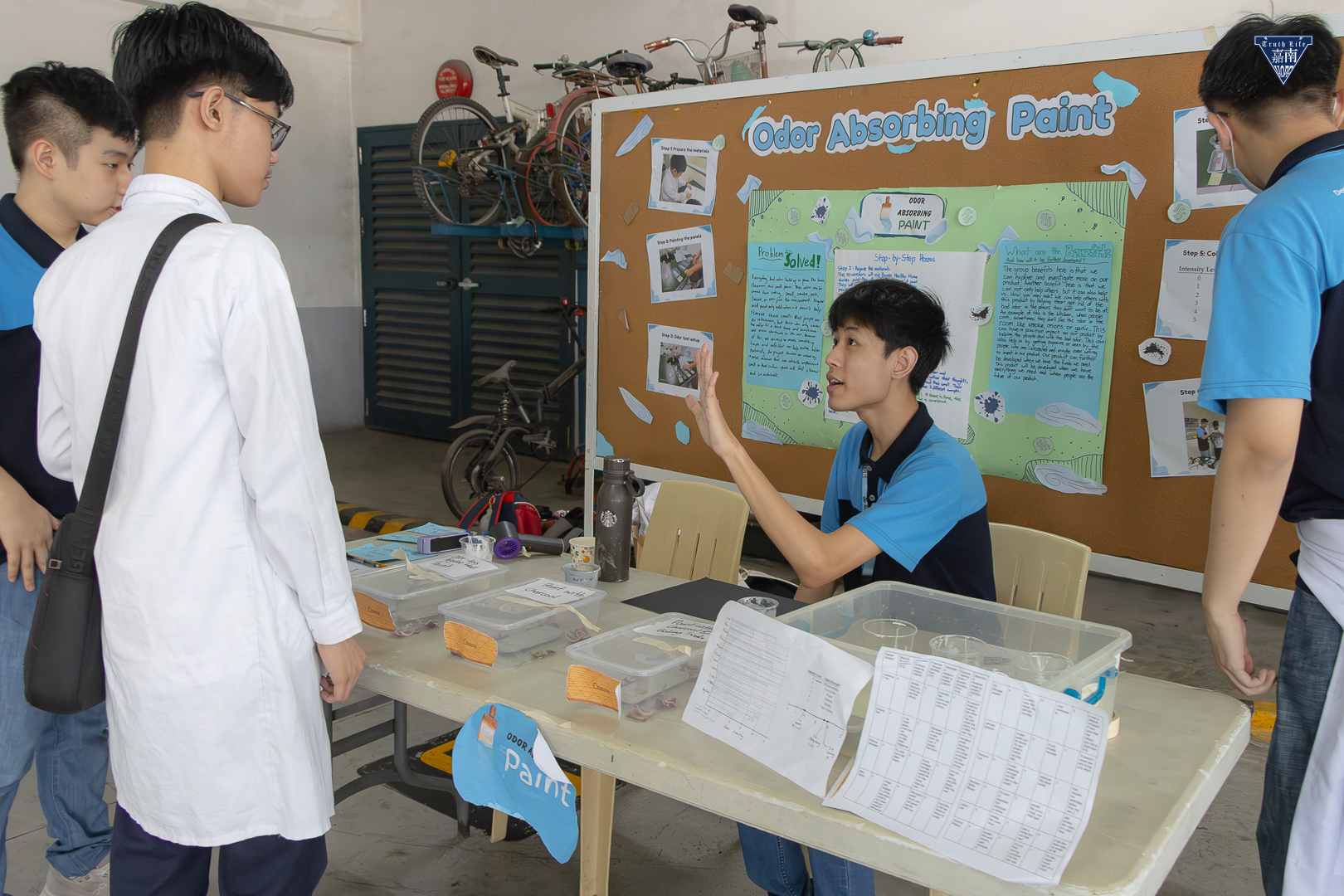
MYP students delved into a multidisciplinary exploration of building smart and sustainable communities. Promoting scientific understanding, the students presented insightful topics related to Chemistry, Biology, Physics and Integrated Science. They presented how science can contribute to sustainable development through TED Talks. Through an investigation on banana vinegar, they also learned about the biochemical processes of fermentation and its implications for sustainable biotechnology and food waste repurposing. MYP students also delivered presentations of their investigatory projects in Chemistry.
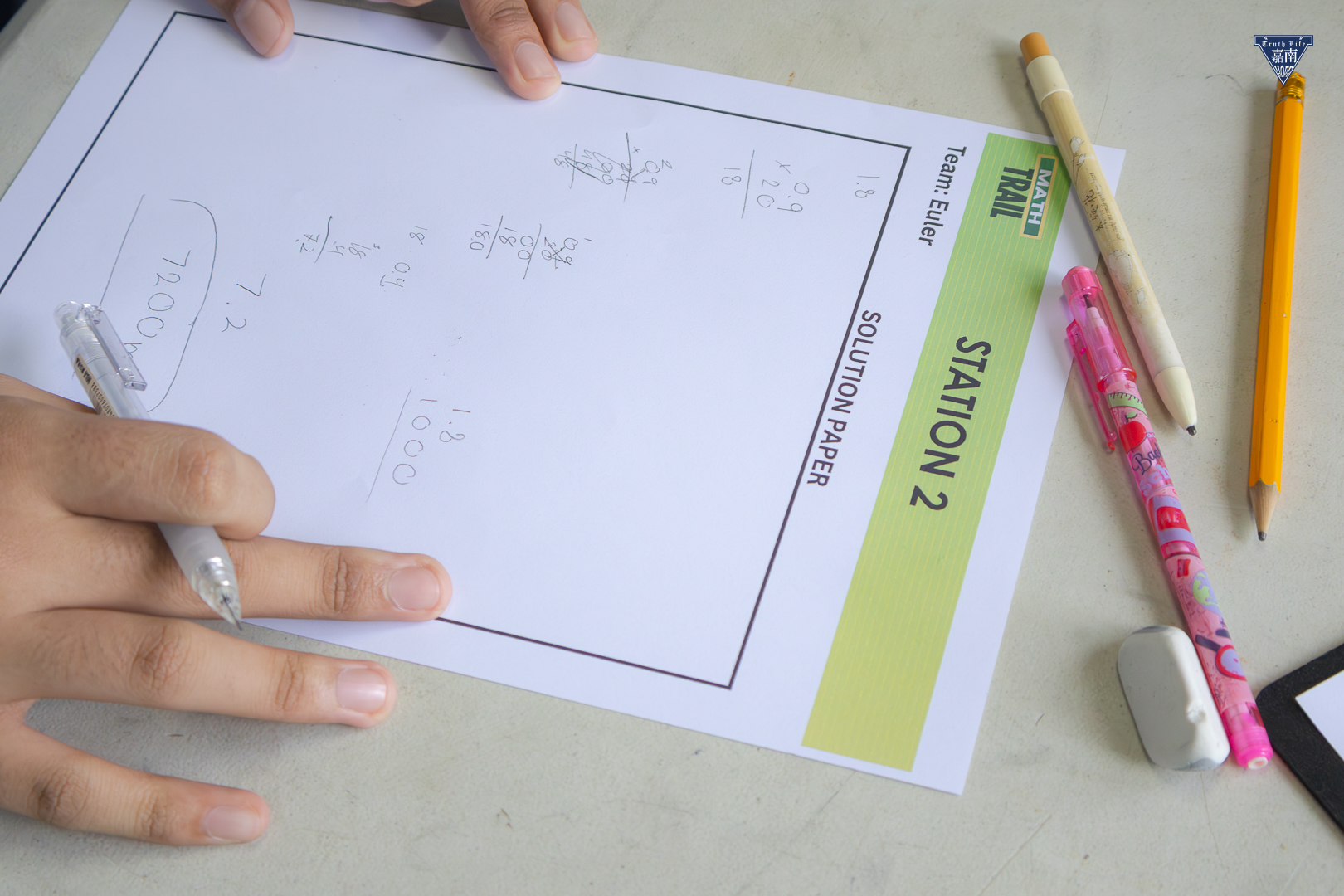
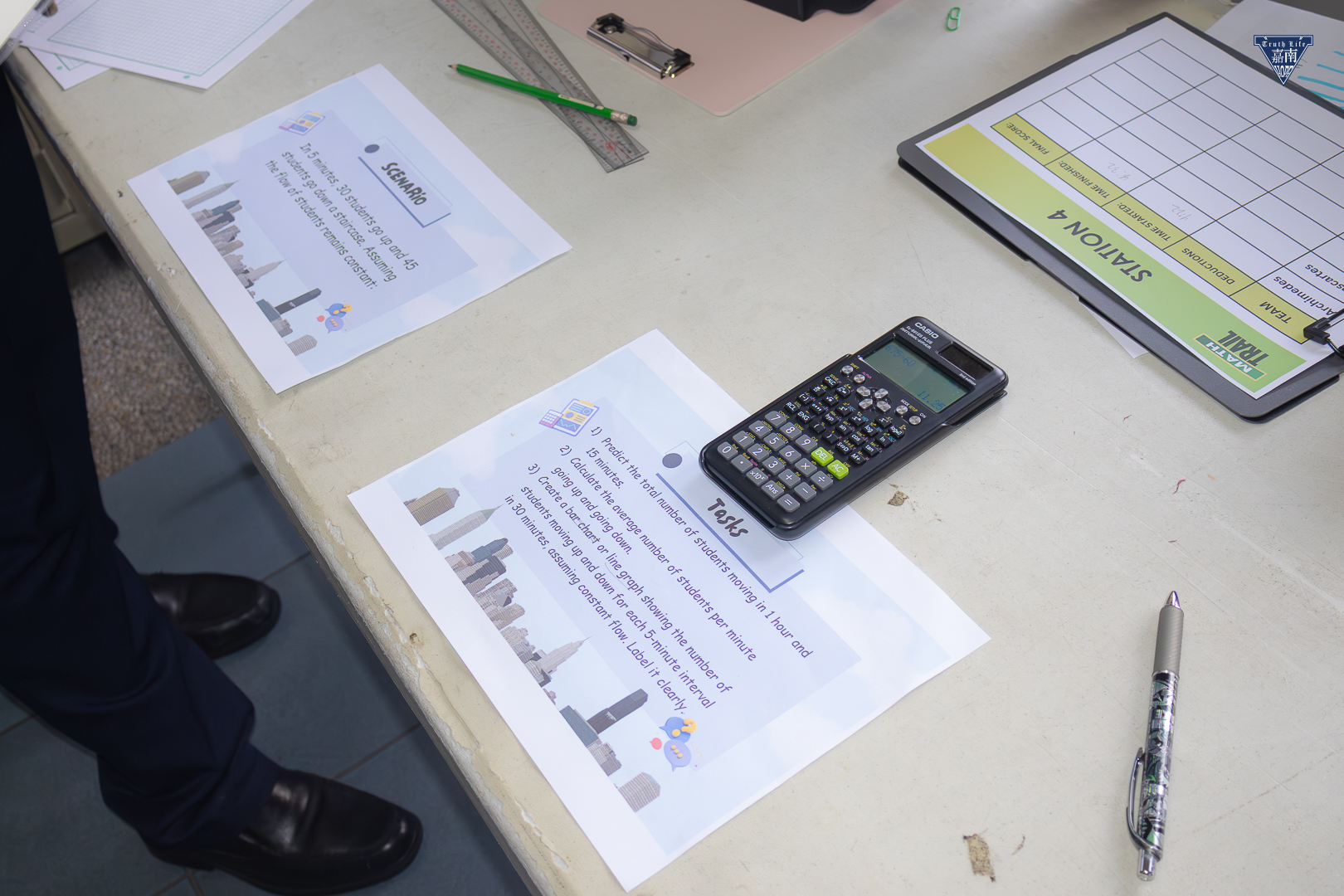
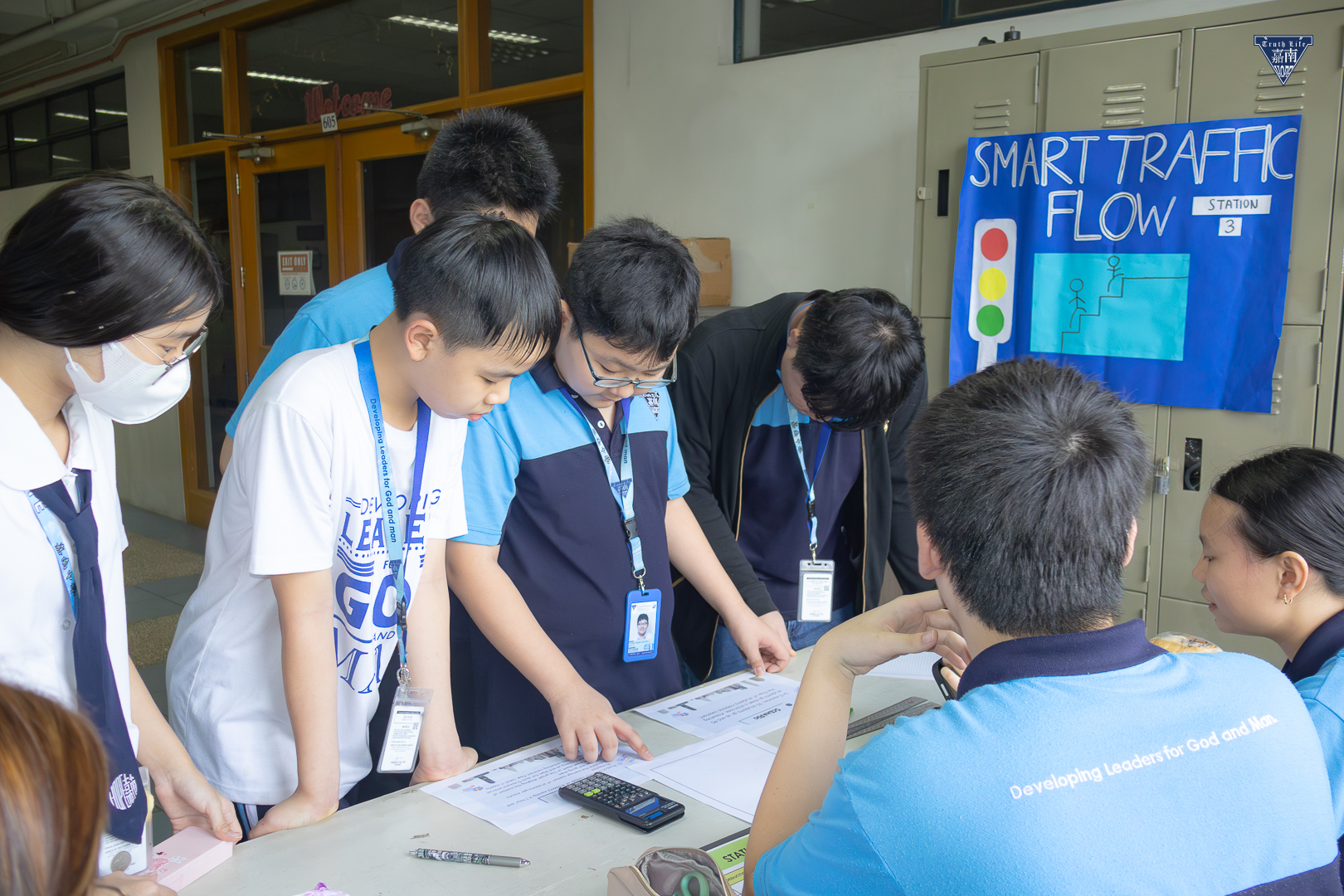
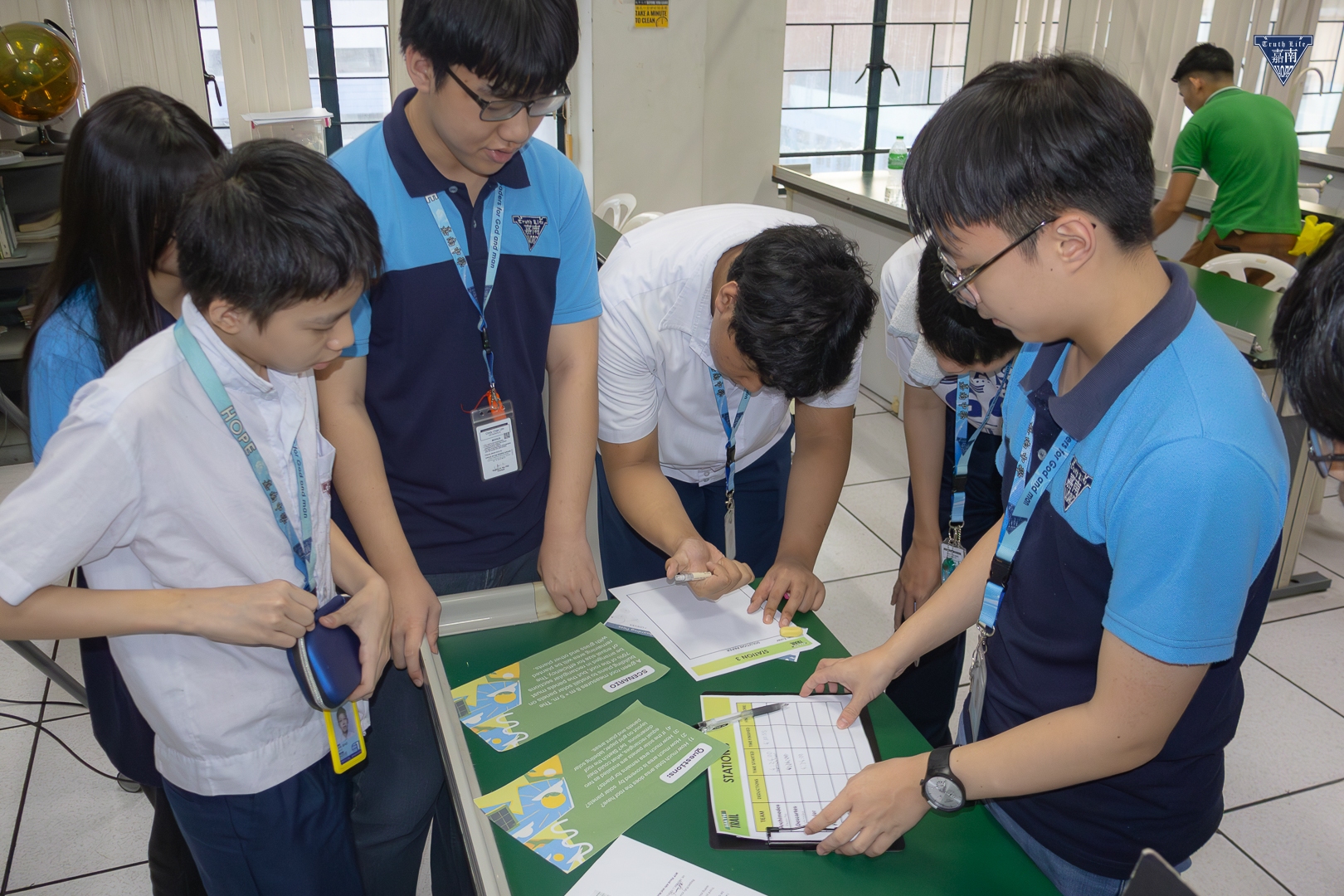
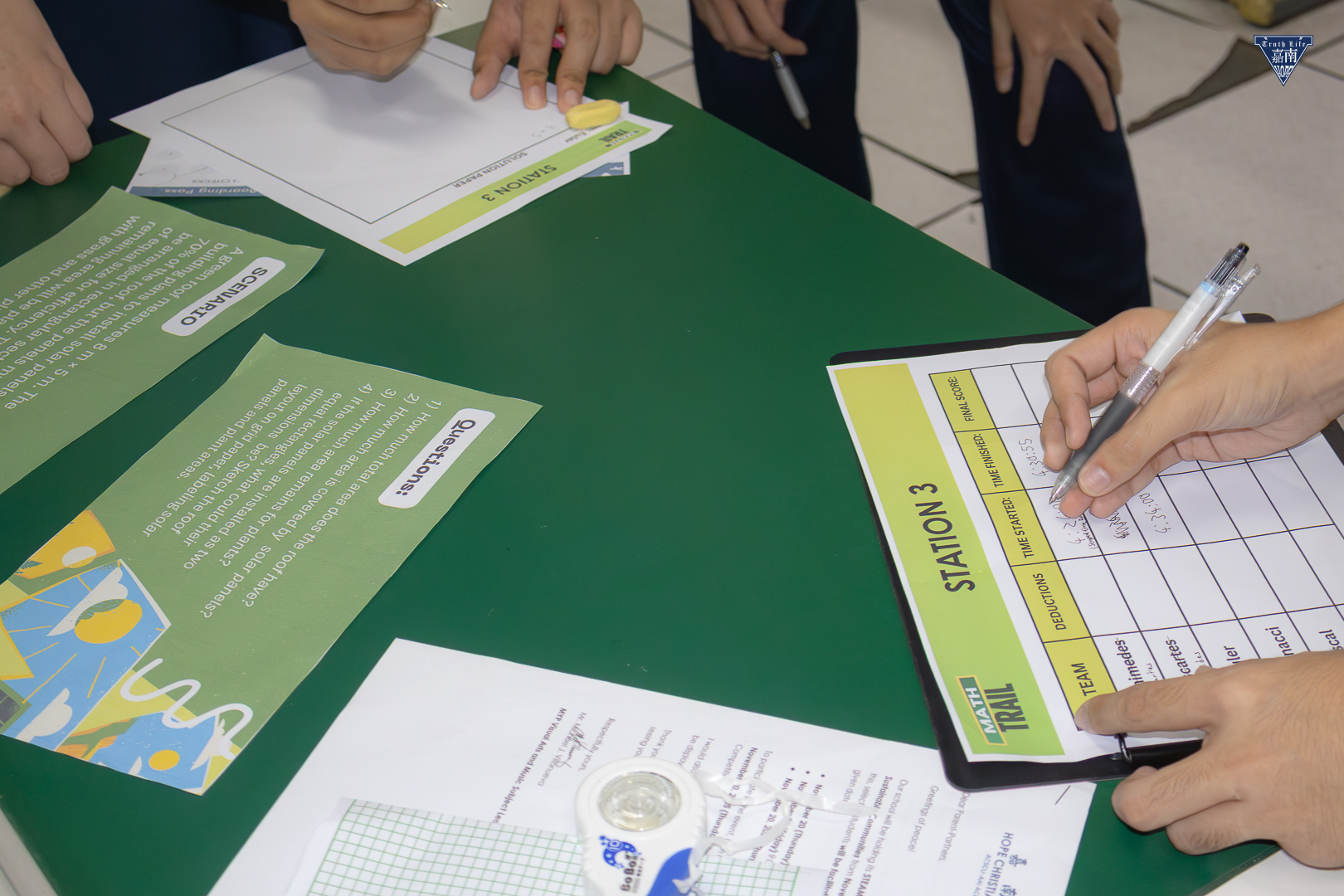
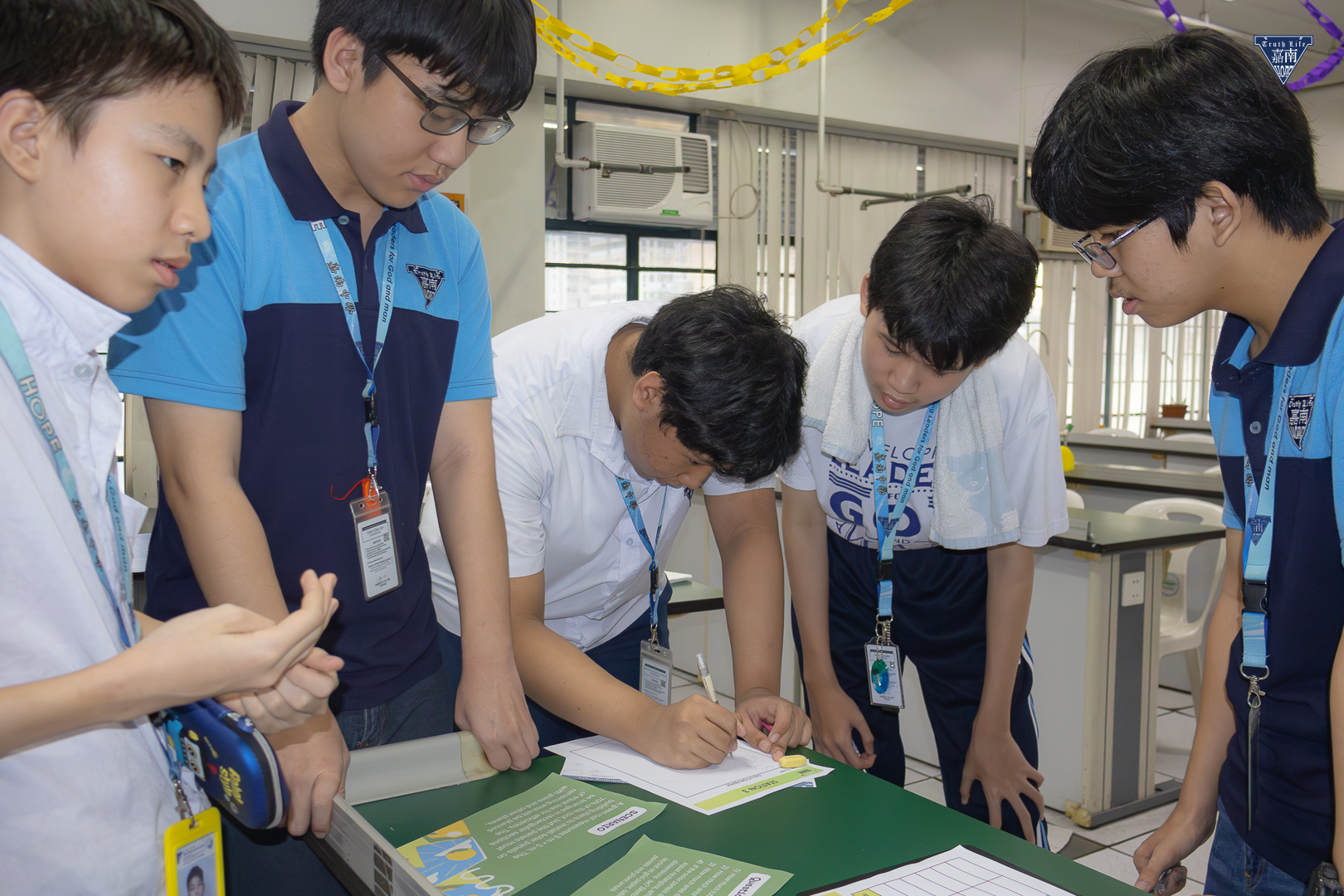
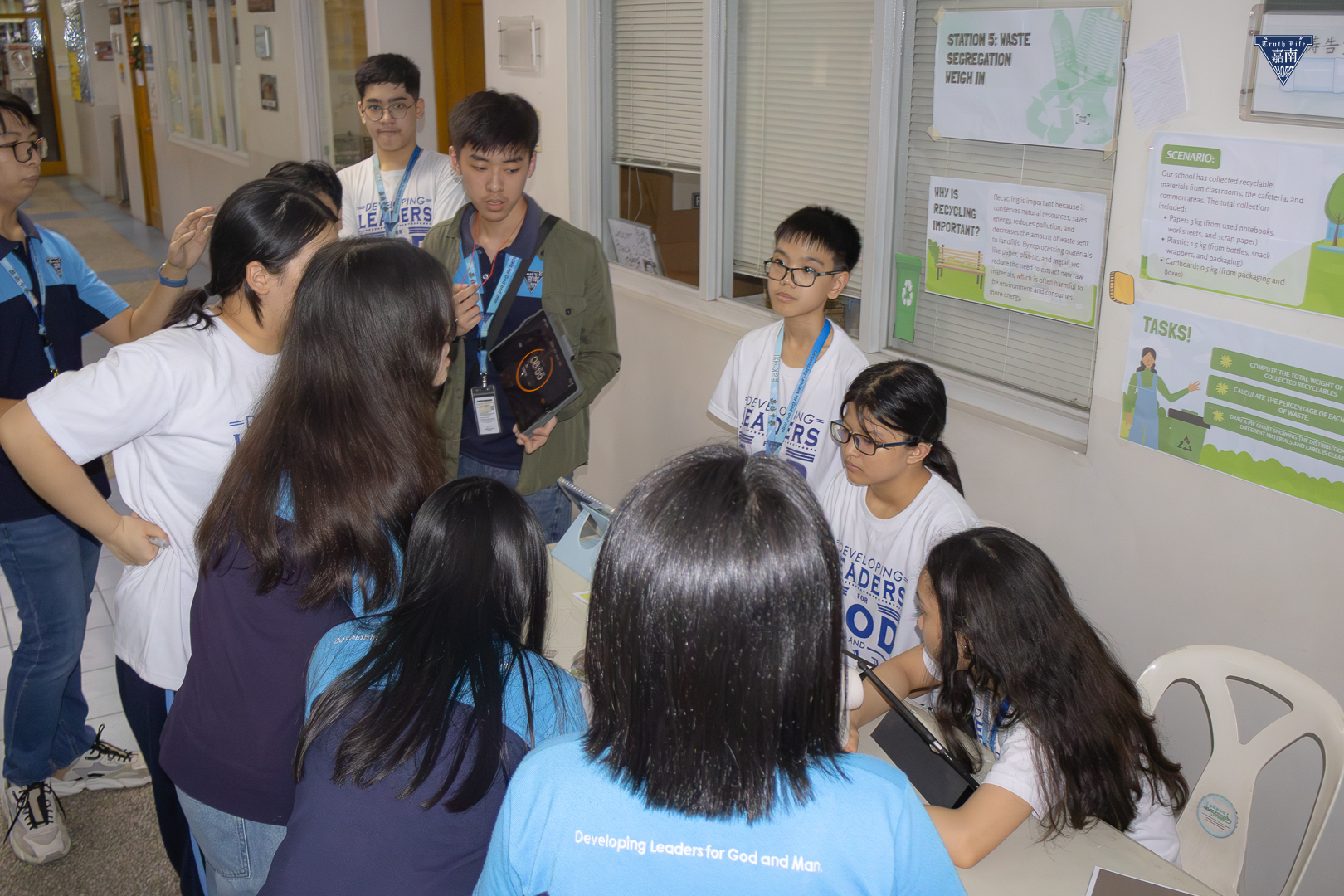
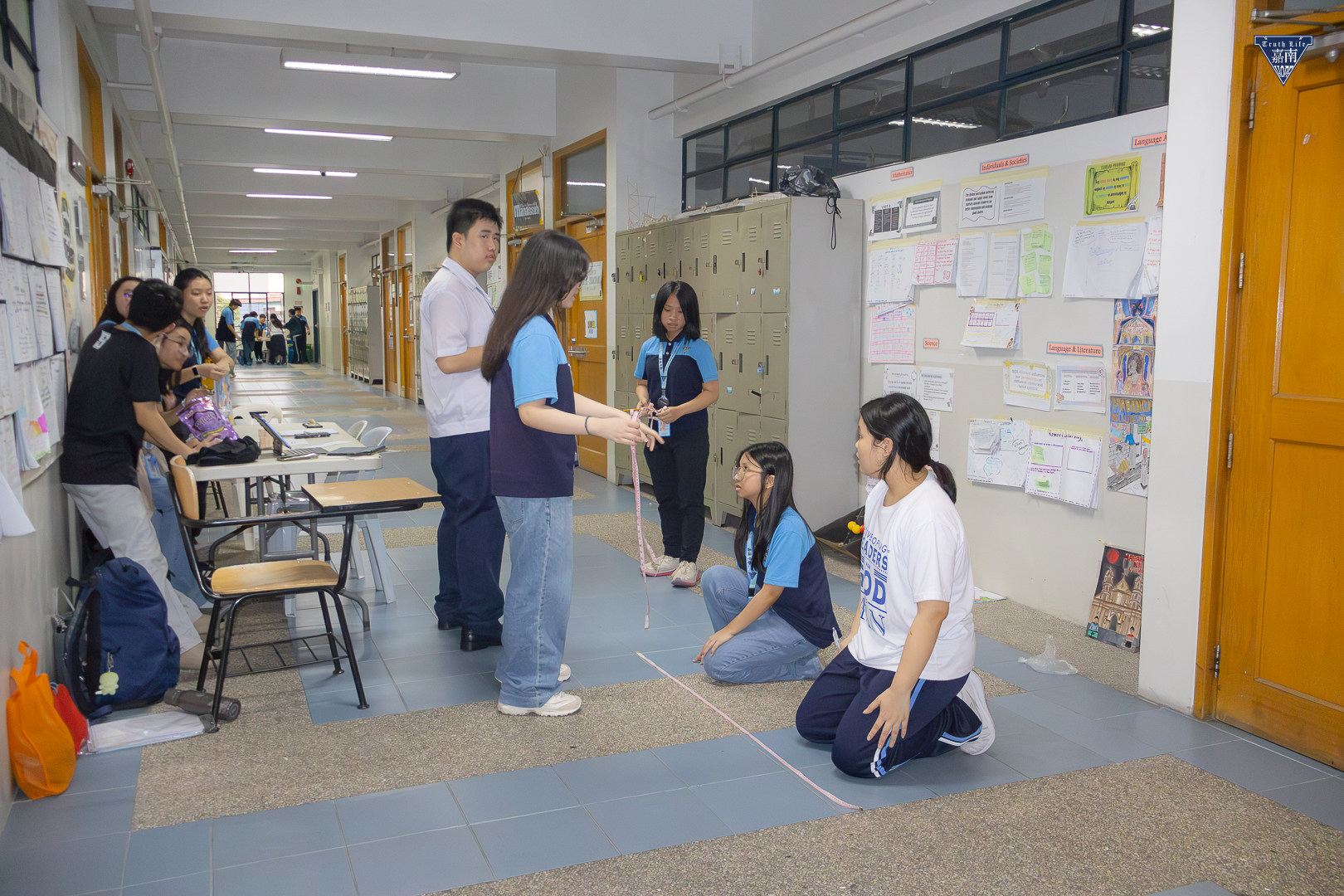
The High School Building turned into a trail of mathematical adventure as the students raced to solve real-world mathematical problems. Challenges in each station required applying mathematical principles to concepts of energy efficiency, water conservation, green design, and smart community planning.
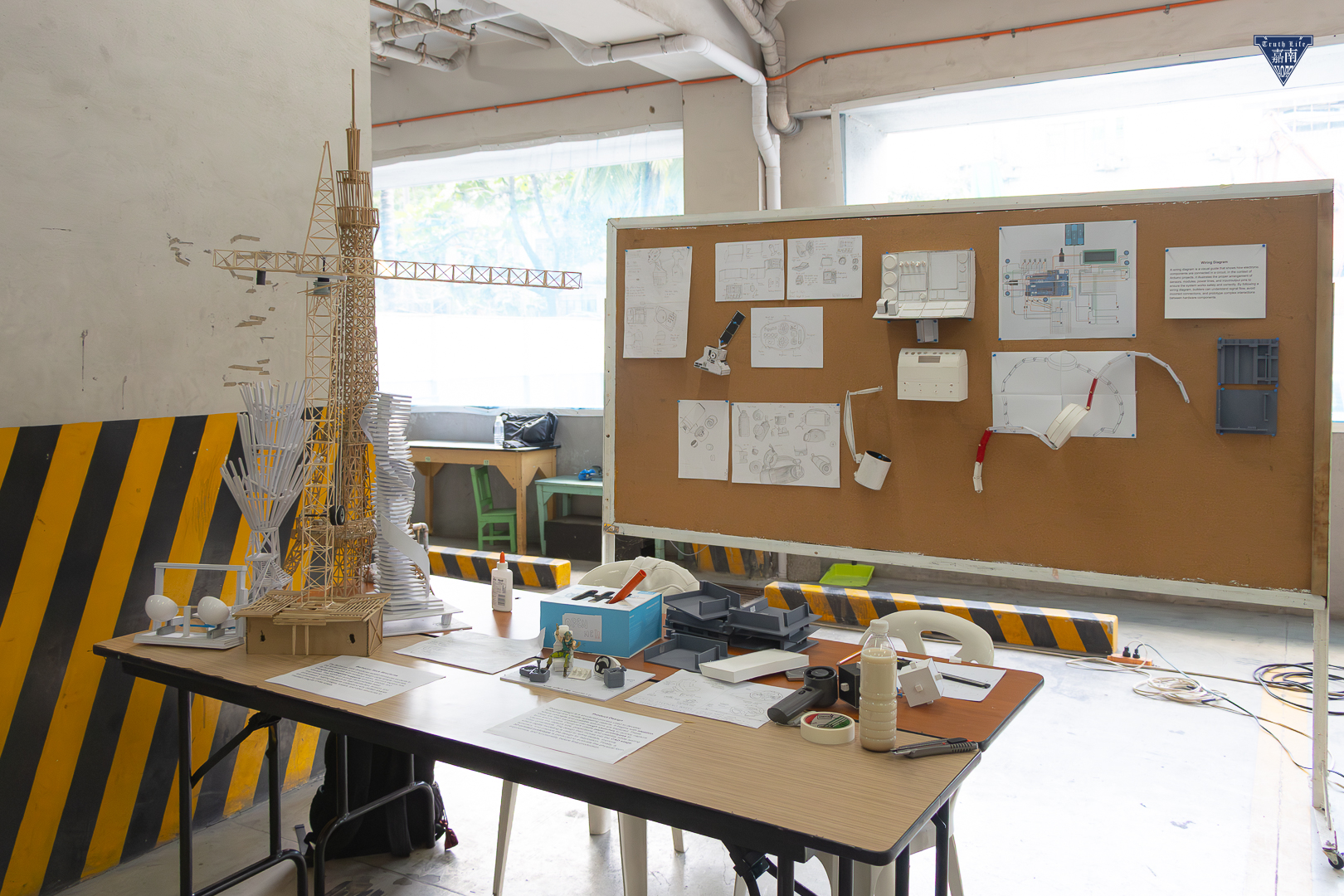
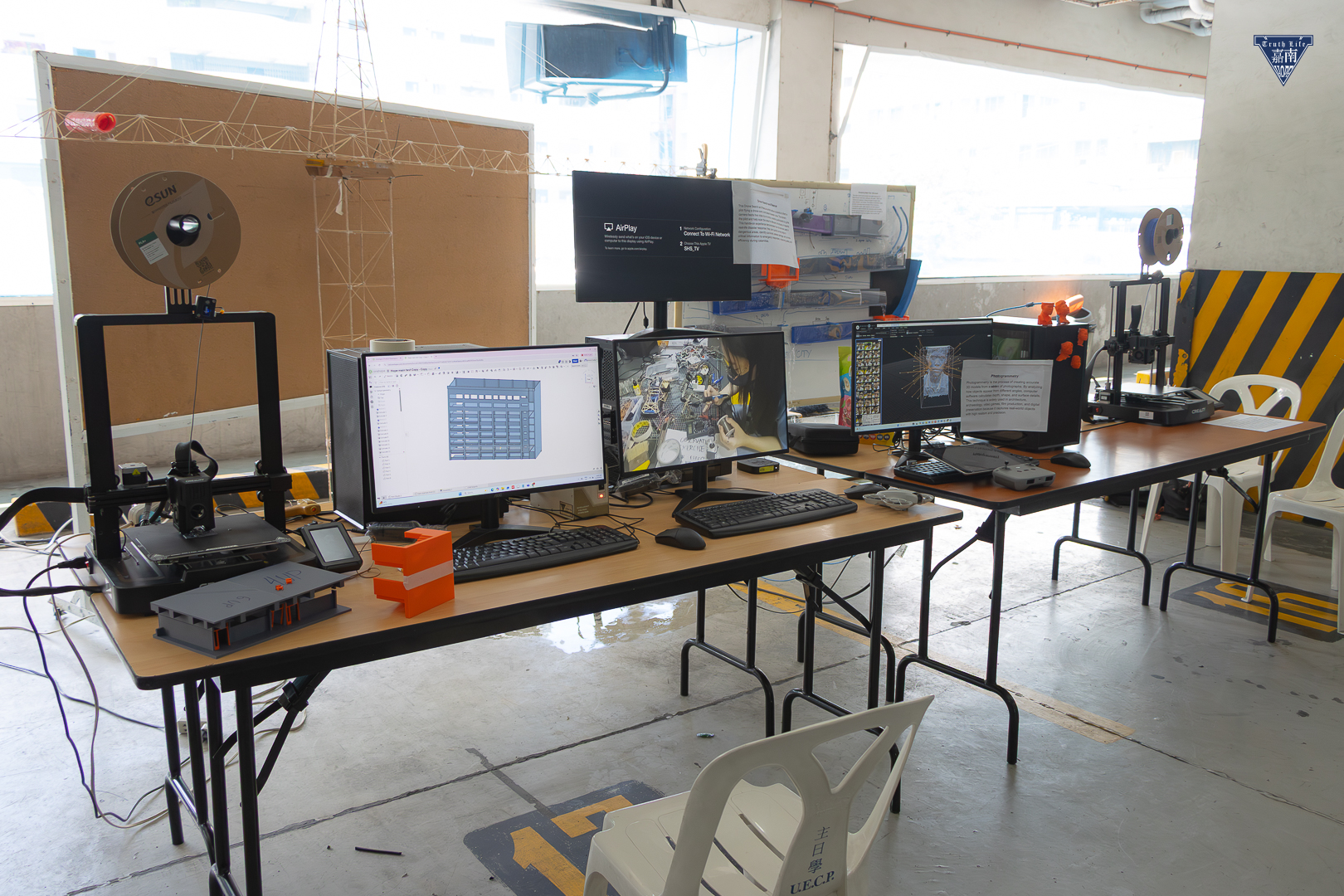
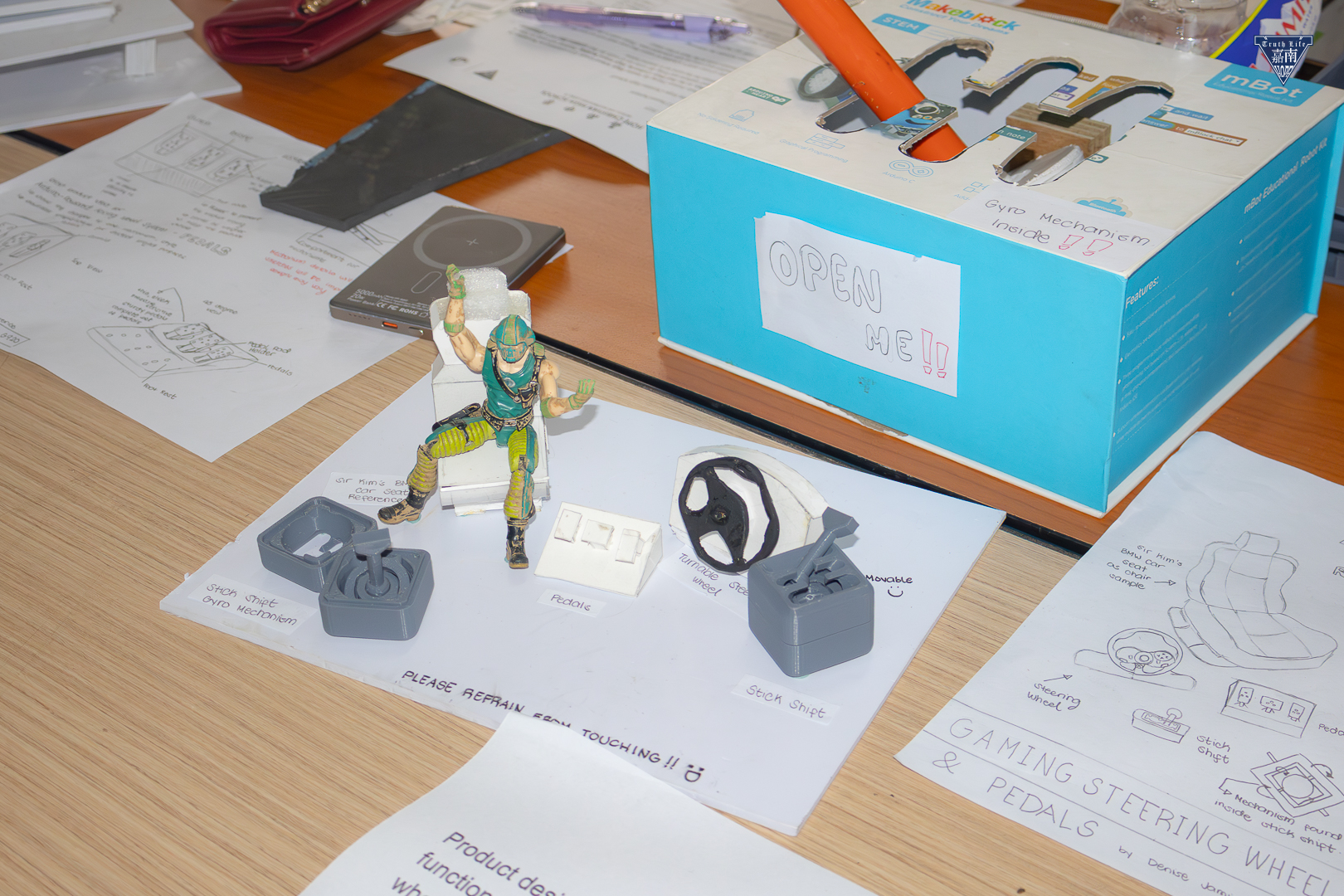
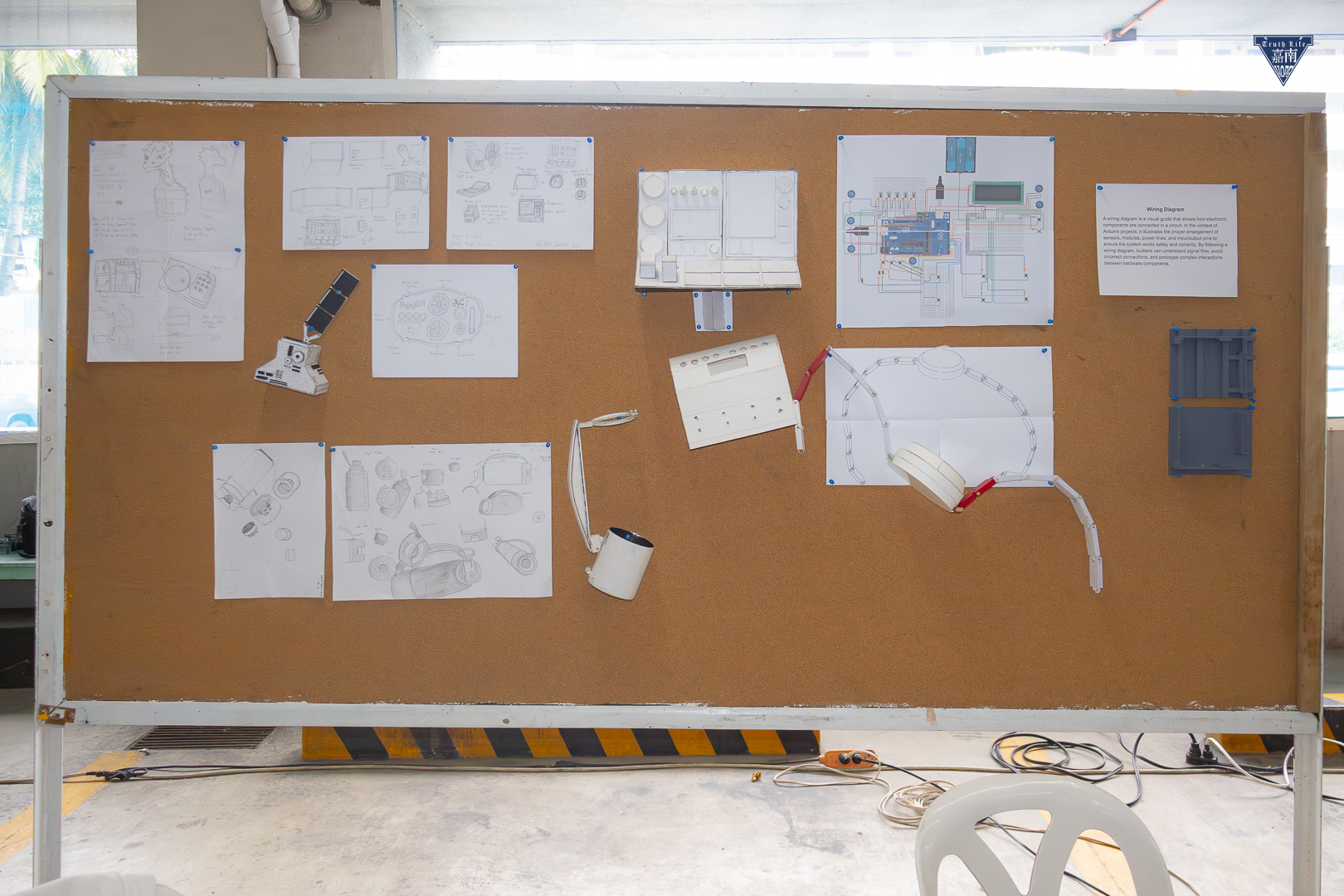
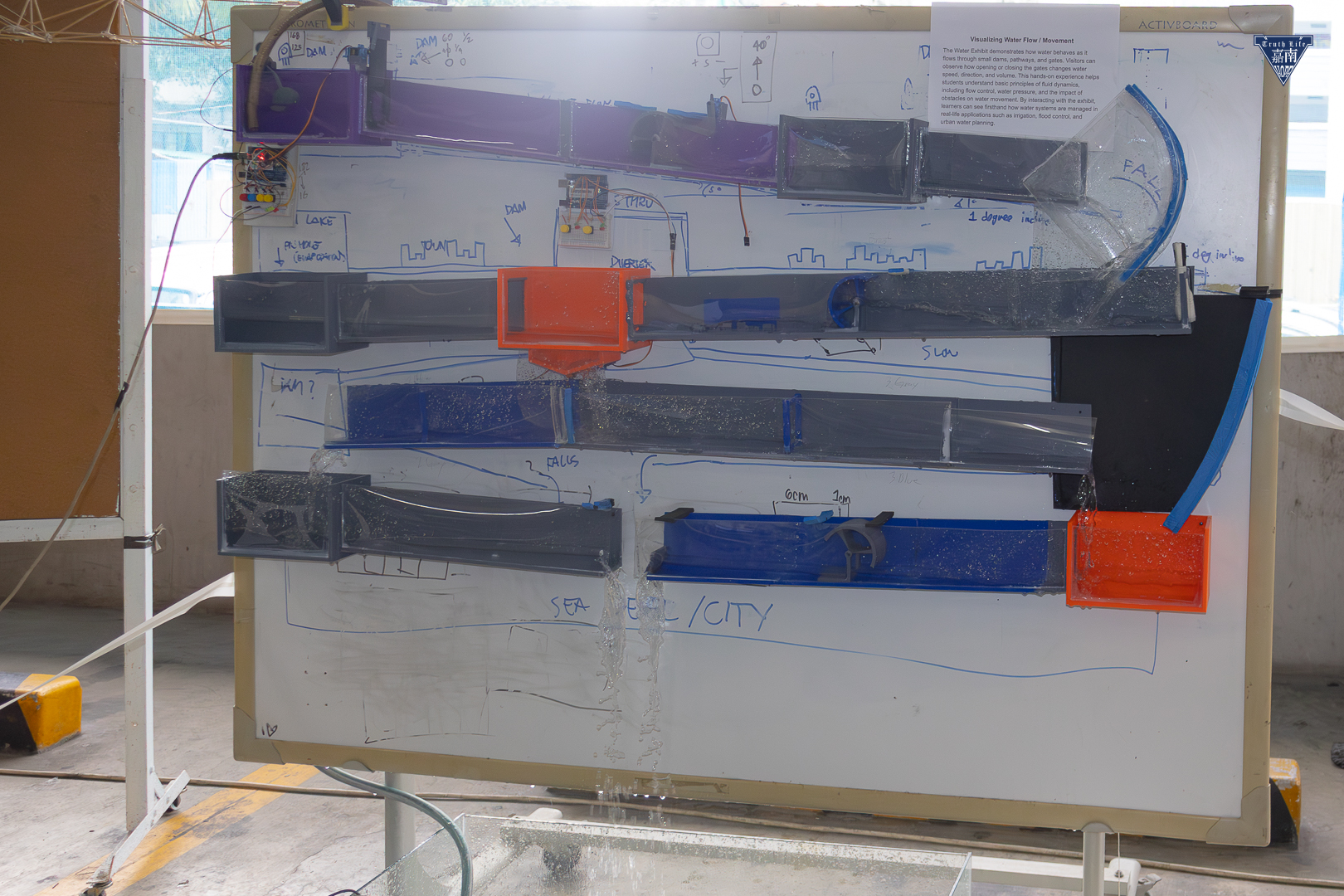
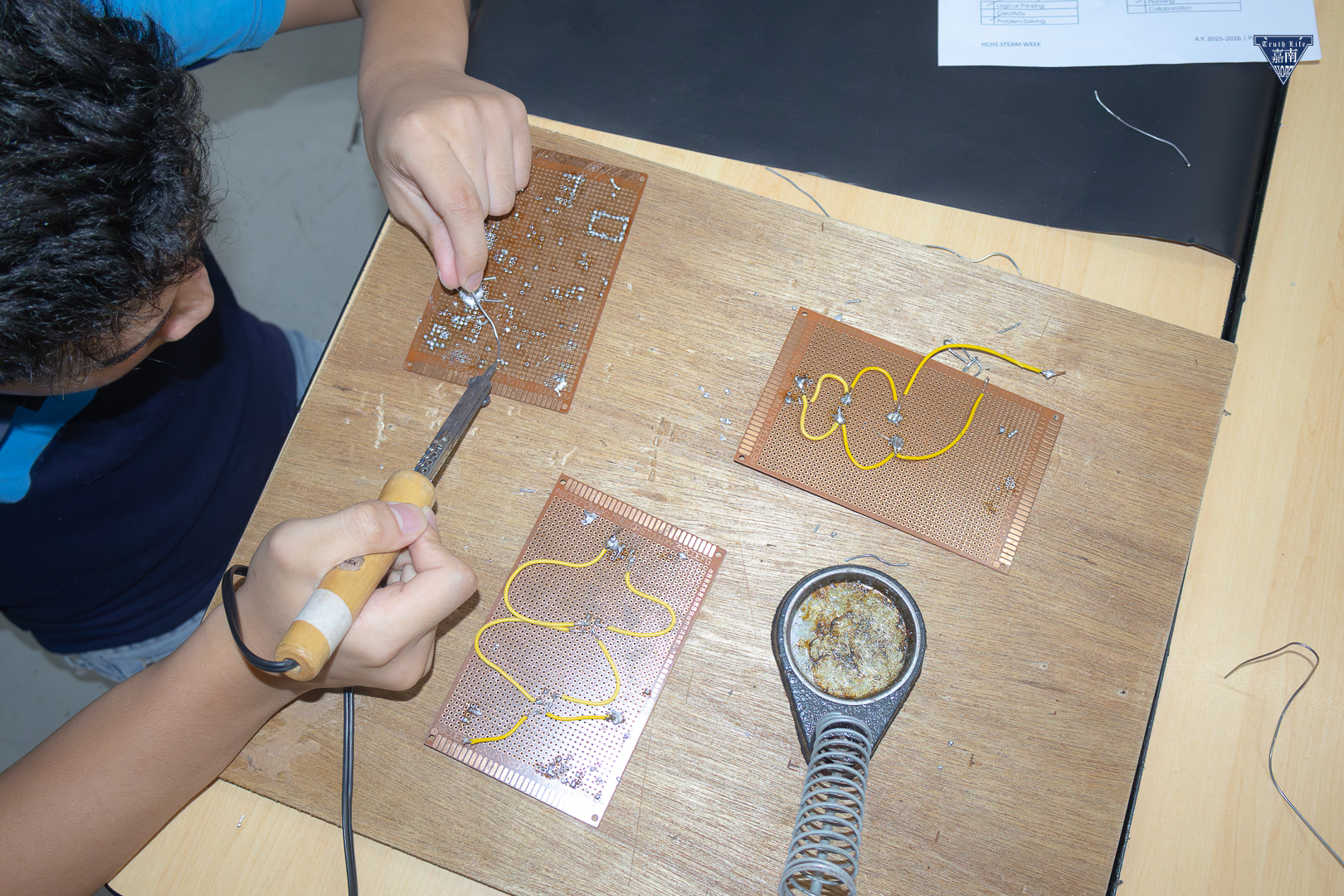
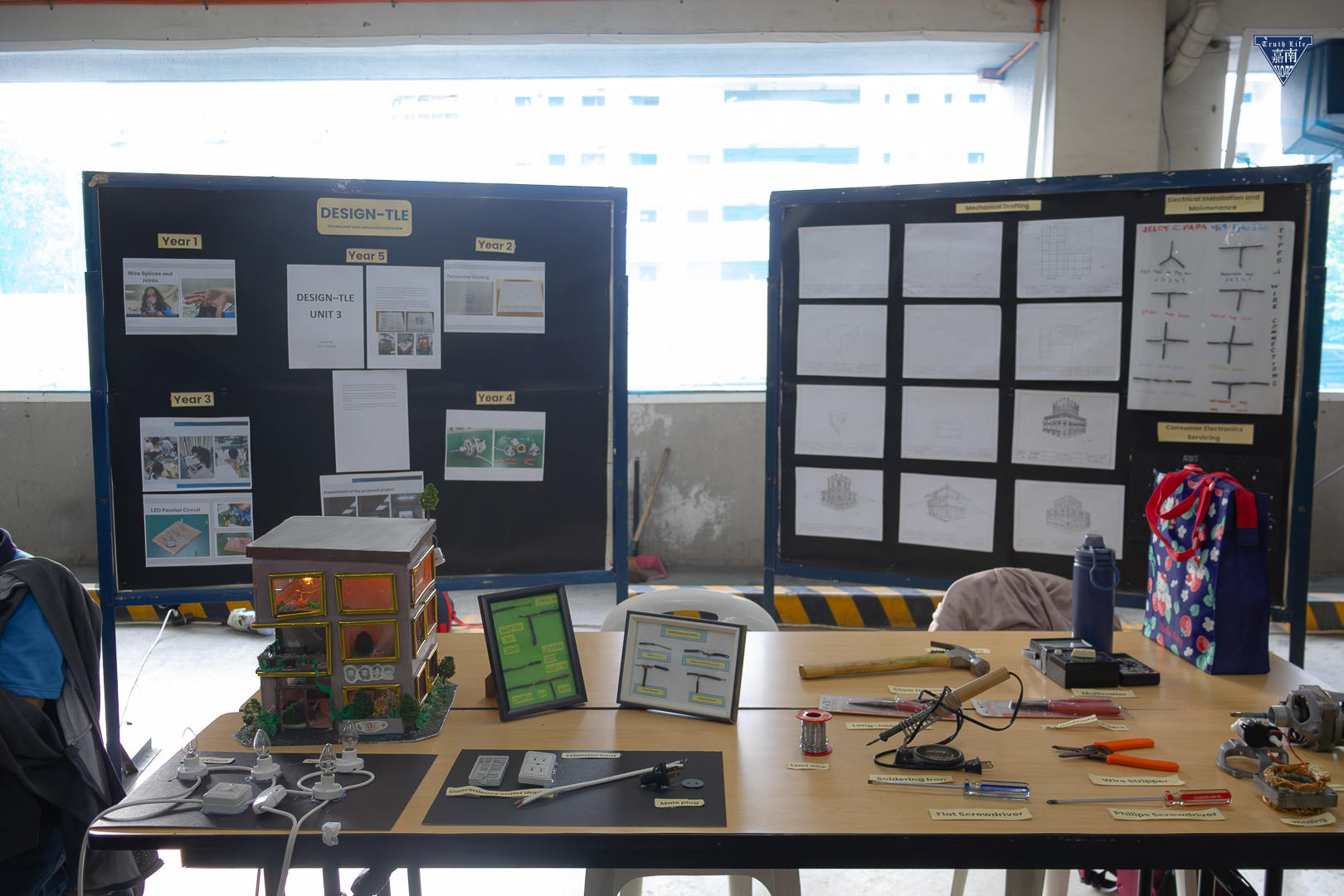
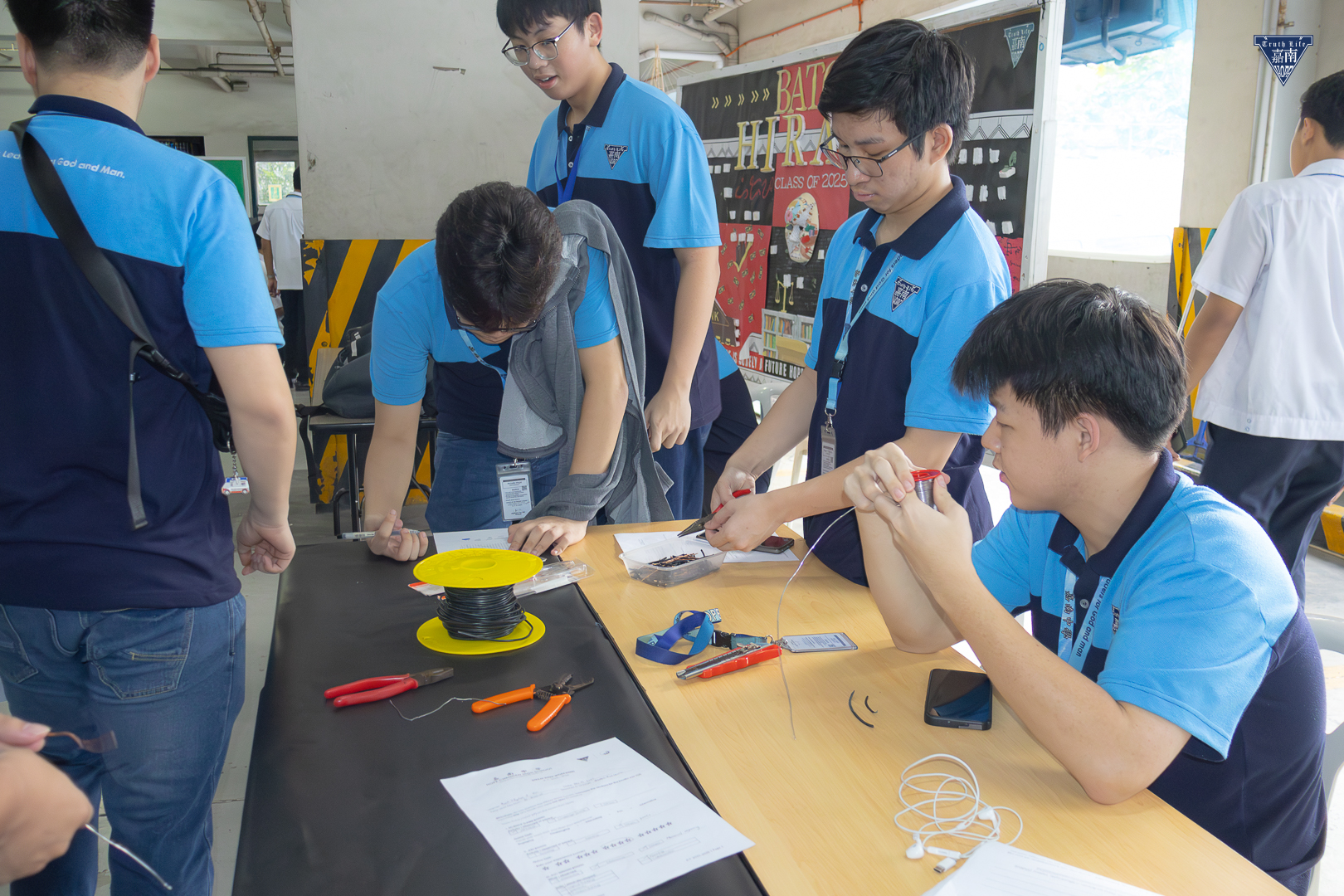
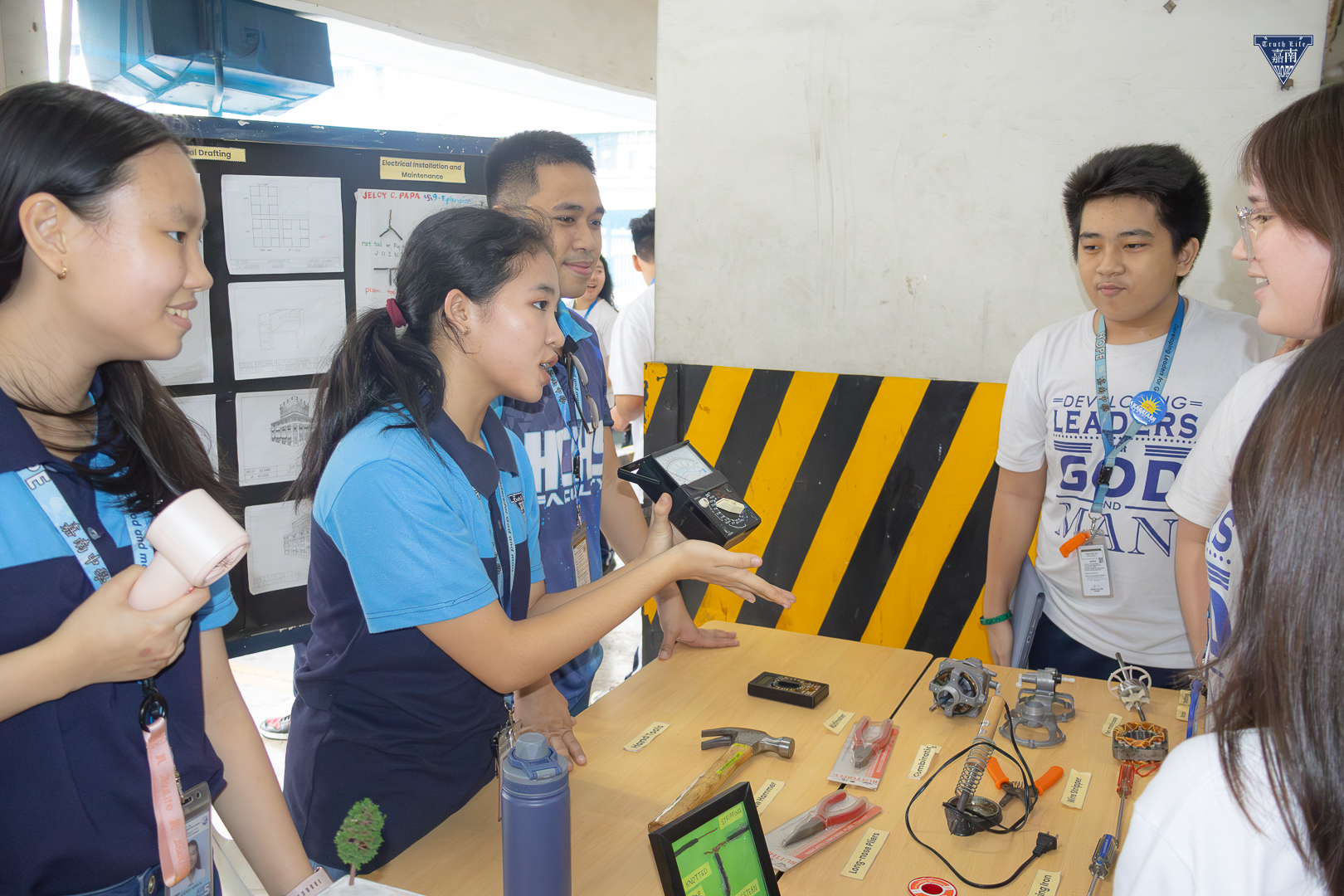
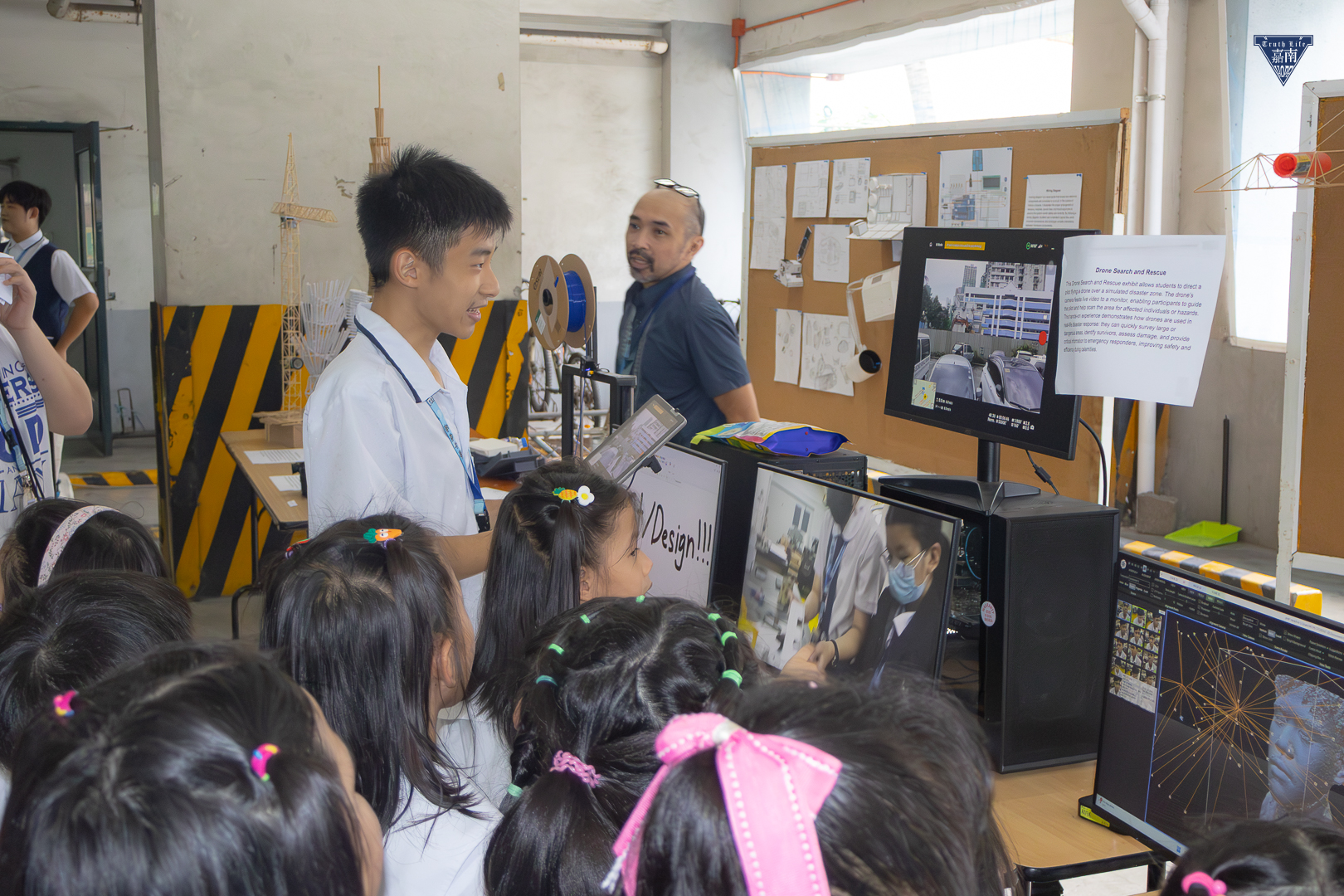
Ingenuity flourished as MYP students showcased their engineering and design projects through an exhibit. The students explained the process of planning, designing, and programming the displayed Water Flow Control System, Radio Controlled First Person Point of View Drone, and Ping Pong Launcher. They even demonstrated how to use such technologies, like 3D printing. In another booth, the students displayed the electrical, electronic and hand tools they use in prototyping, constructing, and repairing their projects.
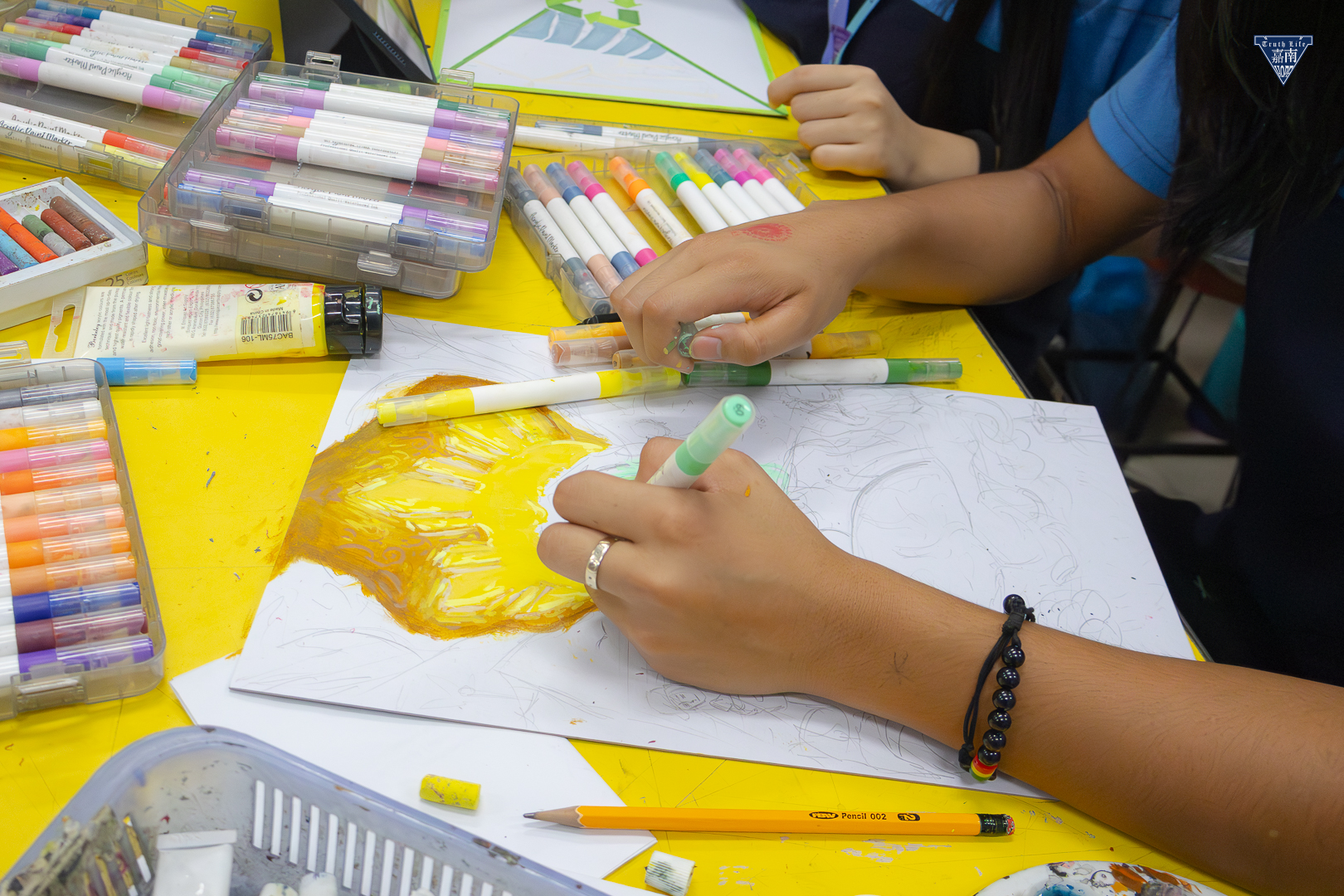
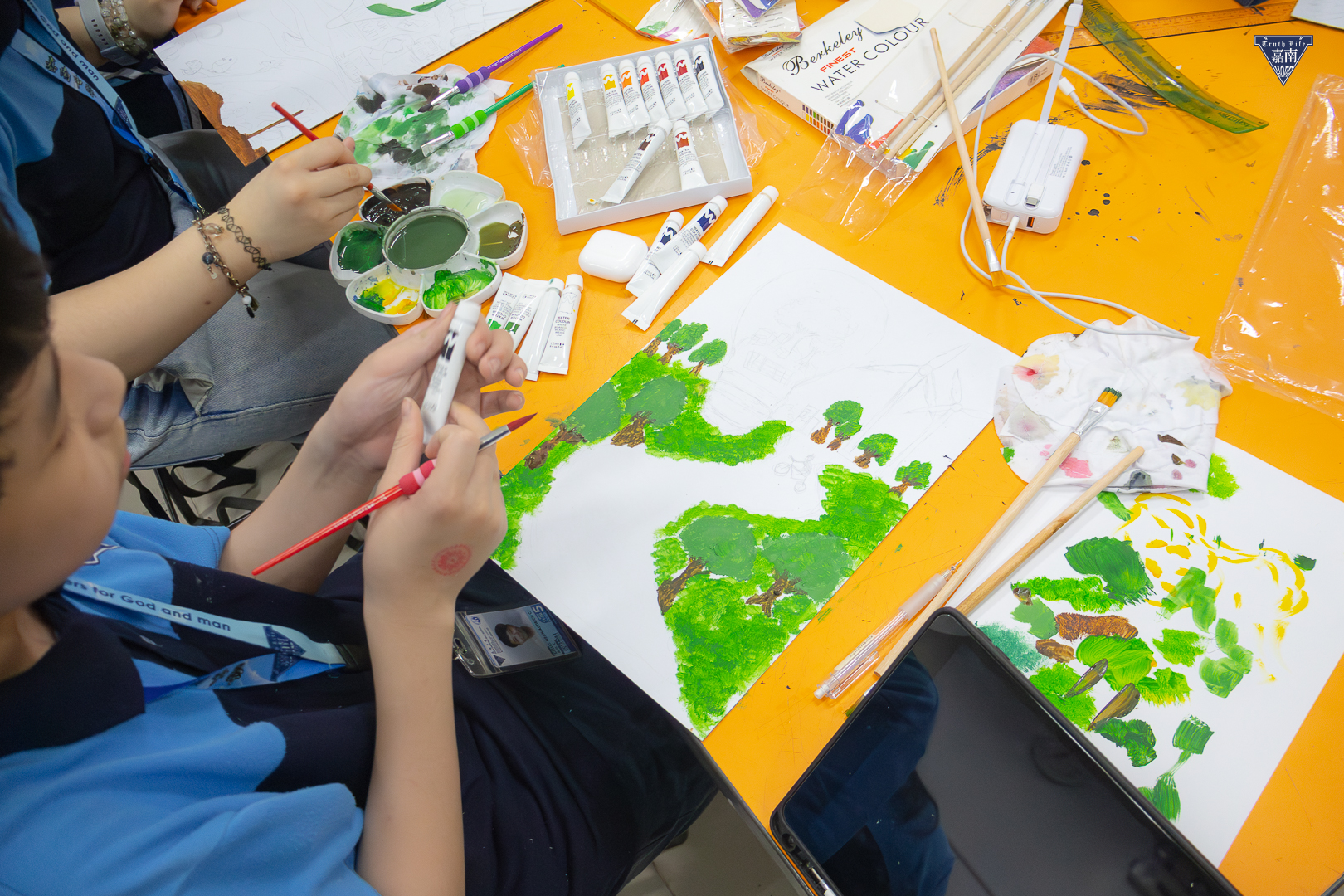
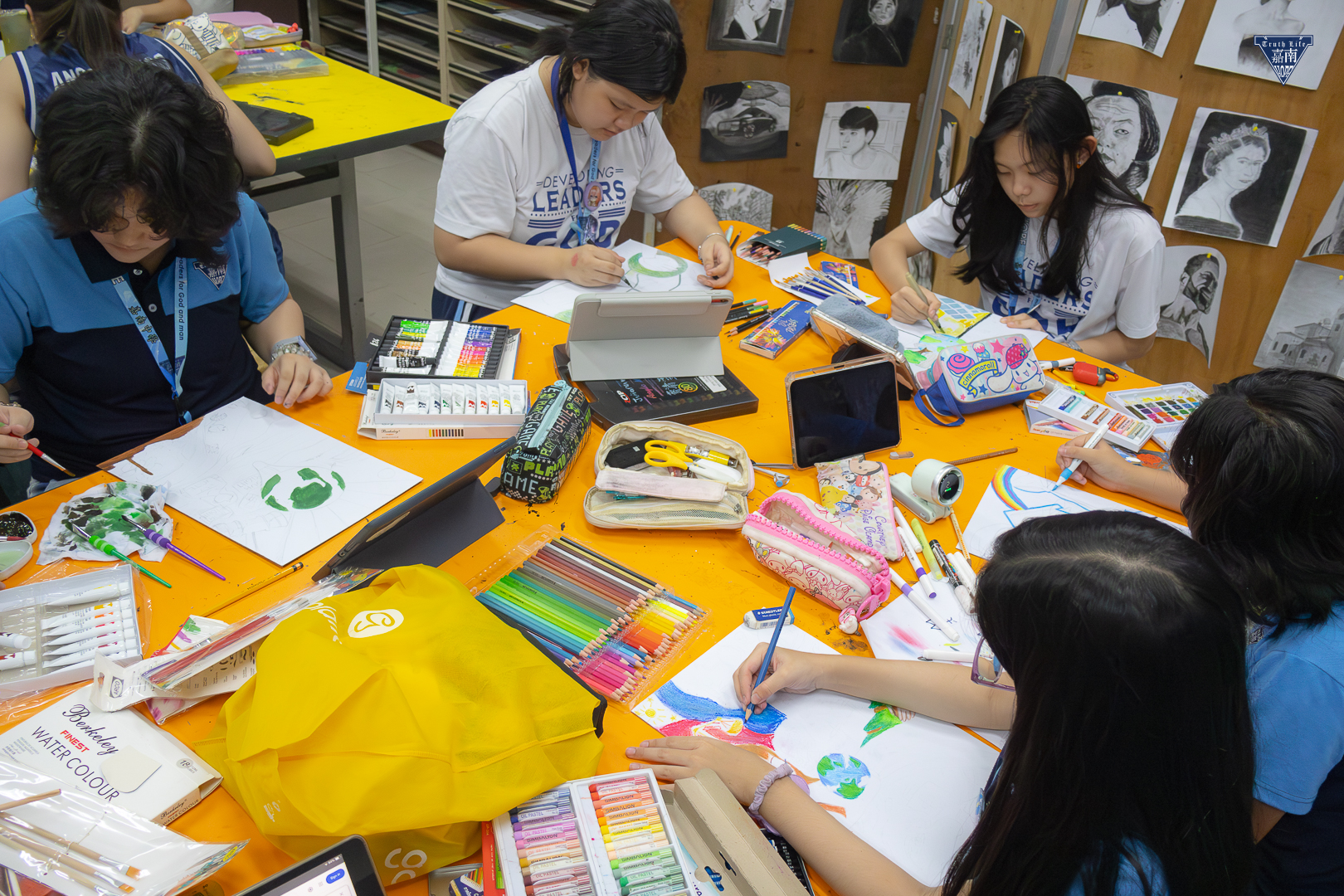
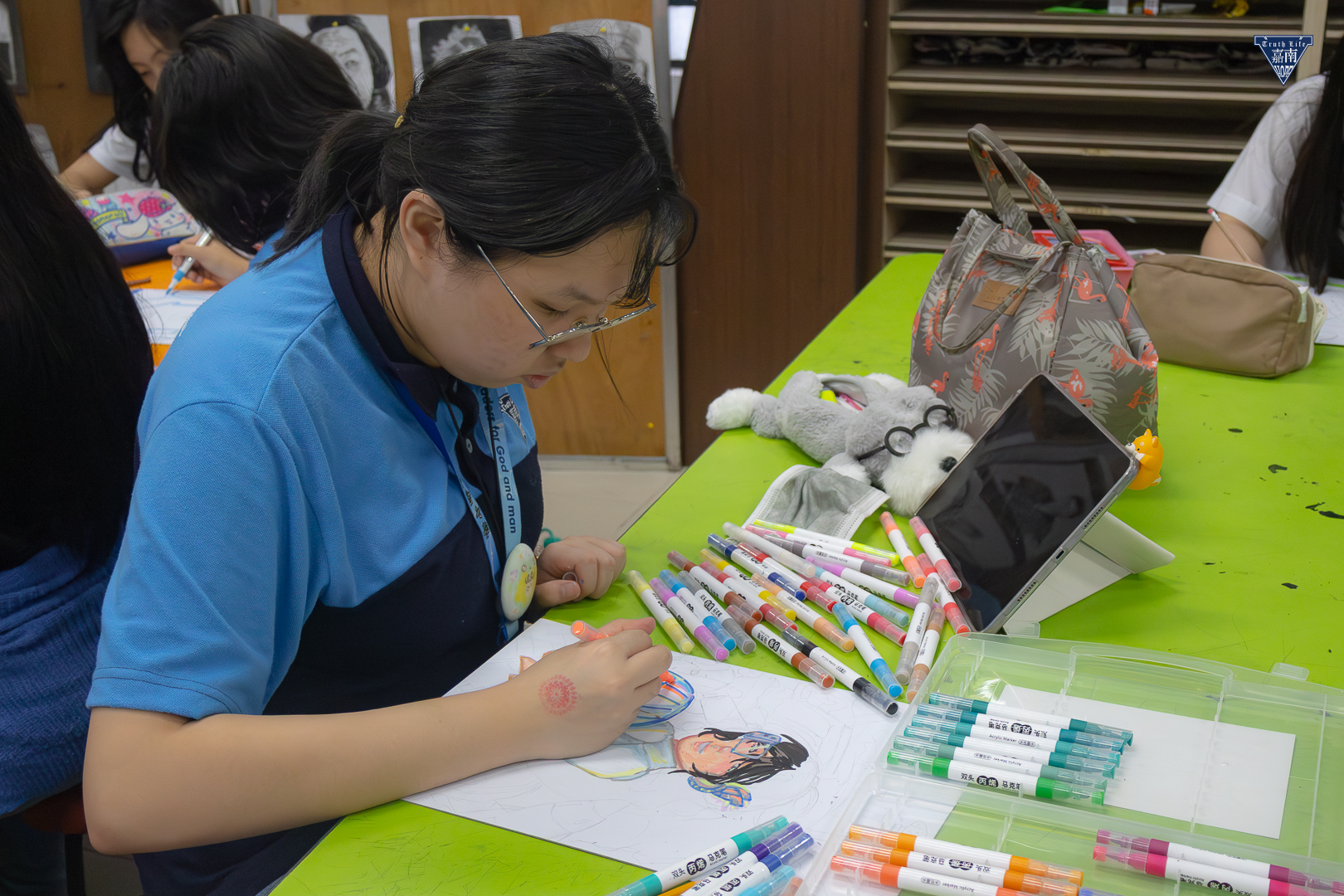
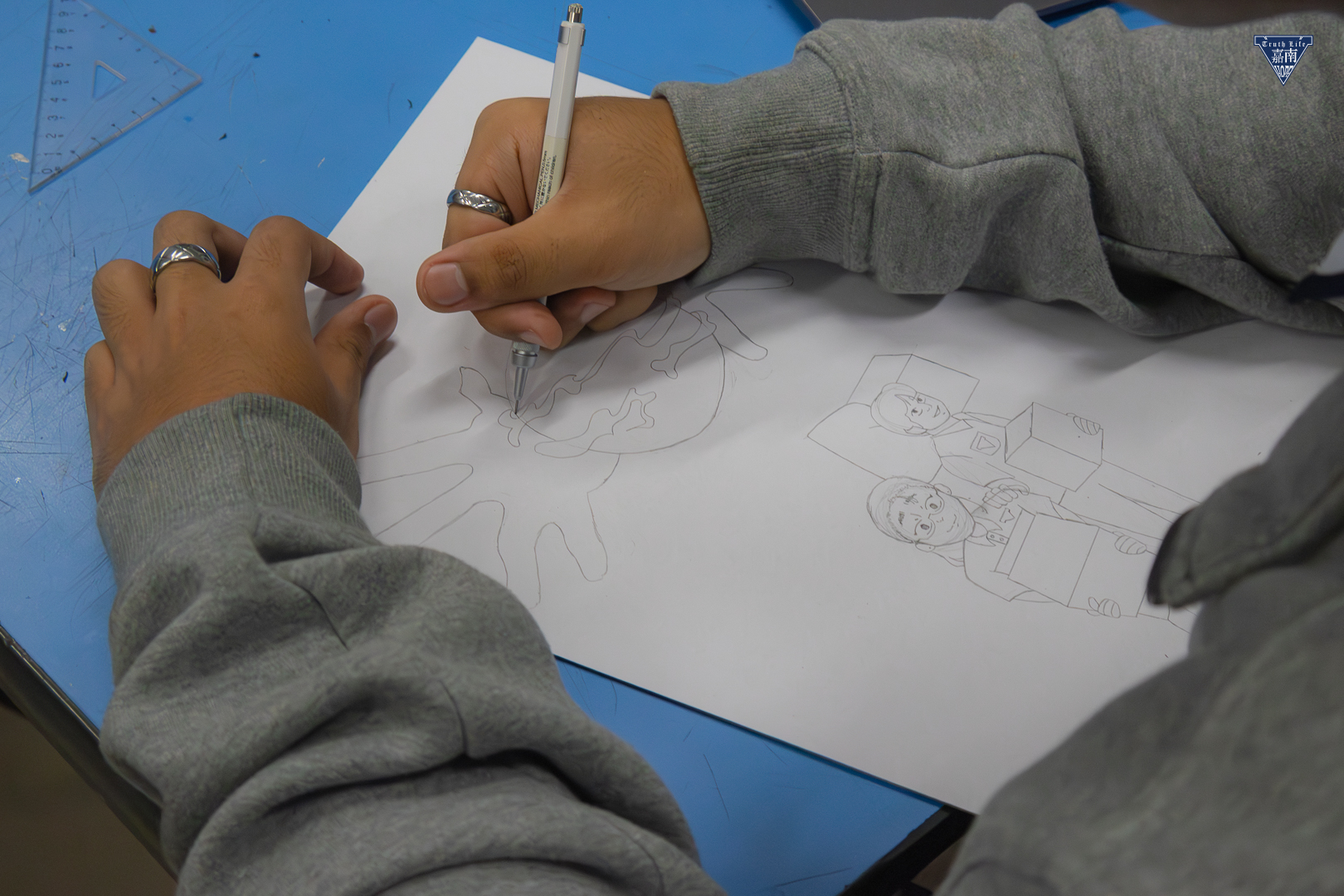
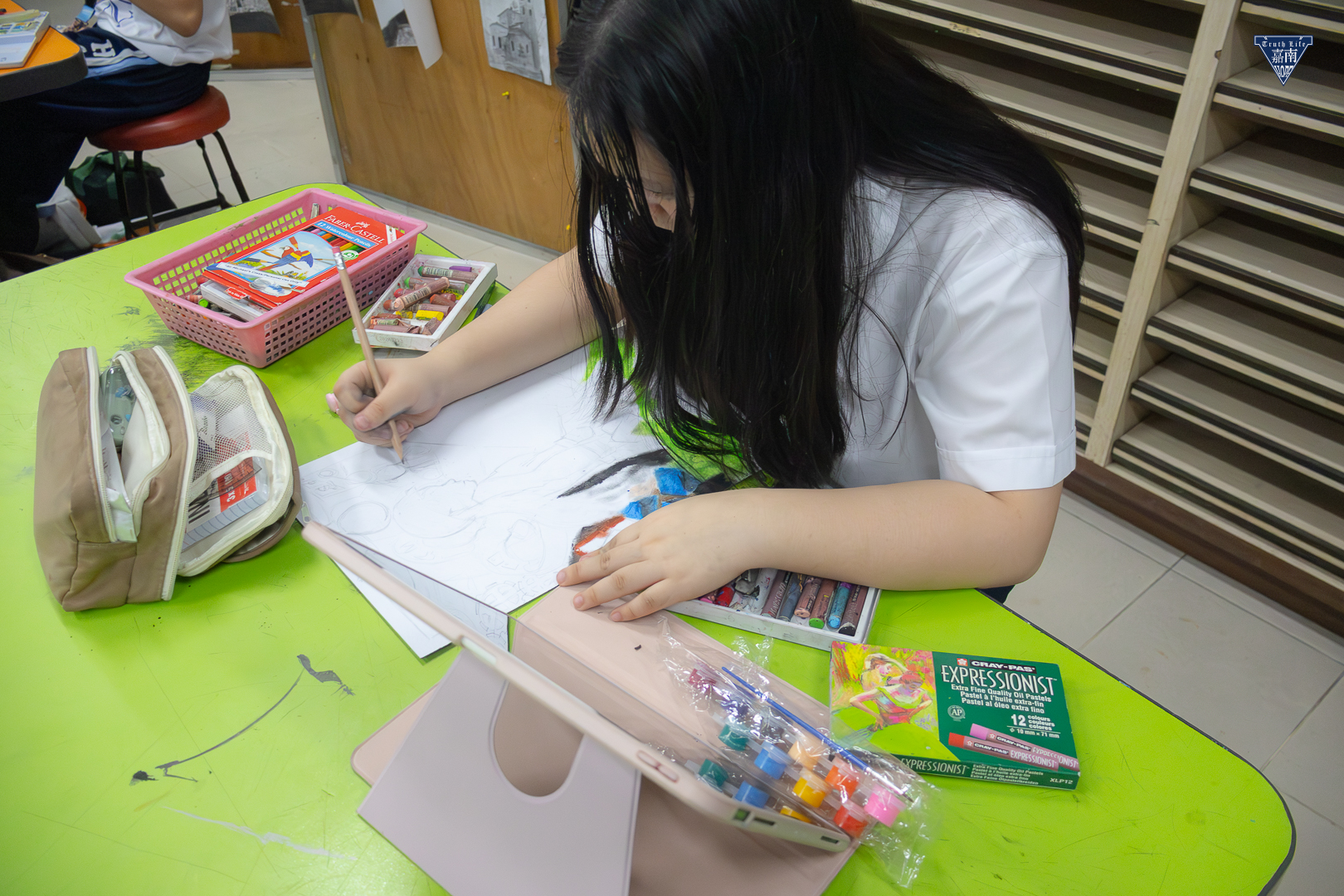
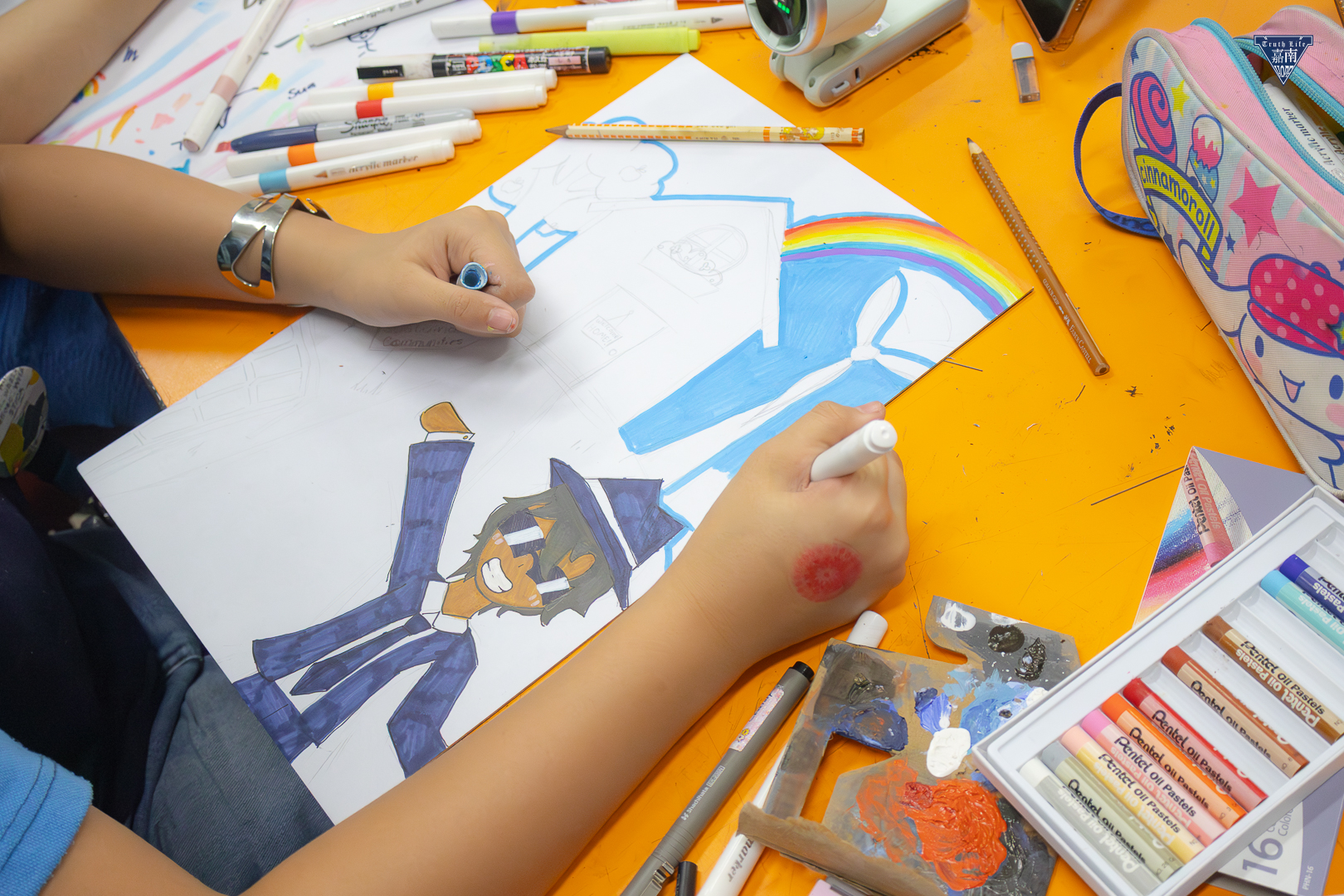
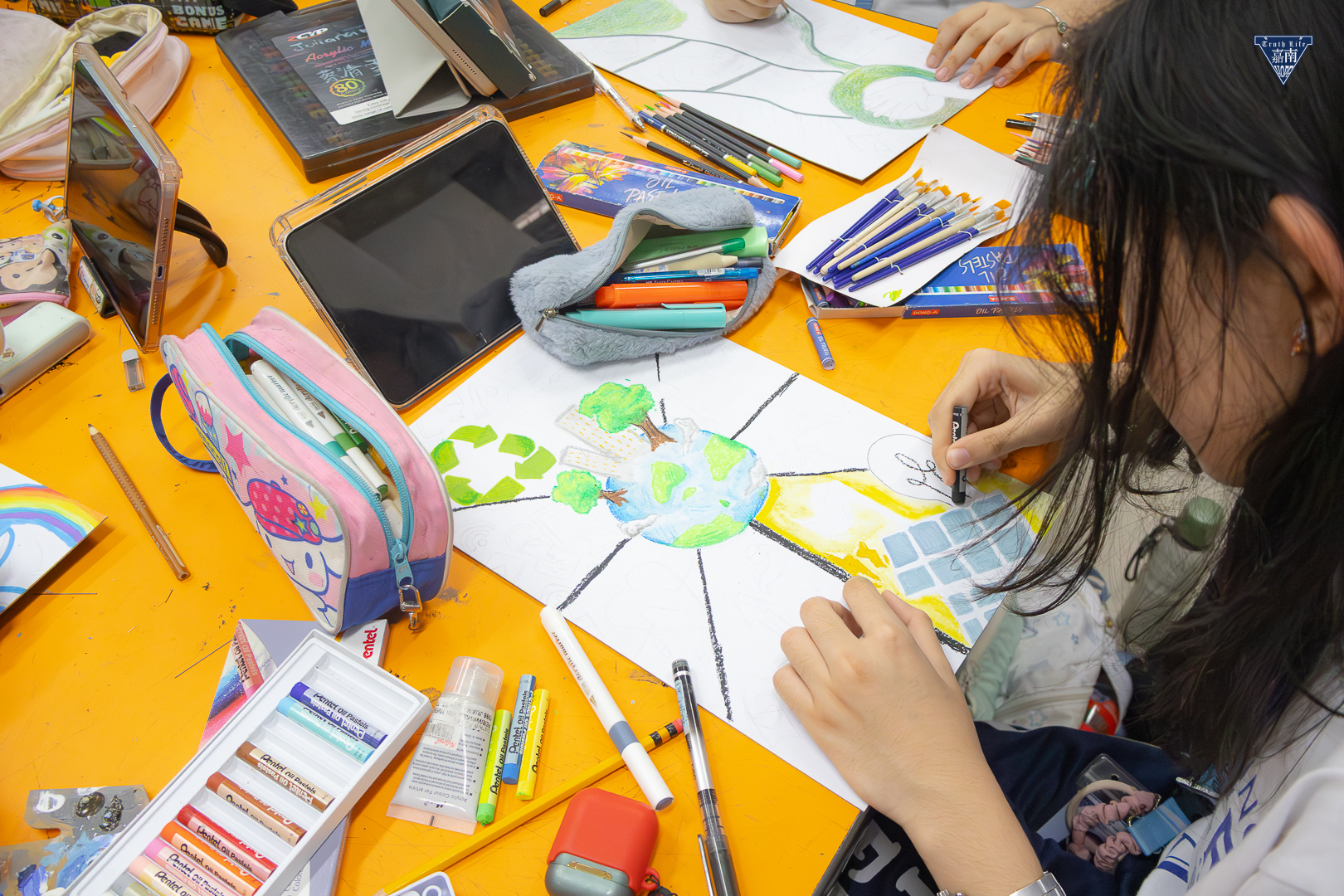
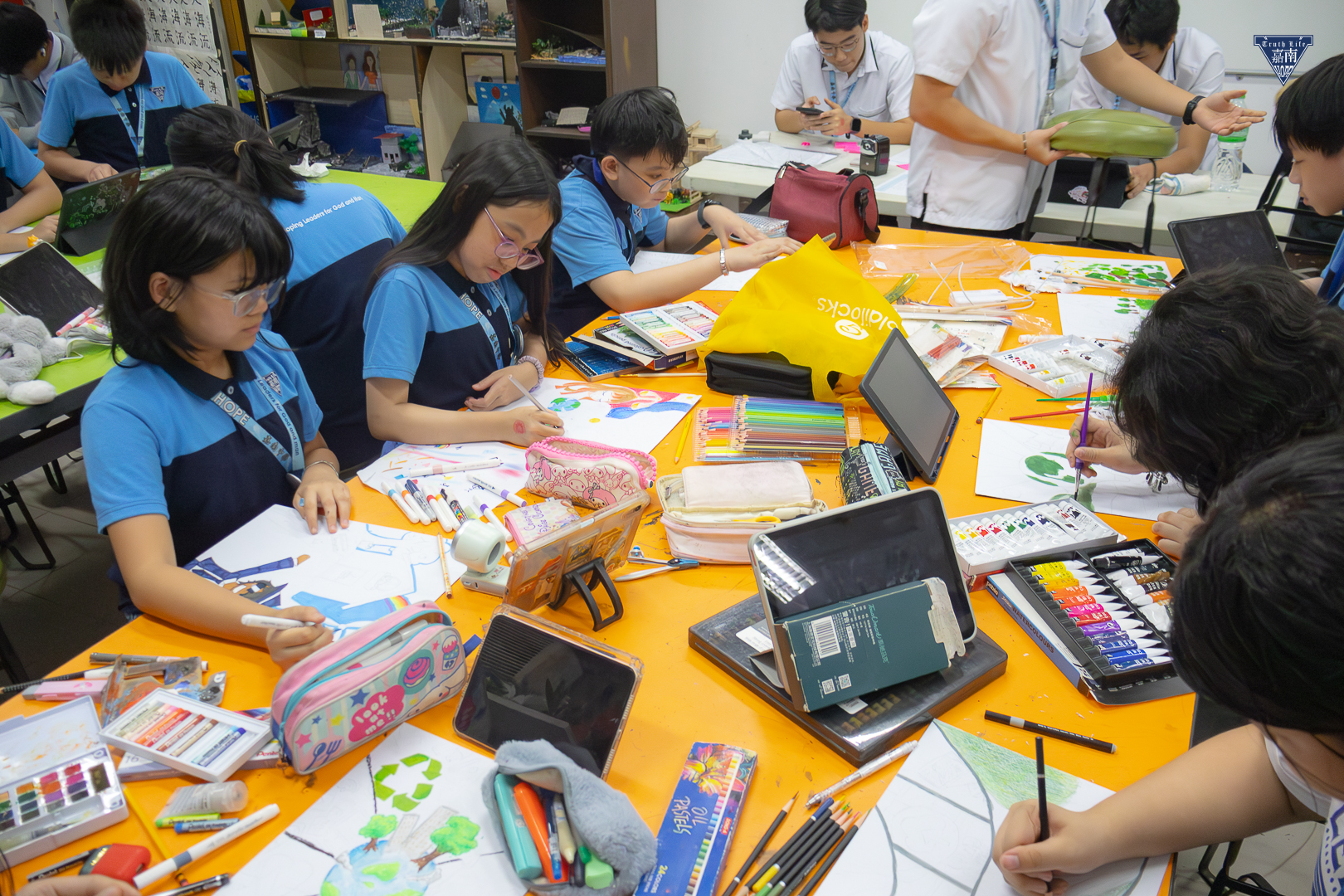
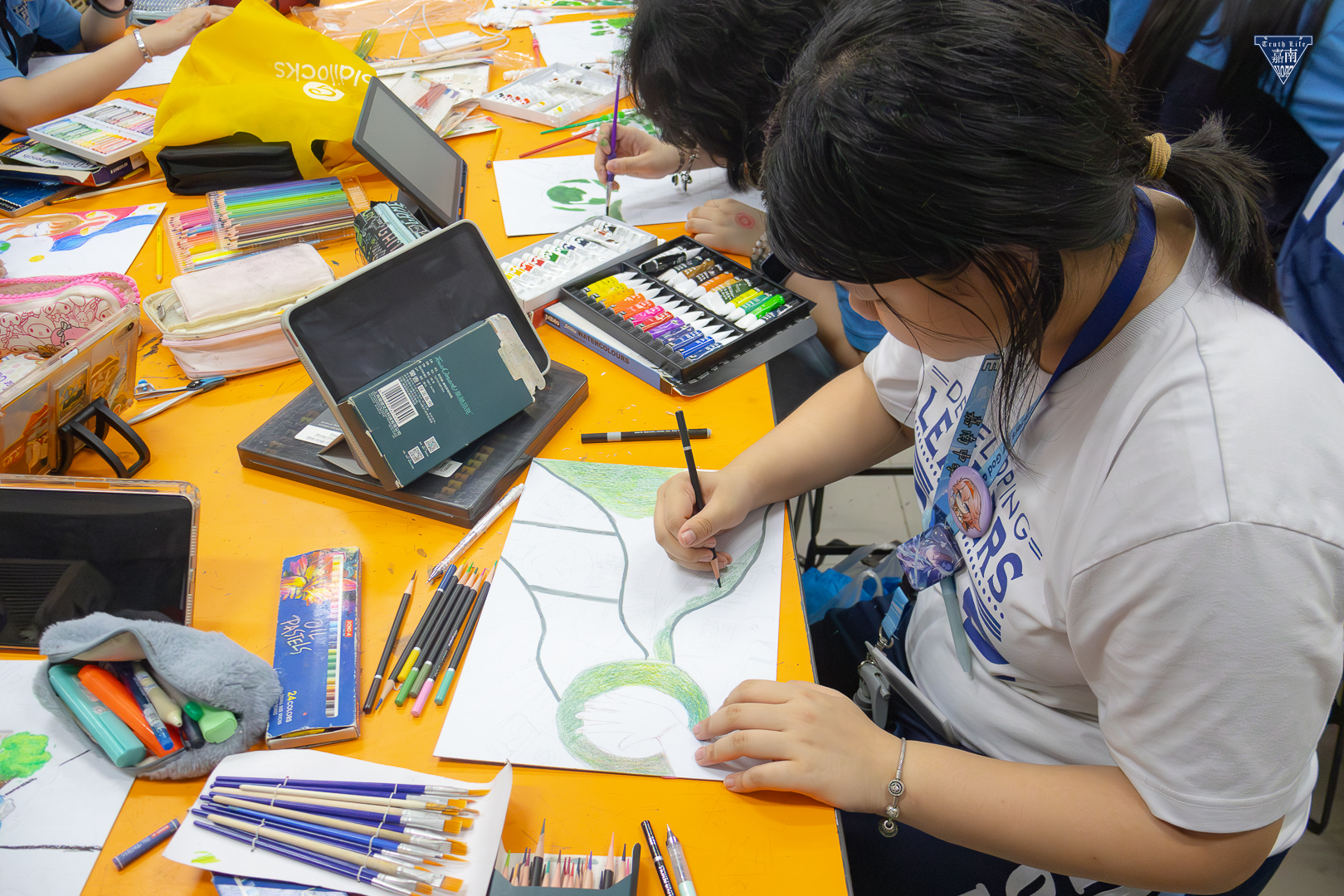
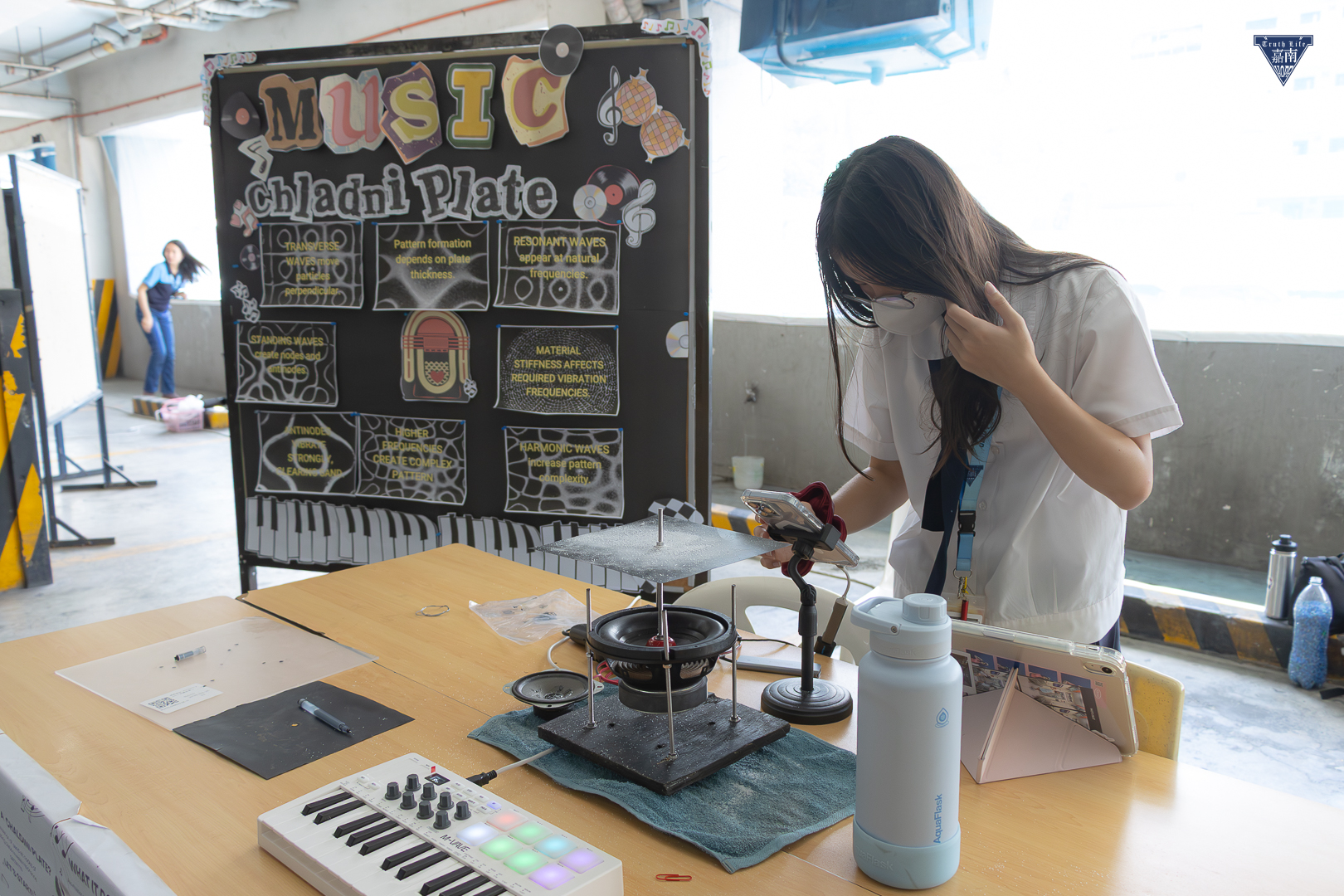
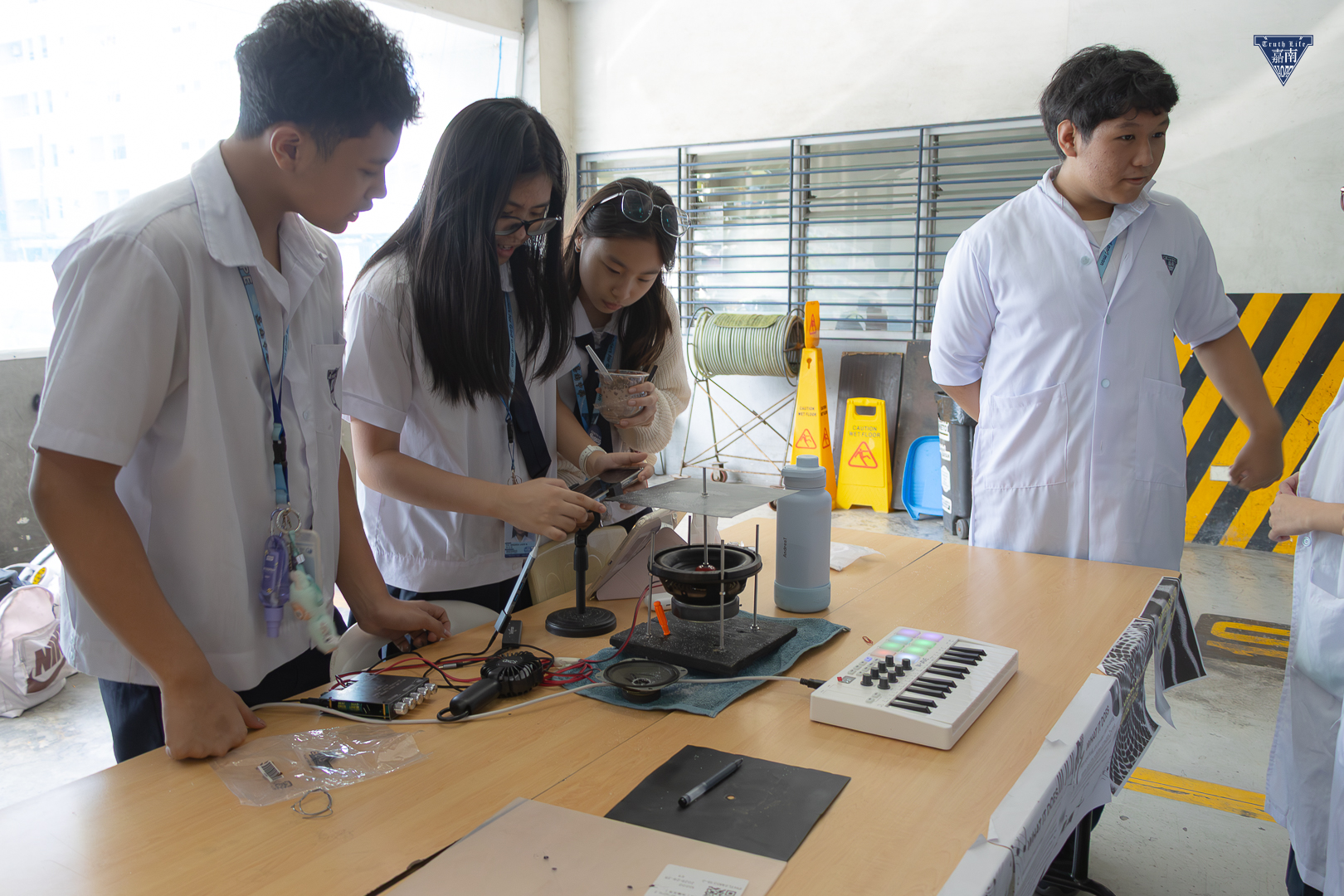
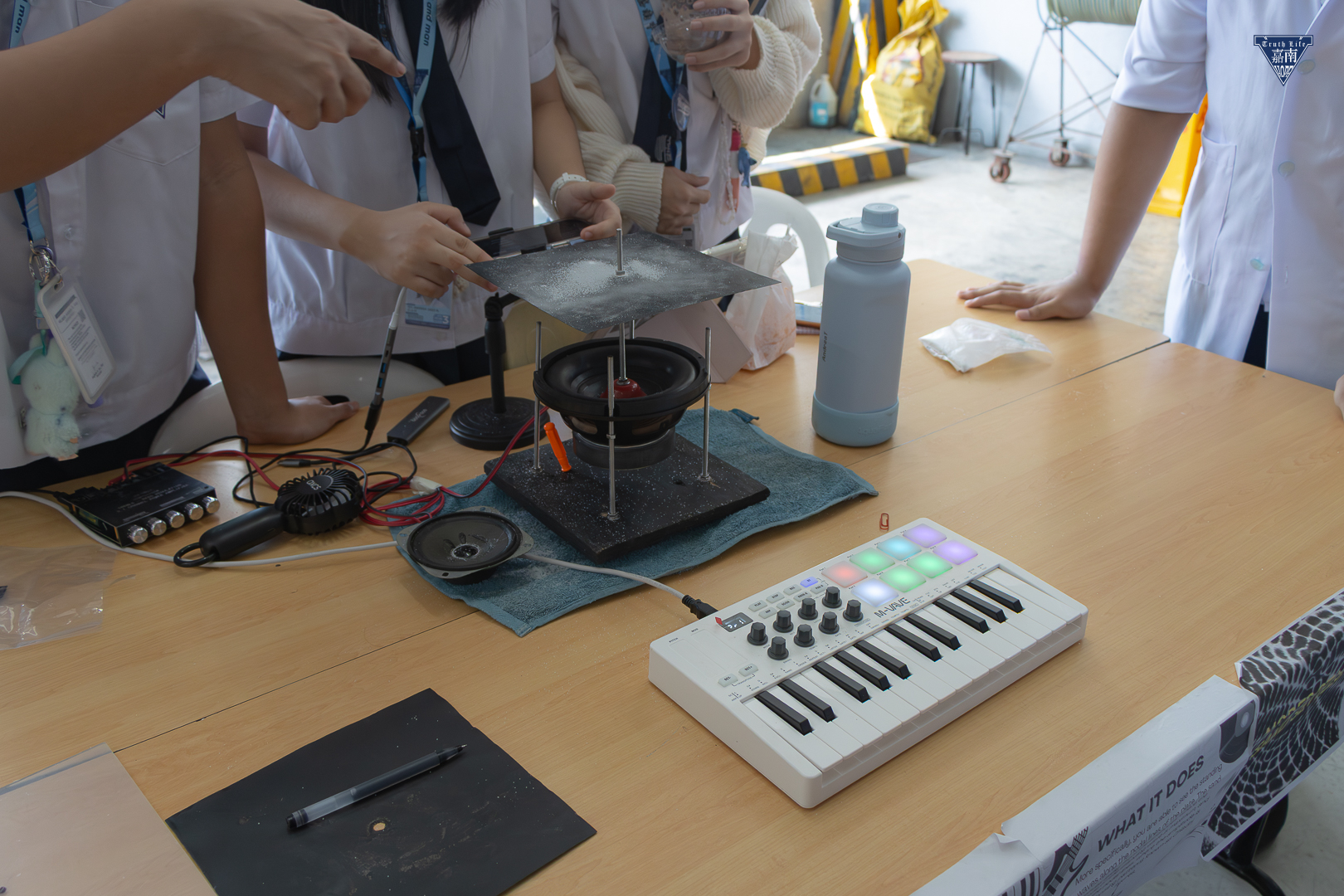
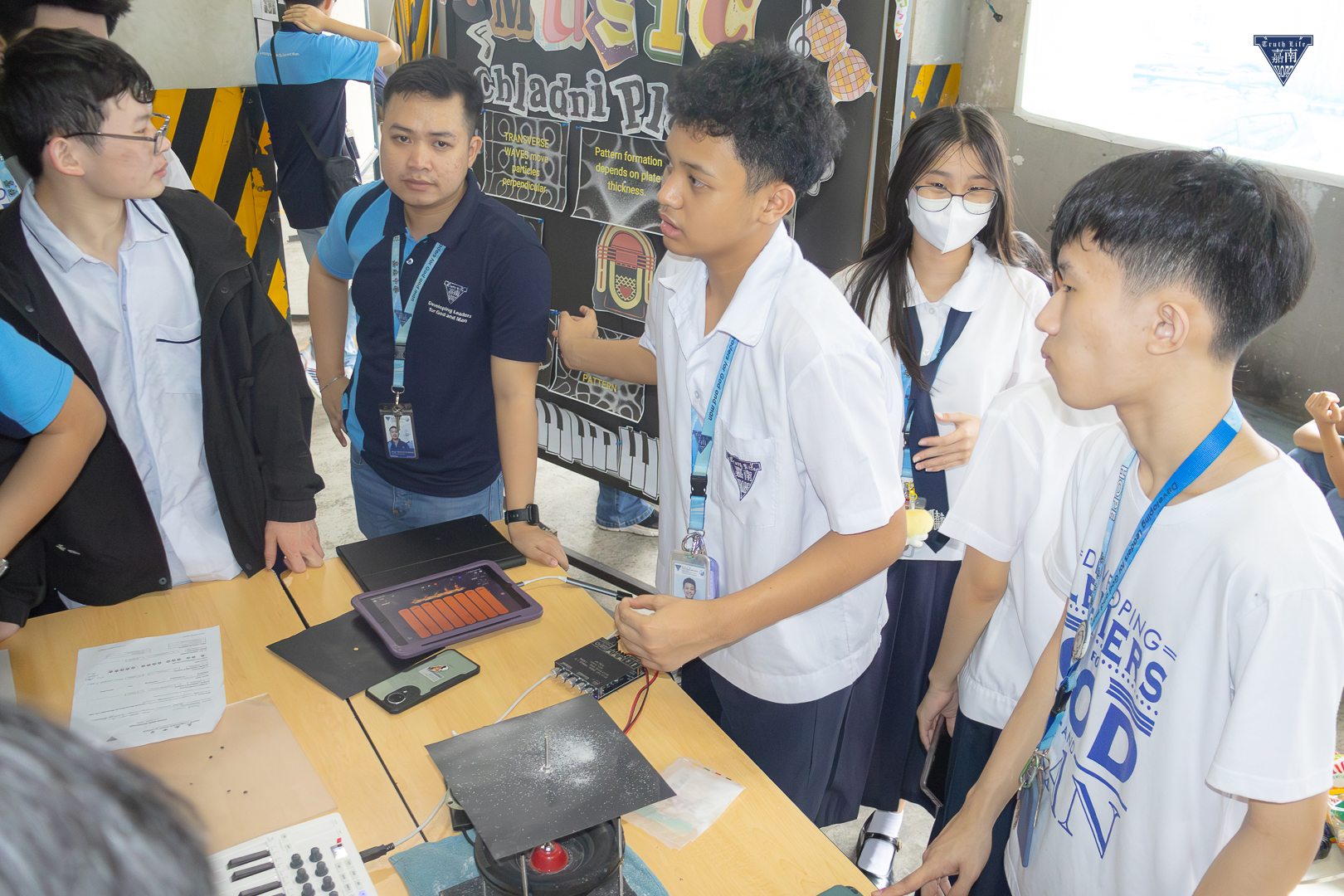
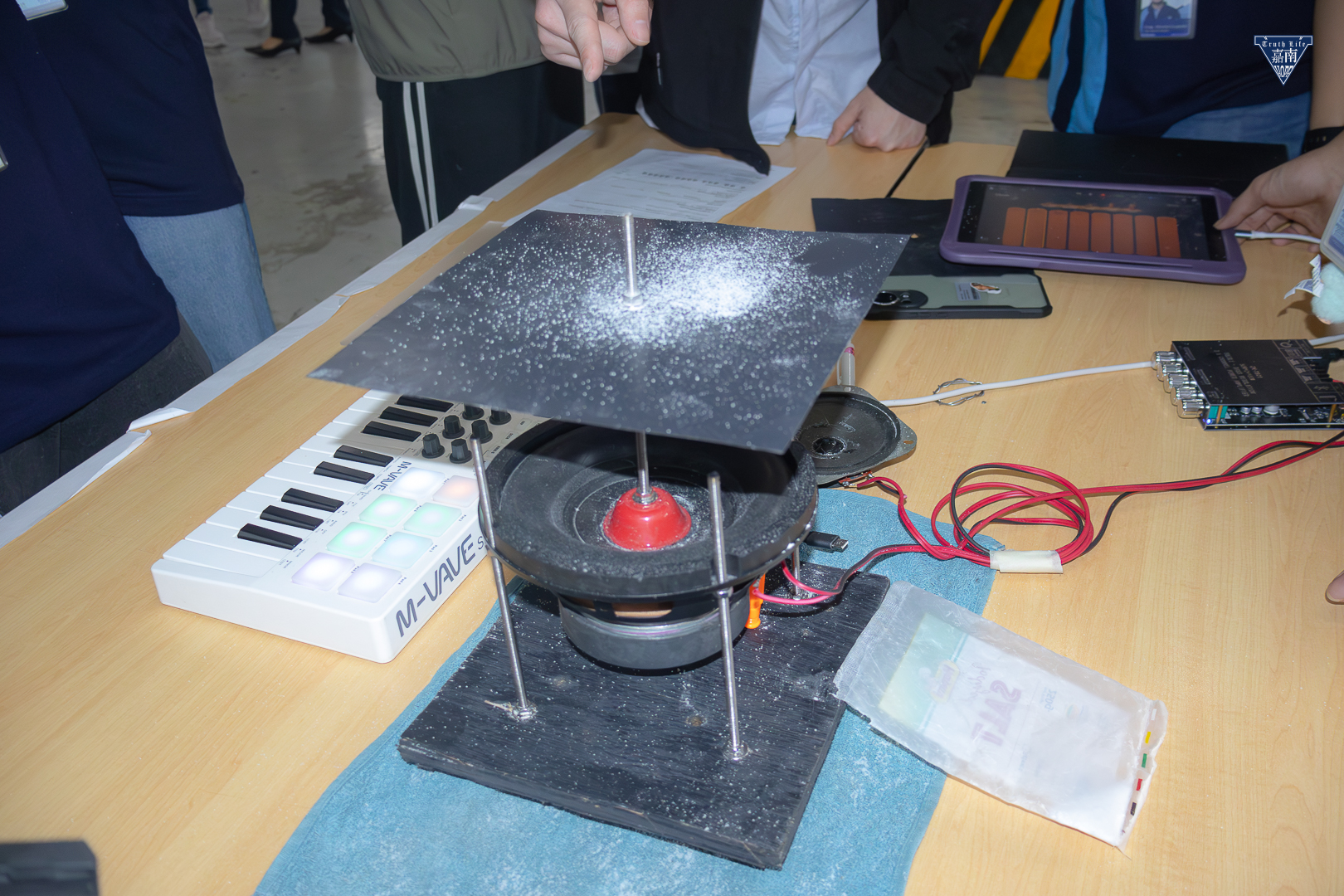
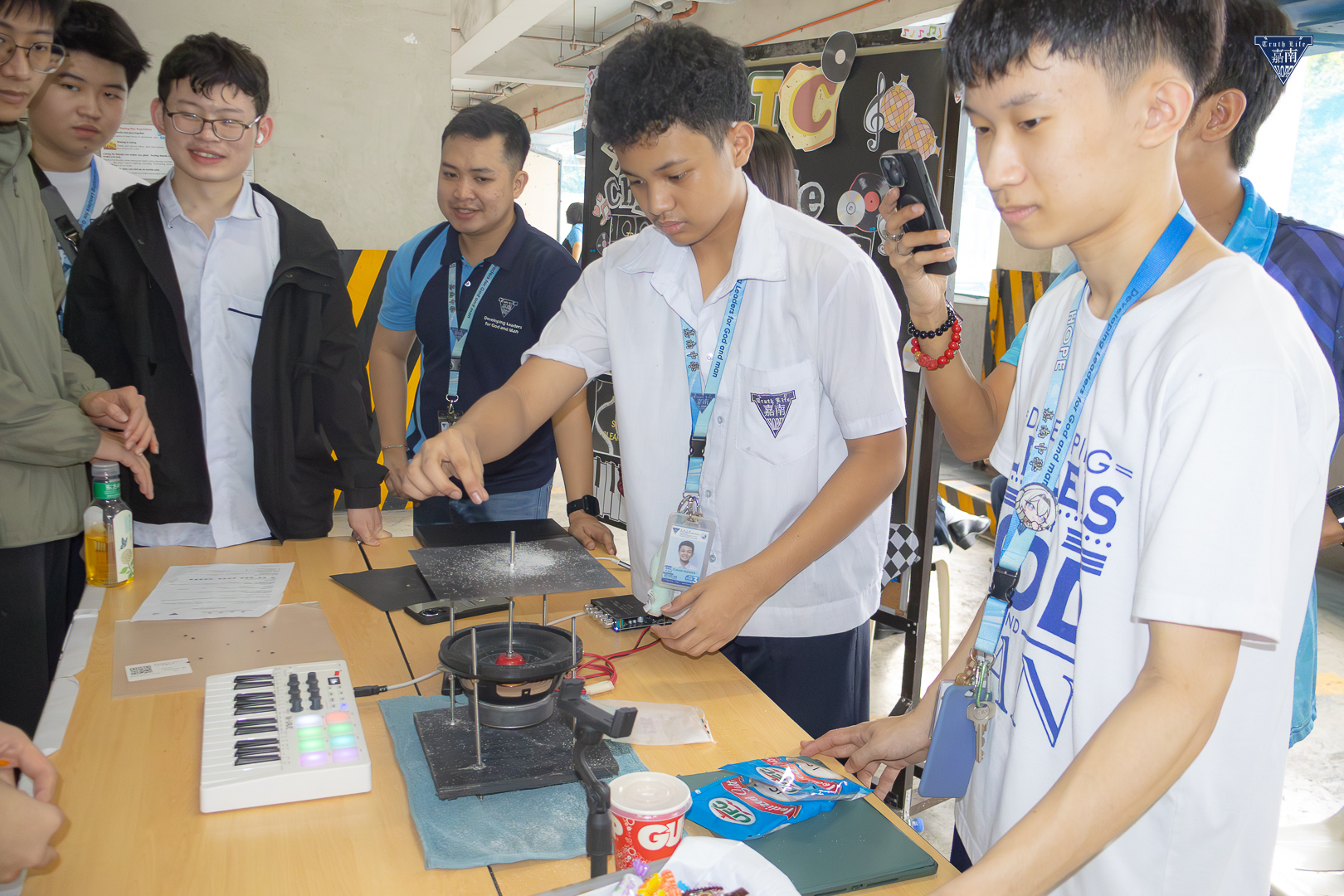
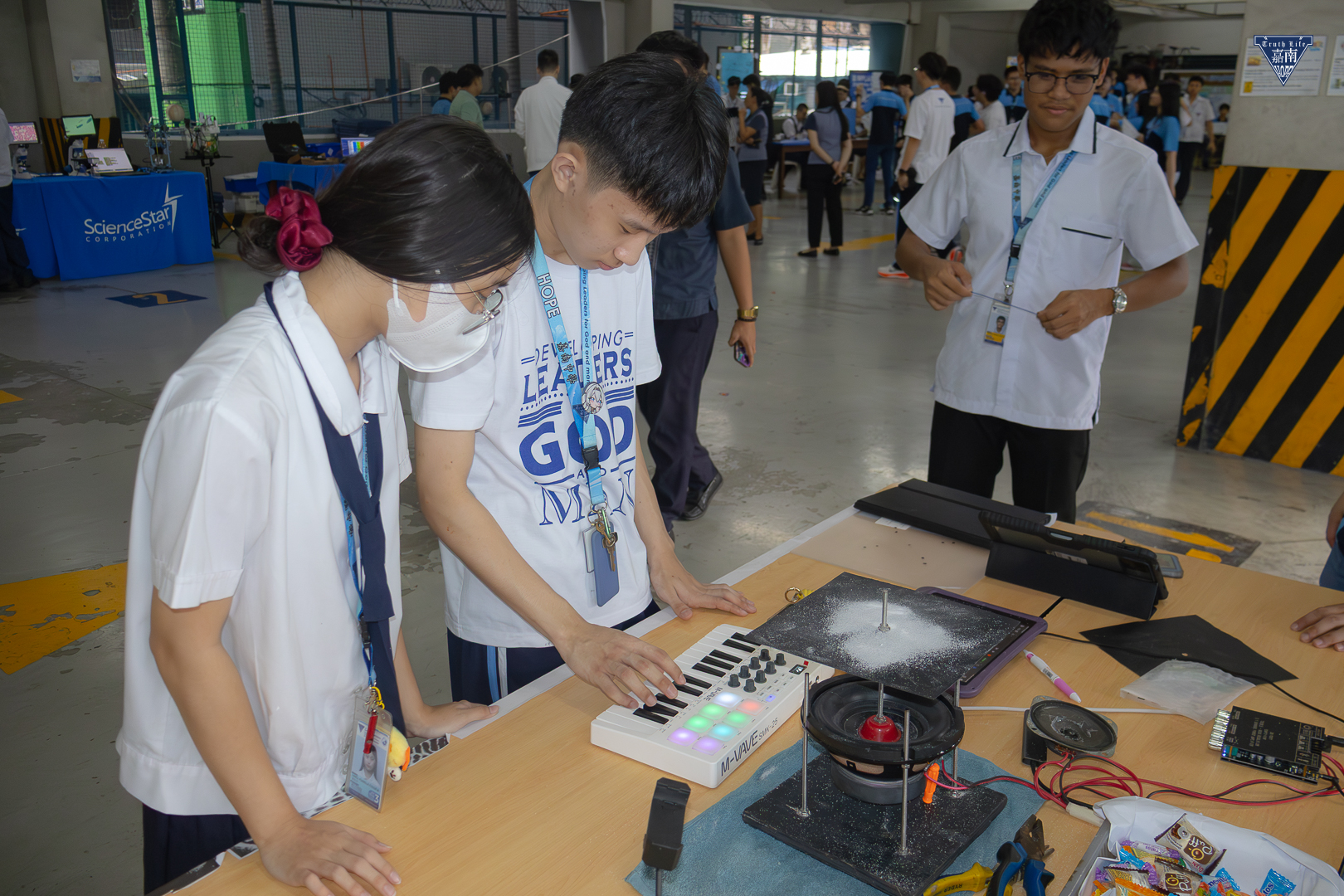
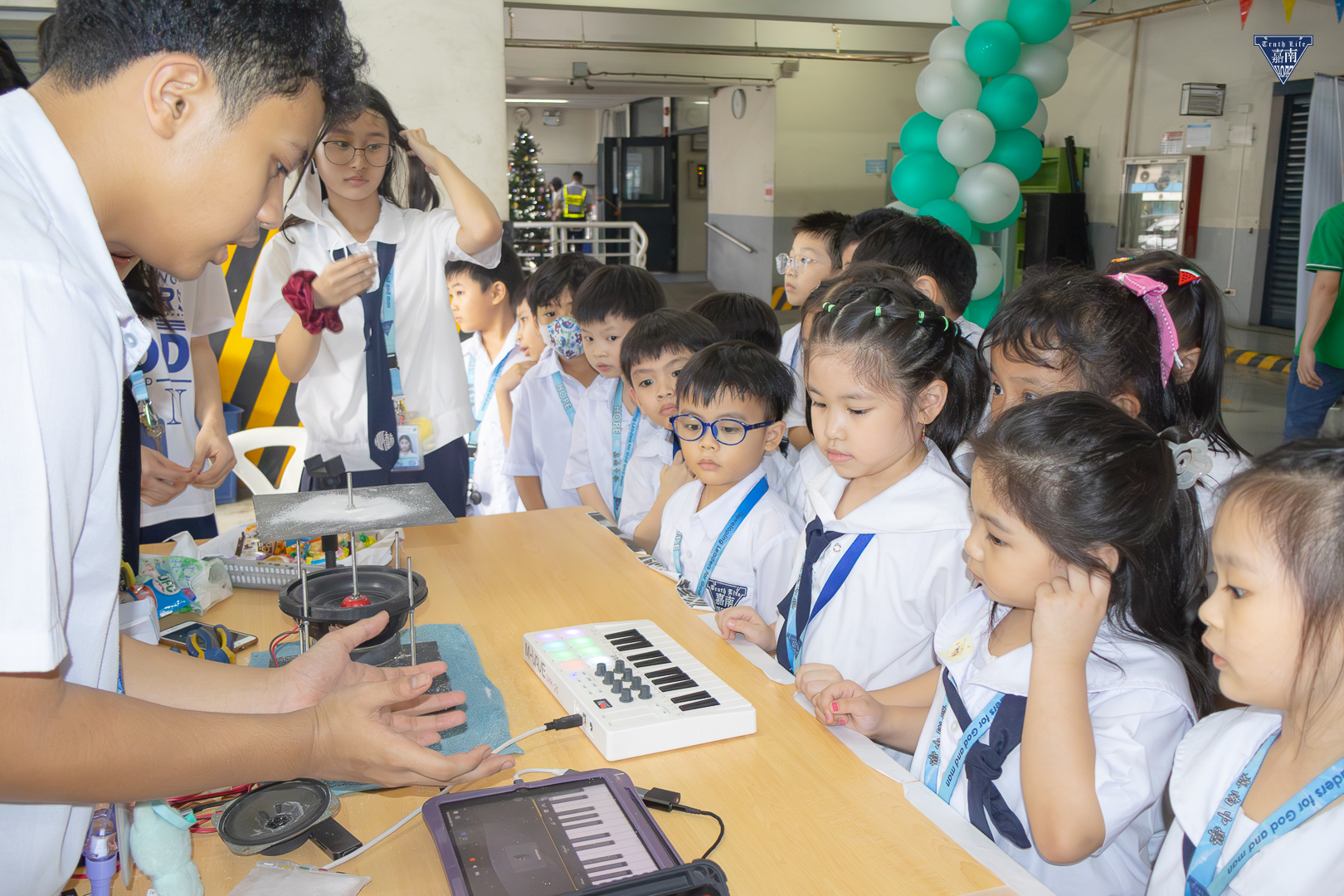
This year’s STEAM Week theme was creatively expressed through the on-the-spot poster-making competition of the MYP Visual Arts. Following the theme “Building Smart and Sustainable Communities”, the students used colorful oil pastels to advocate for sustainability. Meanwhile, MYP Music showcased an interactive exhibit of the Chladni Plate. As the visitors played notes on the mini and digital piano, sound vibrations were amplified by an electronic device. Patterns of these vibrations were also visible on the plate. Through this, the students learned about resonance, frequency, and the role of wave motion in the creation of art and sound.
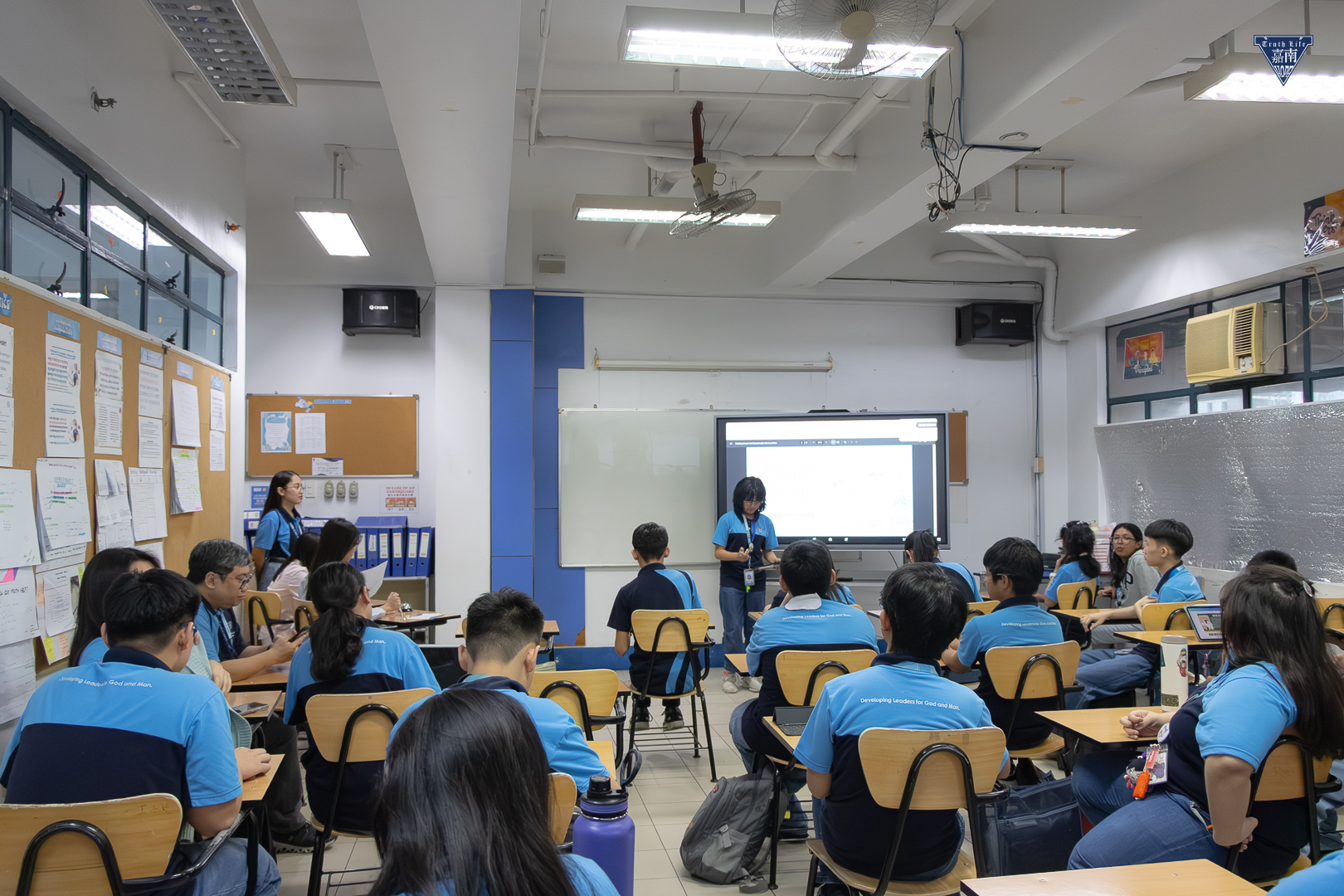
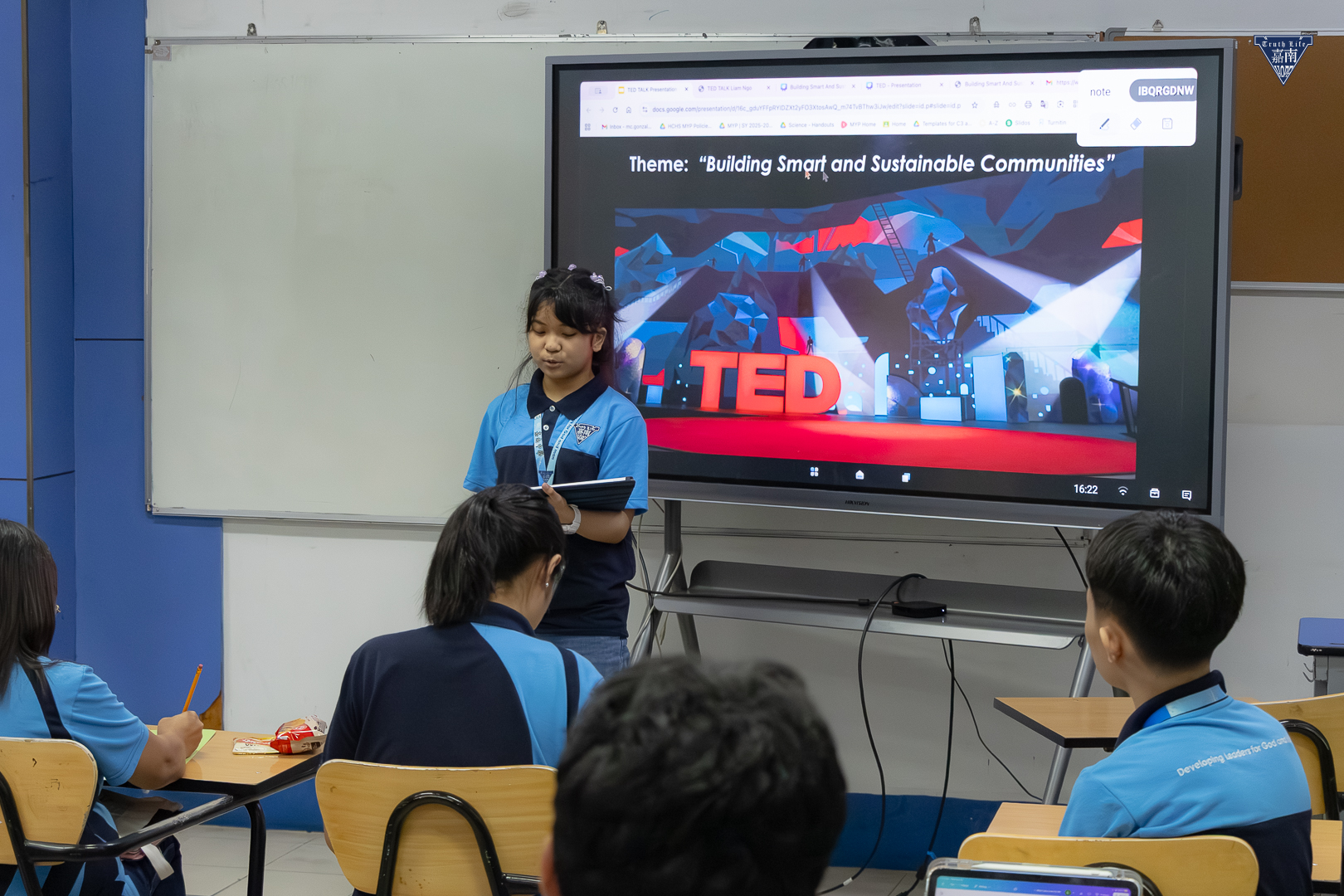
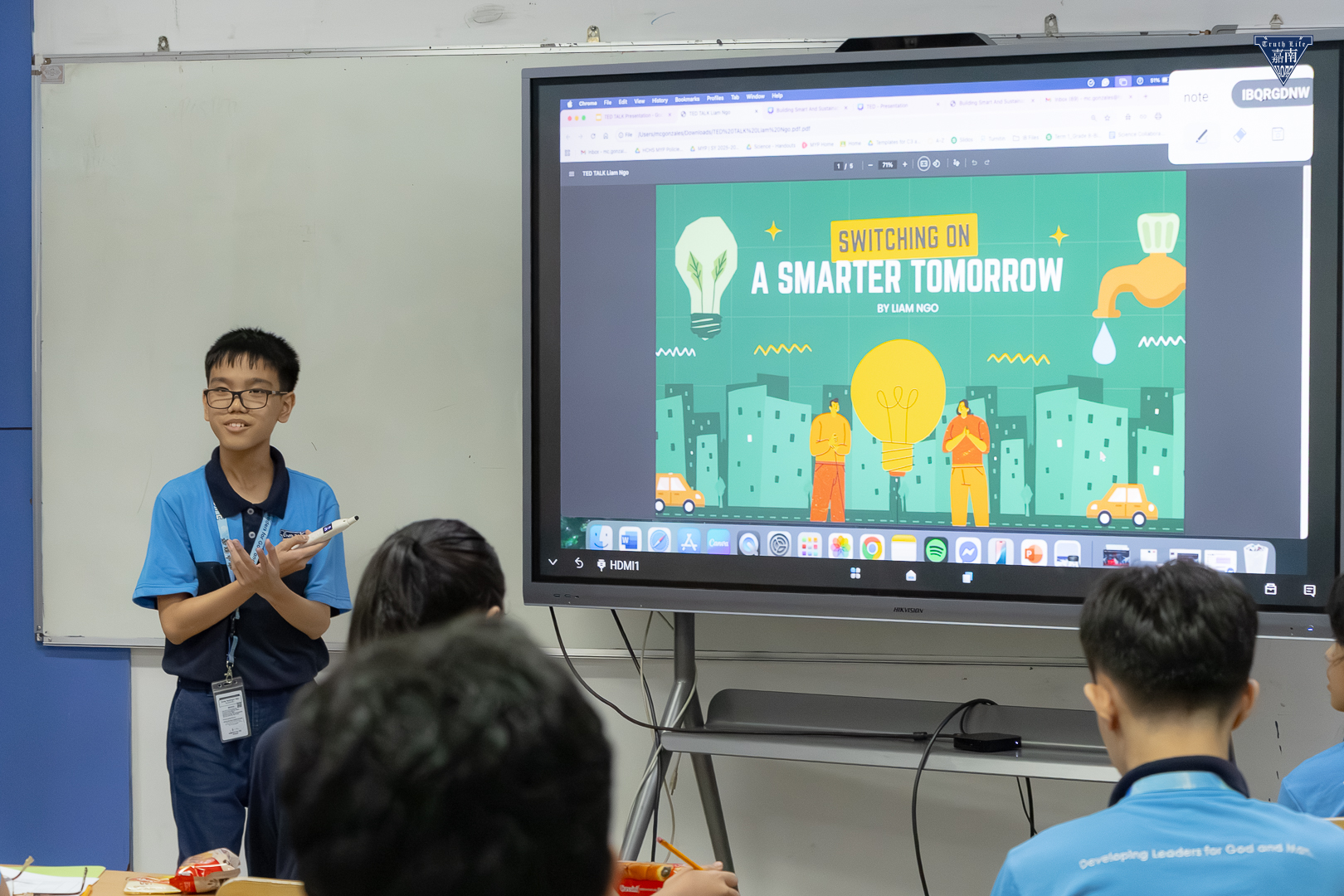
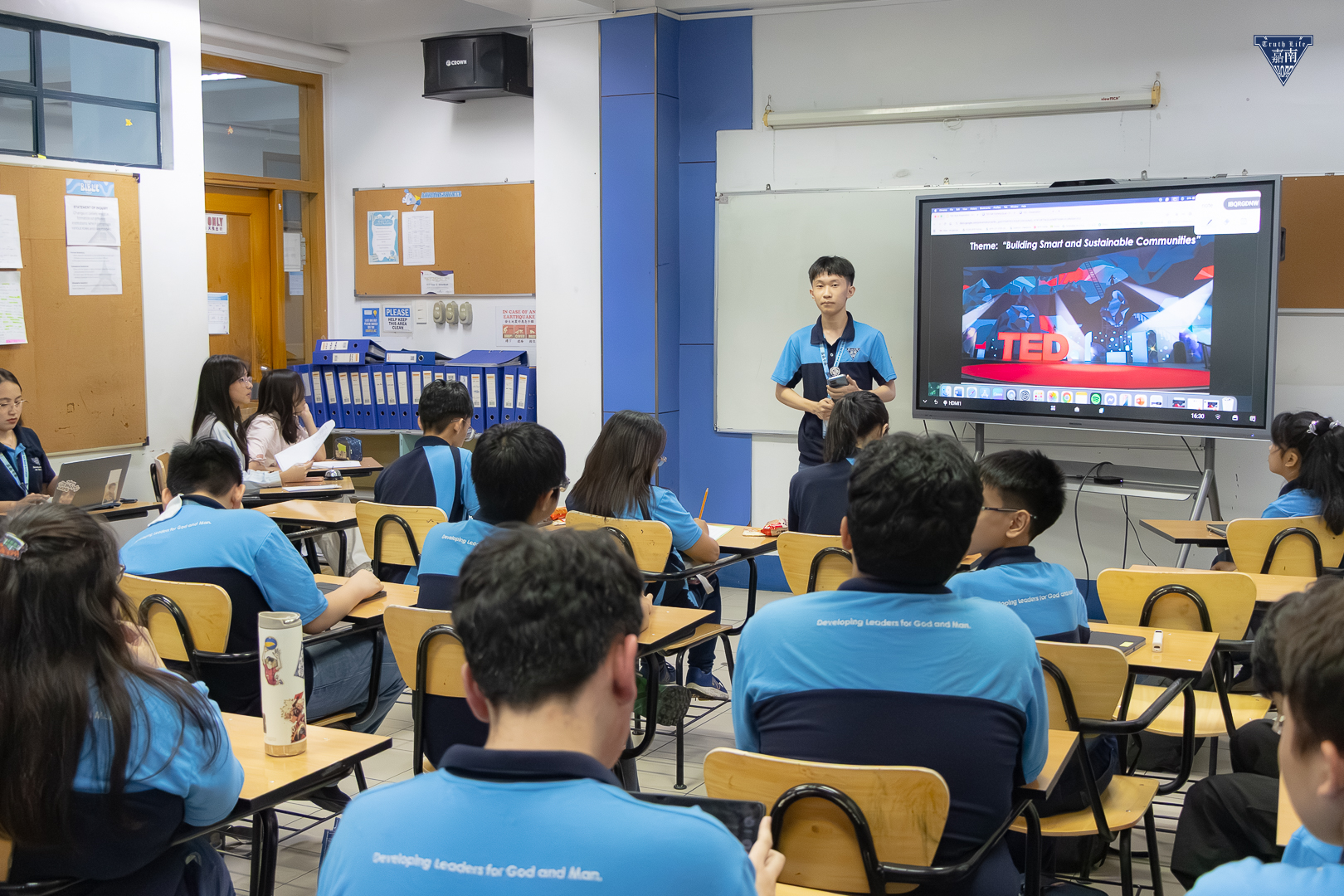
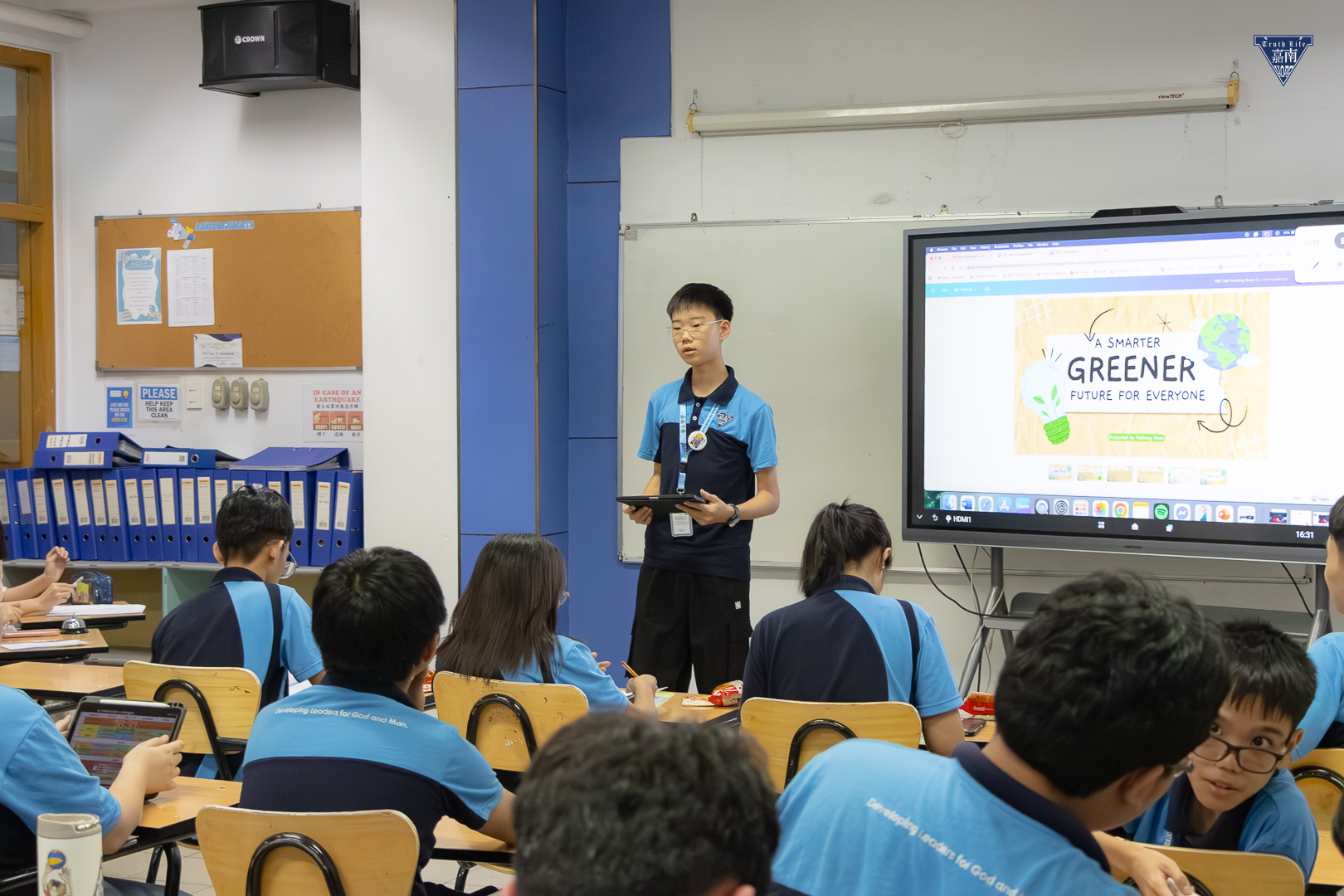
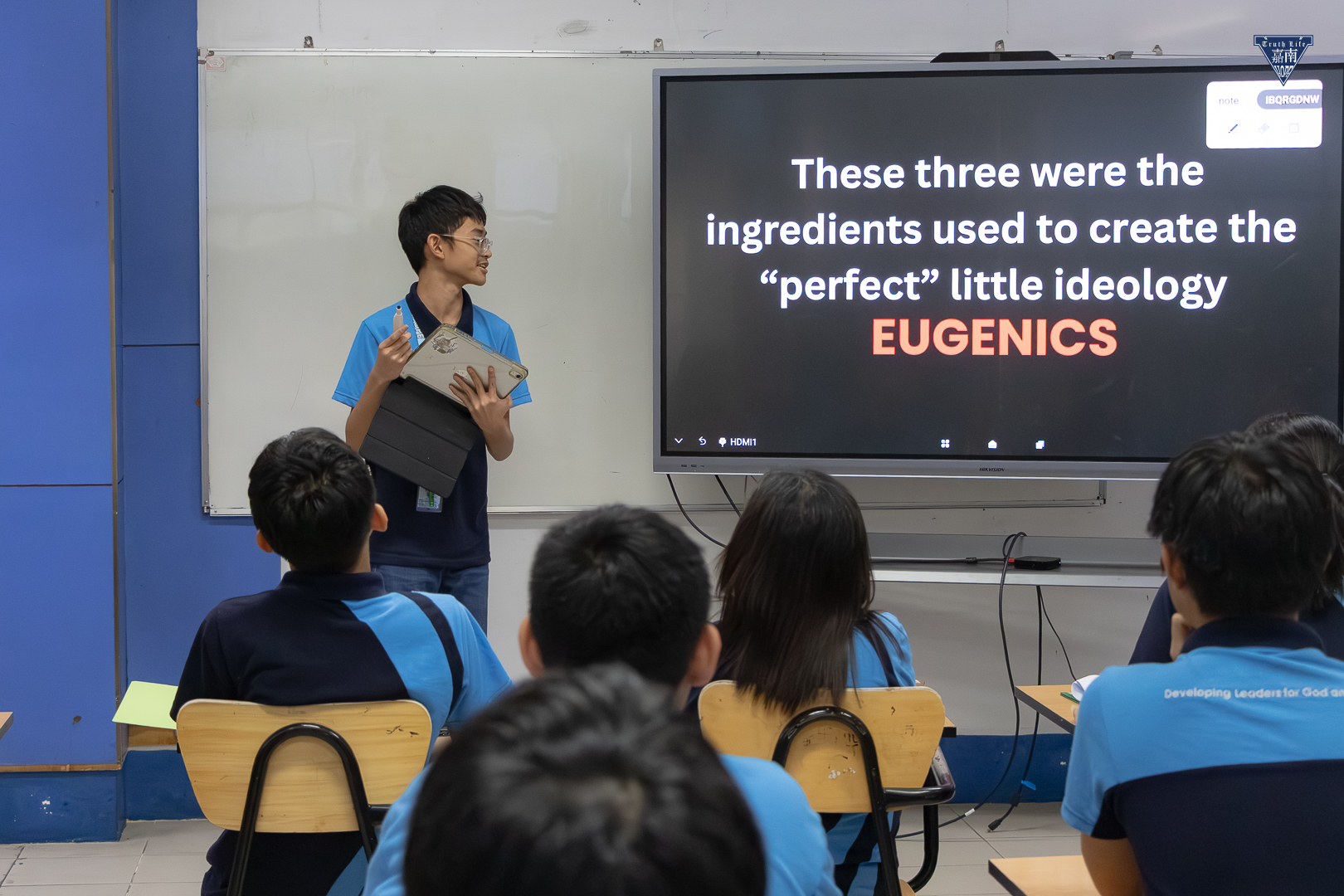
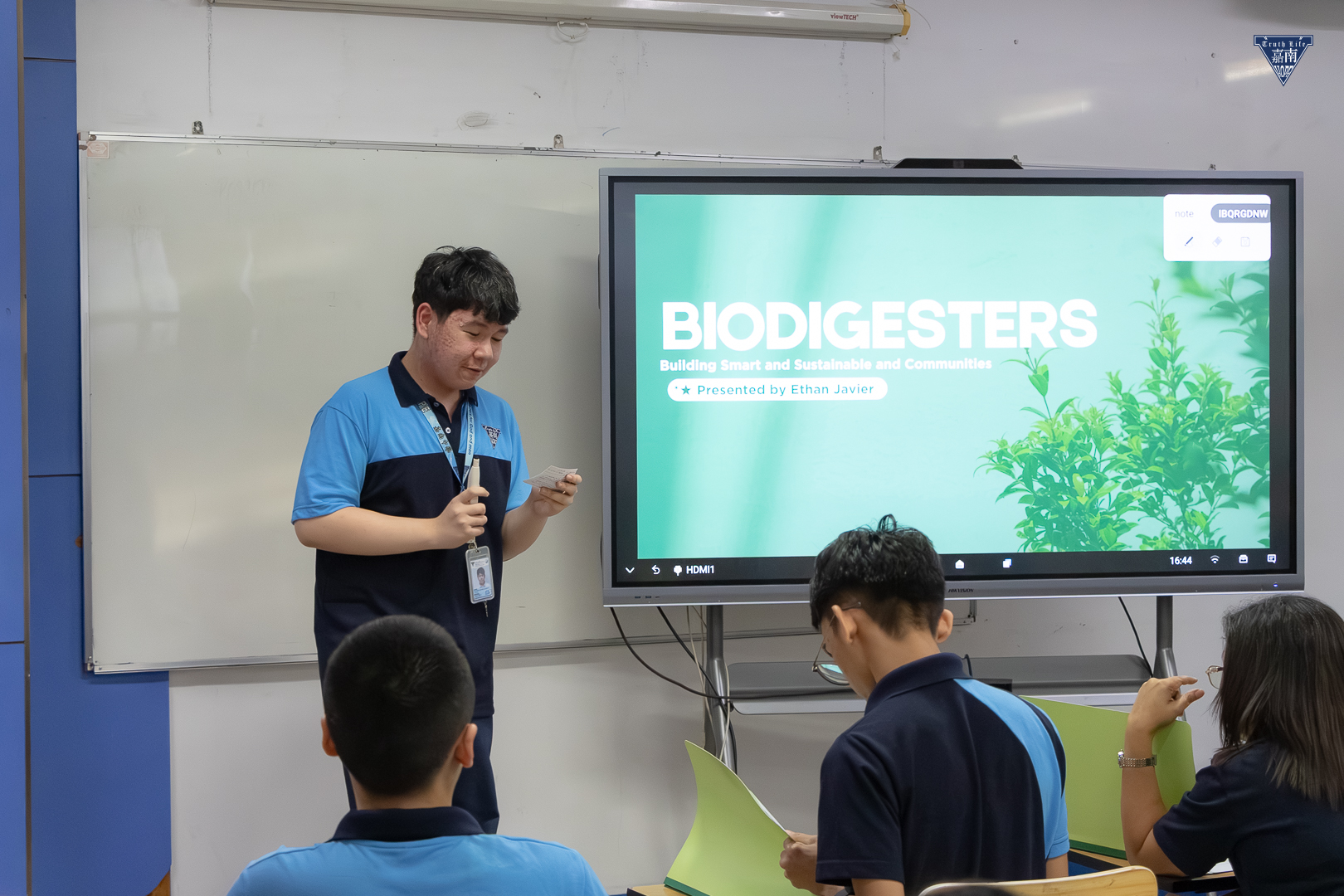
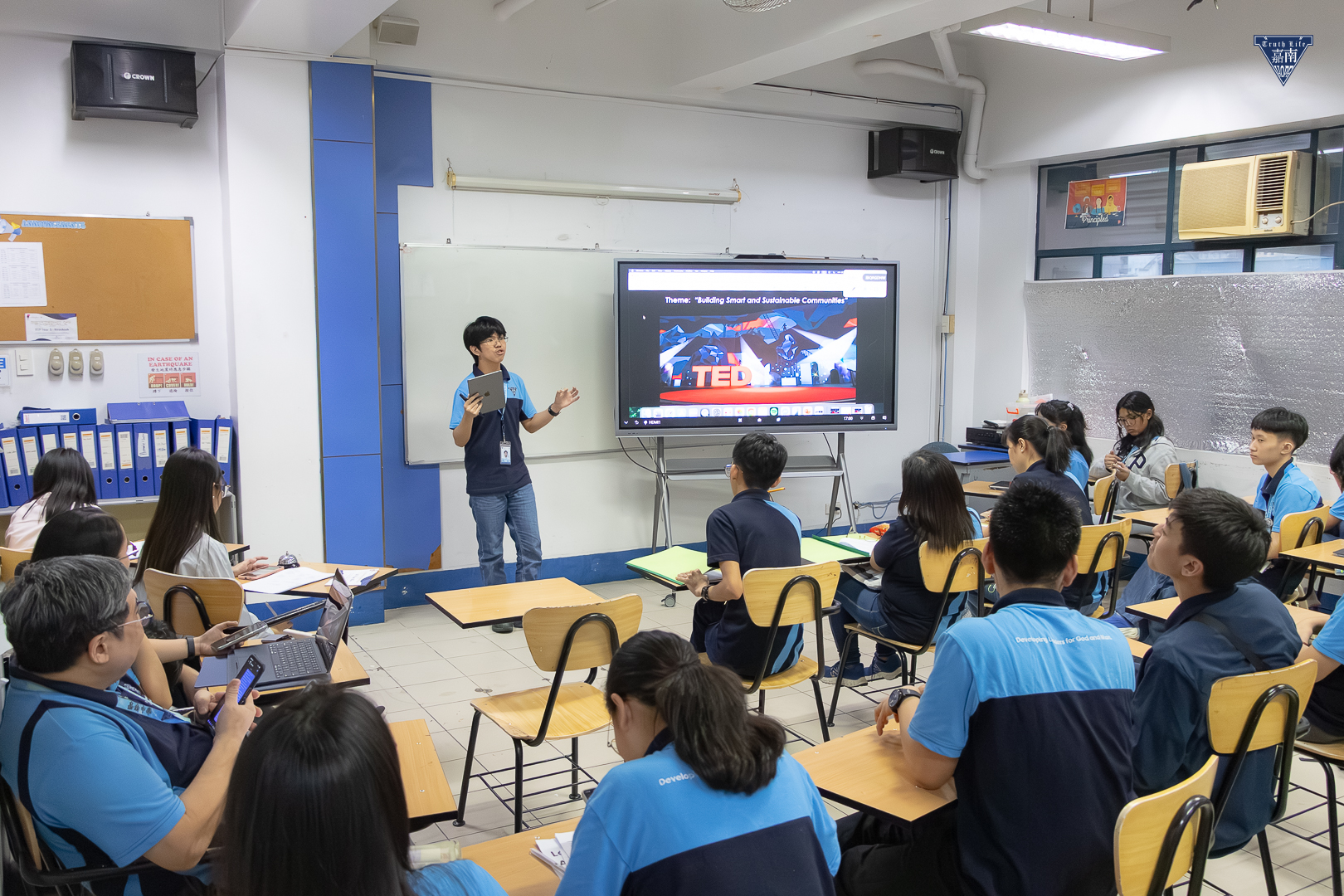
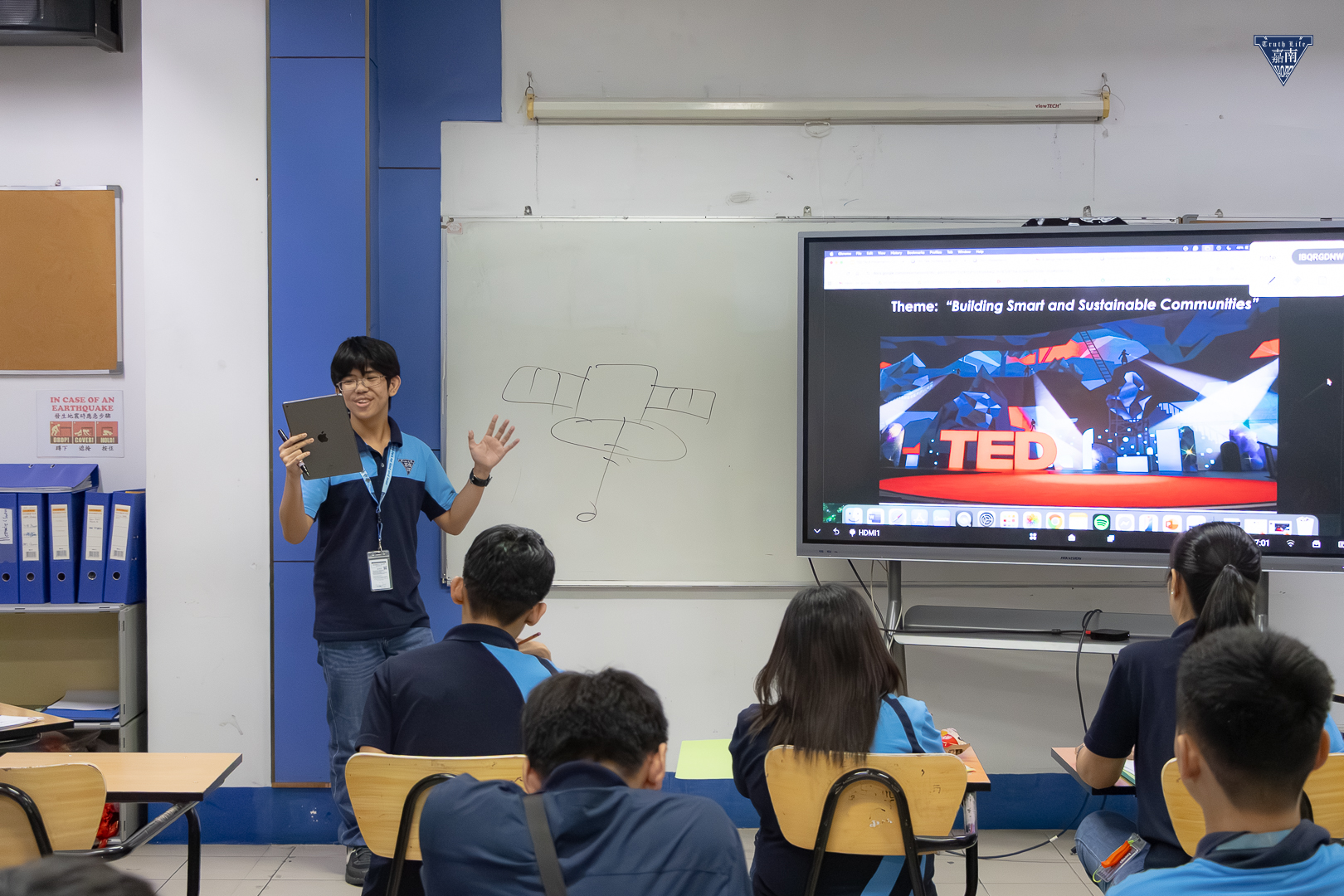
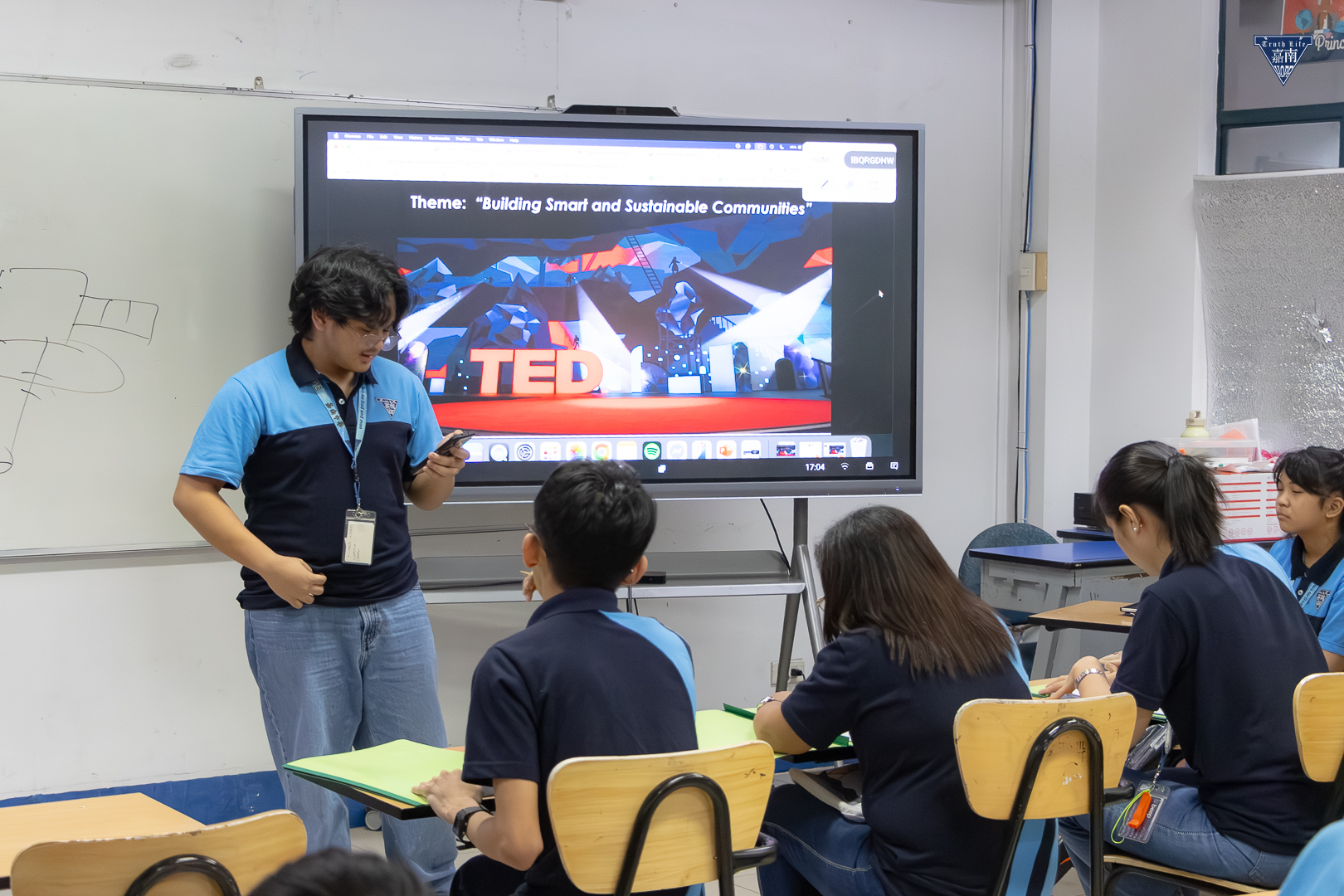
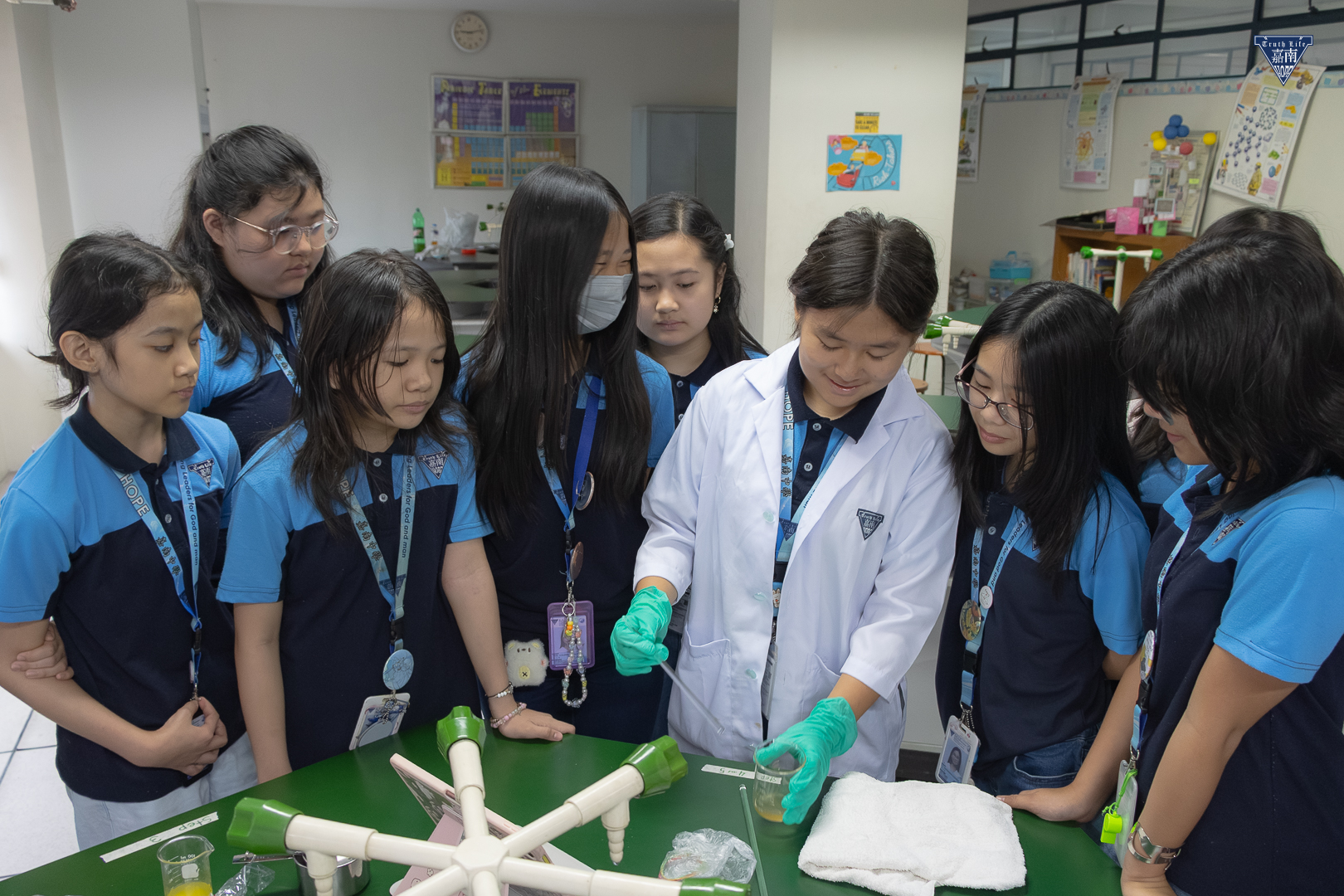
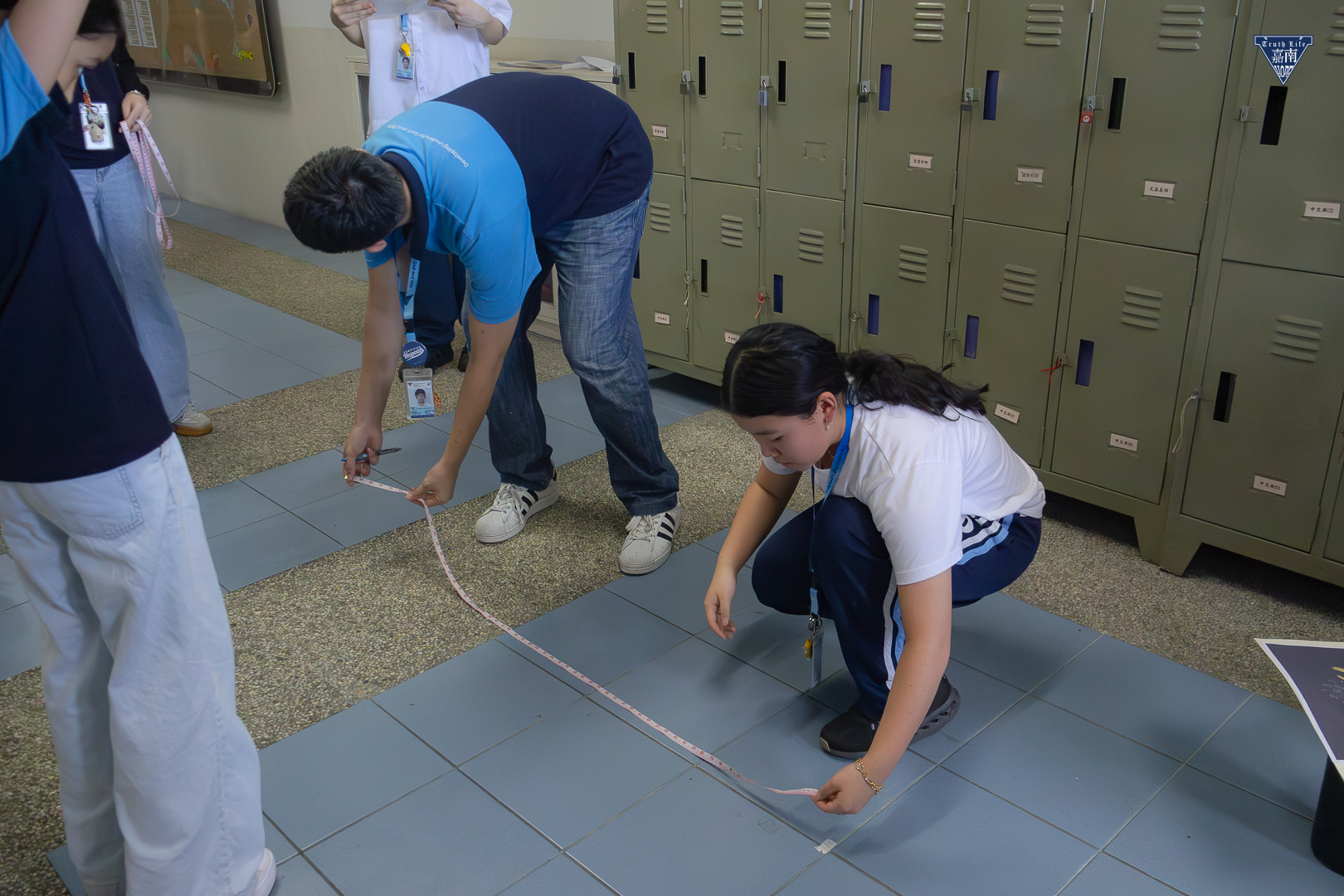
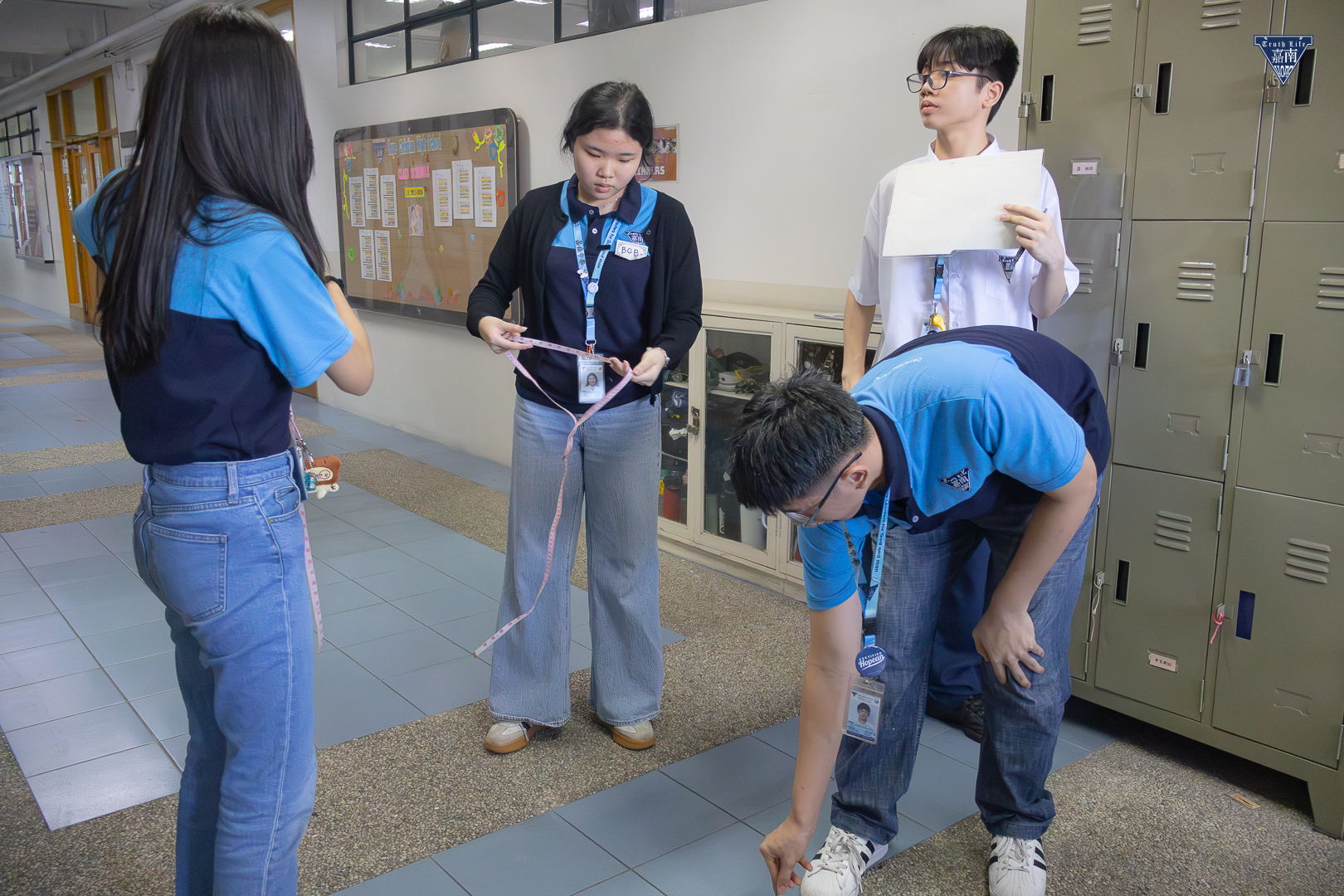
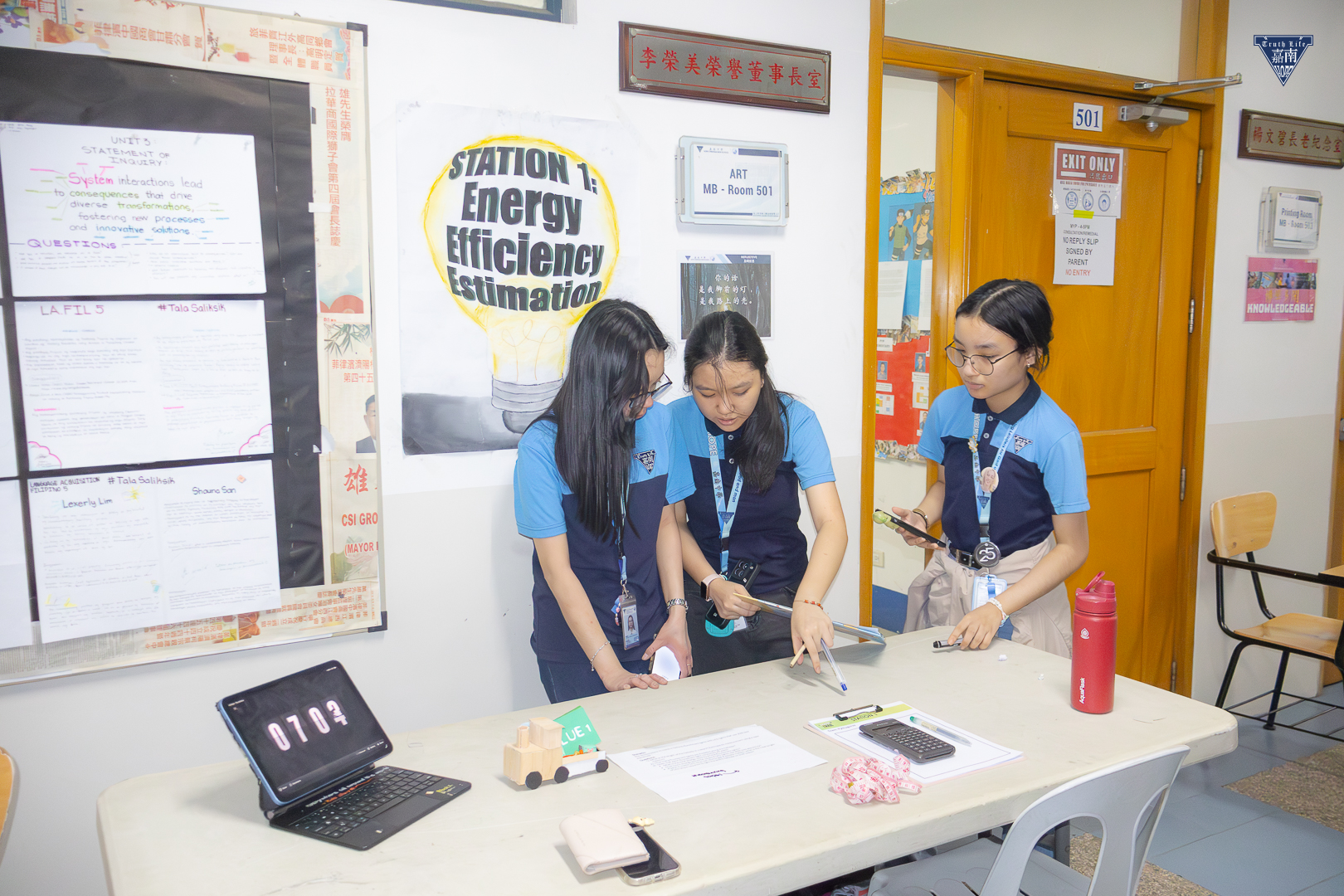
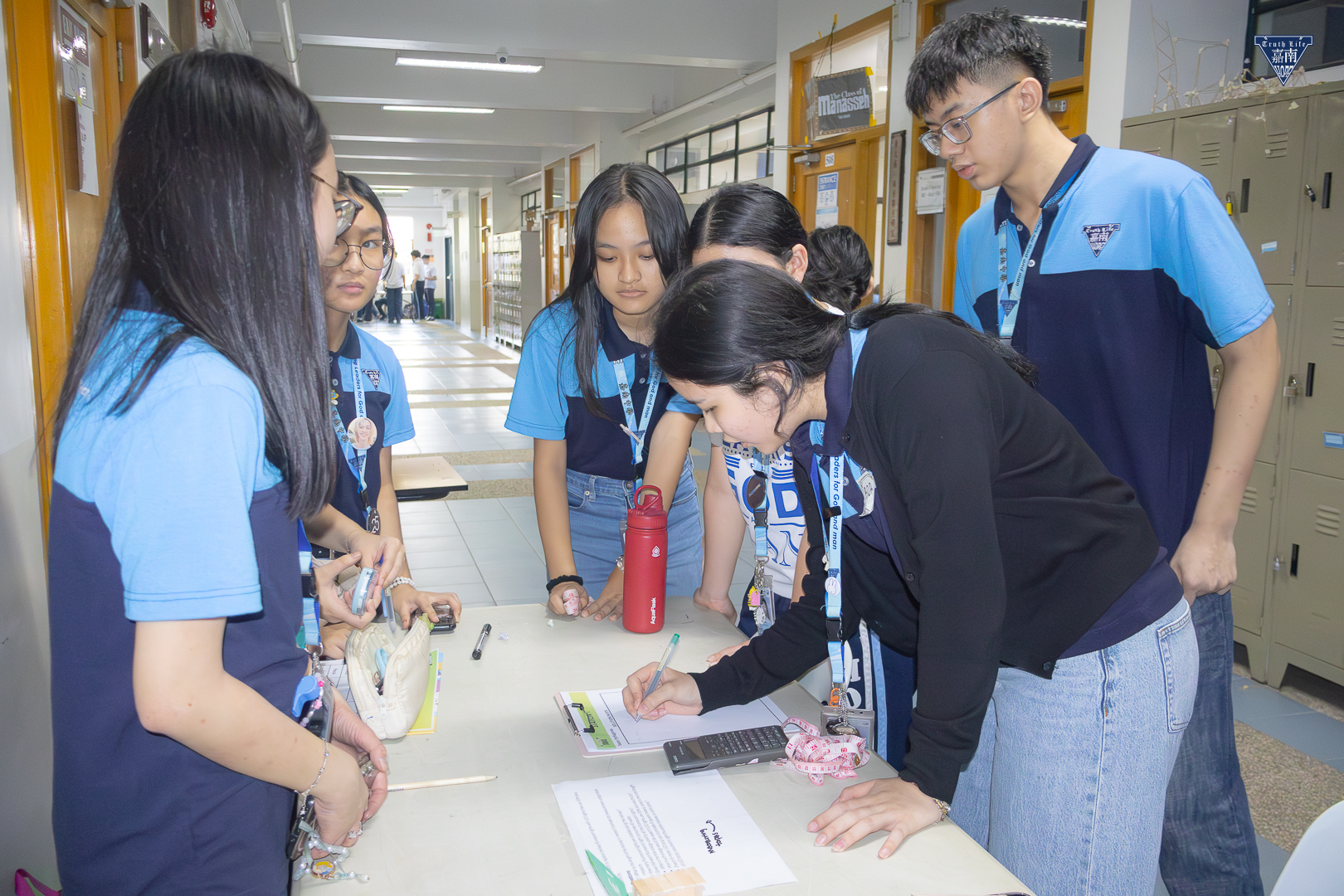
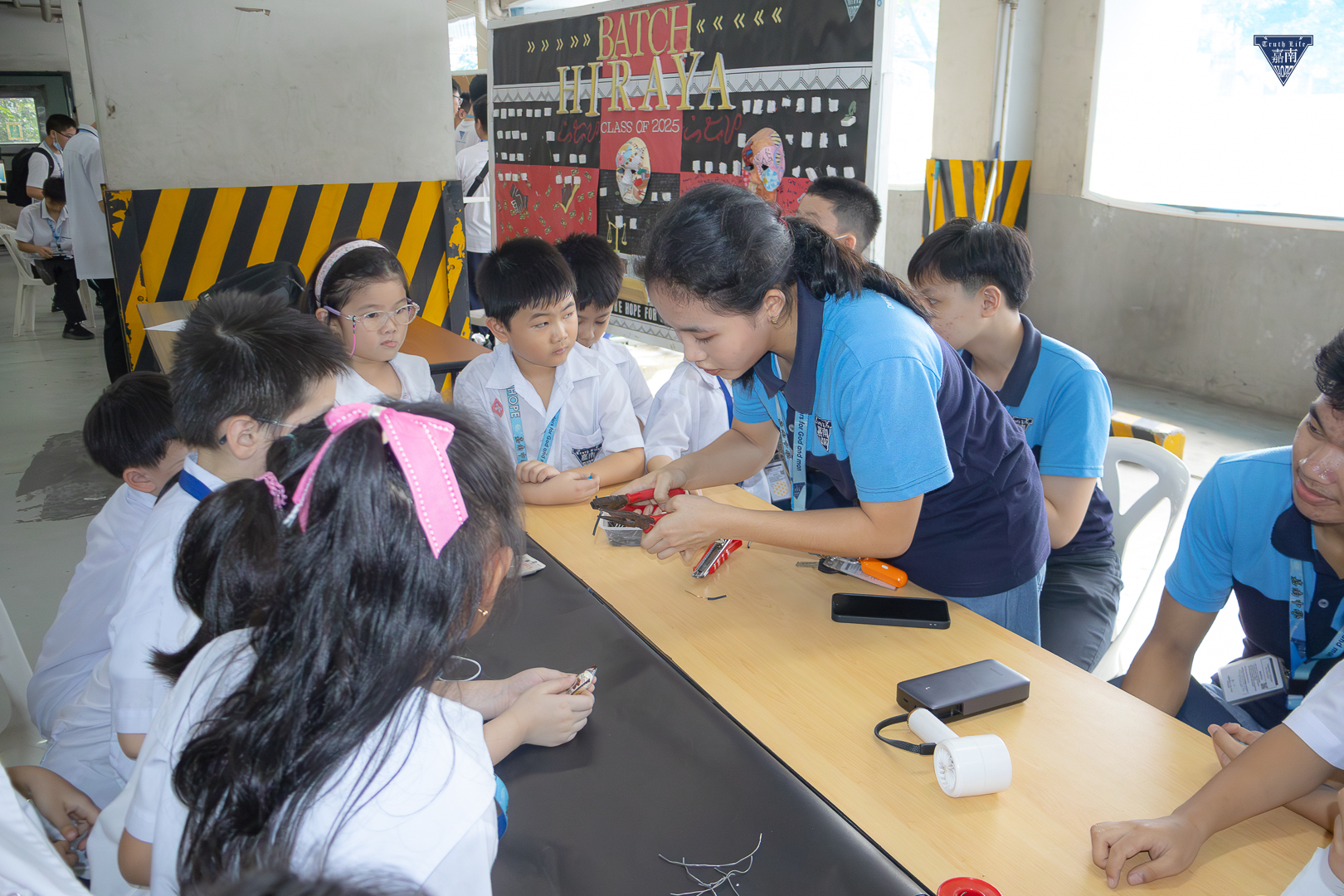
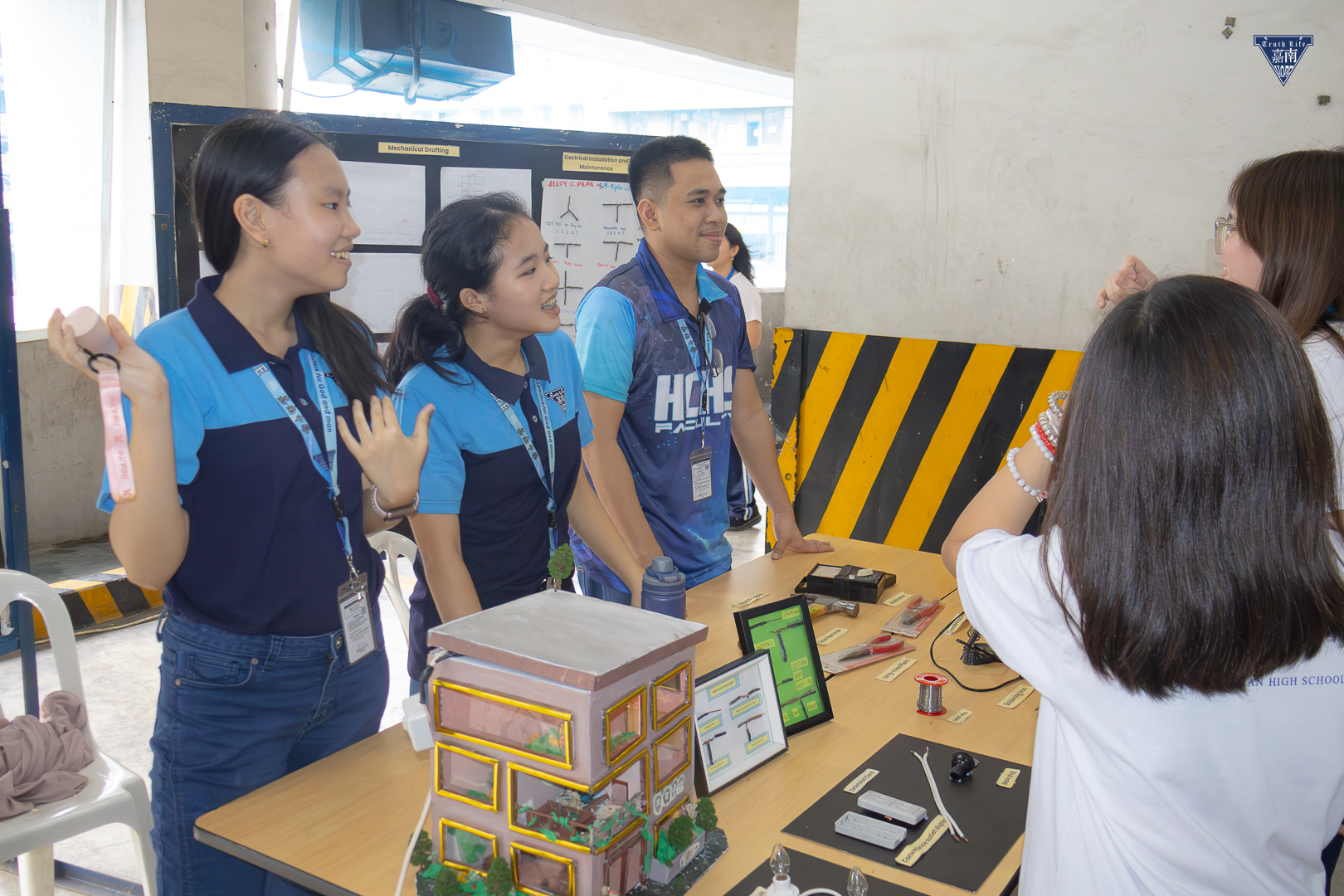
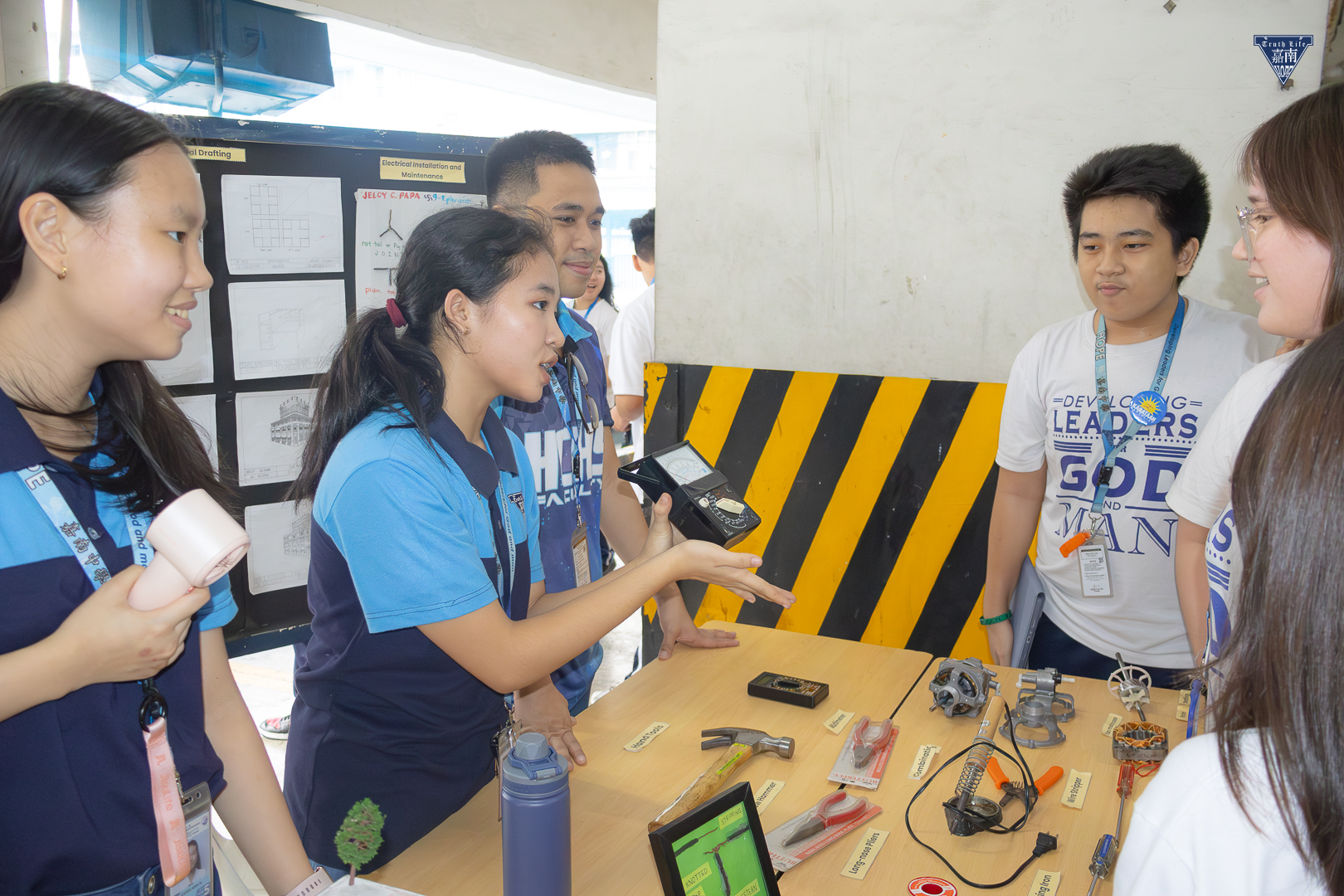
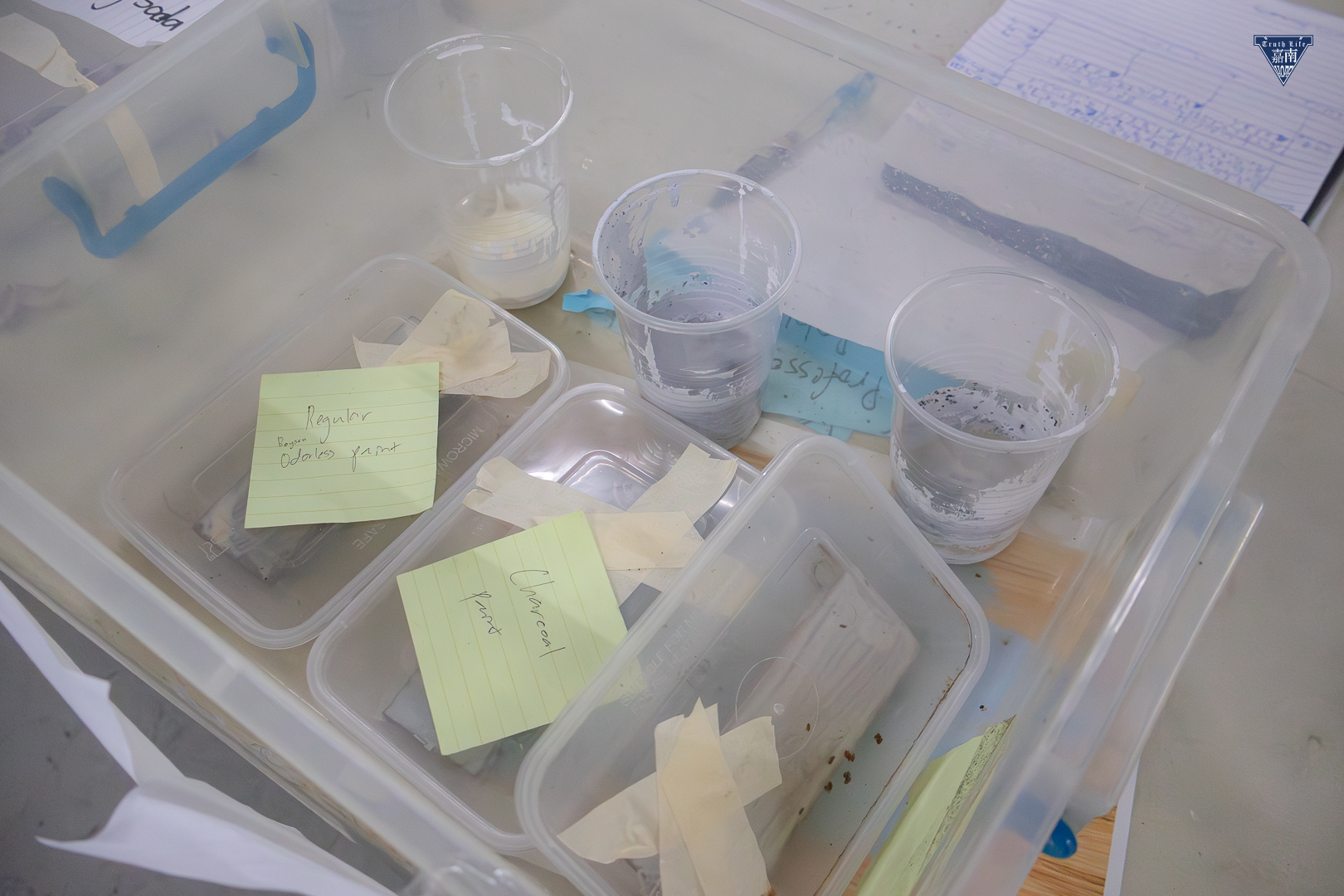
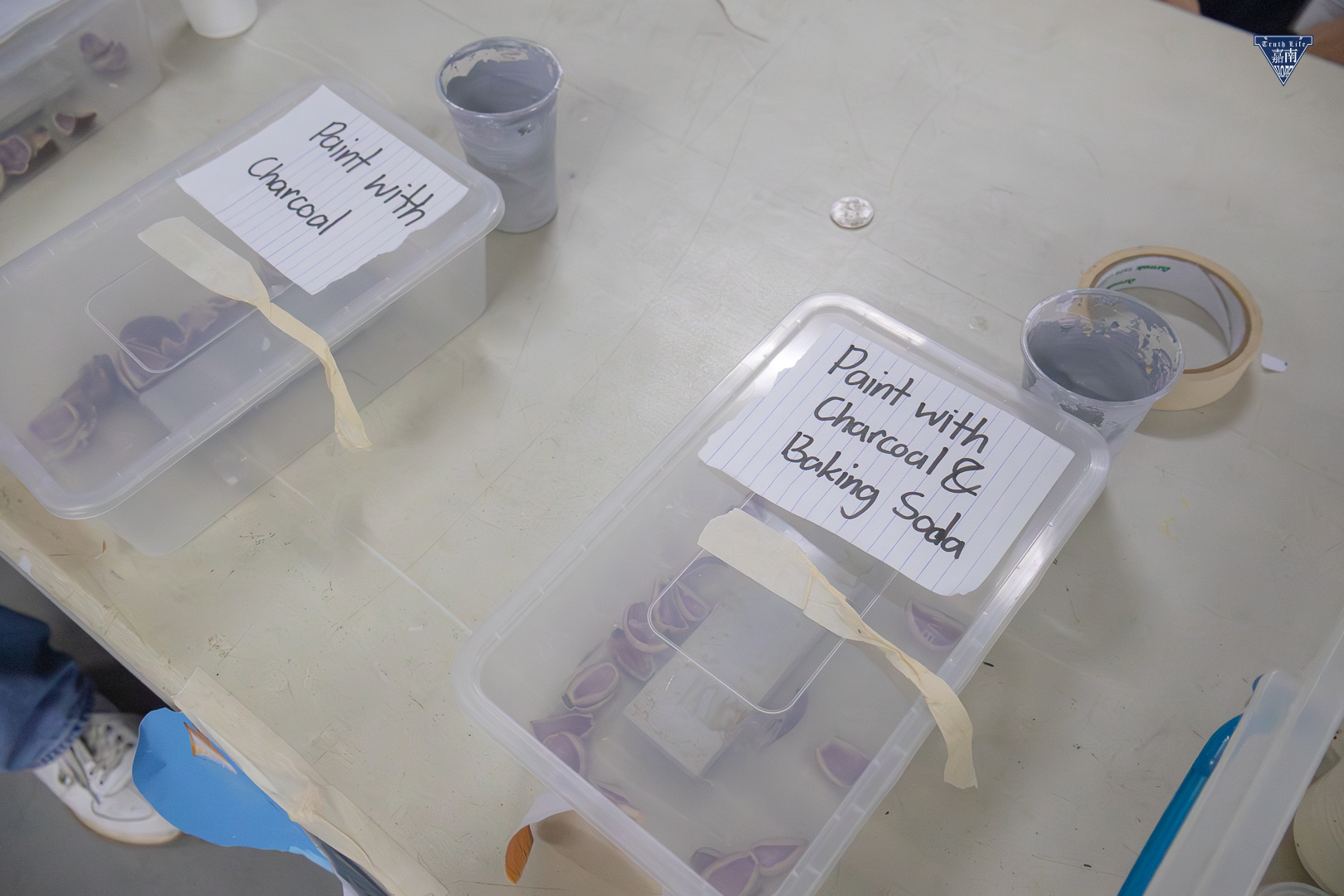
MYP STEAM Week Activities
Sustainability in Action: DP STEAM Activities
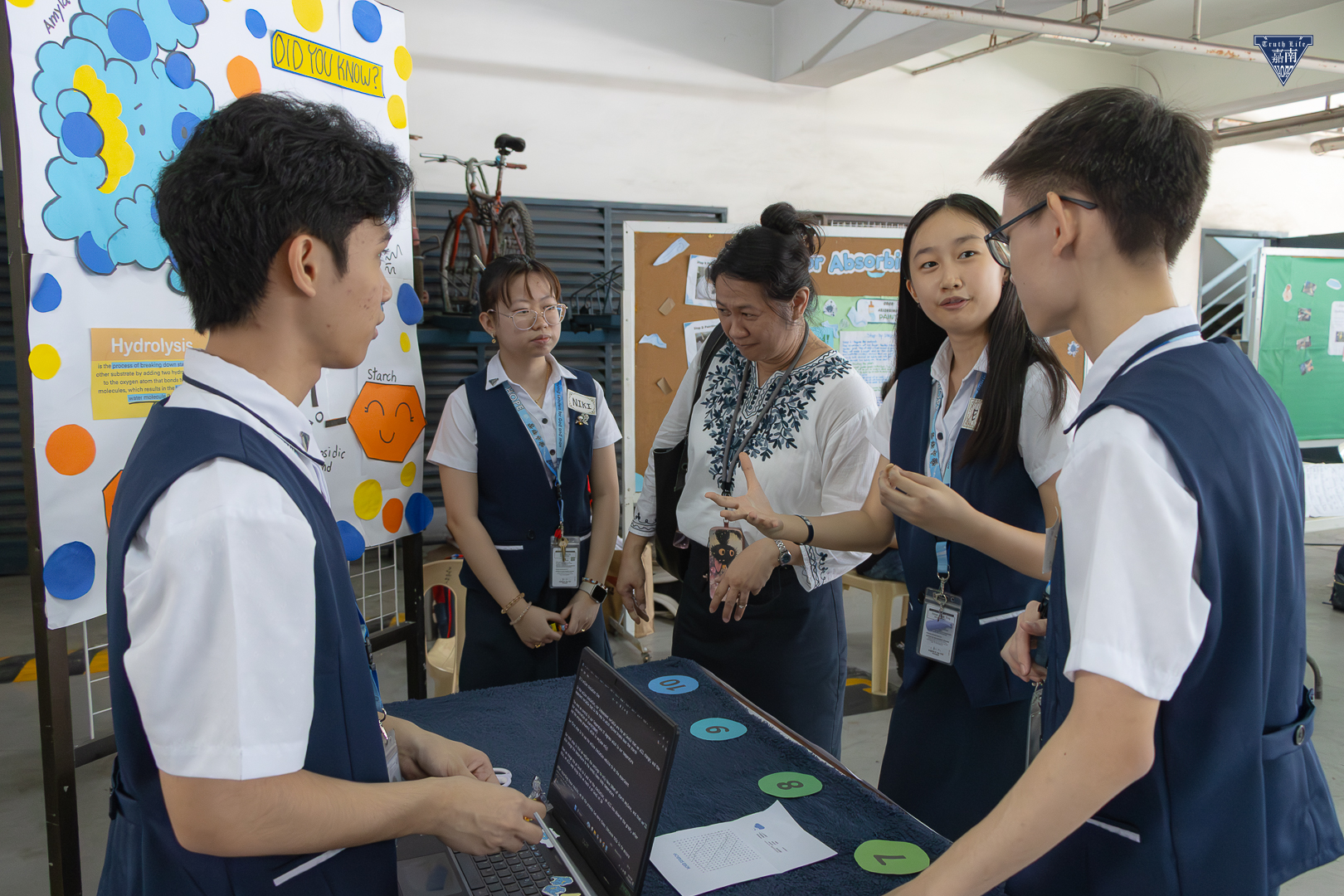
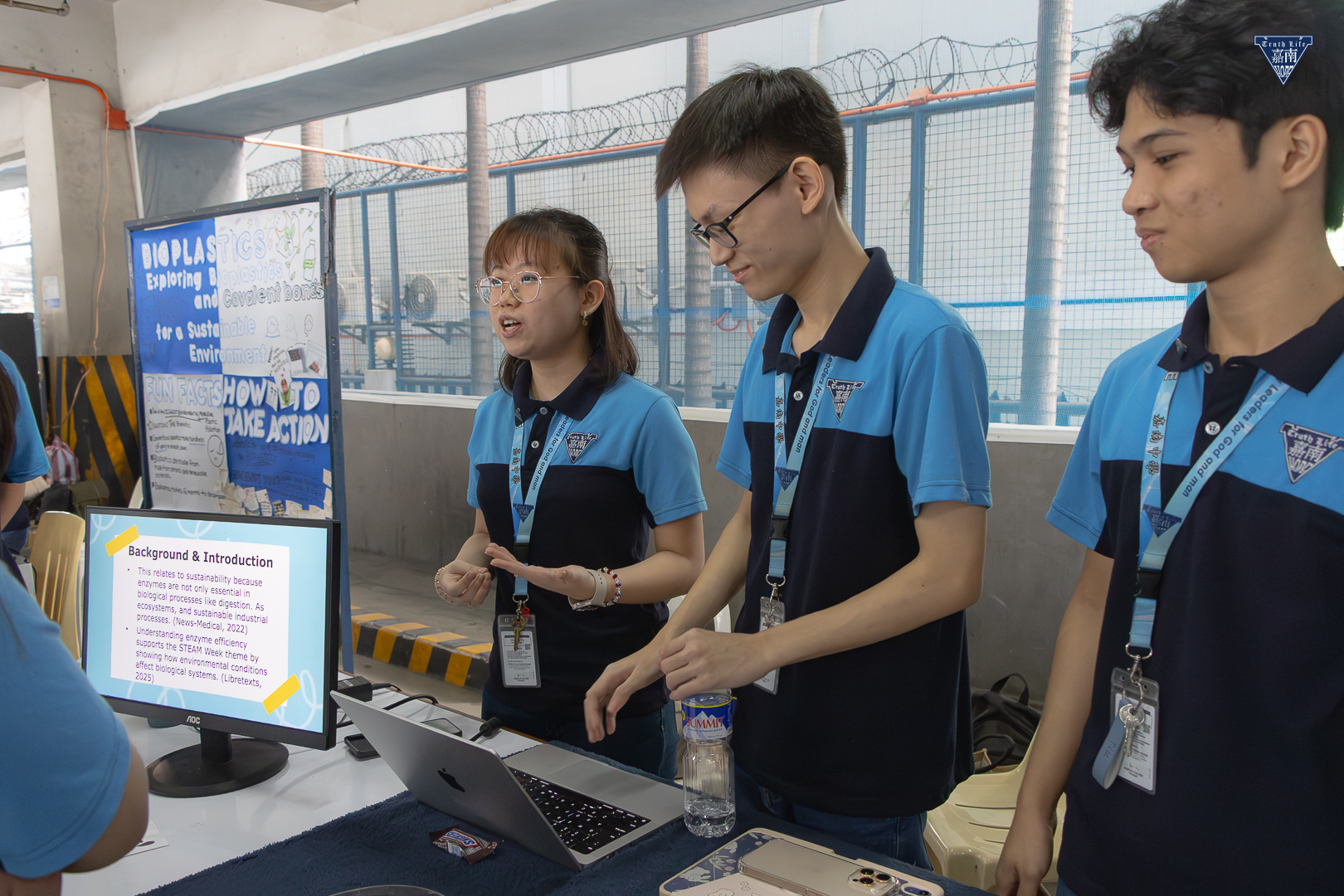
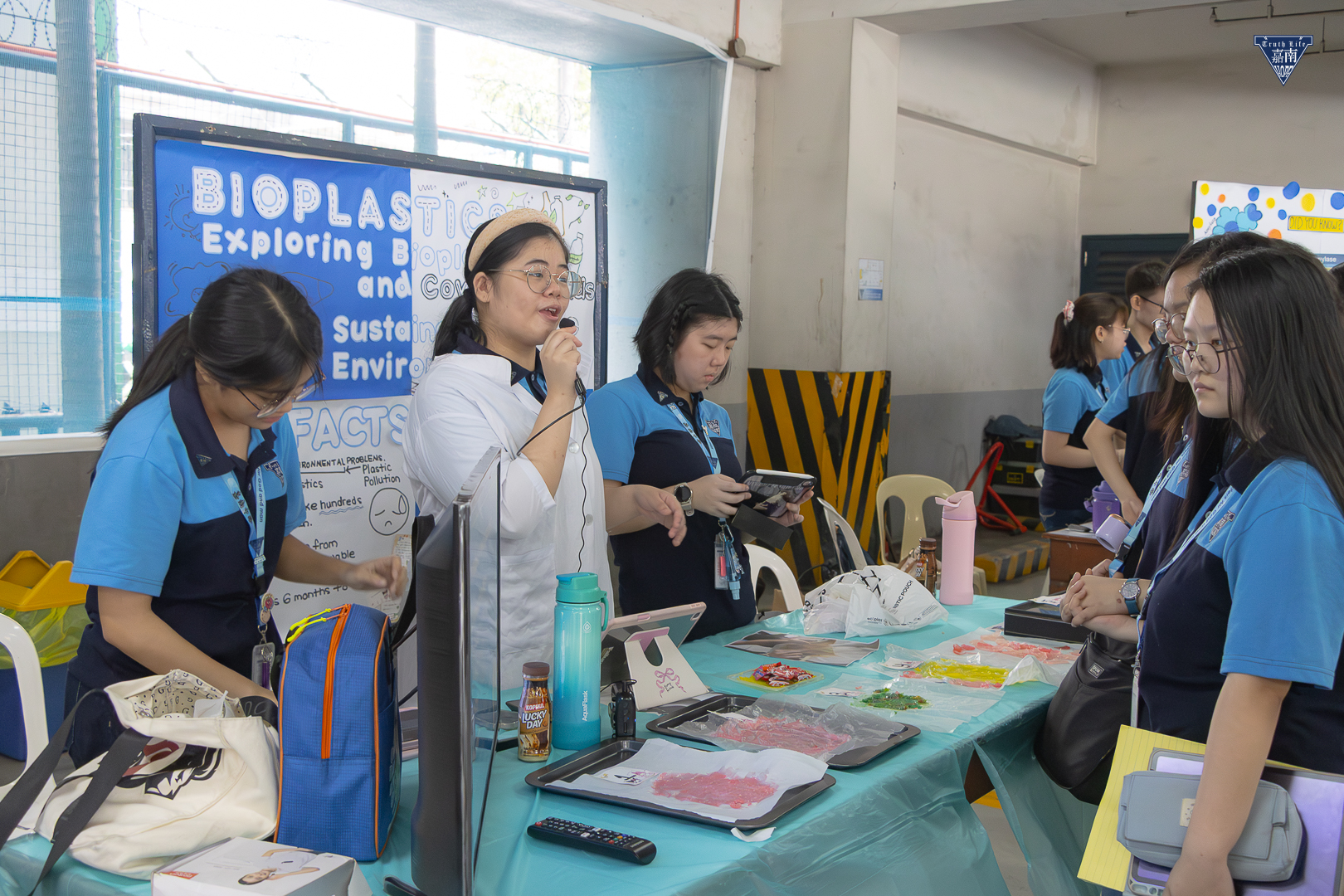
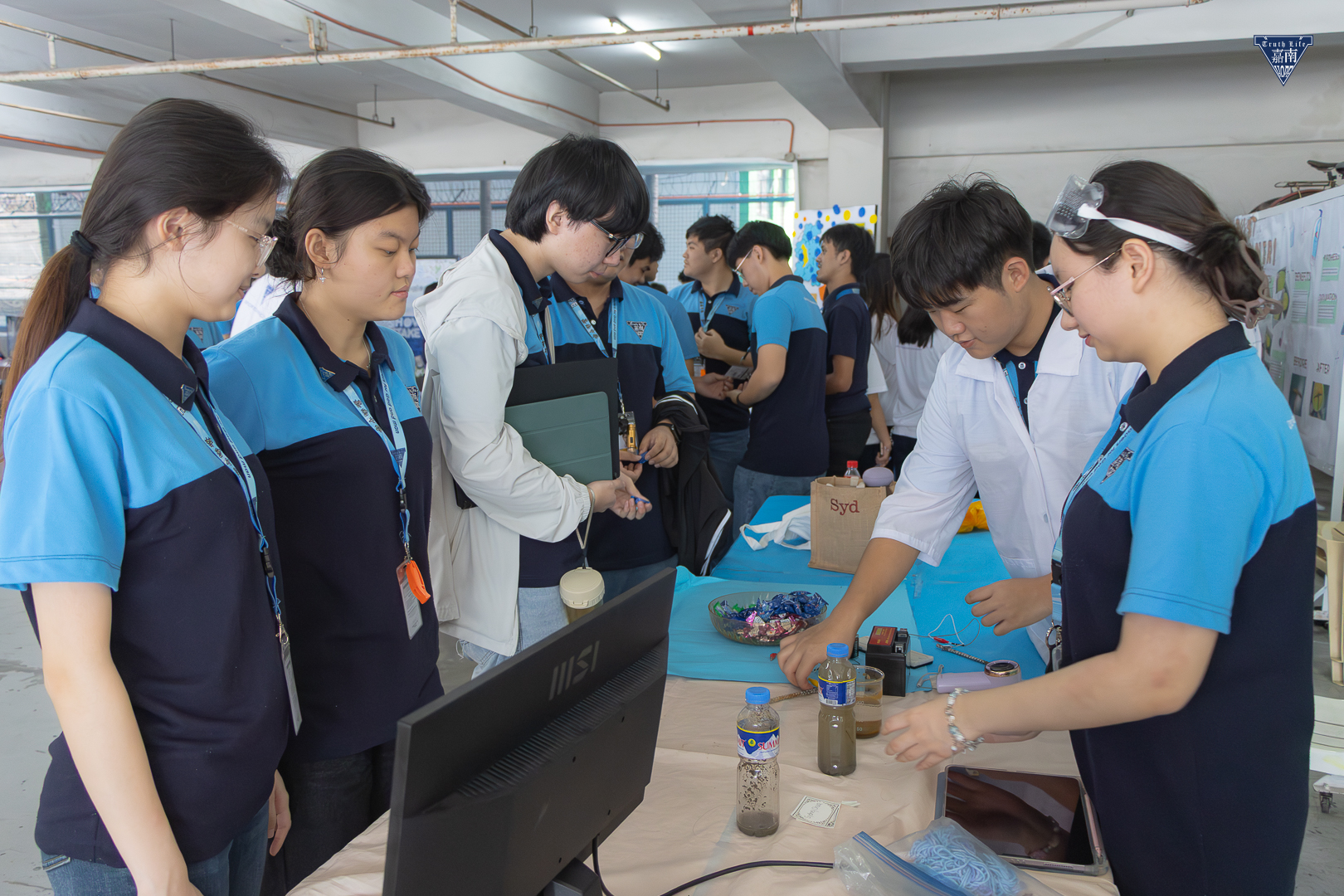
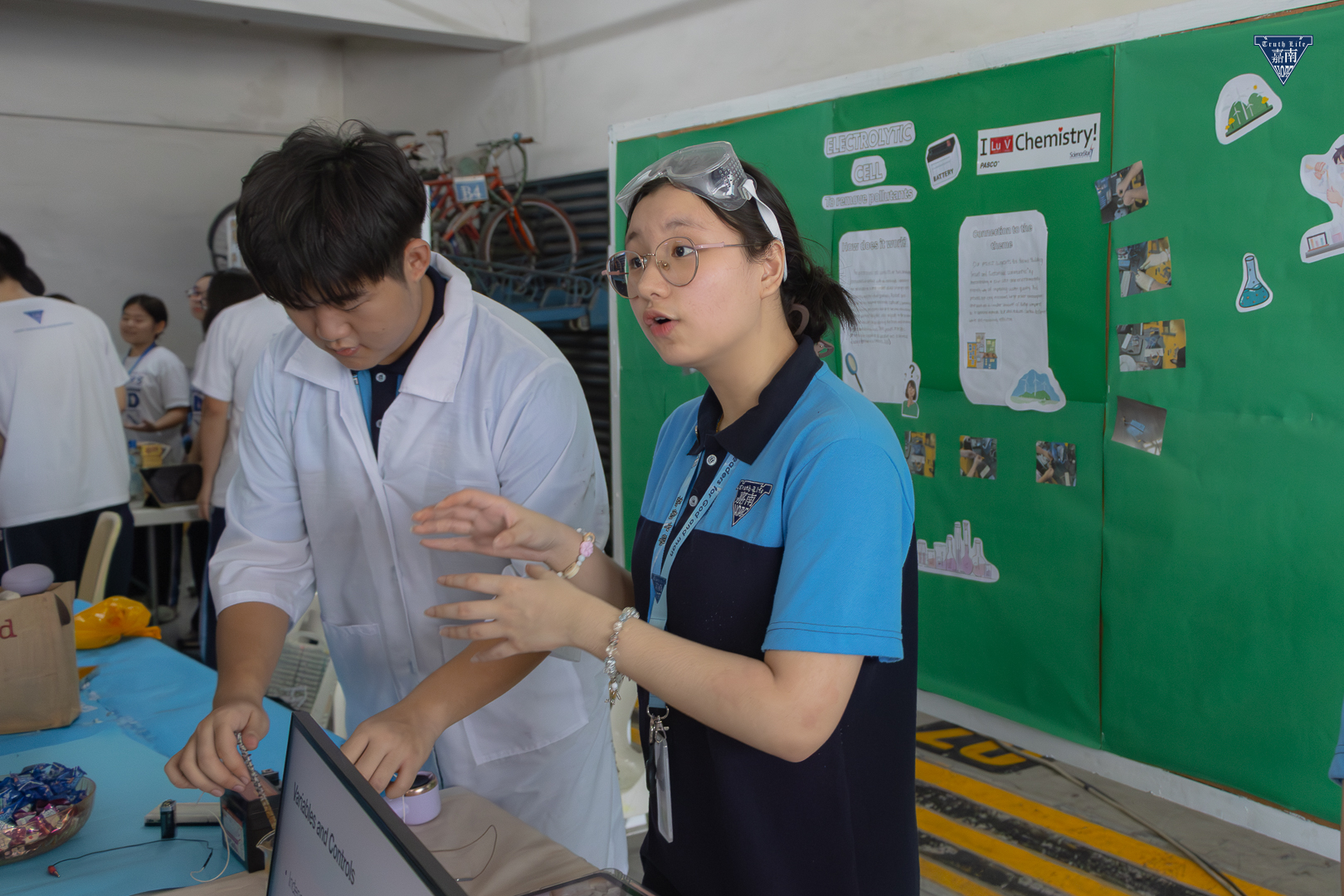
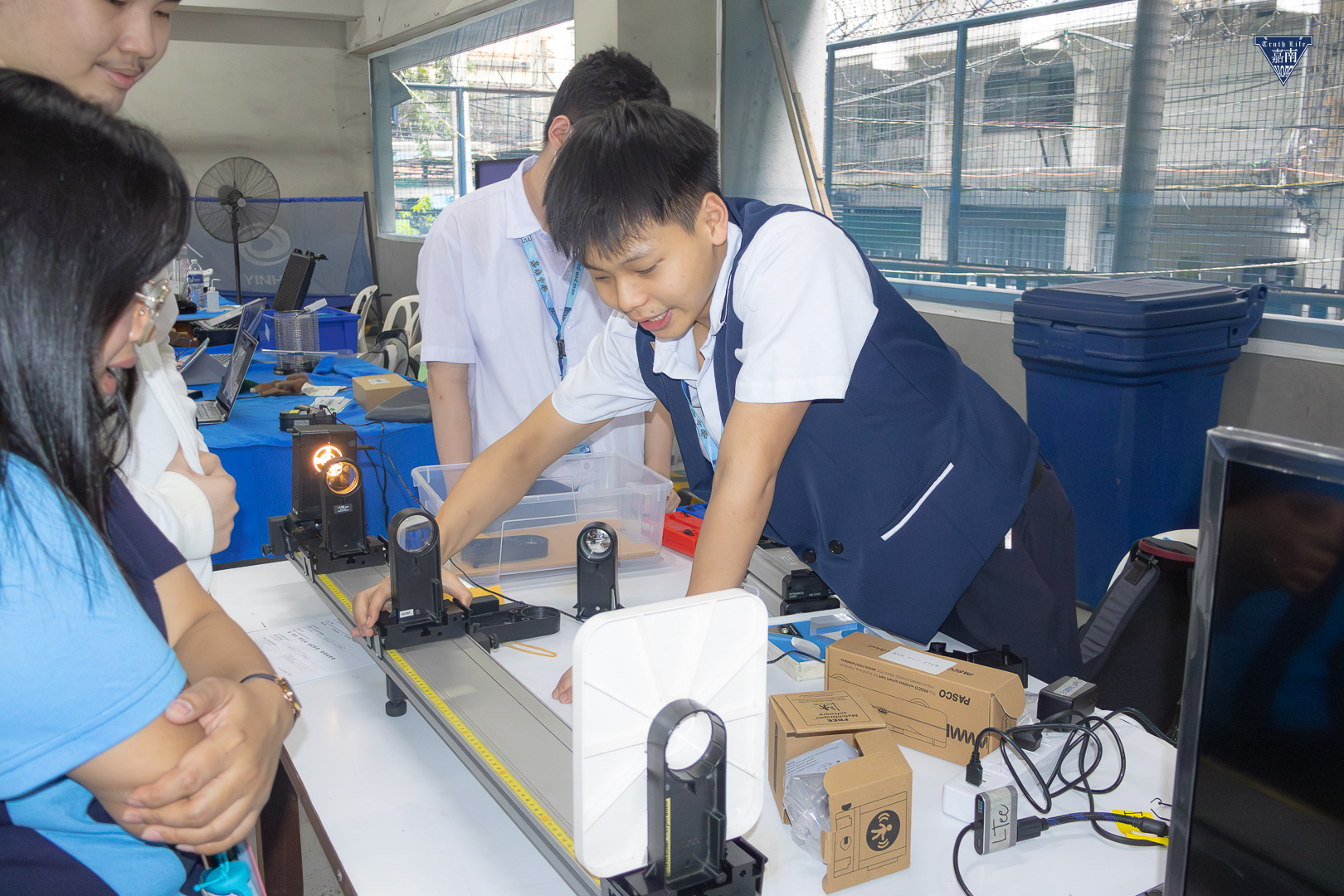
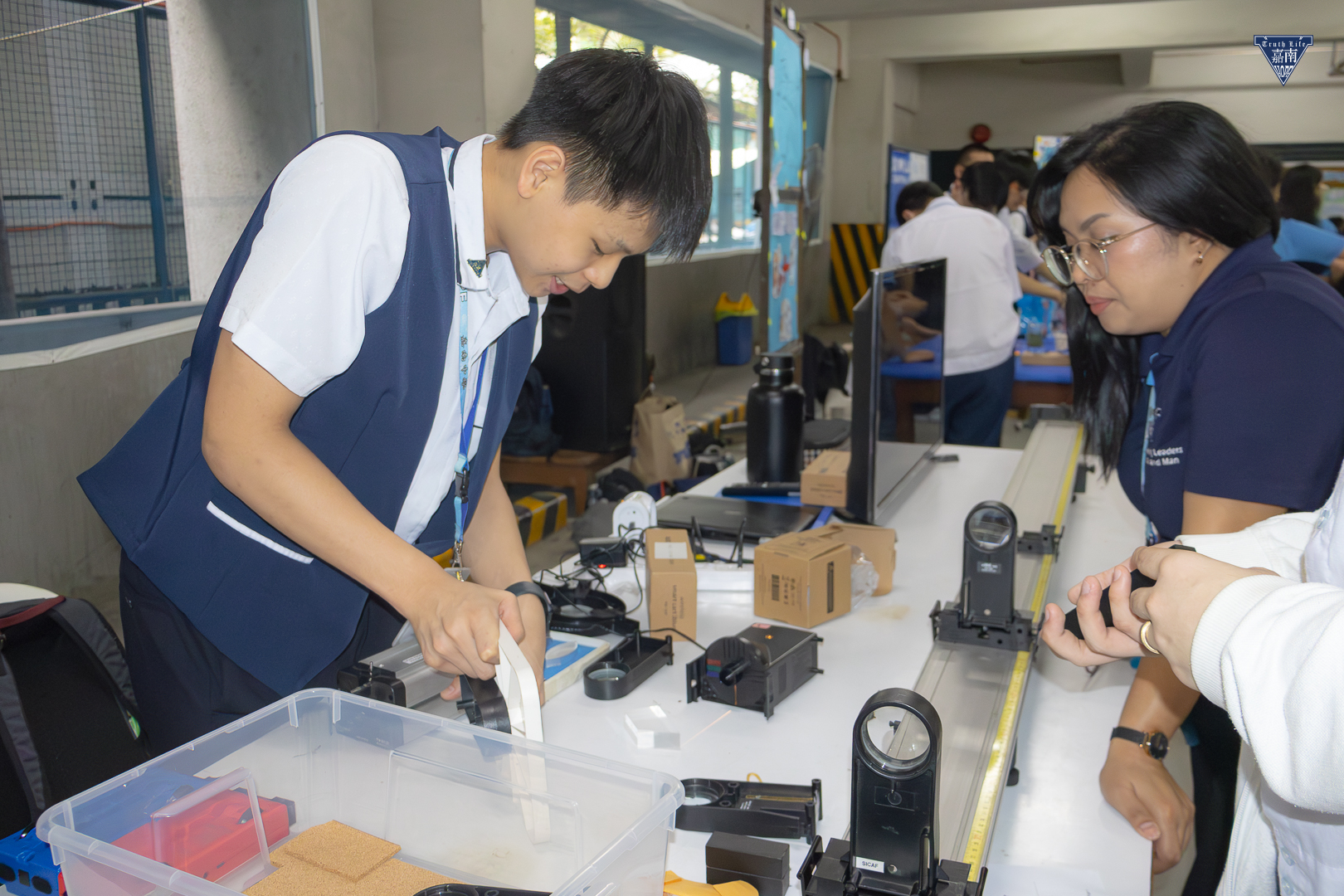
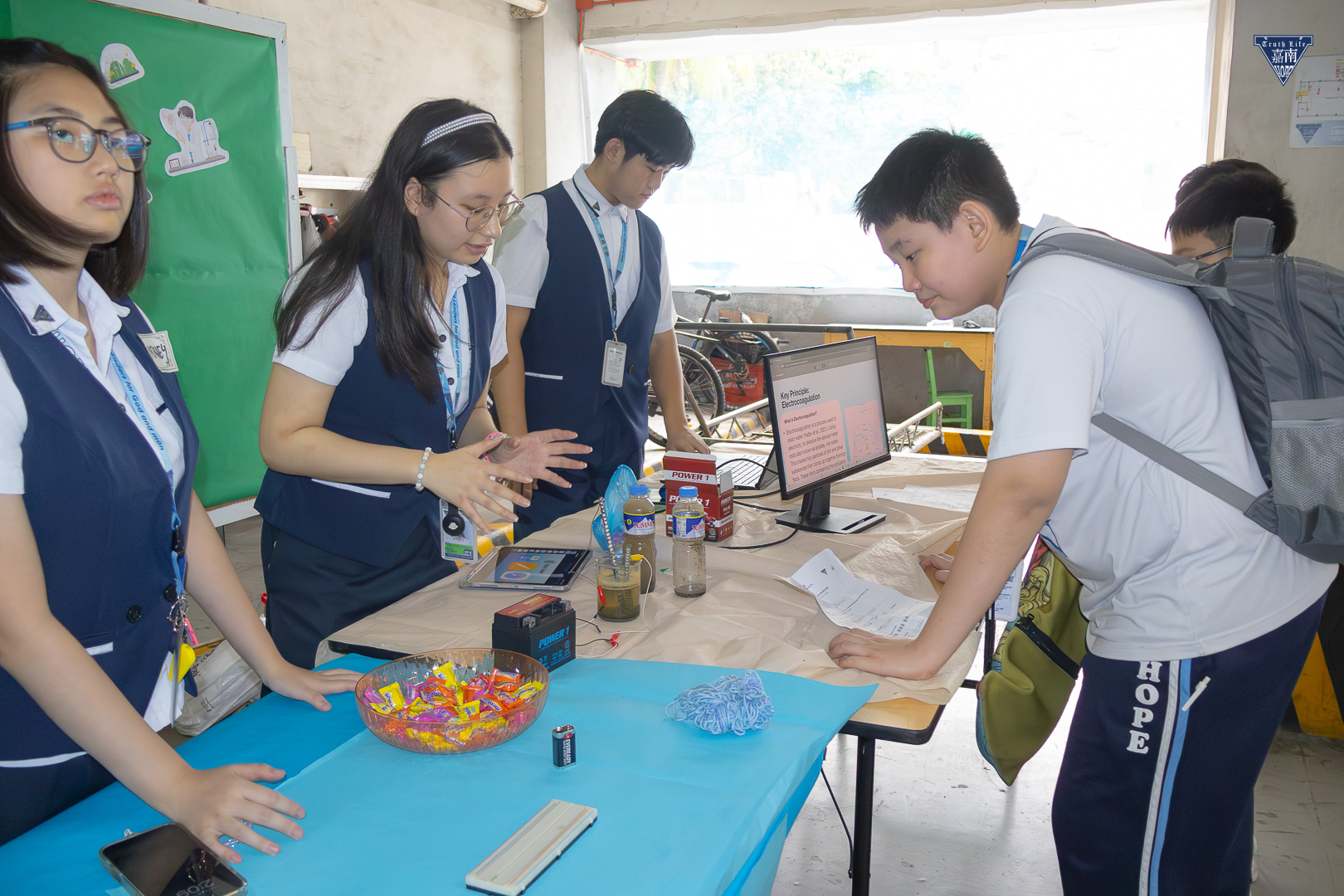
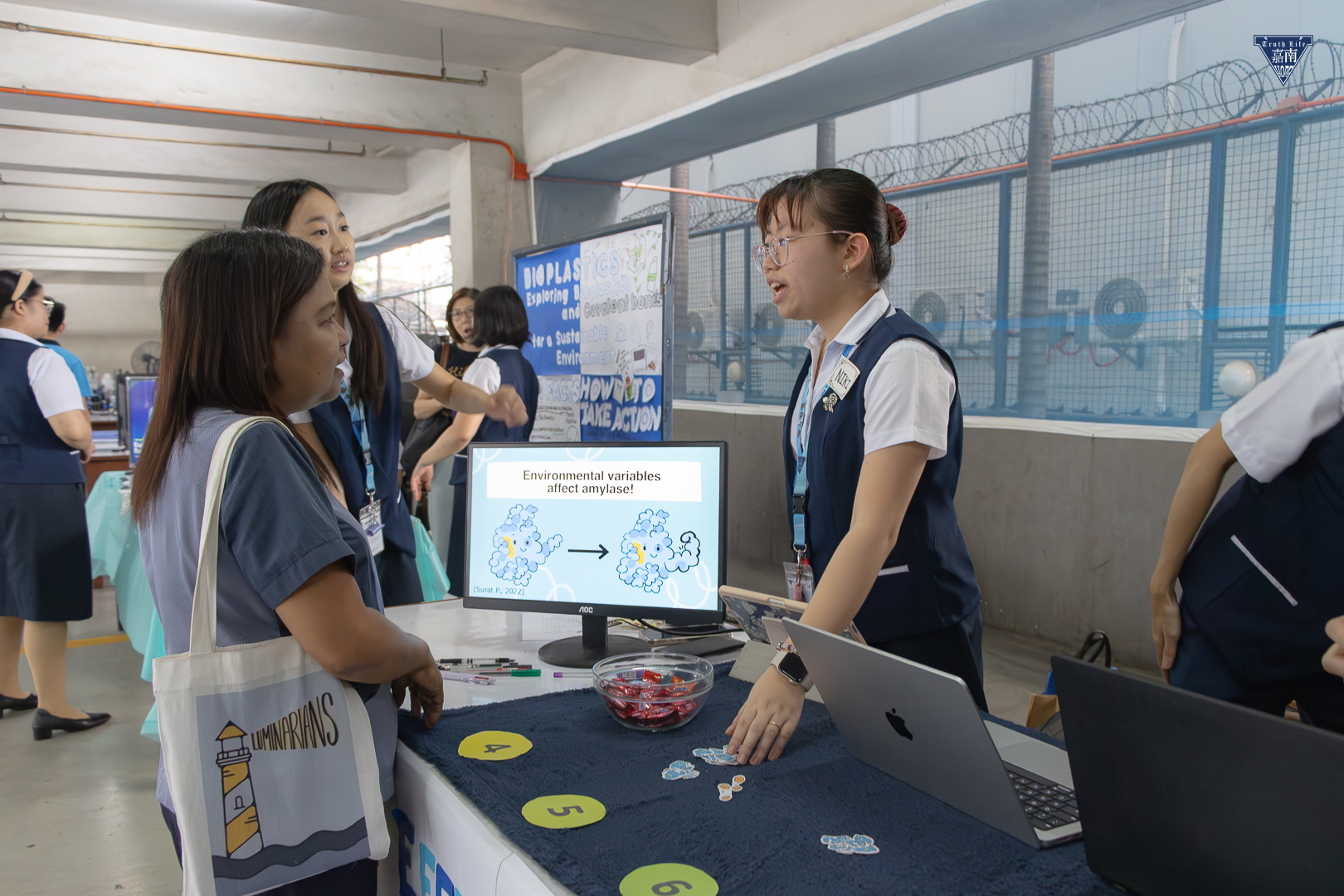
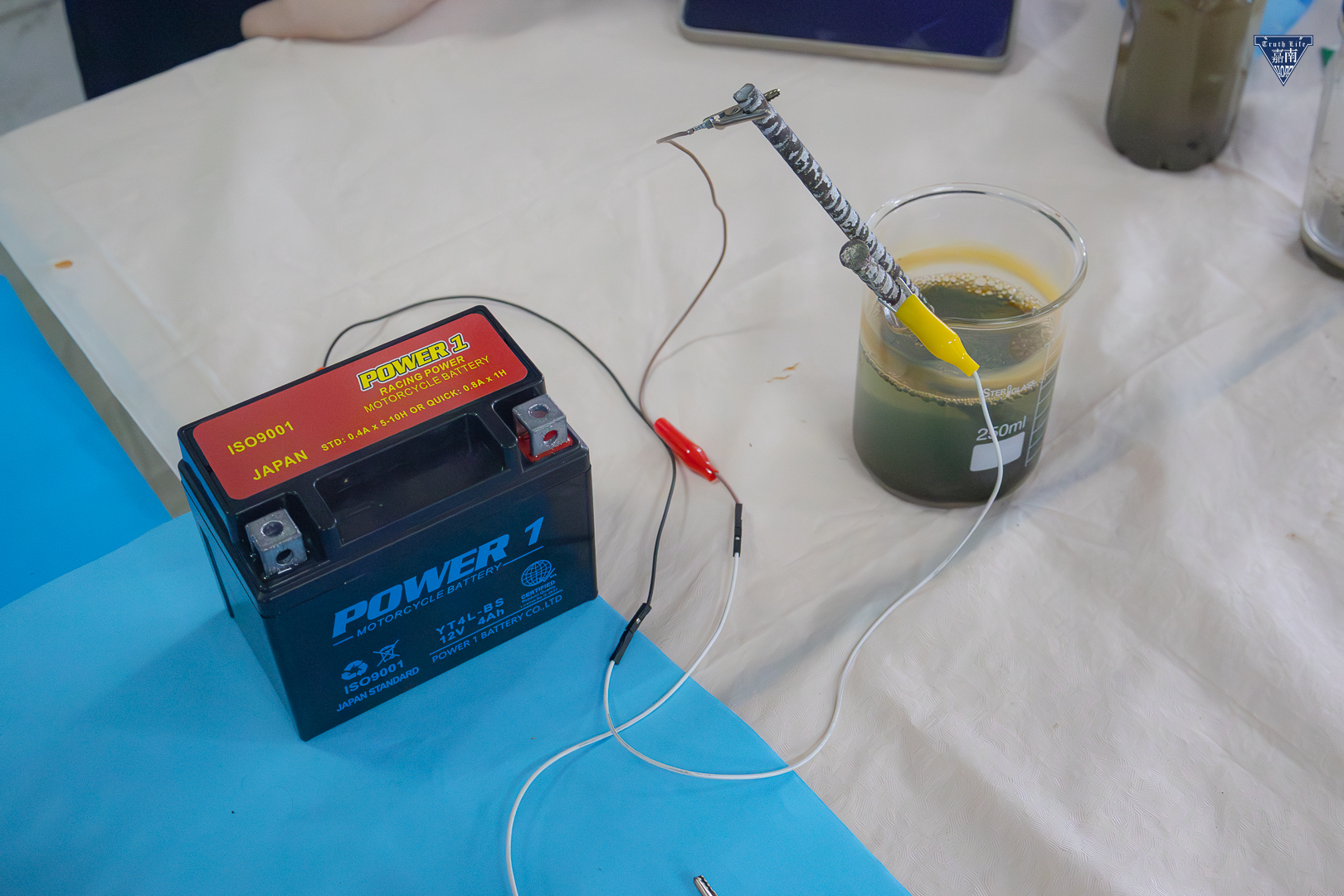
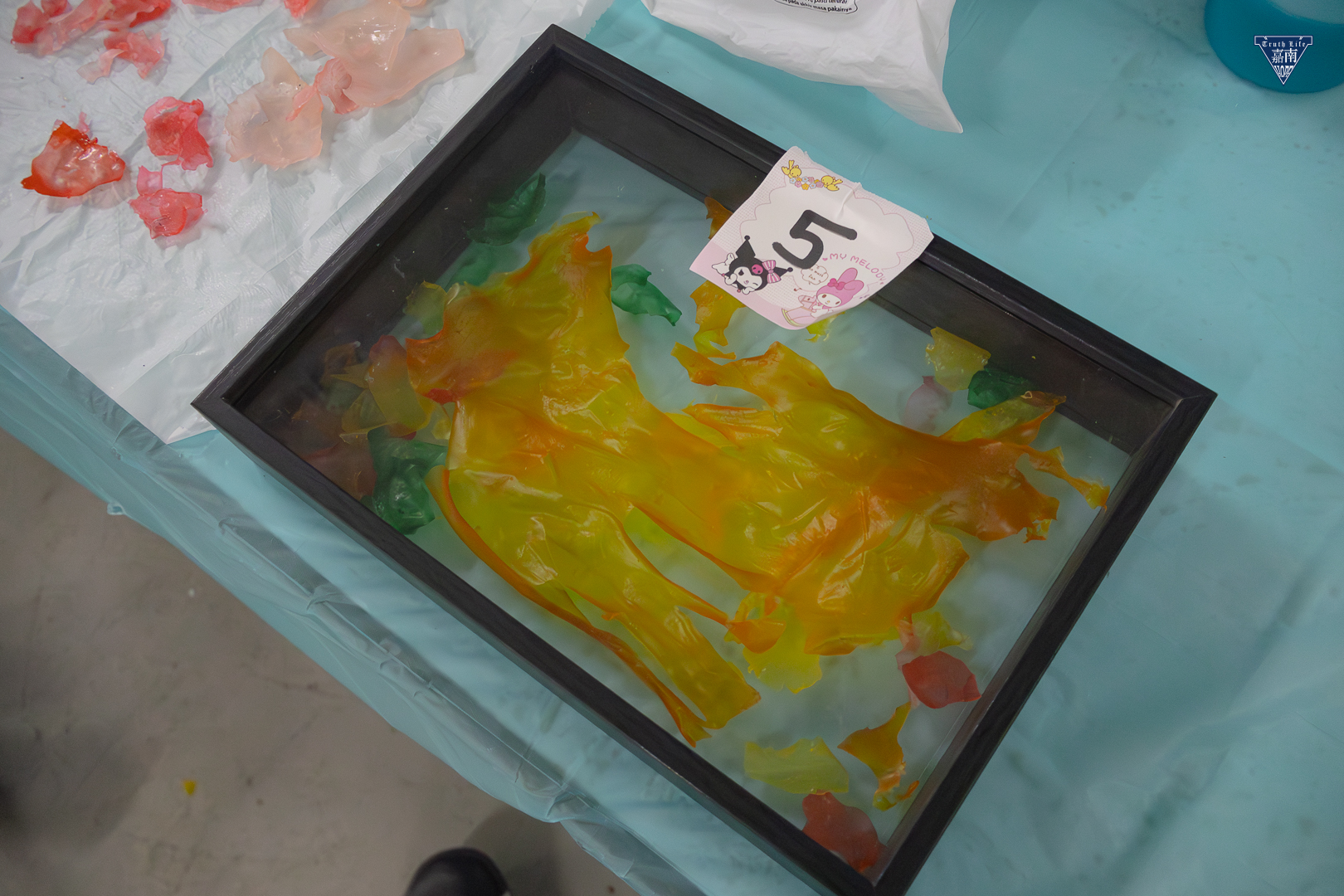
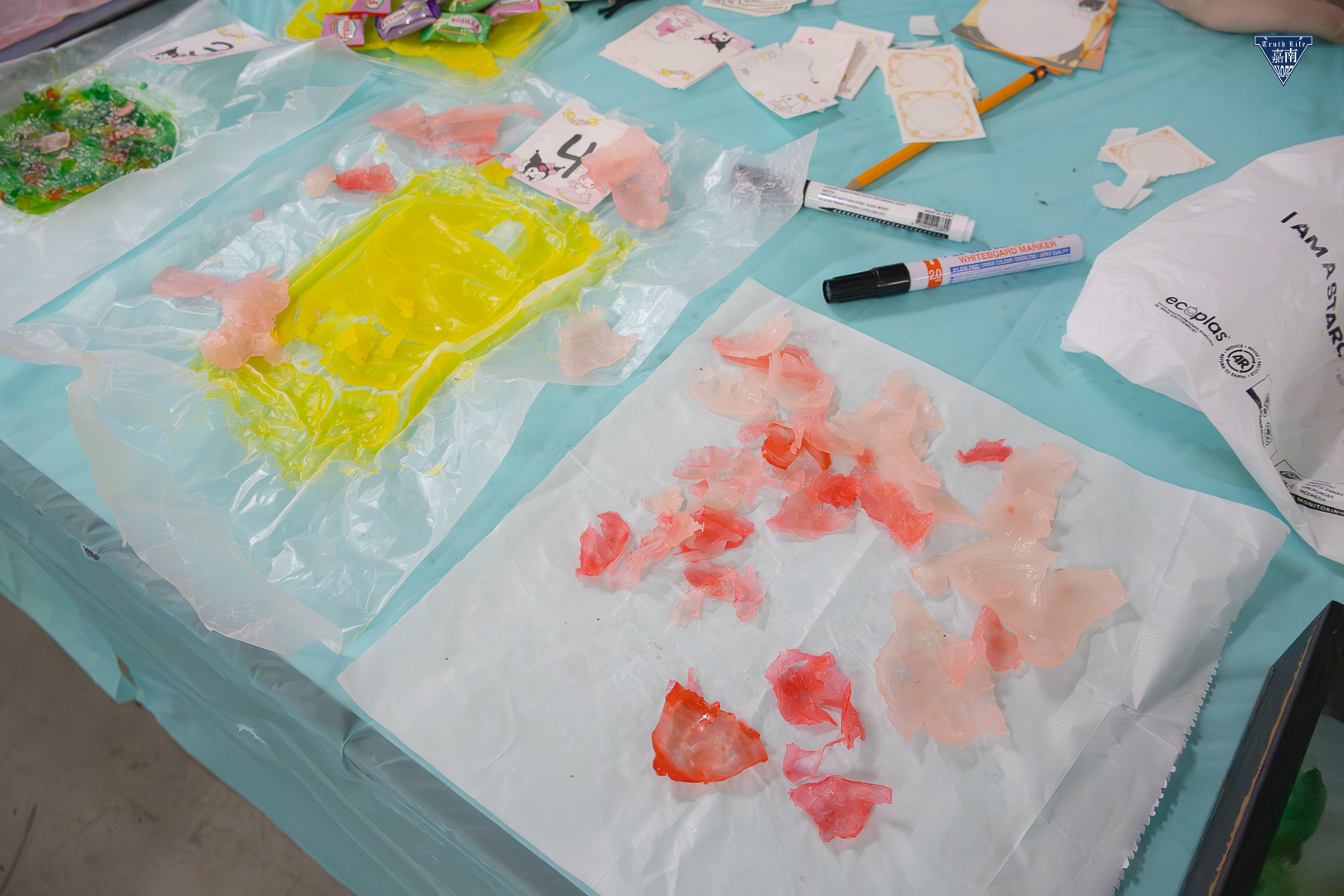
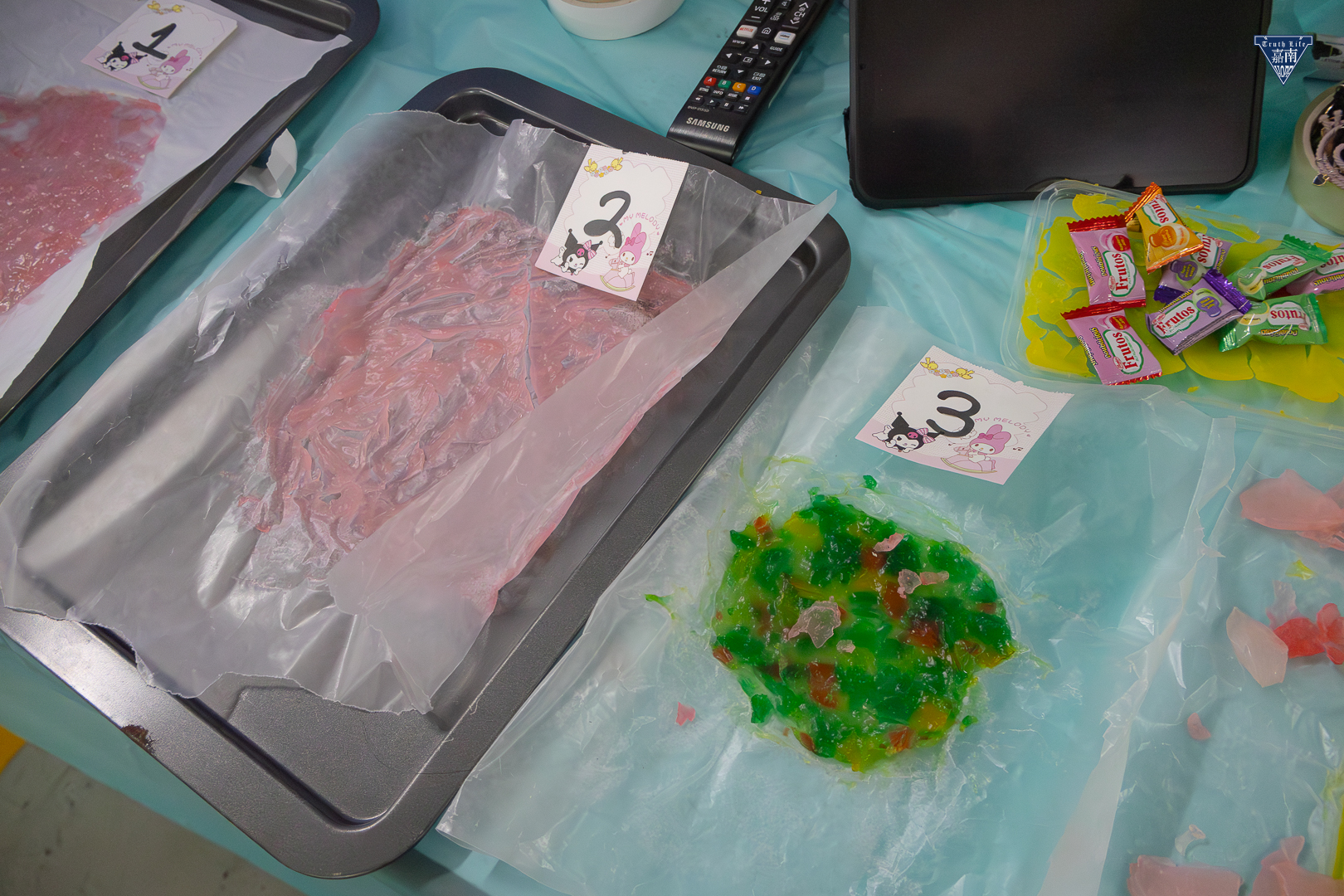
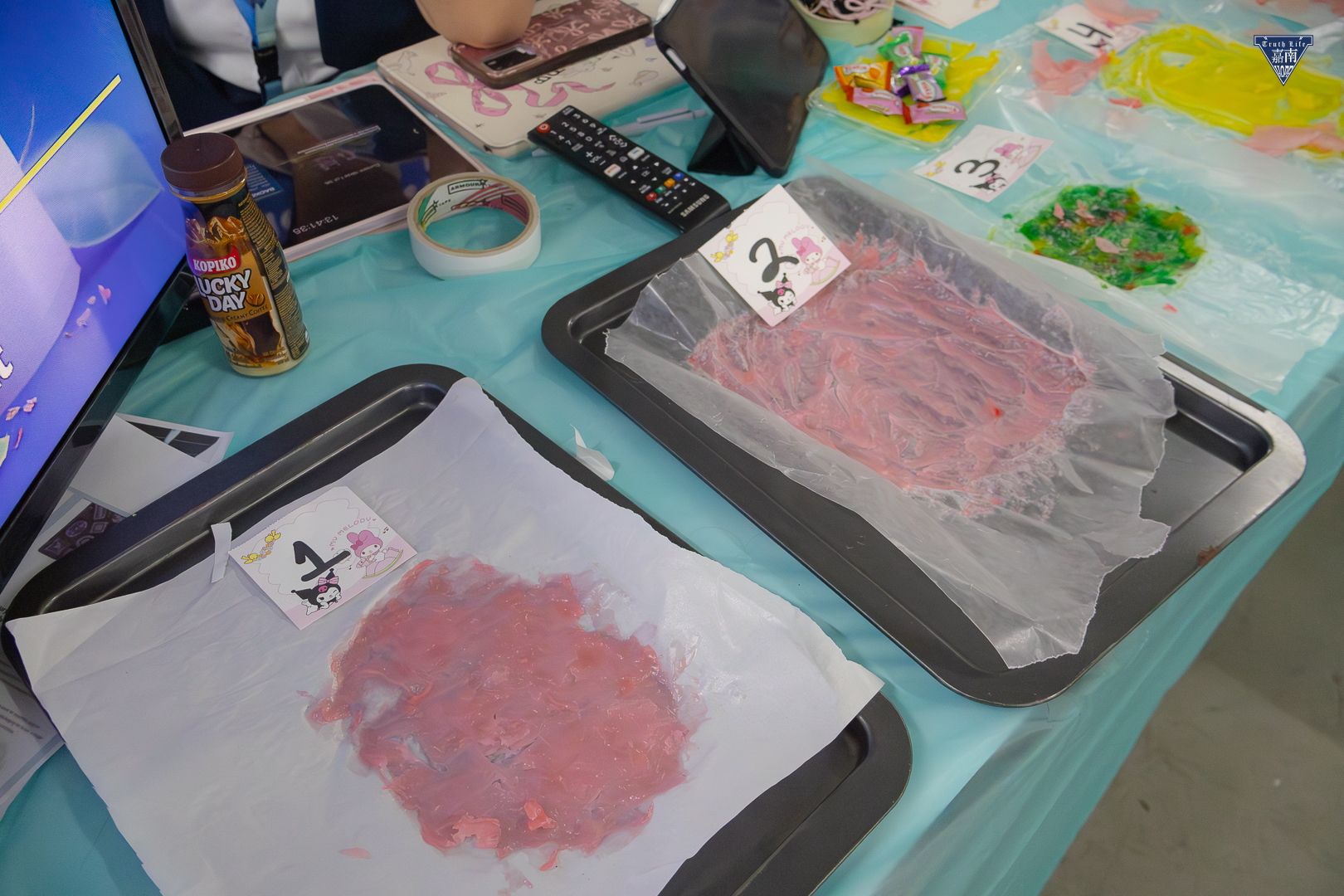
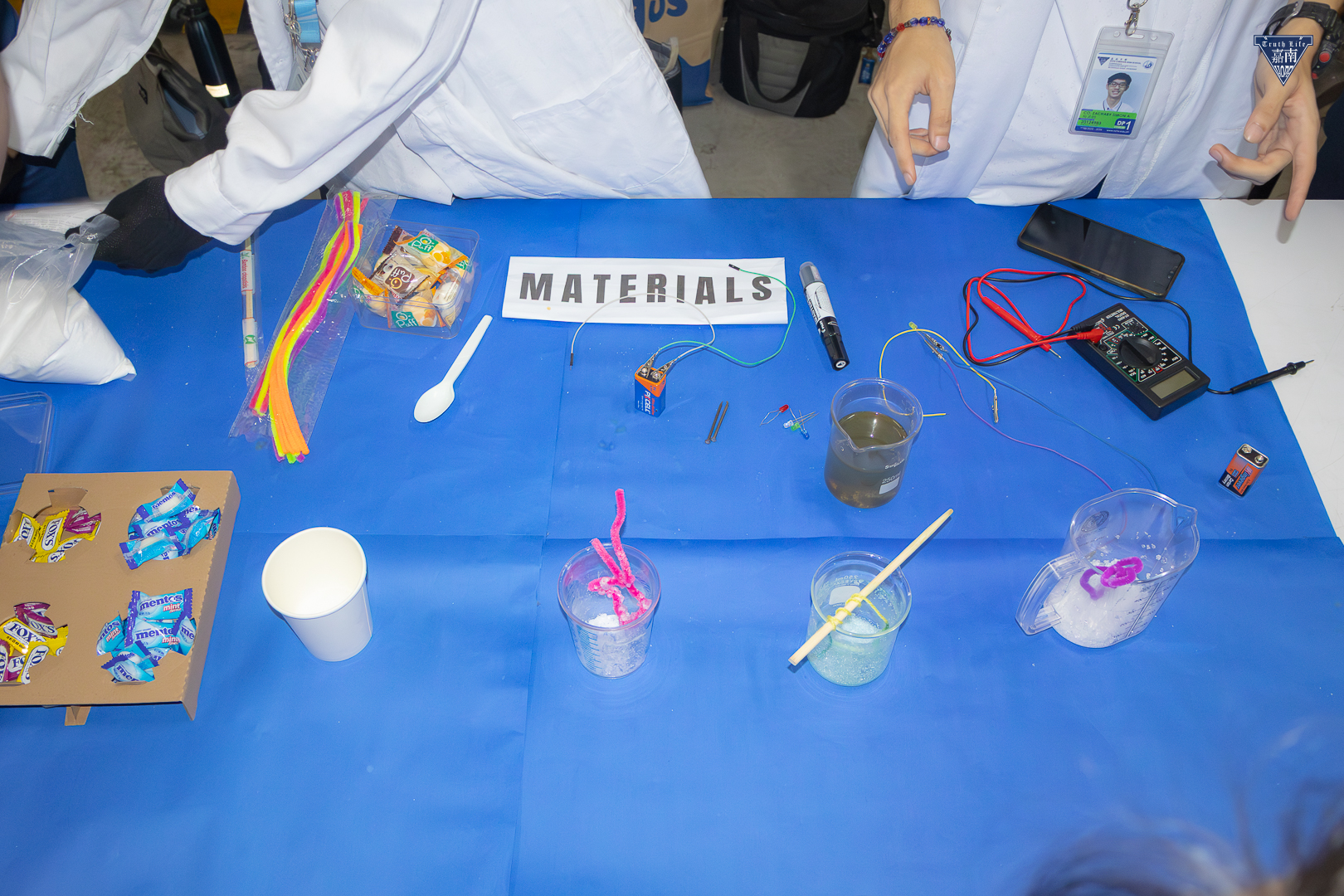
Channeling their inner scientists, DP students shared their scientific research. Their research spans Biochemistry and Physics topics. One group analyzed the role of ionic bonds in the formation and reaction of borax crystals. They also investigated salt conductivity and its practical application for blue energy. Meanwhile, one group studied the role of covalent bonds in making bioplastics. The researchers compared the efficacy of glycerin and cooking oil as plasticizers. Another group of students examined the rate of starch hydrolysis in different PH levels. Through a guessing game, the researchers made the booth visitors guess which PH level had the fastest starch hydrolysis. In an effort to explore sustainable water purification techniques, one group experimented with an electrolytic cell to remove pollutants. After hours of dipping the electrolytic cell electrodes in the dirty water sample, the water got clearer. For DP Physics, one student demonstrated the different light refractions of regular and convex lenses. By using light sensors, the student was also able to measure their energy rates and levels, and explained their practical applications in understanding collisions, a key principle behind propelling rockets.
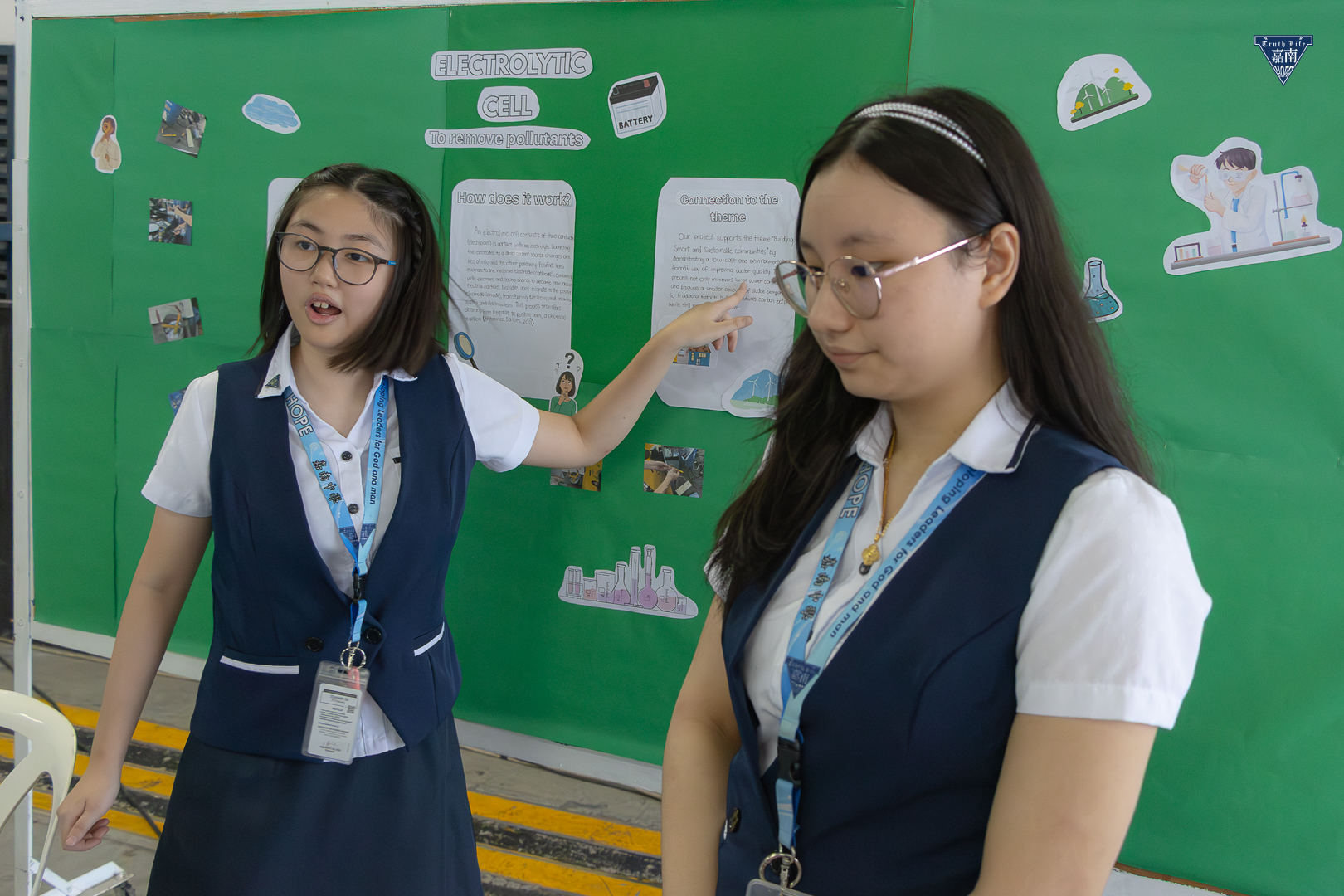
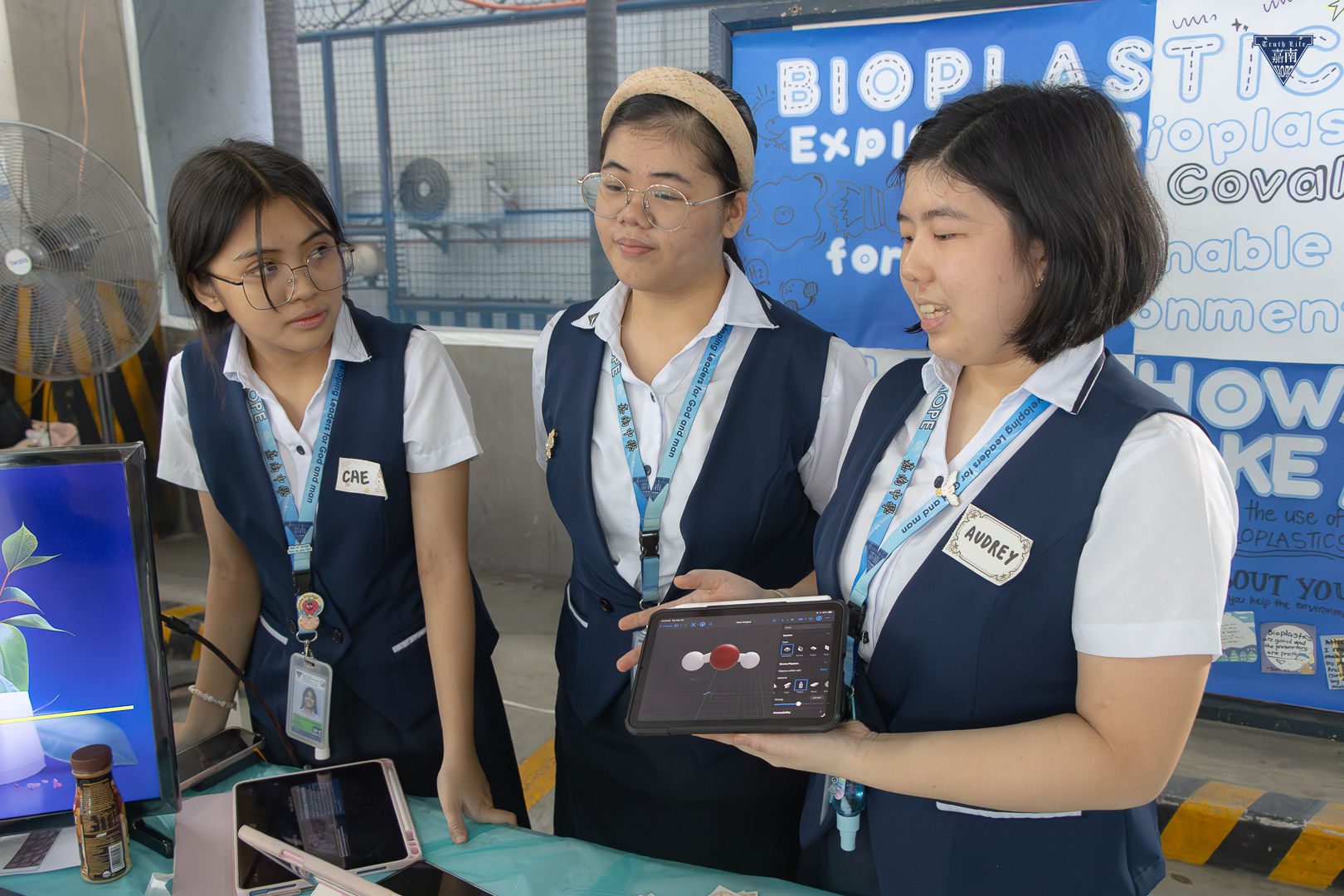
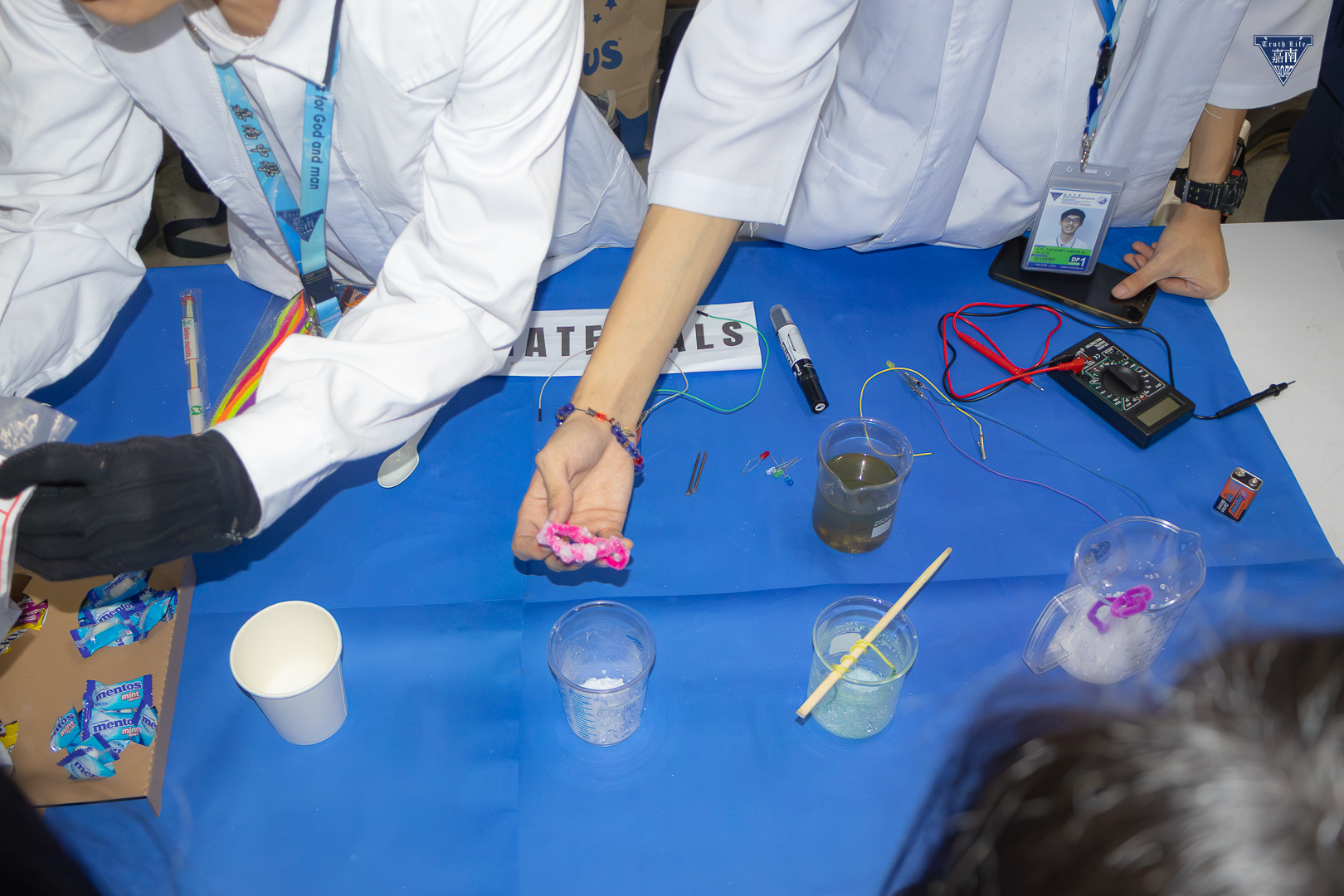
DP STEAM Week Exhibit
The showcase of STEAM Week across grade levels proves that building smart and sustainable communities is not a distant ideal. It is a choice that everyone should collectively commit to. Necessity, curiosity, and ingenuity all drive invention, exploration, and innovation, but collective choice and systemic action ensure sustainable development.